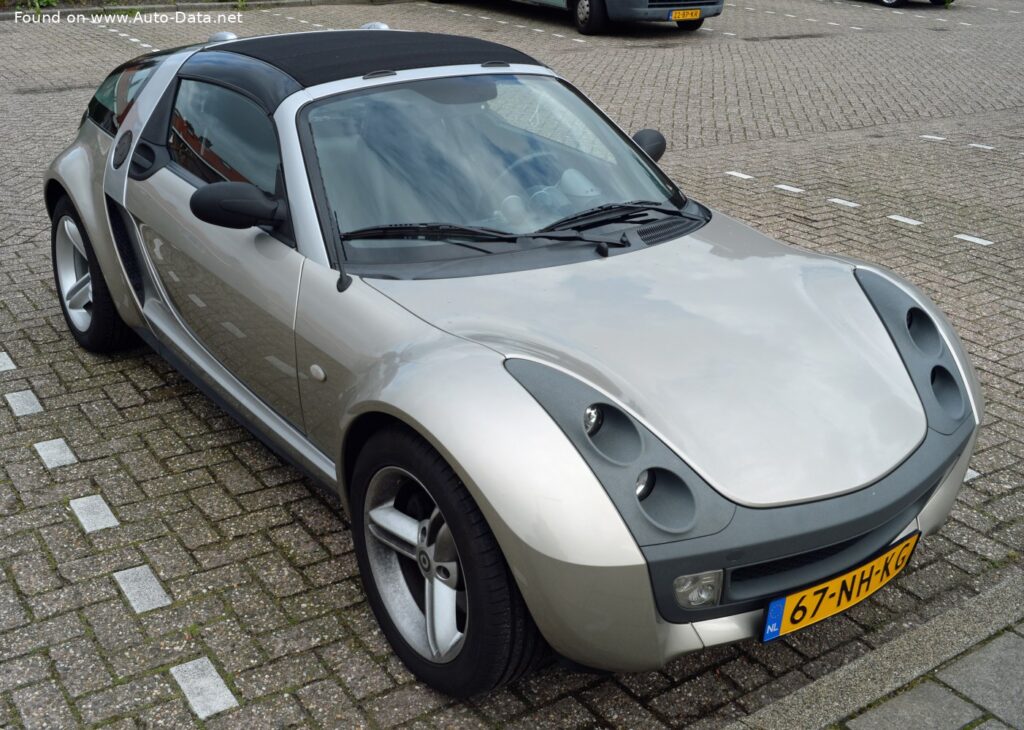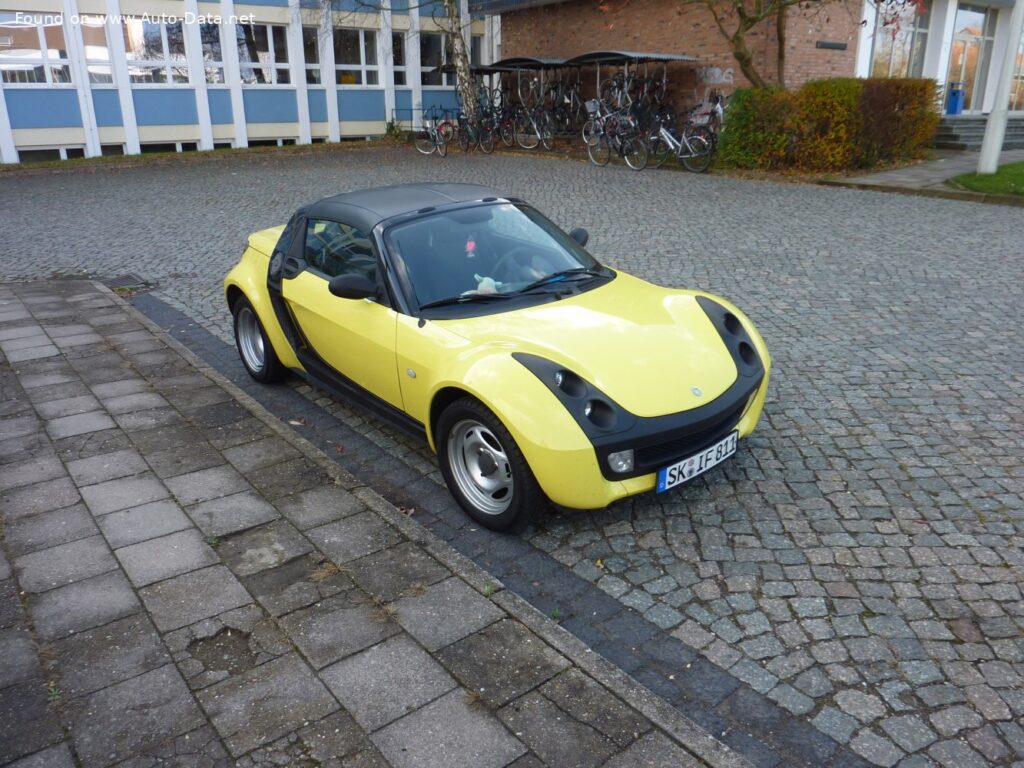
The Smart Roadster Cabrio 0.7i, produced between 2003 and 2005, represents a unique and somewhat niche offering in the early 21st-century automotive landscape. Part of the first generation (W452) Smart Roadster series, this variant was positioned as the entry-level model, offering an accessible price point and relatively economical operation within the Roadster range. Built on the innovative rear-wheel-drive platform shared with the Smart City-Coupe, the 0.7i Cabrio aimed to deliver a fun, open-top driving experience in a compact package. It was a key component of Smart’s strategy to broaden its appeal beyond urban commuters, targeting driving enthusiasts seeking a distinctive and affordable sports car.
The 0.7i Engine and Powertrain
The heart of the Smart Roadster 0.7i is the M 160.922, a 698cc inline-three cylinder engine. This compact powerplant, despite its diminutive size, was turbocharged and intercooled, allowing it to produce 82 horsepower at 5250 rpm and 110 Nm (81.13 lb-ft) of torque at 2250 rpm. The engine utilizes multi-port fuel injection and an overhead camshaft (OHC) valvetrain with two valves per cylinder. The 9:1 compression ratio was a compromise between performance and fuel efficiency. The turbocharger, though small, significantly boosted the engine’s output, providing a surprising amount of power for its displacement. Engine oil capacity is 3 liters (3.17 US quarts / 2.64 UK quarts) and requires a specification detailed in the owner’s manual.
While a six-speed manual transmission was standard, the 0.7i was also offered with a six-speed automatic transmission. This automatic, sourced from Getrag, was a crucial element in attracting buyers who preferred the convenience of an automatic gearbox. However, it’s important to note that the automatic transmission, while offering ease of use, did impact the car’s acceleration and overall driving experience compared to the manual version. The automatic’s gear ratios were tuned for fuel economy and smooth operation, rather than outright performance.
Engine Code Specifics & Maintenance
The M 160.922 engine, while generally reliable, is known to have some specific maintenance considerations. The turbocharger, due to its small size and high operating speeds, can be prone to failure if not properly maintained. Regular oil changes with a high-quality synthetic oil are essential. The engine also benefits from periodic checks of the intercooler for leaks and the fuel injectors for proper operation. The timing chain, while designed to last the life of the engine, should be inspected for wear over time. Coolant capacity is 4.2 liters (4.44 US quarts / 3.7 UK quarts).
Driving Characteristics
The Smart Roadster 0.7i, even in Cabriolet form, offered a surprisingly engaging driving experience. The rear-wheel-drive layout contributed to a balanced feel, and the relatively low weight (790 kg / 1741.65 lbs) enhanced agility. However, the 82 horsepower engine meant that acceleration was not blistering. 0-60 mph took approximately 10.4 seconds, and 0-100 km/h (0-62 mph) took 10.9 seconds. Top speed was rated at 175 km/h (108.74 mph). The automatic transmission, while smooth, further reduced acceleration times compared to the manual version. The power delivery was characterized by a noticeable turbo lag at lower RPMs, followed by a surge of power as the turbo spooled up. This made the engine feel more responsive in the mid-range. The steering was direct and precise, contributing to a feeling of connection with the road.
Equipment & Trim Levels
As the entry-level model, the Smart Roadster 0.7i Cabrio came standard with a relatively basic level of equipment. Standard features typically included power steering, disc brakes on the front wheels and drum brakes on the rear, and a basic audio system. The interior was typically finished with cloth upholstery. However, a range of optional extras were available, allowing buyers to customize their cars. These options included leather upholstery, air conditioning, heated seats, and upgraded audio systems. The Cabriolet top was manually operated, adding to the simplicity of the design. Dashboard configuration was consistent across the 0.7i range, featuring a straightforward layout with clearly marked gauges.
Chassis & Braking
The Smart Roadster’s chassis was a significant departure from conventional automotive design. It featured a steel space frame construction, providing a high degree of rigidity while minimizing weight. The front suspension utilized a spring strut setup, while the rear suspension employed a De-Dion axle. This rear suspension design contributed to the car’s balanced handling characteristics. The braking system consisted of disc brakes on the front wheels and drum brakes on the rear. Hydraulic power steering was standard. Tire size was typically 185/55 R15, mounted on 5J x 15 inch wheel rims.
Market Reception & Comparison
The Smart Roadster 0.7i Cabrio received mixed reviews from automotive critics. While praised for its unique design, engaging handling, and relatively affordable price, it was also criticized for its limited power and somewhat cramped interior. Compared to other trims in the Roadster lineup, such as the 0.8i, the 0.7i offered a more economical option but sacrificed performance. Fuel economy was a strong point, with combined fuel consumption rated at 5.1 l/100 km (46.1 US mpg / 55.4 UK mpg). Reliability was generally good, although the turbocharger and automatic transmission were identified as potential weak points. Compared to contemporary small sports cars like the Mazda MX-5 Miata, the Smart Roadster offered a different character – more focused on urban agility and distinctive styling than outright performance.
Technical Specifications
| Brand | Smart |
| Model | Roadster Cabrio |
| Type | 0.7i (82 Hp) |
| Production Years | 2003-2005 |
| Engine Displacement | 698 cm3 (42.59 cu. in.) |
| Engine Configuration | Inline-3 |
| Power | 82 Hp @ 5250 rpm |
| Torque | 110 Nm (81.13 lb-ft) @ 2250 rpm |
| Fuel Type | Petrol (Gasoline) |
| Transmission | 6-speed manual or 6-speed automatic |
| Drive Wheels | Rear-wheel drive |
| Acceleration 0-60 mph | 10.4 sec (calculated) |
| Acceleration 0-100 km/h | 10.9 sec |
| Maximum Speed | 175 km/h (108.74 mph) |
| Kerb Weight | 790 kg (1741.65 lbs) |
| Fuel Consumption (Combined) | 5.1 l/100 km (46.1 US mpg / 55.4 UK mpg) |
| Fuel Tank Capacity | 35 l (9.25 US gal / 7.7 UK gal) |
| Length | 3427 mm (134.92 in) |
| Width | 1615 mm (63.58 in) |
| Height | 1192 mm (46.93 in) |
Legacy
The Smart Roadster 0.7i, while short-lived in production, has developed a loyal following among enthusiasts. The combination of its unique design, rear-wheel-drive layout, and relatively affordable price has made it a popular choice for those seeking a distinctive and fun-to-drive sports car. The M 160.922 engine, while requiring diligent maintenance, has proven to be reasonably durable. On the used car market, well-maintained examples of the 0.7i Cabrio command a premium. The automatic transmission versions, while less desirable to purists, offer a more accessible entry point for those less comfortable with a manual gearbox. The Smart Roadster, in all its variants, remains a testament to Smart’s innovative approach to automotive design and its willingness to challenge conventional norms.