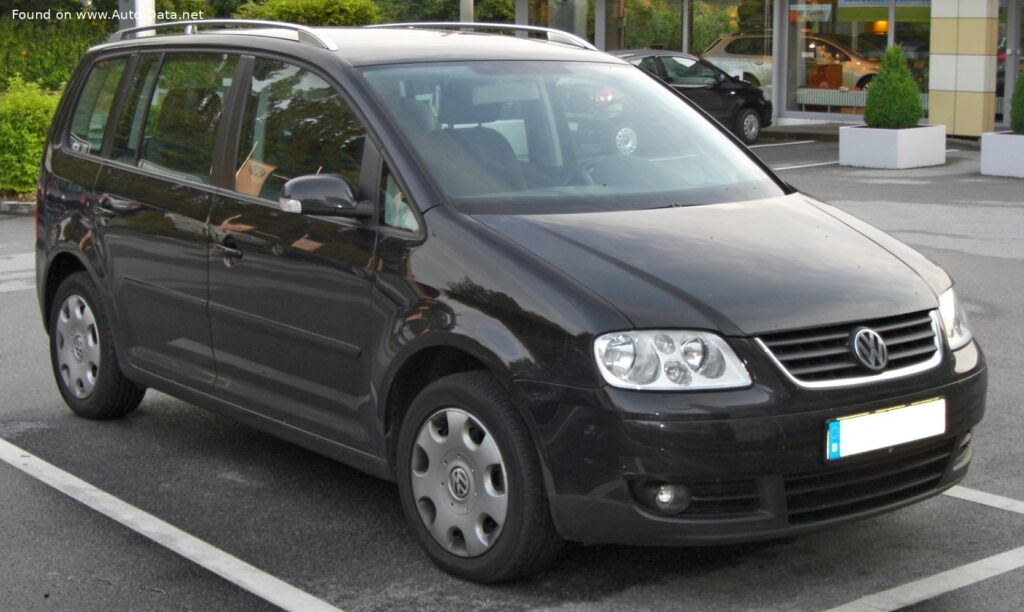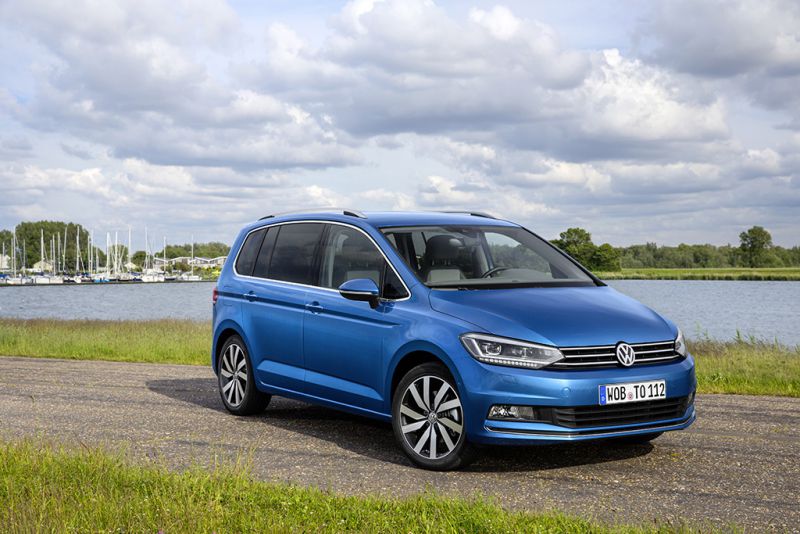
The Volkswagen Touran II 1.5 TSI ACT (150 hp) is a compact minivan produced by Volkswagen between 2018 and 2020. It represents a mid-cycle update to the second generation Touran (introduced in 2015), designated internally as the 5T model. This variant occupied a key position in the Touran lineup, offering a balance between fuel efficiency, performance, and price, aimed at families seeking a practical and versatile vehicle. The “ACT” designation signifies Volkswagen’s Active Cylinder Technology, a fuel-saving feature that deactivates two cylinders under light load conditions. It was positioned as an upgrade from the base 1.0 TSI engine, while remaining more accessible than the more powerful 1.8 TSI and 2.0 TDI options.
Powertrain & Engine Architecture
The heart of the Touran II 1.5 TSI ACT is the EA211evo series engine, specifically the DADA engine code. This is a 1.5-liter inline-four cylinder gasoline engine utilizing direct fuel injection and a single turbocharger with an intercooler. The engine produces 150 horsepower (110 kW) and 250 Nm (184.39 lb-ft) of torque between 1500 and 3500 rpm. The direct injection system operates at a maximum pressure of 250 bar, ensuring precise fuel delivery and optimized combustion. The engine features four valves per cylinder (16 valves total) and a variable valve timing system on both the intake and exhaust sides, contributing to its efficiency and responsiveness.
A key feature of this engine is the Active Cylinder Technology (ACT). Under partial load conditions, the engine can shut down cylinders two and three, effectively running as a two-cylinder engine. This reduces fuel consumption and emissions. The transition between four-cylinder and two-cylinder operation is seamless and largely imperceptible to the driver. The engine also incorporates a particulate filter to further reduce emissions, meeting the stringent Euro 6d-TEMP emission standard.
While a six-speed manual transmission was standard, a seven-speed dual-clutch transmission (DSG) was offered as an optional upgrade. The DSG provides quicker and smoother gear changes compared to the manual, enhancing the driving experience. The front-wheel-drive configuration is standard for this variant.
Fuel Injection and Turbocharging
The EA211evo engine utilizes a sophisticated direct injection system. This system injects fuel directly into the combustion chamber, allowing for more precise control over the combustion process. The turbocharger is a single-scroll unit designed to provide a good balance between responsiveness and efficiency. The intercooler cools the compressed air from the turbocharger, increasing its density and further improving engine performance.
Driving Characteristics
The Touran II 1.5 TSI ACT delivers a comfortable and refined driving experience. With 150 hp and 250 Nm of torque, it provides adequate power for everyday driving situations, including highway cruising and overtaking. Acceleration from 0 to 100 km/h (0-62 mph) takes approximately 8.9 seconds, and 0-60 mph is achieved in around 8.5 seconds. While not a performance-oriented vehicle, the 1.5 TSI engine offers a noticeable improvement in responsiveness compared to the smaller 1.0 TSI engine.
The six-speed manual transmission provides a good level of driver engagement, while the optional seven-speed DSG offers seamless gear changes and improved fuel efficiency. The ACT system contributes to a smooth and relaxed driving experience, particularly during highway cruising. The suspension is tuned for comfort, providing a compliant ride over various road surfaces. However, it’s not as sporty or engaging as some of its competitors.
Compared to the higher-output 1.8 TSI, the 1.5 TSI feels less powerful, especially when fully loaded with passengers and luggage. The 1.8 TSI offers quicker acceleration and a more dynamic driving experience. However, the 1.5 TSI provides better fuel economy and lower running costs.
Equipment & Trim Levels
The Touran II 1.5 TSI ACT was available in various trim levels, typically including Trendline, Comfortline, and Highline. The Trendline served as the entry-level trim, offering a good level of standard equipment, including air conditioning, a touchscreen infotainment system, and alloy wheels. The Comfortline added features such as automatic climate control, parking sensors, and cruise control. The Highline trim offered the most luxurious features, including leather upholstery, a larger touchscreen display, and advanced safety systems.
Standard interior features included comfortable seating for up to seven passengers (depending on configuration), a spacious cabin, and a versatile seating arrangement. Optional extras included a panoramic sunroof, a navigation system, and a premium sound system. The dashboard layout was clean and functional, with intuitive controls and a user-friendly infotainment system.
Chassis & Braking
The Touran II utilizes a MacPherson strut front suspension and a multi-link rear suspension. This setup provides a good balance between ride comfort and handling. The steering is electrically assisted, offering a light and precise feel. The front brakes are ventilated discs, while the rear brakes are solid discs. Anti-lock Braking System (ABS) is standard, along with Electronic Stability Control (ESC). Stabilizer bars are fitted to both the front and rear axles to reduce body roll during cornering.
The Touran II 1.5 TSI ACT’s kerb weight is approximately 1490 kg (3284.89 lbs). The suspension is tuned to accommodate this weight, providing a comfortable ride without excessive body roll. The braking system is adequate for everyday driving, providing sufficient stopping power in most situations.
Market Reception & Comparison
The Touran II 1.5 TSI ACT was generally well-received by automotive critics. It was praised for its fuel efficiency, comfortable ride, and spacious interior. However, some critics noted that the engine could feel underpowered when fully loaded. Compared to other compact minivans in the market, such as the Citroën C4 Picasso and the Renault Scenic, the Touran II offered a more refined driving experience and a higher level of build quality.
Fuel economy figures for the 1.5 TSI ACT ranged from 5.5 to 5.8 l/100 km (42.8 to 40.6 US mpg) on the combined cycle, with CO2 emissions of 125-132 g/km. This made it one of the most fuel-efficient vehicles in its class. Reliability reports suggest that the EA211evo engine is generally reliable, although some owners have reported issues with the particulate filter and the ACT system.
Technical Specifications
| Brand | Volkswagen |
| Model | Touran |
| Generation | Touran II |
| Type (Engine) | 1.5 TSI ACT (150 Hp) |
| Start of production | 2018 |
| End of production | 2020 |
| Powertrain Architecture | Internal Combustion engine |
| Body type | Minivan |
| Seats | 5-7 |
| Doors | 5 |
| Fuel consumption (urban) | 6.7-7.1 l/100 km (35.1 – 33.1 US mpg) |
| Fuel consumption (extra urban) | 4.8-5.1 l/100 km (49 – 46.1 US mpg) |
| Fuel consumption (combined) | 5.5-5.8 l/100 km (42.8 – 40.6 US mpg) |
| CO2 emissions | 125-132 g/km |
| Fuel Type | Petrol (Gasoline) |
| Acceleration 0 – 100 km/h | 8.9 sec |
| Maximum speed | 209 km/h (129.87 mph) |
| Emission standard | Euro 6d-TEMP |
| Power | 150 Hp |
| Torque | 250 Nm @ 1500-3500 rpm (184.39 lb.-ft.) |
| Engine layout | Front, Transverse |
| Engine Model/Code | EA211evo / DADA |
| Engine displacement | 1498 cm3 (91.41 cu. in.) |
| Number of cylinders | 4 |
| Engine configuration | Inline |
| Fuel injection system | Direct injection |
| Engine aspiration | Turbocharger, Intercooler |
| Kerb Weight | 1490 kg (3284.89 lbs.) |
| Max. weight | 2090 kg (4607.66 lbs.) |
| Trunk (boot) space – minimum | 834 l (29.45 cu. ft.) |
| Trunk (boot) space – maximum | 1980 l (69.92 cu. ft.) |
Legacy
The Volkswagen Touran II 1.5 TSI ACT represents a significant step forward in terms of fuel efficiency and emissions reduction for the compact minivan segment. The EA211evo engine proved to be a reliable and versatile powerplant, and the ACT technology helped to lower fuel consumption without sacrificing performance. On the used car market, these models are generally sought after for their practicality and fuel economy. However, potential buyers should be aware of potential issues with the particulate filter and the ACT system, and ensure that the vehicle has been properly maintained. The 1.5 TSI engine continues to be used in various Volkswagen models today, demonstrating its enduring popularity and effectiveness.