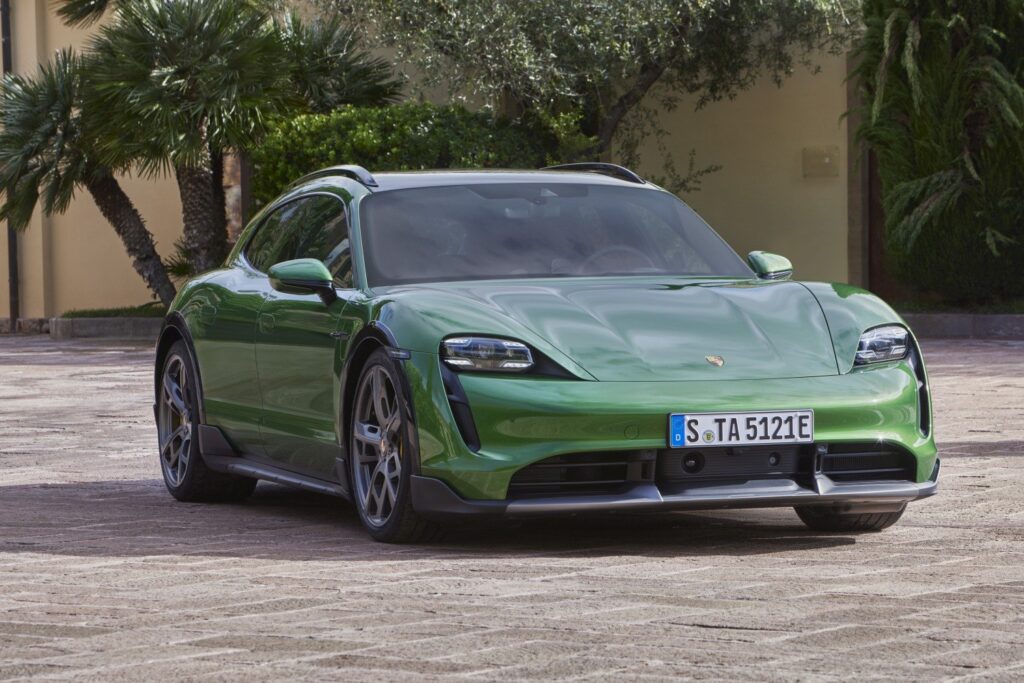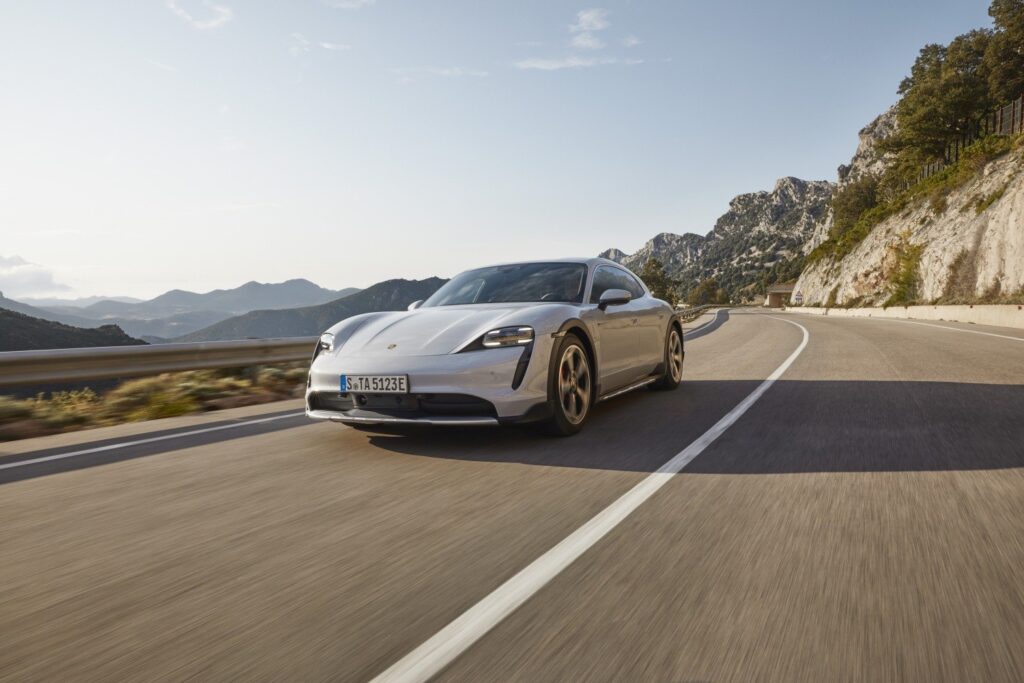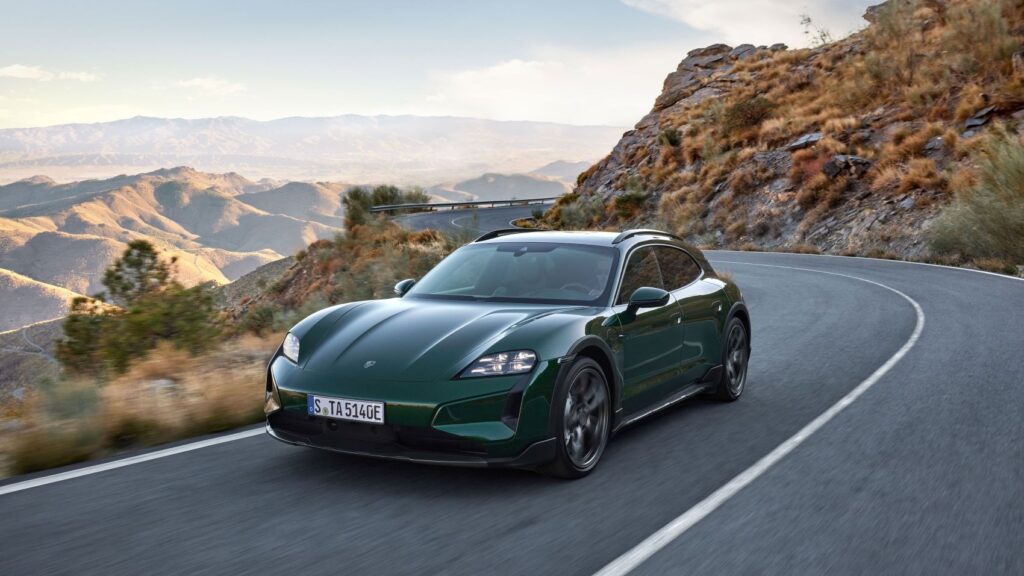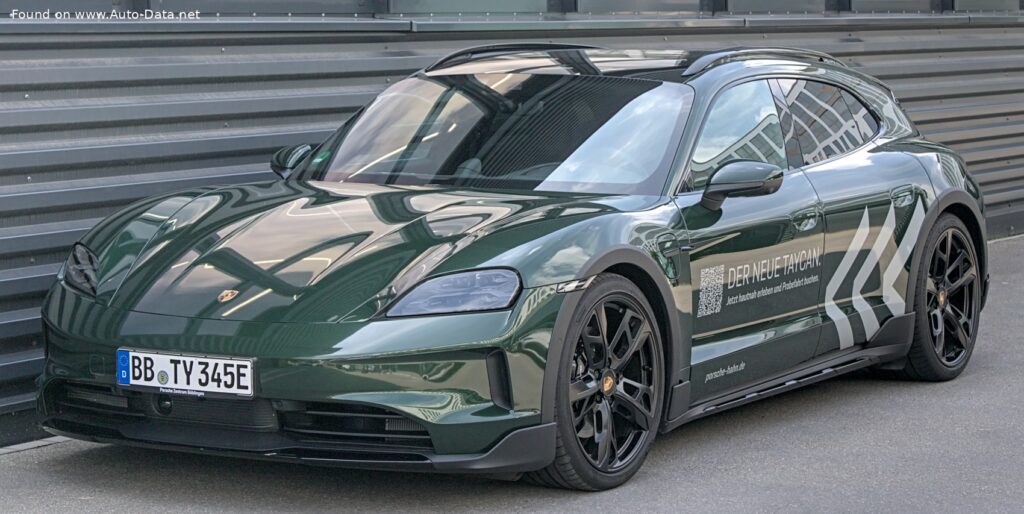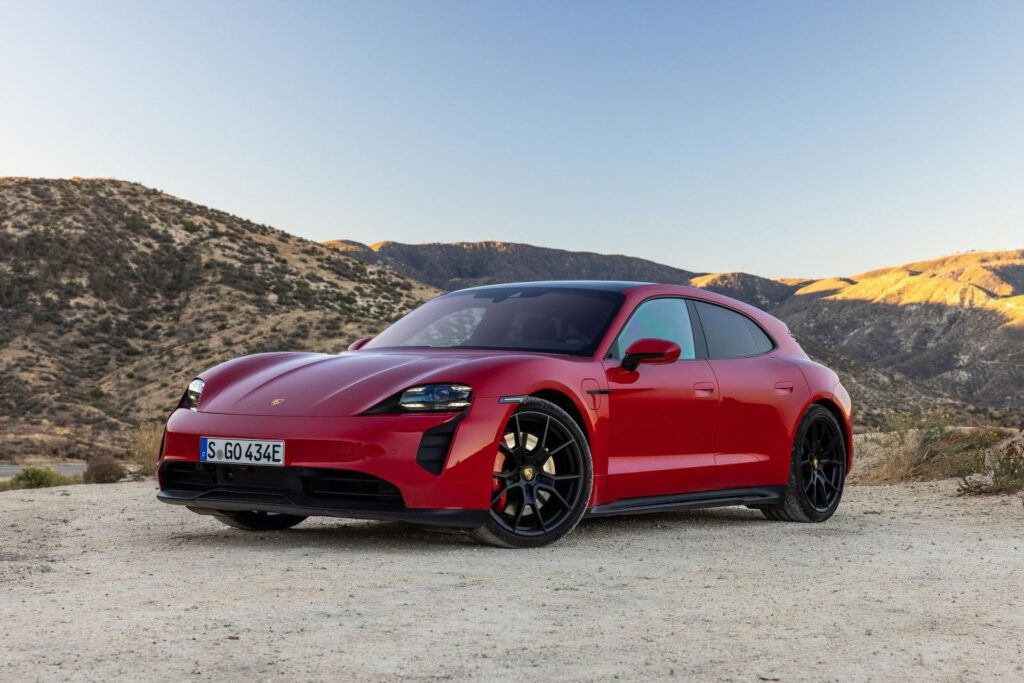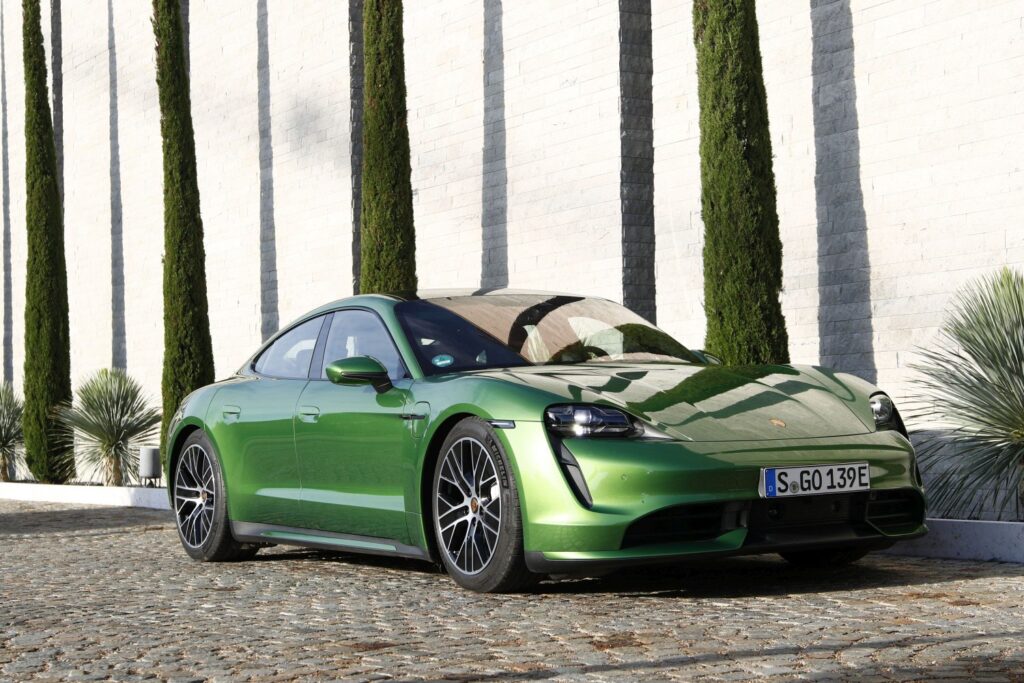
The Porsche Taycan Performance, introduced in 2021 as part of the first-generation (Y1A) Taycan lineup, represents an entry point into the all-electric Porsche experience. Positioned below the 4S and Turbo models, the Performance trim offered a balance of performance, range, and price, making it a compelling option for buyers seeking a sporty EV sedan. Production of this specific configuration continued through February 2024, solidifying its place as a foundational model within the Taycan family. The Taycan, as a whole, marked Porsche’s first foray into the all-electric vehicle market, built upon a dedicated platform designed to maximize electric drivetrain efficiency and driving dynamics.
Taycan Performance: Powertrain & Engine Architecture
The Taycan Performance is built around a fully electric powertrain (BEV). It utilizes a single permanently excited synchronous electric motor located on the rear axle, delivering 408 horsepower (Hp) and 345 Newton-meters (254.46 lb-ft) of torque. This rear-wheel-drive configuration distinguishes it from the dual-motor, all-wheel-drive variants available in higher Taycan trims. The electric motor, designated EBF, is transversely mounted.
Central to the Taycan’s architecture is its 800-volt electrical system. This high-voltage architecture allows for significantly faster charging times compared to the more common 400-volt systems found in many other EVs. The Taycan Performance features a gross battery capacity of 79.2 kWh, with a usable (net) capacity of 71 kWh. The battery pack utilizes lithium-ion (Li-Ion) technology and is positioned low in the vehicle floor, contributing to a low center of gravity and improved handling. The two-speed automatic transmission, a unique feature for an EV, provides both strong acceleration from a standstill and efficient high-speed cruising. The first gear is optimized for rapid acceleration, while the second gear enhances efficiency at higher speeds.
Charging and Range
The Taycan Performance supports DC fast charging at up to 270 kW, enabling a significant range boost in a short amount of time. Utilizing the WLTP (Worldwide Harmonised Light Vehicles Test Procedure) standard, the Taycan Performance achieves an all-electric range of 354 to 431 kilometers (219.97 to 267.81 miles). Energy consumption, measured under WLTP, ranges from 20.4 to 24.8 kWh per 100 kilometers (32.83 to 39.91 kWh per 100 miles), translating to an efficiency of 103-84 MPGe (miles per gallon equivalent) or 4.9-4 km/kWh. Under the older NEDC (New European Driving Cycle) standard, consumption is rated at 28 kWh/100km (45.06 kWh/100mi, 75 MPGe, 3.6 km/kWh).
Driving Characteristics
The Taycan Performance delivers brisk acceleration, achieving 0 to 100 km/h (0 to 62 mph) in 5.4 seconds and 0 to 60 mph in 5.1 seconds. While not as explosively quick as the higher-performance Taycan models, the Performance trim provides ample power for everyday driving and spirited acceleration. The rear-wheel-drive configuration contributes to a more engaging driving experience, particularly for drivers who appreciate a traditional sports car feel. The two-speed transmission works seamlessly, providing strong off-the-line acceleration and efficient cruising. The low center of gravity, thanks to the battery placement, results in minimal body roll and confident handling. Compared to the dual-motor Taycan 4S, the Performance model offers a slightly less aggressive driving experience but maintains the core Porsche driving dynamics.
Equipment & Trim Levels
The Taycan Performance came standard with a comprehensive suite of features, including Porsche Active Suspension Management (PASM), Porsche Communication Management (PCM) with a 10.9-inch touchscreen display, and a partial leather interior. Standard exterior features included LED headlights and 19-inch alloy wheels. Optional extras included a panoramic sunroof, adaptive cruise control, a premium sound system, and a wider range of interior upholstery options. The interior design emphasized a minimalist aesthetic, with a focus on digital displays and intuitive controls. While not as lavishly equipped as the higher trims, the Performance model offered a comfortable and well-appointed cabin.
Chassis & Braking
The Taycan Performance utilizes a double-wishbone front suspension and an independent multi-link rear suspension, optimized for both comfort and handling. Ventilated disc brakes are standard on all four wheels, with 360mm discs up front and 358mm discs at the rear. The braking system is augmented by Porsche’s Anti-lock Braking System (ABS) and features regenerative braking, which helps to recapture energy and extend the vehicle’s range. The Taycan also incorporates 4-wheel steering (4WS), an active rear steering system that enhances agility and stability, particularly at higher speeds. The steering system is electric power steering with a steering rack and pinion design.
Market Reception & Comparison
Critics generally praised the Taycan Performance for its engaging driving dynamics, fast charging capabilities, and comfortable interior. While some noted that the single-motor configuration didn’t deliver the same level of performance as the dual-motor models, the Performance trim was lauded for offering a compelling entry point into the Taycan lineup. Fuel economy (energy consumption) was consistently rated as excellent, particularly when compared to gasoline-powered sports sedans. Reliability reports have been generally positive, with few major issues reported. Compared to the Taycan 4S, the Performance model offered a more affordable price point, making it accessible to a wider range of buyers. However, the 4S provided superior acceleration and all-weather capability thanks to its all-wheel-drive system.
Technical Specifications
| Brand | Porsche |
| Model | Taycan |
| Generation | Taycan (Y1A) |
| Type | Performance 79.2 kWh (408 Hp) |
| Start of production | 2021 |
| End of production | February, 2024 |
| Powertrain Architecture | BEV (Electric Vehicle) |
| Body type | Sedan |
| Seats | 4 |
| Doors | 4 |
| Fuel Type | Electricity |
| Acceleration 0 – 100 km/h | 5.4 sec |
| Acceleration 0 – 62 mph | 5.4 sec |
| Acceleration 0 – 60 mph | 5.1 sec |
| Acceleration 0 – 200 km/h | 17.6 sec |
| Maximum speed | 230 km/h (142.92 mph) |
| Weight-to-power ratio | 5 kg/Hp, 199 Hp/tonne |
| Weight-to-torque ratio | 5.9 kg/Nm, 168.3 Nm/tonne |
| Gross battery capacity | 79.2 kWh |
| Net (usable) battery capacity | 71 kWh |
| Battery voltage | 800 V |
| Battery technology | Lithium-ion (Li-Ion) |
| Battery location | Below the floor |
| All-electric range (WLTP) | 354-431 km (219.97 – 267.81 mi) |
| Average Energy consumption (WLTP) | 20.4-24.8 kWh/100 km (32.83 – 39.91 kWh/100 mi) |
| Average Energy consumption (NEDC) | 28 kWh/100 km (45.06 kWh/100 mi) |
| Electric motor power | 408 Hp |
| Electric motor Torque | 345 Nm (254.46 lb.-ft.) |
| Electric motor model/code | EBF |
| Electric motor location | Rear axle, Transverse |
| Electric motor type | Synchronous |
| System power | 408 Hp |
| System torque | 345 Nm (254.46 lb.-ft.) |
| Kerb Weight | 2050 kg (4519.48 lbs.) |
| Max. weight | 2795 kg (6161.92 lbs.) |
| Max load | 745 kg (1642.44 lbs.) |
| Trunk (boot) space – minimum | 407 l (14.37 cu. ft.) |
| Length | 4963 mm (195.39 in.) |
| Width | 1966 mm (77.4 in.) |
| Height | 1395 mm (54.92 in.) |
| Wheelbase | 2900 mm (114.17 in.) |
| Number of gears and type of gearbox | 2 gears, automatic transmission |
Legacy
The Taycan Performance has proven to be a reliable and well-regarded EV in the used car market. The 800-volt architecture and robust battery management system contribute to long-term battery health. While battery degradation is a natural process for all EVs, the Taycan’s battery pack has demonstrated good longevity. The Performance trim remains a popular choice for buyers seeking a sporty and efficient electric sedan, offering a compelling combination of performance, range, and value. As the EV market continues to evolve, the Taycan Performance stands as a significant milestone in Porsche’s history, marking the brand’s successful transition into the electric age.