
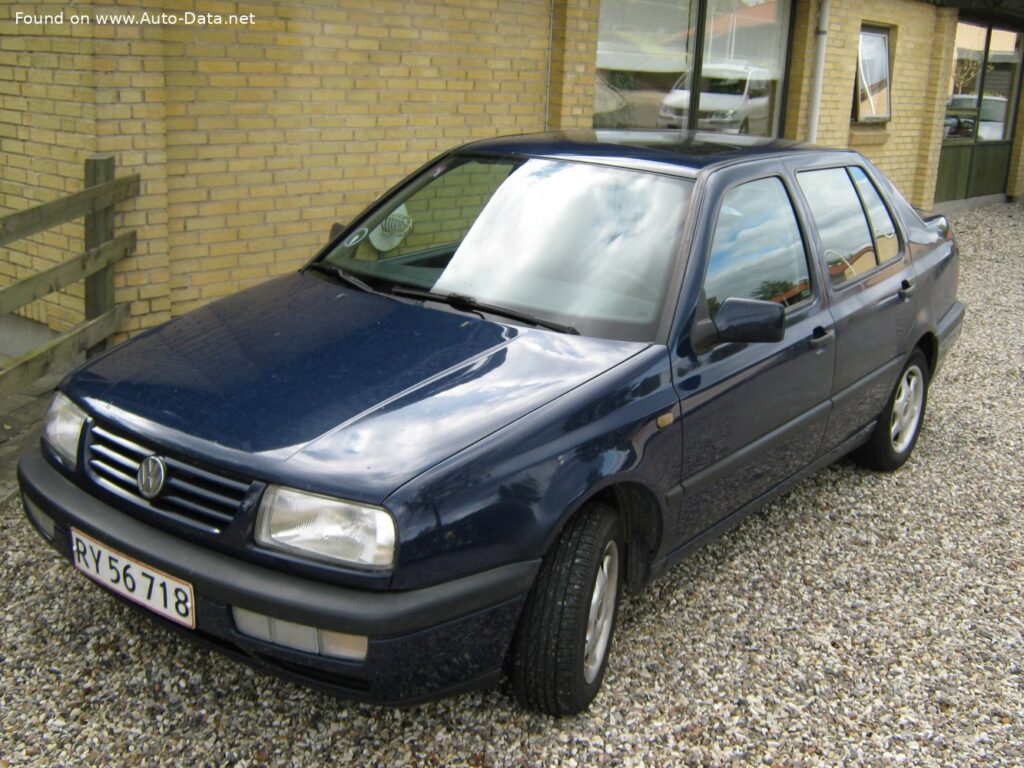
The Volkswagen Vento (1HX0) 2.8 VR6 Automatic, produced between 1992 and 1998, represented the performance-oriented top trim level of the Vento sedan range. Built on the Volkswagen Group’s A3 platform (also known as the 1HX0 chassis), the Vento was marketed as a more sophisticated and spacious alternative to the Golf, primarily aimed at markets outside of Europe where hatchback sales were less prevalent. The 2.8 VR6 Automatic variant offered a significant step up in power and refinement compared to the base models, positioning itself as a comfortable yet engaging family sedan. It was a popular choice for buyers seeking a blend of practicality and performance in a front-wheel-drive package.
The 2.8 VR6 Automatic: A Premium Offering
Within the Vento lineup, the 2.8 VR6 Automatic occupied the premium segment. Lower trims featured smaller displacement engines, typically inline-four configurations with varying horsepower outputs, and were often offered with manual transmissions. The VR6, with its unique engine layout and higher power output, was positioned as the flagship model. While a 1.8L 16V engine was available with an automatic transmission, it catered to a different buyer – one prioritizing fuel economy and affordability over outright performance. The VR6 Automatic appealed to drivers who desired a more spirited driving experience without sacrificing the convenience of an automatic gearbox.
Powertrain & Engine Architecture
The heart of the Vento 2.8 VR6 Automatic is the AAA engine code, a 2.8-liter naturally aspirated VR6 engine. This engine is notable for its 15-degree V-angle, which allows it to be relatively narrow, enabling it to fit into a front-wheel-drive chassis without significant modifications. The engine boasts a displacement of 2792 cm³ (170.38 cubic inches) and produces 174 horsepower at 5800 rpm and 235 Nm (173.33 lb-ft) of torque at 4200 rpm. It features multi-port fuel injection and an overhead camshaft (OHC) valvetrain with two valves per cylinder. The compression ratio is 10:1.
The engine is paired with a four-speed automatic transmission. This transmission, while not as sophisticated as modern automatics, was known for its durability and smooth operation. It featured standard torque converter technology and electronic control for optimized shift points. The gear ratios were tuned to balance acceleration and fuel efficiency, though the VR6’s inherent thirst for fuel meant that economy was not a primary focus. The transmission’s shift logic was designed to provide comfortable cruising and responsive downshifts when needed.
Engine Details
- Engine Code: AAA
- Displacement: 2792 cm³ (170.38 cu. in.)
- Configuration: VR6
- Fuel Injection: Multi-port
- Valvetrain: OHC, 2 valves/cylinder
Driving Characteristics
The Vento 2.8 VR6 Automatic offered a noticeably more engaging driving experience than its lower-powered siblings. The VR6 engine delivered strong acceleration, achieving 0-60 mph in approximately 8.3 seconds and a top speed of 221 km/h (137.32 mph). While not a sports car, the Vento VR6 provided ample power for overtaking and highway cruising. The automatic transmission, while smooth, did result in some power loss compared to the available five-speed manual transmission. The gear ratios were spaced to provide reasonable acceleration in each gear, but the four-speed unit lacked the close ratios found in more modern transmissions.
The engine’s torque curve was relatively flat, providing good pulling power throughout the rev range. This made the Vento VR6 Automatic a comfortable and effortless car to drive in everyday situations. However, drivers seeking maximum performance would find the manual transmission version more rewarding, as it allowed for greater control over gear selection and engine speed.
Equipment & Trim Levels
The 2.8 VR6 Automatic trim typically included a generous level of standard equipment. This often included power windows, power door locks, central locking, air conditioning, and an upgraded sound system. Interior upholstery was typically cloth, though leather options were available as an upgrade. The dashboard featured a comprehensive instrument cluster with gauges for speed, tachometer, fuel level, coolant temperature, and a trip computer. Optional extras included a sunroof, alloy wheels, and upgraded audio systems. Safety features included ABS (Anti-lock Braking System), which was becoming increasingly common on vehicles of this era.
Chassis & Braking
The Vento 2.8 VR6 Automatic utilized a front-wheel-drive chassis with independent wishbone suspension at the front and a semi-independent suspension with traction connecting levers at the rear. This suspension setup provided a comfortable ride quality while maintaining reasonable handling characteristics. The front brakes were ventilated discs, providing ample stopping power, while the rear brakes were solid discs. The steering was a hydraulic power steering system, offering light and precise control. Tire size was typically 205/50 R15, mounted on 6.5J x 15 inch wheel rims.
Market Reception & Comparison
The Vento 2.8 VR6 Automatic received generally positive reviews from automotive critics. It was praised for its smooth engine, comfortable ride, and generous equipment levels. However, some critics noted the relatively high fuel consumption and the lack of a more modern automatic transmission. Compared to other trims in the Vento lineup, the VR6 Automatic offered a significant performance advantage but came at a higher price point. It competed with other mid-size sedans such as the Ford Mondeo, Opel Vectra, and Honda Accord, offering a unique blend of German engineering and performance.
Reliability was generally good, although the VR6 engine could be prone to oil leaks as it aged. The automatic transmission was generally durable, but regular maintenance was essential to ensure its longevity. Fuel economy was a weak point, with combined fuel consumption averaging around 9.5 l/100 km (24.8 US mpg).
Technical Specifications
| Brand | Volkswagen |
| Model | Vento |
| Generation | Vento (1HX0) |
| Type | 2.8 VR6 (174 Hp) Automatic |
| Start of production | 1992 |
| End of production | 1998 |
| Engine Type | Internal Combustion engine |
| Body type | Sedan |
| Seats | 5 |
| Doors | 4 |
| Fuel consumption (urban) | 14.3 l/100 km (16.4 US mpg) |
| Fuel consumption (extra urban) | 7.9 l/100 km (29.8 US mpg) |
| Fuel consumption (combined) | 9.5 l/100 km (24.8 US mpg) |
| Fuel Type | Petrol (Gasoline) |
| Acceleration 0-100 km/h | 8.7 sec |
| Acceleration 0-62 mph | 8.7 sec |
| Acceleration 0-60 mph | 8.3 sec |
| Maximum speed | 221 km/h (137.32 mph) |
| Power | 174 Hp @ 5800 rpm |
| Torque | 235 Nm @ 4200 rpm (173.33 lb.-ft. @ 4200 rpm) |
| Engine Displacement | 2792 cm3 (170.38 cu. in.) |
| Kerb Weight | 1340 kg (2954.19 lbs) |
| Max. weight | 1725 kg (3802.97 lbs) |
| Trunk space (min) | 500 l (17.66 cu. ft.) |
| Trunk space (max) | 885 l (31.25 cu. ft.) |
| Fuel tank capacity | 55 l (14.53 US gal) |
| Length | 4380 mm (172.44 in) |
| Width | 1710 mm (67.32 in) |
| Height | 1405 mm (55.31 in) |
| Wheelbase | 2475 mm (97.44 in) |
| Gearbox | 4 gears, automatic transmission |
Legacy
The Volkswagen Vento 2.8 VR6 Automatic remains a popular choice among enthusiasts and collectors today. The VR6 engine is known for its distinctive sound and relatively robust construction. While maintenance costs can be higher than for more common engines, the VR6’s performance and character make it a desirable powerplant. The automatic transmission, while not as sporty as a manual, adds to the car’s appeal for drivers seeking a comfortable and convenient driving experience. Well-maintained examples of the Vento 2.8 VR6 Automatic are becoming increasingly rare, and their value is steadily appreciating in the used car market.
