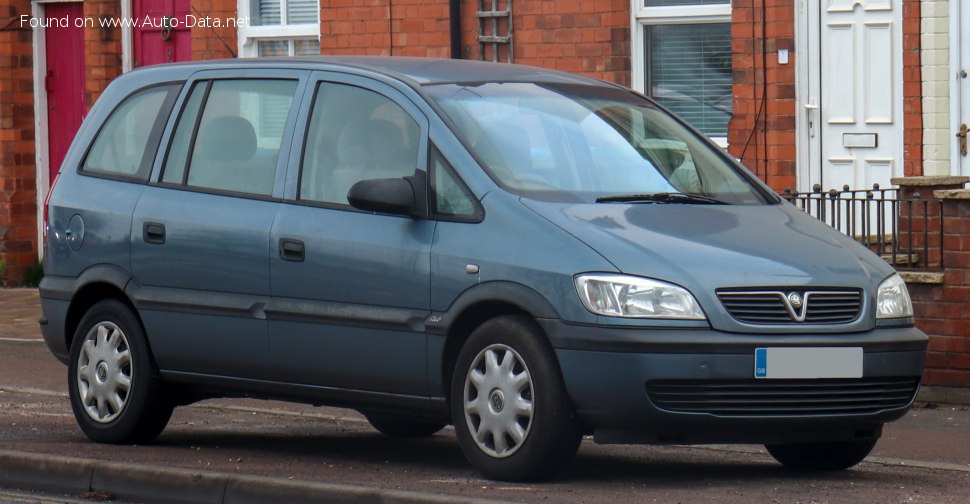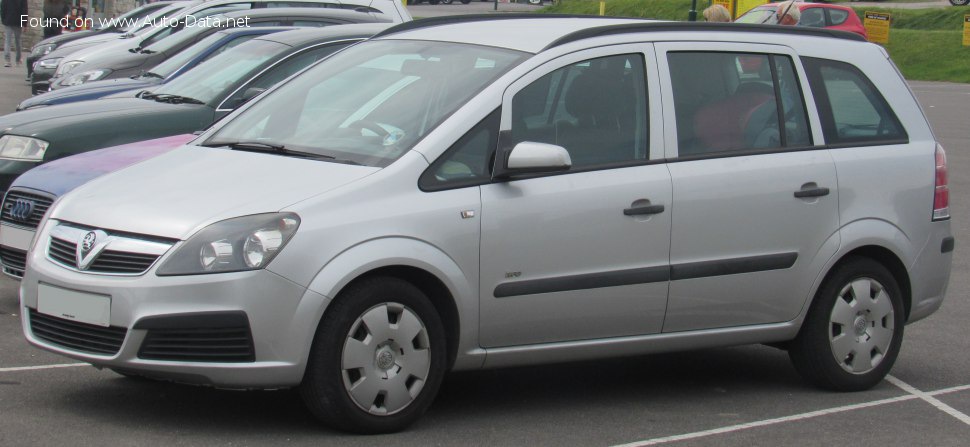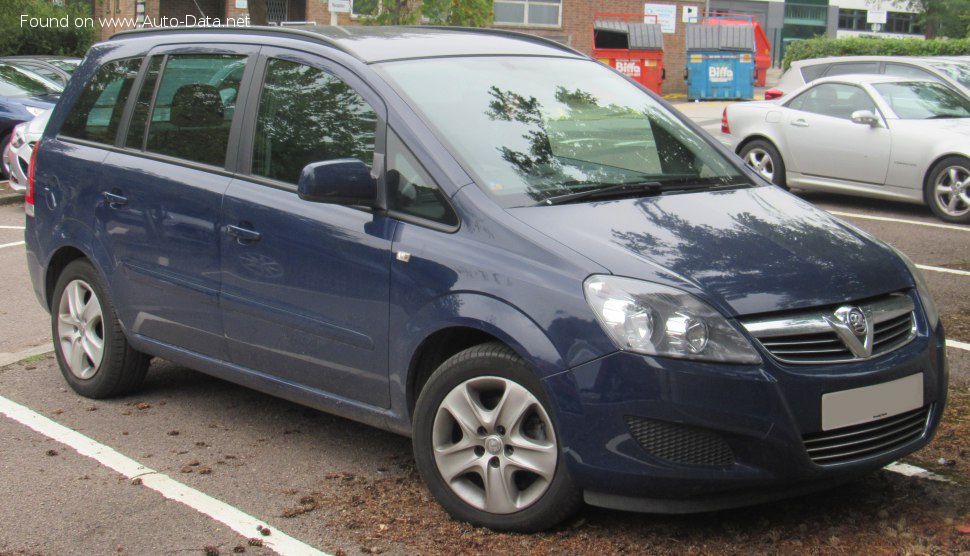
The Vauxhall Zafira B (facelift, introduced in 2008) 1.7 DTR, producing 110 horsepower, was a key variant within the second generation of the Zafira minivan. Positioned as a mid-range offering, it aimed to balance affordability with reasonable performance and fuel economy for family transport. Production of this specific configuration ran from 2008 to 2011, falling within the broader Zafira B lifecycle which utilized the GM Delta platform. This facelift brought revised styling, improved interior materials, and updated engine options compared to the pre-2008 Zafira B models. The 1.7 DTR was particularly significant as it offered a diesel option with a power output suitable for everyday driving, appealing to buyers prioritizing fuel efficiency and lower running costs.
1.7 DTR Powertrain & Engine Architecture
The heart of the Zafira B 1.7 DTR is the A17DTJ engine, a 1.7-liter inline-four cylinder diesel engine. This engine is a member of the GM/Fiat family of common rail diesel engines, known for its relatively compact size and efficiency. It features a single overhead camshaft (SOHC) valvetrain with four valves per cylinder, contributing to improved breathing and power delivery. The engine utilizes a turbocharger with an intercooler to increase power output and torque. The common rail direct injection system, supplied by Bosch, delivers fuel directly into the combustion chamber at extremely high pressure, optimizing combustion and reducing emissions. The A17DTJ produces 110 hp at 3800 rpm and 260 Nm (191.77 lb-ft) of torque at 2300 rpm. The engine’s displacement is 1686 cm³ (102.89 cubic inches) and it operates with a compression ratio of 18:1. The engine requires 5.4 liters (5.71 US quarts / 4.75 UK quarts) of engine oil, specified to meet manufacturer standards. A diesel particulate filter (DPF) was included as standard equipment to meet Euro 5 emission standards.
Transmission
The 1.7 DTR Zafira B was exclusively offered with a six-speed manual transmission. This gearbox was chosen to maximize fuel efficiency and provide a more engaging driving experience compared to an automatic option, which was not available with this engine. The gear ratios were tuned to provide a balance between acceleration and cruising comfort. First gear was relatively short for quick take-offs, while fifth and sixth gears were designed for efficient highway cruising. The transmission’s shift quality was generally considered smooth and precise, although some drivers noted a slightly longer throw compared to some competitors.
Driving Characteristics
The Zafira B 1.7 DTR offered a practical and comfortable driving experience. While not a performance-oriented vehicle, the 110 hp engine and 260 Nm of torque provided adequate power for everyday driving situations, including carrying a full load of passengers and luggage. Acceleration from 0 to 60 mph was typically around 11.5-12.5 seconds, and top speed was approximately 115 mph. The engine’s torque peak at 2300 rpm meant that strong pulling power was available from relatively low engine speeds, making it easy to overtake and maintain speed on inclines. Compared to the more powerful 2.0-liter diesel variants, the 1.7 DTR felt less strained during acceleration, but also lacked the same level of outright performance. The manual transmission allowed for greater driver control and contributed to improved fuel economy. The Zafira B’s suspension, tuned for comfort, absorbed bumps and imperfections in the road well, providing a relatively smooth ride. However, this did result in some body roll during cornering.
Equipment & Trim Levels
The 1.7 DTR trim level of the Zafira B facelift typically included a good level of standard equipment. Key features included air conditioning, electric front windows, central locking, a CD/radio stereo system, and driver and passenger airbags. The interior upholstery was typically cloth, with a durable and practical finish. The dashboard layout was functional and user-friendly, with clearly labeled controls. Optional extras available for the 1.7 DTR included alloy wheels, parking sensors, a panoramic sunroof, and upgraded audio systems. Higher trim levels, such as the Design and SE, offered additional features like climate control, cruise control, and leather upholstery, but came at a higher price point. The Zafira B was renowned for its flexible seating arrangement, offering seven seats as standard, with the rear seats capable of being folded flat or removed entirely to maximize cargo space.
Chassis & Braking
The Zafira B 1.7 DTR utilized a MacPherson strut front suspension and a semi-independent torsion beam rear suspension. This setup provided a good balance between ride comfort and handling. The front suspension featured a stabilizer bar to reduce body roll, while the rear suspension was designed to maximize space efficiency. The braking system consisted of ventilated disc brakes on the front wheels and drum brakes on the rear wheels. Anti-lock Braking System (ABS) was standard equipment, enhancing braking performance and stability, particularly in adverse conditions. The steering system was a rack and pinion type, providing precise and responsive steering feel. The Zafira B’s chassis was designed to accommodate the weight of passengers and luggage while maintaining a stable and predictable handling characteristic.
Market Reception & Comparison
The Vauxhall Zafira B 1.7 DTR was generally well-received by automotive critics as a practical and affordable family vehicle. It was praised for its spacious interior, flexible seating arrangement, and fuel-efficient diesel engine. Critics noted that the 1.7-liter engine, while adequate for most driving situations, lacked the punch of the larger 2.0-liter diesel options. However, the 1.7 DTR offered significantly better fuel economy, achieving approximately 5.1 l/100 km (46.1 US mpg / 55.4 UK mpg) on the combined cycle. Compared to competitors such as the Ford C-Max and Renault Scenic, the Zafira B offered a more spacious interior and a more versatile seating configuration. Reliability was generally considered good, although some owners reported issues with the diesel particulate filter (DPF) and the electronic parking brake. The Zafira B 1.7 DTR represented a compelling value proposition for families seeking a practical and economical minivan.
Technical Specifications
| Brand | Vauxhall |
| Model | Zafira |
| Generation | Zafira B (facelift 2008) |
| Type (Engine) | 1.7 DTR (110 Hp) |
| Start of production | 2008 |
| End of production | 2011 |
| Powertrain Architecture | Internal Combustion Engine |
| Body type | Minivan |
| Seats | 7 |
| Doors | 5 |
| Fuel consumption (urban) | 6.1 l/100 km (38.6 US mpg / 46.3 UK mpg) |
| Fuel consumption (extra urban) | 4.5 l/100 km (52.3 US mpg / 62.8 UK mpg) |
| Fuel consumption (combined) | 5.1 l/100 km (46.1 US mpg / 55.4 UK mpg) |
| Fuel Type | Diesel |
| Emission standard | Euro 5 |
| Weight-to-power ratio | 15.8 kg/Hp |
| Weight-to-torque ratio | 6.7 kg/Nm |
| Power | 110 Hp @ 3800 rpm |
| Torque | 260 Nm @ 2300 rpm (191.77 lb.-ft. @ 2300 rpm) |
| Engine layout | Front, Transverse |
| Engine Model/Code | A17DTJ |
| Engine displacement | 1686 cm³ (102.89 cu. in.) |
| Number of cylinders | 4 |
| Engine configuration | Inline |
| Compression ratio | 18:1 |
| Number of valves per cylinder | 4 |
| Fuel injection system | Diesel Commonrail |
| Engine oil capacity | 5.4 l (5.71 US qt / 4.75 UK qt) |
| Coolant capacity | 7.1 l (7.5 US qt / 6.25 UK qt) |
| Kerb Weight | 1735 kg (3825.02 lbs.) |
| Max. weight | 2305 kg (5081.66 lbs.) |
| Max load | 570 kg (1256.63 lbs.) |
| Trunk (boot) space – minimum | 140 l (4.94 cu. ft.) |
| Trunk (boot) space – maximum | 1820 l (64.27 cu. ft.) |
| Fuel tank capacity | 58 l (15.32 US gal / 12.76 UK gal) |
| Length | 4467 mm (175.87 in.) |
| Width | 2025 mm (79.72 in.) |
| Height | 1635 mm (64.37 in.) |
| Wheelbase | 2703 mm (106.42 in.) |
| Number of gears | 6 |
| Gearbox type | Manual |
Legacy
The Zafira B 1.7 DTR, while not the most powerful variant, has proven to be a relatively reliable and durable powertrain. The A17DTJ engine, when properly maintained, can withstand high mileage. Common issues, such as DPF blockages, can often be prevented with regular servicing and occasional long-distance drives. On the used car market, the 1.7 DTR Zafira B represents a budget-friendly option for families seeking a spacious and practical minivan. Its fuel efficiency and relatively low running costs make it an attractive alternative to higher-powered, more expensive models. While it may lack the refinement and performance of some competitors, the Zafira B 1.7 DTR remains a popular choice for those prioritizing practicality and value.