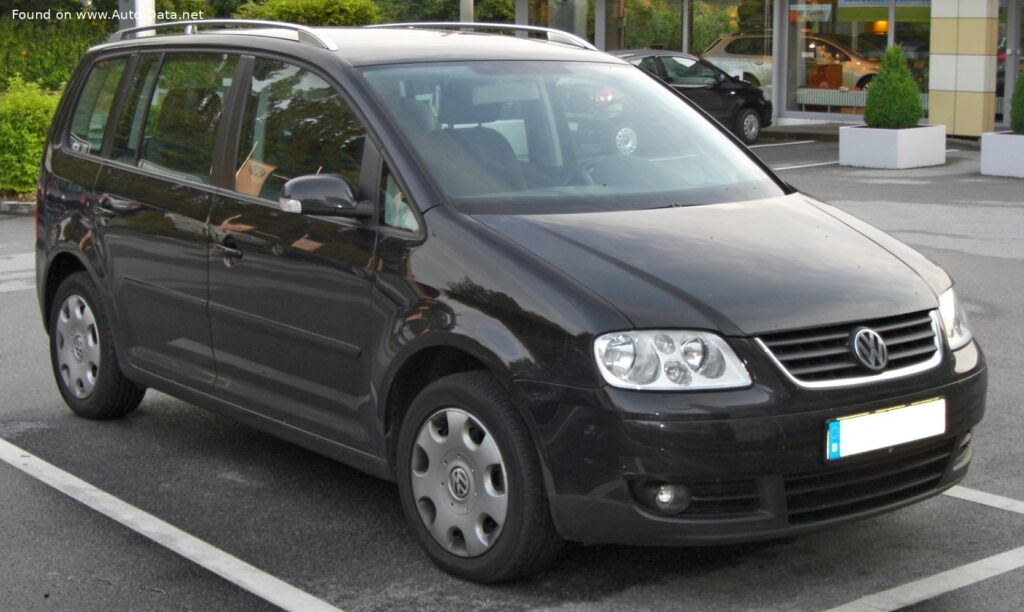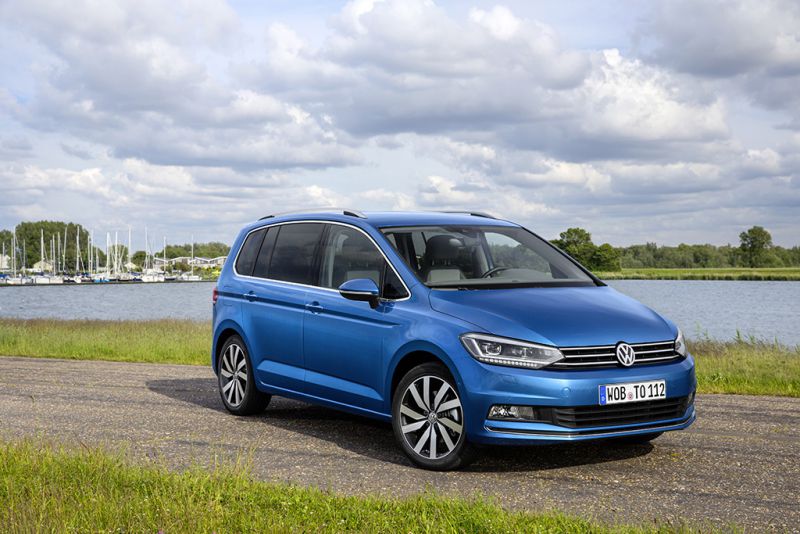
The Volkswagen Touran II 1.6 TDI (110 hp) with a Direct-Shift Gearbox (DSG) was a popular configuration of the second-generation Touran minivan, produced from 2015 to 2016. Positioned as an entry-level to mid-range option within the Touran II lineup, it offered a balance of fuel efficiency, practicality, and affordability. The Touran II, built on the Volkswagen Group’s PQ24 platform (also known as the A5 platform), aimed to provide a versatile and spacious vehicle for families, competing with other compact MPVs in the European market.
Powertrain & Engine Architecture
The heart of the Touran II 1.6 TDI was the CRKB engine, a 1.6-liter inline four-cylinder diesel engine. This engine was part of Volkswagen’s modular engine family, designed for efficiency and reduced emissions. It featured a common rail direct fuel injection system, delivering fuel directly into the combustion chamber at extremely high pressure. This system, coupled with a turbocharger and intercooler, allowed for a good compromise between power and fuel economy. The engine produced 110 horsepower (82 kW) at 3200-4000 rpm and 250 Nm (184 lb-ft) of torque between 1500-3000 rpm.
The CRKB engine also incorporated a diesel particulate filter (DPF) to reduce soot emissions, meeting the stringent Euro 6 emission standards. The valvetrain utilized four valves per cylinder, enhancing breathing and contributing to the engine’s overall efficiency. The engine was transversely mounted in the front of the vehicle.
Paired with the 1.6 TDI engine was Volkswagen’s 7-speed DSG (Direct-Shift Gearbox). This dual-clutch transmission offered quick and smooth gear changes, contributing to a more refined driving experience compared to a traditional automatic transmission. The DSG’s programming was tuned for fuel efficiency and comfortable cruising, prioritizing smooth transitions over aggressive acceleration.
Engine Codes and Variations
While the CRKB was the primary engine code for this variant, slight variations existed depending on the specific market. These variations primarily concerned minor adjustments to engine management software to comply with local emission regulations. However, the core engine architecture and performance characteristics remained largely consistent.
Driving Characteristics
The Touran II 1.6 TDI DSG offered a comfortable and practical driving experience, but it wasn’t designed for outright performance. Acceleration from 0 to 100 km/h (0-62 mph) took approximately 11.9 seconds, and top speed was limited to 187 km/h (116 mph). Compared to the more powerful 2.0 TDI variants or the petrol-powered Tourans, the 1.6 TDI felt noticeably slower, particularly when fully loaded with passengers and luggage.
The DSG transmission helped to mitigate some of the engine’s limitations by keeping it within its optimal power band. The gear ratios were optimized for fuel efficiency, with taller gearing in higher gears for relaxed highway cruising. However, overtaking maneuvers required careful planning, and the engine could feel strained when climbing steep hills. The front-wheel-drive configuration provided adequate traction in most conditions, but it wasn’t ideal for challenging terrain.
Equipment & Trim Levels
The Touran II 1.6 TDI DSG typically came with a reasonable level of standard equipment, focusing on practicality and comfort. Standard features generally included air conditioning, power windows, central locking, a basic audio system with USB connectivity, and driver and passenger airbags. Interior upholstery was typically cloth, with a functional and durable design.
Higher trim levels, often designated as ‘Trendline’ or ‘Comfortline’, added features such as alloy wheels, a more advanced infotainment system with a touchscreen display, rear parking sensors, cruise control, and automatic climate control. Optional extras included a panoramic sunroof, leather upholstery, and a navigation system. The Touran II was available in both five-seat and seven-seat configurations, with the seven-seat option offering increased versatility for larger families.
Chassis & Braking
The Touran II’s chassis was designed to provide a comfortable ride and stable handling. The front suspension utilized an independent multi-link setup, while the rear suspension employed an independent coil spring arrangement. This configuration helped to absorb bumps and irregularities in the road surface, providing a smooth and controlled ride. Stabilizer bars were fitted to both the front and rear axles to reduce body roll during cornering.
Braking duties were handled by ventilated discs on the front wheels and solid discs on the rear wheels. The braking system was equipped with ABS (Anti-lock Braking System) and electronic brake-force distribution (EBD) to enhance safety and stability. The power steering was electrically assisted, providing light and precise steering feel.
Market Reception & Comparison
The Touran II 1.6 TDI DSG was generally well-received by critics as a practical and fuel-efficient family vehicle. It was praised for its spacious interior, comfortable ride, and versatile seating configurations. However, some reviewers noted that the 1.6 TDI engine felt underpowered, particularly when the vehicle was fully loaded.
Compared to the more powerful 2.0 TDI variants, the 1.6 TDI offered significantly better fuel economy, achieving combined fuel consumption figures of 4.2-4.4 l/100 km (53.5-56 US mpg). However, the 2.0 TDI models provided noticeably stronger acceleration and were better suited for long-distance highway driving. The 1.6 TDI also offered a more affordable price point, making it an attractive option for budget-conscious buyers. Compared to petrol-powered Tourans, the 1.6 TDI offered superior fuel economy and torque, but it lacked the refinement and responsiveness of the petrol engines.
Technical Specifications
| Engine Type | 1.6L Inline-4 Diesel Turbo |
| Engine Code | CRKB |
| Displacement | 1598 cm³ (97.52 cu in) |
| Power | 110 hp @ 3200-4000 rpm |
| Torque | 250 Nm (184 lb-ft) @ 1500-3000 rpm |
| Fuel Injection | Diesel Commonrail |
| Transmission | 7-speed DSG |
| Drive Type | Front-Wheel Drive |
| Acceleration 0-100 km/h | 11.9 seconds |
| Top Speed | 187 km/h (116 mph) |
| Fuel Consumption (Combined) | 4.2-4.4 l/100 km (53.5-56 US mpg) |
| CO2 Emissions | 109-114 g/km |
| Kerb Weight | 1485 kg (3274 lbs) |
| Fuel Tank Capacity | 58 liters (15.3 US gallons) |
| Length | 4527 mm (178.2 in) |
| Width | 1829 mm (72.0 in) |
| Height | 1659 mm (65.3 in) |
Legacy
The Volkswagen Touran II 1.6 TDI DSG, while not the most powerful variant, proved to be a reliable and economical choice for many families. The CRKB engine, when properly maintained, is known for its durability and longevity. However, like all diesel engines, it is susceptible to issues with the DPF if not driven on longer journeys regularly. The DSG transmission, while generally reliable, requires regular servicing to ensure smooth operation.
In the used car market, the Touran II 1.6 TDI DSG remains a popular option, particularly for buyers seeking a practical and affordable MPV. Its fuel efficiency and spacious interior continue to appeal to families, and its relatively low running costs make it an attractive proposition. However, potential buyers should be aware of the potential maintenance costs associated with the DPF and DSG transmission and ensure that the vehicle has been properly serviced throughout its life.