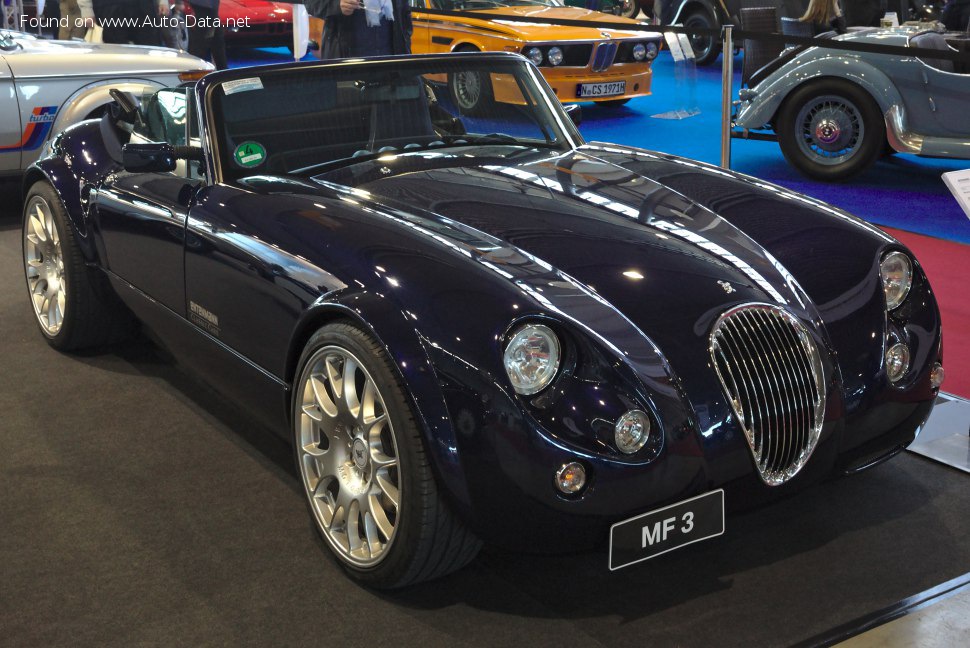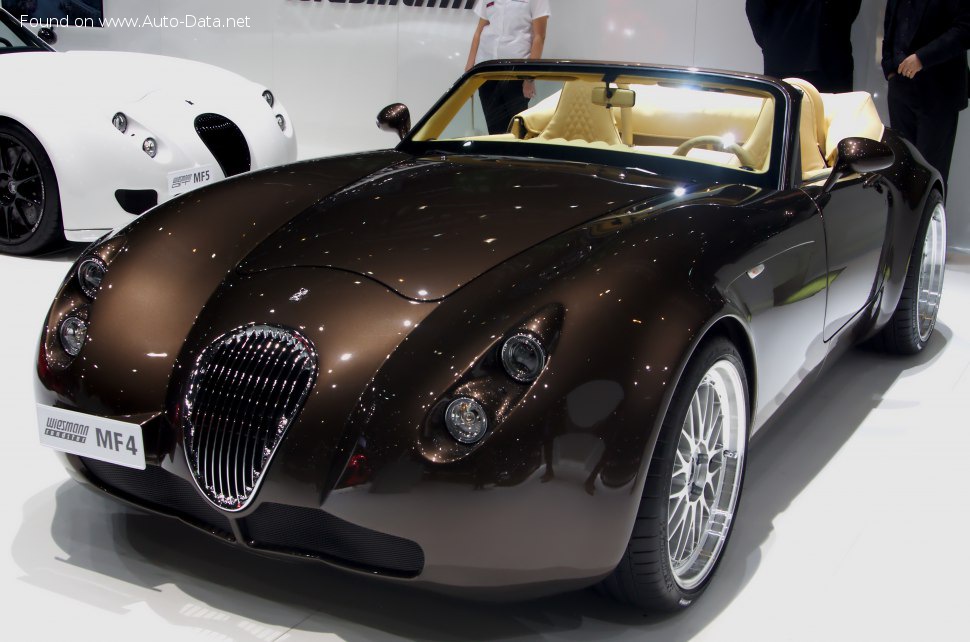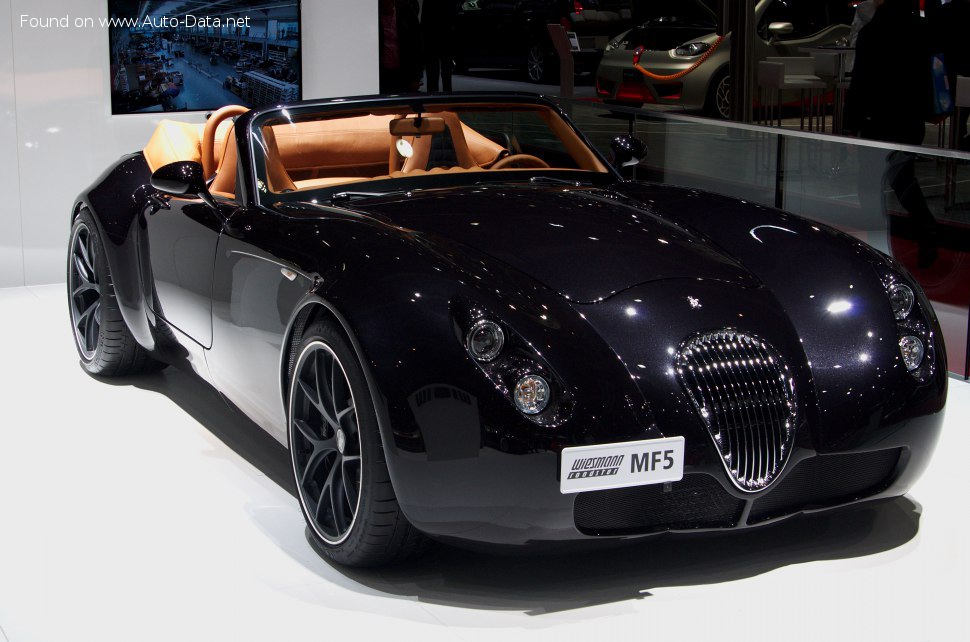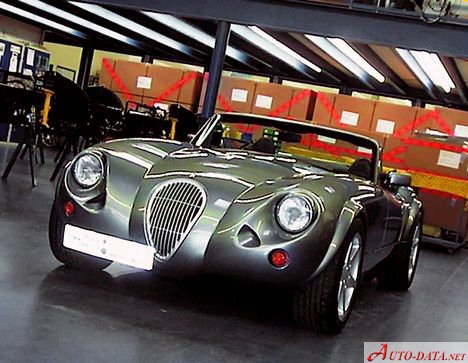
The Wiesmann Roadster 2.8i 24V, produced between 1993 and 2005, represents the initial offering from the German manufacturer Wiesmann. This model established the company’s reputation for handcrafted, British-inspired roadsters with German engineering. Built on a modified BMW E36 platform (though heavily customized), the 2.8i 24V served as the foundation for all subsequent Wiesmann Roadster models. It was designed to offer a unique blend of classic aesthetics, modern performance, and bespoke craftsmanship, appealing to enthusiasts seeking an alternative to mainstream sports cars.
Wiesmann Roadster 2.8i 24V: Overview and Positioning
The 2.8i 24V was the sole model offered by Wiesmann for the first several years of production. It occupied a niche position in the sports car market, deliberately avoiding direct competition with high-volume manufacturers. Instead, it targeted buyers who desired exclusivity and a personalized driving experience. The Roadster’s design heavily borrowed from the classic British roadster formula, particularly the MG and Jaguar models of the 1950s and 60s, but with a distinctly modern and German execution. It was positioned as a premium, hand-built alternative, commanding a significantly higher price point than many of its contemporaries.
Evolution of the Roadster Line
As Wiesmann expanded its lineup, the 2.8i 24V remained the entry point to the Roadster family for a considerable period. Later models included variants with larger engines, such as the 3.2i and 3.7i, offering increased performance. The 2.8i 24V, however, retained its appeal for drivers who prioritized balanced handling and a more accessible power delivery over outright speed. It represented the purest expression of the original Wiesmann Roadster concept.
Powertrain & Engine Architecture
The heart of the Wiesmann Roadster 2.8i 24V is the BMW M52 inline-six engine, specifically the 2.8-liter (2793 cc) variant. This engine, designated with engine code M52B28, is a naturally aspirated, 24-valve powerplant. It features multi-port fuel injection and a double overhead camshaft (DOHC) valvetrain. The engine produces 193 horsepower at 5300 rpm and 280 Nm (206.52 lb-ft) of torque at 3950 rpm. The bore and stroke are both 84mm, resulting in a relatively square engine configuration.
Engine Details and Characteristics
The M52B28 is known for its smooth power delivery and robust construction. The 10.2:1 compression ratio contributes to its efficiency and responsiveness. While not a high-revving engine like some of its contemporaries, it provides ample torque throughout the rev range, making it well-suited for spirited driving. The engine’s relatively lightweight construction also contributes to the Roadster’s favorable weight-to-power ratio of 5.2 kg/hp.
Transmission
The Wiesmann Roadster 2.8i 24V was primarily equipped with a 5-speed manual transmission sourced from BMW. This transmission is known for its precise shift quality and durability. While an automatic transmission was offered as an option, it was less common and generally considered to detract from the driving experience. The manual transmission’s gear ratios are tailored to provide a balance between acceleration and cruising efficiency.
Driving Characteristics
The Wiesmann Roadster 2.8i 24V delivers a driving experience that emphasizes balance and engagement. The combination of the lightweight chassis, responsive engine, and precise steering results in a nimble and enjoyable car to drive. Acceleration from 0 to 60 mph is typically achieved in around 5.7 seconds, while 0-100 km/h takes approximately 6 seconds. Top speed is rated at 225 km/h (139.81 mph).
Handling and Ride Quality
The Roadster’s suspension, featuring spring struts at the front and a transverse stabilizer at the rear, provides a firm but compliant ride. The car exhibits minimal body roll in corners, inspiring confidence. The rear-wheel-drive configuration contributes to its balanced handling characteristics. Compared to later, more powerful Wiesmann models, the 2.8i 24V offers a more forgiving and accessible driving experience, making it suitable for both novice and experienced drivers.
Equipment & Trim Levels
The Wiesmann Roadster 2.8i 24V was offered with a relatively high level of standard equipment, reflecting its premium positioning. Standard features typically included leather upholstery, power windows, central locking, and an aftermarket stereo system. The interior design was minimalist and focused on functionality, with a clear emphasis on driver comfort.
Customization Options
Wiesmann offered a wide range of customization options, allowing buyers to personalize their Roadsters to a significant degree. These options included different leather colors, wood trim choices, and bespoke paint finishes. Buyers could also specify upgrades such as air conditioning, upgraded audio systems, and sport suspension components. This level of customization was a key selling point for Wiesmann, appealing to customers who desired a truly unique vehicle.
Chassis & Braking
The Wiesmann Roadster 2.8i 24V utilizes a modified BMW E36 chassis, extensively reinforced and customized to improve rigidity and handling. The car’s kerb weight of 995 kg (2193.6 lbs) contributes to its agility. The suspension system is designed to provide a balance between comfort and performance.
Braking System
The Roadster is equipped with ventilated discs at the front and solid discs at the rear, providing ample stopping power. An Anti-lock Braking System (ABS) is standard, enhancing safety and control. The braking system is well-matched to the car’s performance capabilities, offering consistent and reliable stopping performance.
Market Reception & Comparison
The Wiesmann Roadster 2.8i 24V received generally positive reviews from automotive critics. It was praised for its unique styling, engaging driving dynamics, and high level of craftsmanship. However, some critics noted its relatively high price and limited practicality. Compared to other roadsters of the era, such as the Mazda MX-5 and BMW Z3, the Wiesmann offered a more luxurious and exclusive experience, but at a significantly higher cost.
Fuel Economy and Reliability
Fuel consumption for the Wiesmann Roadster 2.8i 24V is rated at 9.2 l/100 km (25.6 US mpg, 30.7 UK mpg, 10.9 km/l). The BMW M52 engine is known for its reliability, provided it is properly maintained. Regular servicing and adherence to recommended maintenance schedules are essential to ensure long-term durability.
Technical Specifications
| Body Type | Roadster, 2 Doors, 2 Seats |
| Fuel Economy (Combined) | 9.2 l/100 km (25.6 US mpg, 30.7 UK mpg, 10.9 km/l) |
| Fuel Type | Petrol (Gasoline) |
| Acceleration 0-100 km/h | 6 sec |
| Acceleration 0-62 mph | 6 sec |
| Acceleration 0-60 mph | 5.7 sec |
| Maximum Speed | 225 km/h (139.81 mph) |
| Weight-to-Power Ratio | 5.2 kg/Hp |
| Engine Displacement | 2793 cm3 (170.44 cu. in.) |
| Number of Cylinders | 6, Inline |
| Cylinder Bore | 84 mm (3.31 in.) |
| Piston Stroke | 84 mm (3.31 in.) |
| Compression Ratio | 10.2:1 |
| Number of Valves per Cylinder | 4 |
| Fuel Injection System | Multi-port manifold injection |
| Engine Aspiration | Naturally aspirated |
| Valvetrain | DOHC |
| Kerb Weight | 995 kg (2193.6 lbs.) |
| Fuel Tank Capacity | 60 l (15.85 US gal | 13.2 UK gal) |
| Length | 3860 mm (151.97 in.) |
| Width | 1750 mm (68.9 in.) |
| Height | 1160 mm (45.67 in.) |
| Wheelbase | 2450 mm (96.46 in.) |
| Drivetrain Architecture | Rear wheel drive |
| Number of Gears & Type | 5 gears, manual transmission |
| Front Suspension | Spring Strut |
| Rear Suspension | Transverse stabilizer |
| Front Brakes | Ventilated discs |
| Rear Brakes | Disc |
| Assisting Systems | ABS (Anti-lock braking system) |
| Steering Type | Steering rack and pinion |
| Power Steering | Hydraulic Steering |
| Tire Size | 215/50 R17 |
| Wheel Rim Size | 17 |
Legacy
The Wiesmann Roadster 2.8i 24V laid the foundation for a successful niche manufacturer. The M52B28 engine, when properly maintained, has proven to be a durable and reliable powerplant. On the used car market, these early Roadsters are increasingly sought after by collectors and enthusiasts who appreciate their unique blend of classic styling and modern engineering. While maintenance costs can be higher than more mainstream sports cars, the exclusivity and driving experience offered by the 2.8i 24V continue to make it a desirable and rewarding vehicle.