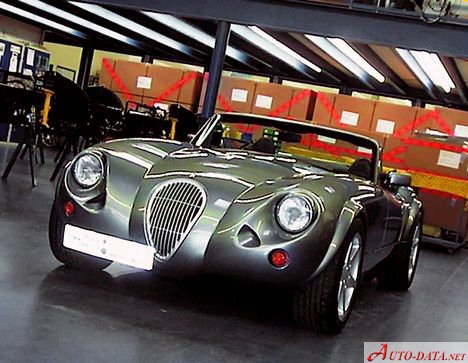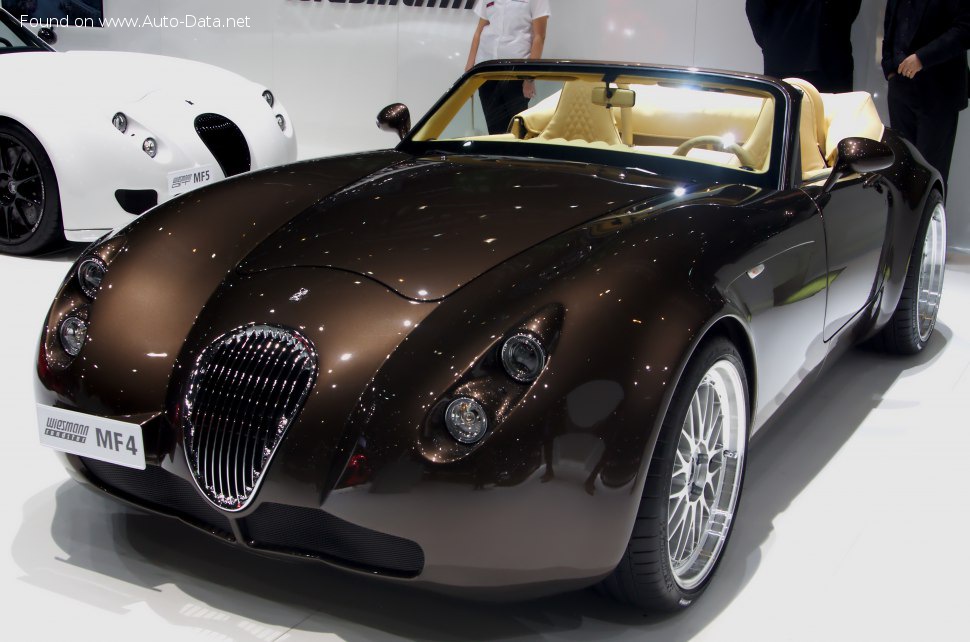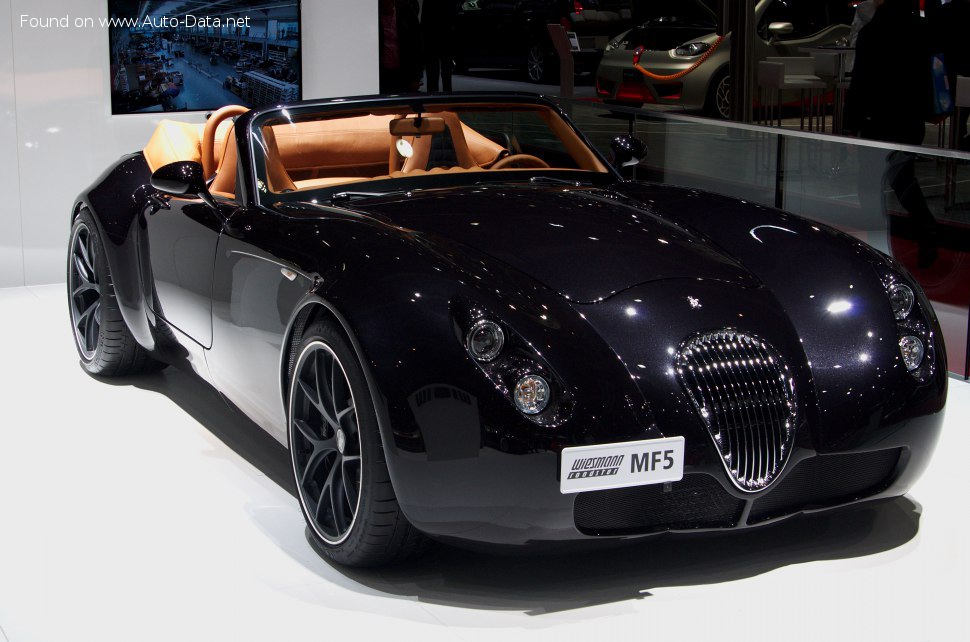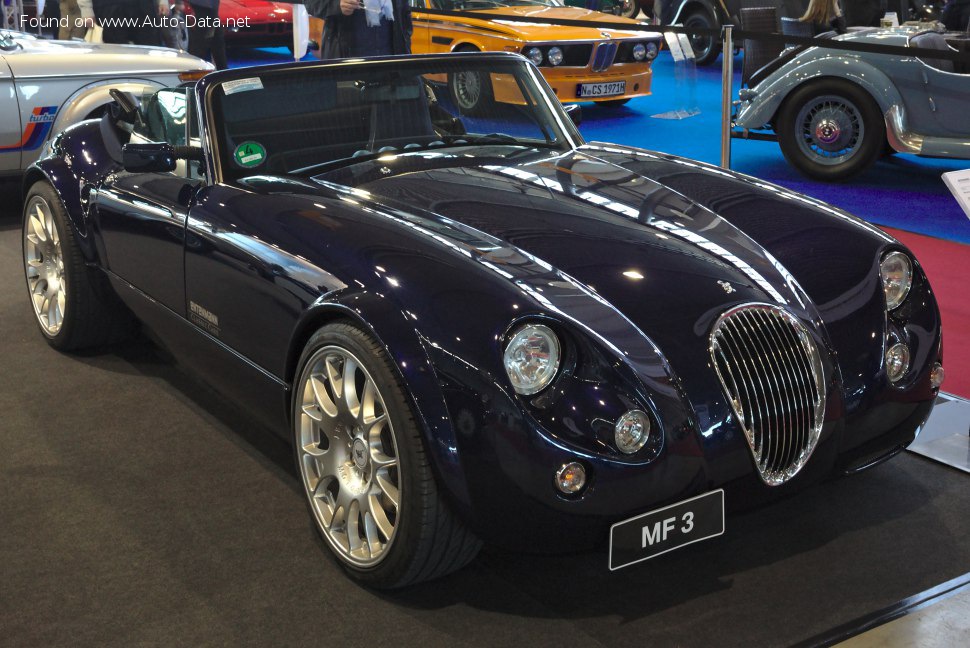
The Wiesmann Roadster MF3 3.0i 24V, produced between 2005 and 2014, represents a unique offering in the sports car segment. Built by the German manufacturer Wiesmann, known for its handcrafted, retro-styled roadsters, the MF3 combined classic aesthetics with modern performance. This particular variant, powered by a 3.0-liter inline-six engine producing 231 horsepower, occupied a middle ground within the MF3 lineup, offering a balance between performance and relative affordability compared to the higher-output models. The MF3 series, built on a custom chassis, aimed to deliver a driving experience reminiscent of classic British roadsters, but with German engineering and build quality.
Powertrain & Engine Architecture
At the heart of the Wiesmann Roadster MF3 3.0i 24V lies the BMW M54B30 inline-six engine. This naturally aspirated powerplant, a staple of BMW’s mid-2000s lineup, was chosen for its reliability, smooth power delivery, and relatively compact size. The engine displaces 2,979 cubic centimeters (181.79 cubic inches) and features a bore of 84mm and a stroke of 89.6mm. It boasts a compression ratio of 10.2:1 and utilizes a double overhead camshaft (DOHC) valvetrain with four valves per cylinder. Fuel delivery is managed by a multi-port manifold injection system, contributing to the engine’s responsive throttle characteristics.
The engine produces a maximum power output of 231 hp at 5,900 rpm and 300 Nm (221.27 lb-ft) of torque at 3,500 rpm. This translates to a power-to-liter ratio of 77.5 hp/liter. The engine is mated to a 5-speed manual transmission, sending power to the rear wheels. While an automatic transmission was offered on some MF3 models, the 3.0i 24V was primarily equipped with the manual gearbox, enhancing the driver engagement and sporty feel. The engine’s architecture, derived from BMW’s proven designs, contributes to its durability and relatively straightforward maintenance requirements.
Engine Codes & Variations
The M54B30 engine used in the MF3 is a well-documented unit, with variations existing within the BMW range. While Wiesmann largely retained the stock engine specifications, minor modifications may have been implemented to optimize performance and reliability for the Roadster application. The engine code is generally consistent with the standard BMW M54B30, ensuring parts availability and ease of servicing.
Driving Characteristics
The Wiesmann Roadster MF3 3.0i 24V delivers a driving experience focused on engagement and agility. The relatively lightweight construction – with a kerb weight of 1,080 kg (2,380.99 lbs) – combined with the 231 hp engine, results in a power-to-weight ratio of 4.7 kg/hp. This allows for brisk acceleration, with a 0-60 mph time of approximately 5.6 seconds and a 0-100 km/h time of 5.9 seconds. The top speed is electronically limited to 230 km/h (142.92 mph).
The 5-speed manual transmission provides precise gear changes, allowing the driver to fully exploit the engine’s powerband. The rear-wheel-drive configuration contributes to a balanced chassis and predictable handling. Compared to the more powerful MF3 variants, the 3.0i 24V offers a more accessible power delivery, making it easier to control and enjoy on winding roads. While lacking the outright speed of its higher-performance siblings, it provides a rewarding and engaging driving experience that emphasizes finesse over brute force.
Equipment & Trim Levels
The Wiesmann Roadster MF3 3.0i 24V was characterized by its bespoke interior and high level of customization. Standard features included leather upholstery, a wood-trimmed dashboard, and a stainless steel roll bar. The interior design aimed for a classic, luxurious feel, with a focus on craftsmanship and attention to detail. The instrument cluster featured classic gauges, and the overall cabin layout was designed to evoke the spirit of vintage roadsters.
Optional extras were extensive, allowing customers to personalize their vehicles to a significant degree. These included upgraded audio systems, navigation systems, heated seats, and a variety of interior trim options. Exterior customization options included different paint colors, wheel designs, and chrome accents. The level of customization contributed to the exclusivity and premium positioning of the Wiesmann Roadster.
Chassis & Braking
The Wiesmann Roadster MF3 3.0i 24V is built on a custom-designed steel space frame chassis, providing a rigid and lightweight platform. The suspension utilizes a spring strut setup at the front and a transverse stabilizer at the rear, offering a balance between comfort and handling. The braking system consists of ventilated discs at the front and solid discs at the rear, equipped with an Anti-lock Braking System (ABS) for enhanced safety. The steering is a rack and pinion system with hydraulic power assistance, providing precise and responsive steering feel.
The vehicle rides on 215/50 R17 tires mounted on 17-inch alloy wheels. The suspension setup is tuned to provide a comfortable ride while maintaining good body control during cornering. The braking system is adequate for the vehicle’s performance capabilities, providing sufficient stopping power in most driving situations.
Market Reception & Comparison
The Wiesmann Roadster MF3 3.0i 24V was generally well-received by automotive critics, who praised its unique styling, engaging driving experience, and high level of craftsmanship. However, its relatively high price and limited production numbers meant it remained a niche product. Compared to other roadsters in its price range, such as the Porsche Boxster and BMW Z4, the Wiesmann offered a more distinctive and handcrafted experience, but lacked the brand recognition and extensive dealer network of its competitors.
In terms of fuel economy, the MF3 3.0i 24V achieves approximately 10 l/100 km (23.5 US mpg, 28.2 UK mpg, 10 km/l). Reliability is generally good, owing to the use of proven BMW components. However, as a low-volume, handcrafted vehicle, maintenance costs can be higher than those of more mainstream sports cars.
Technical Specifications
| Brand | Wiesmann |
| Model | Roadster MF3 |
| Generation | Roadster MF3 |
| Type (Engine) | 3.0i 24V (231 Hp) |
| Start of production | 2005 |
| End of production | 2014 |
| Powertrain Architecture | Internal Combustion engine |
| Body type | Roadster |
| Seats | 2 |
| Doors | 2 |
| Fuel consumption (combined) | 10 l/100 km |
| Fuel Type | Petrol (Gasoline) |
| Acceleration 0 – 100 km/h | 5.9 sec |
| Acceleration 0 – 62 mph | 5.9 sec |
| Acceleration 0 – 60 mph | 5.6 sec |
| Maximum speed | 230 km/h |
| Weight-to-power ratio | 4.7 kg/Hp |
| Weight-to-torque ratio | 3.6 kg/Nm |
| Power | 231 Hp @ 5900 rpm |
| Torque | 300 Nm @ 3500 rpm (221.27 lb.-ft. @ 3500 rpm) |
| Engine displacement | 2979 cm3 (181.79 cu. in.) |
| Number of cylinders | 6 |
| Engine configuration | Inline |
| Cylinder Bore | 84 mm (3.31 in.) |
| Piston Stroke | 89.6 mm (3.53 in.) |
| Compression ratio | 10.2:1 |
| Number of valves per cylinder | 4 |
| Fuel injection system | Multi-port manifold injection |
| Engine aspiration | Naturally aspirated engine |
| Valvetrain | DOHC |
| Kerb Weight | 1080 kg (2380.99 lbs.) |
| Max. weight | 1400 kg (3086.47 lbs.) |
| Max load | 320 kg (705.48 lbs.) |
| Fuel tank capacity | 60 l (15.85 US gal | 13.2 UK gal) |
| Length | 3860 mm (151.97 in.) |
| Width | 1750 mm (68.9 in.) |
| Height | 1160 mm (45.67 in.) |
| Wheelbase | 2290 mm (90.16 in.) |
| Front track | 1450 mm (57.09 in.) |
| Rear track | 1520 mm (59.84 in.) |
| Minimum turning circle | 9.8 m (32.15 ft.) |
| Drivetrain Architecture | Rear wheel drive |
| Drive wheel | Rear wheel drive |
| Number of gears | 5 gears, manual transmission |
| Front suspension | Spring Strut |
| Rear suspension | Transverse stabilizer |
| Front brakes | Ventilated discs |
| Rear brakes | Disc |
| Assisting systems | ABS (Anti-lock braking system) |
| Steering type | Steering rack and pinion |
| Power steering | Hydraulic Steering |
| Tires size | 215/50 R17 |
| Wheel rims size | 17 |
Legacy
The Wiesmann Roadster MF3 3.0i 24V, while not a high-volume seller, has gained a following among enthusiasts who appreciate its unique blend of classic styling, German engineering, and engaging driving dynamics. The use of proven BMW components ensures that the powertrain remains relatively reliable, and parts availability is generally good. On the used car market, these vehicles command a premium due to their exclusivity and handcrafted nature. The MF3 represents a niche offering in the sports car world, appealing to those seeking a distinctive and rewarding driving experience.