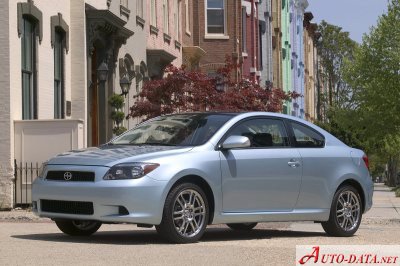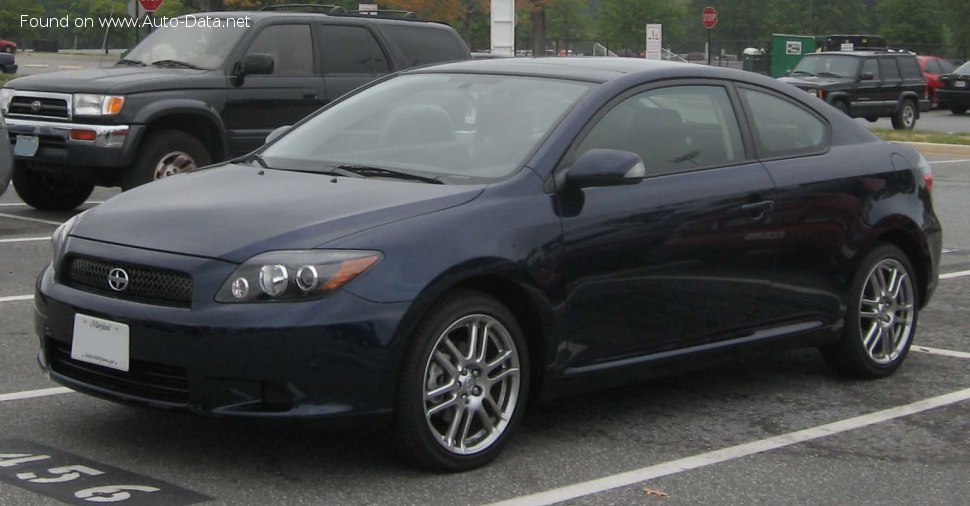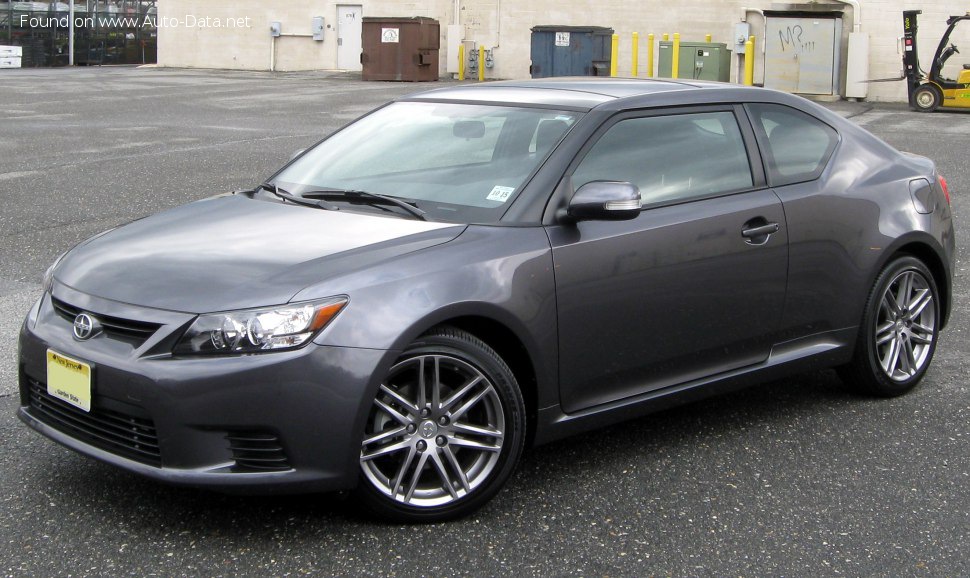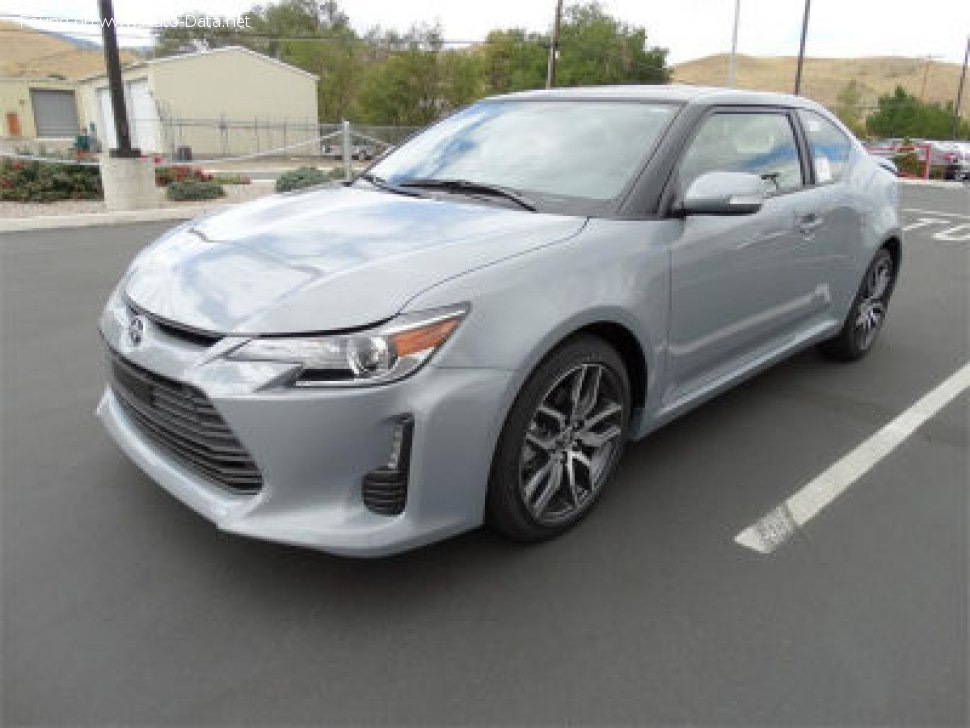
The Scion tC II, specifically the facelifted version produced from 2013 to 2016, represented a significant update to Scion’s popular compact coupe. This iteration of the tC, built on the Toyota MC platform (internally known as the XV10), aimed to broaden its appeal with revised styling, enhanced features, and a more refined driving experience. The 2.5-liter, 179 horsepower variant occupied the sole engine and trim level for the tC during these years, effectively becoming the standard offering. It was positioned as a sporty, yet practical, entry-level coupe targeting younger buyers seeking style and reliability.
The 2013-2016 Scion tC 2.5: A Detailed Overview
The 2013 facelift brought noticeable changes to the tC’s exterior, including a redesigned front fascia, headlights, and taillights. Interior updates focused on improved materials and technology. However, the core of the update lay in the engine – a move to a larger 2.5-liter four-cylinder engine, replacing the previous 2.4-liter unit. This engine, designated the 2AR-FE, provided a substantial increase in power and torque, enhancing the tC’s overall performance. The tC continued to be offered exclusively as a five-passenger coupe with a focus on value and customization.
Powertrain & Engine Architecture
The heart of the 2013-2016 Scion tC is the 2AR-FE 2.5-liter inline-four cylinder gasoline engine. This engine is a naturally aspirated powerplant featuring a cast iron block and an aluminum cylinder head. It boasts a displacement of 2494 cm³ (152.19 cubic inches) with a bore of 90 mm (3.54 inches) and a stroke of 98 mm (3.86 inches). The compression ratio is set at 10.4:1. The engine utilizes a double overhead camshaft (DOHC) valvetrain with four valves per cylinder, contributing to its efficient breathing and power output.
Fuel delivery is managed by a multi-port fuel injection system, providing precise fuel metering for optimal combustion. The 2AR-FE produces 179 horsepower at 6000 rpm and 233 Nm (171.85 lb-ft) of torque at 4100 rpm. The engine oil capacity is 4.4 liters (4.65 US quarts or 3.87 UK quarts). While the engine itself is relatively straightforward in design, it benefits from Toyota’s reputation for reliability and durability. The 2AR-FE is known for its smooth operation and relatively low maintenance requirements.
Driving Characteristics
The 2013-2016 Scion tC 2.5 offered a noticeable improvement in driving experience compared to its predecessor. The increased horsepower and torque made the car feel more responsive and capable, particularly during acceleration and highway merging. While not a sports car, the tC provided adequate power for everyday driving and occasional spirited runs. The six-speed manual transmission, standard on all models, allowed for precise gear selection and driver engagement. The automatic transmission, while available, was generally considered less engaging and slightly detracted from the sporty feel.
The tC’s suspension, featuring independent MacPherson struts in the front and a double wishbone setup in the rear, provided a comfortable ride without sacrificing too much handling capability. Steering was light and precise, making the car easy to maneuver in urban environments. The weight-to-power ratio of 7.8 kg/hp (128 hp/tonne) and weight-to-torque ratio of 6 kg/Nm (166.7 Nm/tonne) contributed to a reasonably balanced driving experience. The car’s front-wheel-drive configuration provided predictable handling characteristics, although it could exhibit some torque steer under hard acceleration.
Equipment & Trim Levels
The 2013-2016 Scion tC came standard with a generous array of features. Standard equipment included air conditioning, power windows and locks, a touchscreen audio system with Bluetooth connectivity, a backup camera, and a sport-tuned suspension. Interior upholstery consisted of sport fabric seats, and the dashboard featured a modern design with metallic accents.
Optional extras included a premium audio system with upgraded speakers, a sunroof, and keyless entry with push-button start. Scion also offered a range of factory-installed accessories, allowing buyers to personalize their tC to their individual tastes. These accessories included body kits, alloy wheels, and interior trim upgrades. The tC’s interior, while not luxurious, was well-designed and functional, offering a comfortable and user-friendly environment.
Chassis & Braking
The Scion tC’s chassis was designed to provide a balance between comfort and handling. The front suspension utilized independent MacPherson struts, while the rear suspension employed a double wishbone setup. This configuration helped to minimize body roll and provide a stable ride. The tC featured ventilated disc brakes in the front and solid disc brakes in the rear, providing adequate stopping power for its weight class.
The car was equipped with an Anti-lock Braking System (ABS) as standard, enhancing safety and control during emergency braking situations. The steering system utilized a rack and pinion setup with electric power steering, providing light and precise steering feel. The tC rode on 225/45 R18 tires mounted on 7.5J x 18 inch alloy wheels. The ride height (ground clearance) was 160 mm (6.3 inches).
Market Reception & Comparison
The 2013-2016 Scion tC was generally well-received by automotive critics. The updated styling, improved engine performance, and generous standard features were praised. However, some critics noted that the interior materials could be of higher quality and that the automatic transmission lacked the engagement of the manual. Fuel economy was rated at 10.2 l/100 km (23.1 US mpg / 27.7 UK mpg) in urban conditions and 7.6 l/100 km (30.9 US mpg / 37.2 UK mpg) in extra urban conditions.
Compared to other coupes in its class, such as the Honda Civic Coupe and the Nissan Sentra Coupe, the tC offered a unique blend of style, performance, and value. The Honda Civic Coupe generally offered better fuel economy and a more refined driving experience, while the Nissan Sentra Coupe provided a more spacious interior. However, the tC stood out with its distinctive styling and customizable options. In terms of reliability, the tC, benefiting from Toyota’s engineering, proved to be a dependable vehicle with relatively low maintenance costs.
Technical Specifications
| Brand | Scion |
| Model | tC II (facelift 2013) 2.5 |
| Generation | tC II (facelift 2013) |
| Type (Engine) | 2.5 (179 Hp) |
| Start of production | 2013 |
| End of production | 2016 |
| Powertrain Architecture | Internal Combustion engine |
| Body type | Coupe |
| Seats | 5 |
| Doors | 2 |
| Fuel consumption (urban) | 10.2 l/100 km (23.1 US mpg) |
| Fuel consumption (extra urban) | 7.6 l/100 km (30.9 US mpg) |
| Fuel Type | Petrol (Gasoline) |
| Weight-to-power ratio | 7.8 kg/Hp |
| Power | 179 Hp @ 6000 rpm |
| Torque | 233 Nm @ 4100 rpm (171.85 lb.-ft. @ 4100 rpm) |
| Engine layout | Front, Transverse |
| Engine Model/Code | 2AR-FE |
| Engine displacement | 2494 cm3 (152.19 cu. in.) |
| Number of cylinders | 4 |
| Engine configuration | Inline |
| Cylinder Bore | 90 mm (3.54 in.) |
| Piston Stroke | 98 mm (3.86 in.) |
| Compression ratio | 10.4:1 |
| Number of valves per cylinder | 4 |
| Fuel injection system | Multi-port manifold injection |
| Engine aspiration | Naturally aspirated engine |
| Valvetrain | DOHC |
| Engine oil capacity | 4.4 l (4.65 US qt | 3.87 UK qt) |
| Kerb Weight | 1398 kg (3082.06 lbs.) |
| Trunk (boot) space | 416 l (14.69 cu. ft.) |
| Fuel tank capacity | 55 l (14.53 US gal | 12.1 UK gal) |
| Length | 4486 mm (176.61 in.) |
| Width | 1796 mm (70.71 in.) |
| Height | 1415 mm (55.71 in.) |
| Wheelbase | 2700 mm (106.3 in.) |
| Minimum turning circle | 11.4 m (37.4 ft.) |
| Drivetrain Architecture | Front wheel drive |
| Number of gears | 6 |
| Type of gearbox | Manual transmission |
| Front suspension | Independent type McPherson |
| Rear suspension | Double wishbone |
| Front brakes | Ventilated discs |
| Rear brakes | Disc |
| Tires size | 225/45 R18 |
Legacy
The 2013-2016 Scion tC 2.5 has proven to be a reliable and affordable option in the used car market. The 2AR-FE engine is known for its longevity and relatively low maintenance costs. While not without its flaws, such as the potential for oil consumption in some units, the tC remains a popular choice for buyers seeking a stylish and practical coupe. Its strong resale value and Toyota’s reputation for quality contribute to its continued appeal. The tC represents a unique chapter in Scion’s history, embodying the brand’s focus on youthful design and value-oriented offerings.