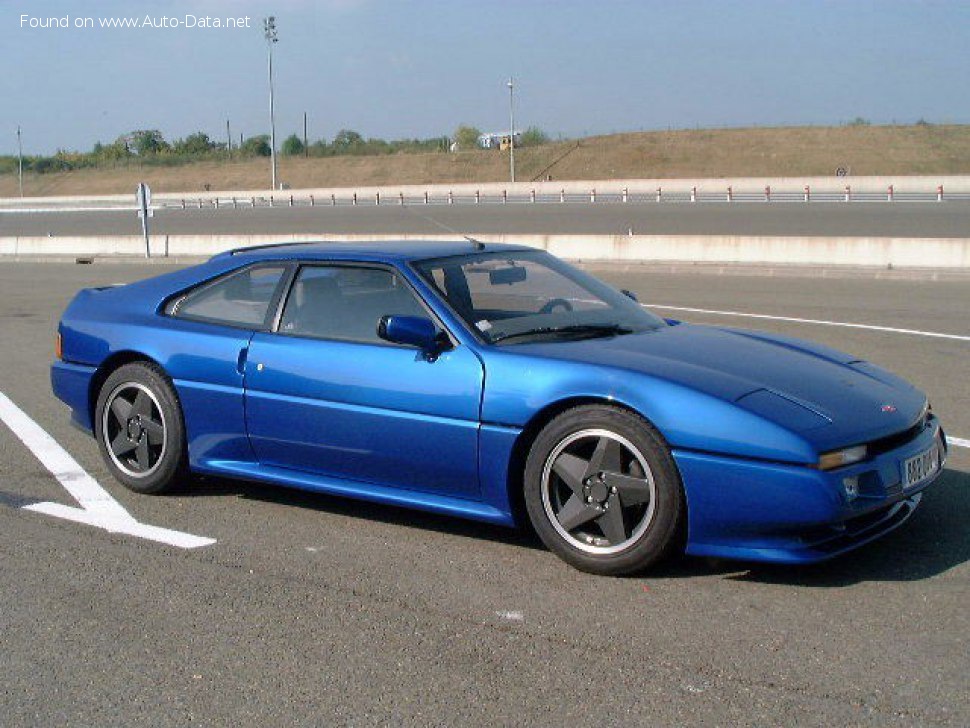
The Venturi 260, specifically the 2.8 i V6 (260 Hp) variant, was a high-performance coupe produced by the French manufacturer Venturi between 1989 and 1995. It represented a bold attempt to create a world-class, mid-engined sports car capable of competing with established marques like Porsche and Ferrari. The 260 was the initial model in the Venturi lineup, built upon a steel space frame chassis and featuring a distinctive, angular design. It was positioned as the flagship model, offering a significant step up in performance and exclusivity compared to more mainstream sports cars of the era. The model is part of the first generation of Venturi vehicles.
Venturi 260 2.8 i V6: Powertrain & Engine Architecture
The heart of the Venturi 260 was its 2.8-liter V6 engine, designated as the PRV engine. This engine was a collaborative effort between Peugeot, Renault, and Volvo (hence the PRV designation). In Venturi’s application, the engine was heavily modified and turbocharged to produce 260 horsepower at 5500 rpm and 432 Nm (318.63 lb-ft) of torque at 2000 rpm. The engine featured a longitudinal, mid-engine layout, contributing to the car’s balanced handling characteristics. The engine utilized multi-port fuel injection and an overhead camshaft (OHC) valvetrain with two valves per cylinder. The compression ratio was set at 8.2:1. The turbocharger was a key component in achieving the engine’s impressive power output, providing significant boost across the rev range.
The 260 was exclusively offered with a 5-speed manual transmission. This transmission was chosen to complement the engine’s performance characteristics and provide drivers with maximum control. The rear-wheel drive configuration further enhanced the car’s sporting credentials.
Engine Codes and Variations
While the core PRV V6 architecture remained consistent, minor variations existed throughout the production run. These variations primarily concerned the engine management system and turbocharger specifications, aimed at refining performance and emissions. However, the fundamental engine code remained consistent throughout the 1989-1995 production period.
Driving Characteristics
The Venturi 260 delivered a thrilling driving experience, characterized by strong acceleration and responsive handling. The 0-60 mph sprint was achieved in approximately 5 seconds, and the car boasted a top speed of 270 km/h (167.77 mph). The mid-engine layout and relatively lightweight construction (1255 kg / 2766.8 lbs) contributed to its agility and balance. The turbocharger provided a noticeable surge of power, particularly in the mid-range, making overtaking maneuvers effortless. However, the turbocharger also introduced a degree of turbo lag, requiring drivers to anticipate power delivery. The 5-speed manual transmission offered precise shifts, allowing drivers to fully exploit the engine’s potential. Compared to potential future models, the 260 offered a raw, visceral driving experience, prioritizing performance over outright refinement.
Equipment & Trim Levels
The Venturi 260 was positioned as a premium sports car, and its equipment levels reflected this. Standard features included leather upholstery, power windows, central locking, and an upgraded audio system. The interior design was functional and driver-focused, with a clear instrument cluster and well-placed controls. Optional extras included air conditioning, a sunroof, and upgraded wheels. The interior was relatively spartan compared to some contemporary grand tourers, emphasizing the car’s sporting intent. The exterior was typically finished in vibrant colors, such as red or yellow, to accentuate its aggressive styling.
Chassis & Braking
The Venturi 260 featured a steel space frame chassis, providing a rigid and lightweight platform. The suspension system consisted of double wishbones at the front and a spring strut arrangement at the rear. This configuration delivered a good balance between ride comfort and handling precision. The car was equipped with ventilated disc brakes on all four wheels, providing ample stopping power. An Anti-lock Braking System (ABS) was included as standard, enhancing safety and control. The steering was a rack and pinion system with hydraulic power assistance, offering precise and responsive steering feel. The car rode on 205/55 ZR16 or 245/45 ZR16 tires, depending on the specification.
Market Reception & Comparison
The Venturi 260 received mixed reviews from automotive critics. While its performance and handling were generally praised, some critics noted its relatively crude interior and occasional build quality issues. Compared to its rivals, such as the Porsche 911 and Ferrari 348, the Venturi 260 offered a compelling performance-to-price ratio. However, it lacked the brand recognition and established reputation of its competitors. Fuel economy was relatively poor, averaging 11.1 l/100 km (21.2 US mpg). Reliability was also a concern for some owners, with reports of issues related to the engine management system and turbocharger. Despite these drawbacks, the Venturi 260 attracted a dedicated following of enthusiasts who appreciated its unique character and performance potential.
Technical Specifications
| Brand | Venturi |
| Model | 260 |
| Generation | 260 |
| Engine Type | 2.8 i V6 (260 Hp) |
| Start of Production | 1989 |
| End of Production | 1995 |
| Body Type | Coupe |
| Seats | 2 |
| Doors | 2 |
| Fuel Consumption (Combined) | 11.1 l/100 km |
| Fuel Consumption (US mpg) | 21.2 US mpg |
| Fuel Consumption (UK mpg) | 25.4 UK mpg |
| Fuel Type | Petrol (Gasoline) |
| Acceleration 0-100 km/h | 5.3 sec |
| Acceleration 0-62 mph | 5.3 sec |
| Acceleration 0-60 mph | 5 sec |
| Maximum Speed | 270 km/h (167.77 mph) |
| Weight-to-Power Ratio | 4.8 kg/Hp |
| Power | 260 Hp @ 5500 rpm |
| Torque | 432 Nm @ 2000 rpm (318.63 lb.-ft. @ 2000 rpm) |
| Engine Layout | Middle, Longitudinal |
| Engine Displacement | 2849 cm3 (173.86 cu. in.) |
| Number of Cylinders | 6 |
| Engine Configuration | V-engine |
| Cylinder Bore | 91 mm (3.58 in.) |
| Piston Stroke | 73 mm (2.87 in.) |
| Compression Ratio | 8.2:1 |
| Number of Valves per Cylinder | 2 |
| Fuel Injection System | Multi-port manifold injection |
| Engine Aspiration | Turbocharger |
| Valvetrain | OHC |
| Kerb Weight | 1255 kg (2766.8 lbs.) |
| Trunk Space (Minimum) | 150 l (5.3 cu. ft.) |
| Fuel Tank Capacity | 90 l (23.78 US gal | 19.8 UK gal) |
| Length | 4090 mm (161.02 in.) |
| Width | 1700 mm (66.93 in.) |
| Height | 1170 mm (46.06 in.) |
| Wheelbase | 2400 mm (94.49 in.) |
| Front Track | 1460 mm (57.48 in.) |
| Rear Track | 1460 mm (57.48 in.) |
| Drivetrain | Rear Wheel Drive |
| Number of Gears | 5 |
| Gearbox Type | Manual Transmission |
| Front Suspension | Double Wishbone |
| Rear Suspension | Spring Strut |
| Front Brakes | Ventilated Discs |
| Rear Brakes | Ventilated Discs |
| Assisting Systems | ABS (Anti-lock braking system) |
| Steering Type | Steering rack and pinion |
| Power Steering | Hydraulic Steering |
| Tire Size | 205/55 ZR16; 245/45 ZR16 |
Legacy
The Venturi 260, while not a commercial success on a large scale, remains a significant vehicle in the history of French sports cars. Its bold design and impressive performance helped to establish Venturi as a credible alternative to established marques. Today, the 260 is a sought-after collector’s item, appreciated for its rarity and unique character. The PRV V6 engine, while known for its potential reliability issues, is still regarded as a capable powerplant. Well-maintained examples of the 260 command premium prices in the used car market, reflecting their growing desirability among enthusiasts. The car’s legacy lies in its ambition and its contribution to the evolution of the high-performance sports car segment.