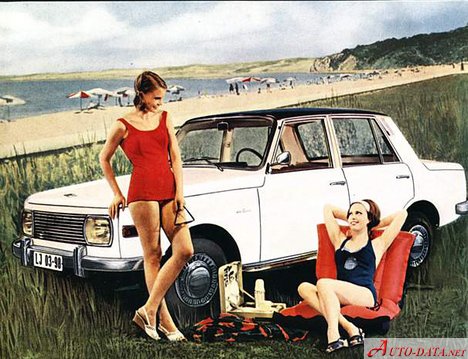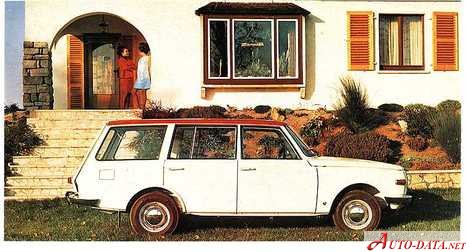
The Wartburg 353 Tourist 1.0, produced between 1966 and 1969, represents an early iteration of the iconic Wartburg 353 series. This variant, characterized by its modest 45 horsepower 1.0-liter engine, served as the entry-level model within the 353 range, primarily aimed at providing affordable transportation for families and individuals in East Germany and export markets. It was a key component of the Wartburg factory’s production during a period of significant economic and political change. The 353 series itself was built upon a monocoque steel body, a relatively advanced construction technique for its time, and shared a platform with other IFA (Industrieverband Fahrzeugbau) vehicles. The Tourist trim level denoted a more basic specification compared to the later Deluxe models.
Wartburg 353 Tourist 1.0: An Overview
The Wartburg 353, as a whole, was a significant vehicle in the automotive history of East Germany. It replaced the earlier Wartburg 311 and continued production until 1988, undergoing several revisions and upgrades throughout its lifespan. The initial 353 Tourist 1.0, however, was a relatively simple machine, designed for durability and practicality rather than outright performance. Its station wagon (estate) body style offered a considerable amount of cargo space, making it a popular choice for those needing a versatile vehicle. The 1.0-liter engine, while underpowered by modern standards, was considered adequate for the vehicle’s intended purpose and the road conditions prevalent in its primary markets.
Powertrain & Engine Architecture
The heart of the Wartburg 353 Tourist 1.0 is a 992 cc (60.5 cu in) two-stroke, three-cylinder engine. This engine, designated as the AWE 073, is a key example of East German engineering. Two-stroke engines, while offering a high power-to-weight ratio, are known for their relatively poor fuel economy and higher emissions compared to four-stroke designs. The AWE 073 featured a crankshaft-driven supercharger, which helped to boost power output and improve low-end torque. The engine utilized a Schnurle scavenging system, a type of port scavenging common in two-stroke engines, to improve cylinder filling and efficiency. Fuel was delivered via a single Solex carburetor. The engine produced 45 hp (34 kW) at 5,000 rpm and approximately 58 lb-ft of torque at 3,000 rpm. Lubrication was achieved through a pre-mix oil system, requiring drivers to add a specific amount of two-stroke oil to the gasoline. This was a common practice for two-stroke engines of the era, but it also meant that proper oil mixing was crucial for engine longevity.
The 353 Tourist 1.0 was exclusively equipped with a four-speed manual transmission. This transmission was a conventional setup with synchromesh on the upper three gears. The gear ratios were optimized for fuel efficiency and everyday driving, rather than sporty performance. The clutch was a single-plate dry clutch. The drivetrain was front-wheel drive, a relatively uncommon configuration for European cars in the 1960s, but one that Wartburg had pioneered with earlier models.
Driving Characteristics
Driving the Wartburg 353 Tourist 1.0 is a unique experience. The two-stroke engine produces a distinctive, high-pitched whine, particularly under acceleration. Performance is modest, with a 0-60 mph time estimated to be around 25-30 seconds. Top speed is approximately 80 mph (130 km/h), although sustaining that speed for extended periods was not recommended. The four-speed manual transmission requires deliberate shifting, and the clutch engagement is relatively firm. The front-wheel drive configuration provides reasonable handling, but the car is prone to understeer when pushed hard. The suspension, consisting of independent front suspension with trailing arms and a rigid rear axle with leaf springs, provides a comfortable ride on smooth roads, but can become unsettled on rough surfaces. The steering is somewhat vague, requiring a fair amount of input to maintain a straight line. Overall, the driving experience is best described as utilitarian, prioritizing practicality and affordability over excitement.
Equipment & Trim Levels
The Wartburg 353 Tourist 1.0 was a sparsely equipped vehicle by modern standards. Standard features included basic cloth upholstery, a simple dashboard with minimal instrumentation (speedometer, fuel gauge, and warning lights), and manually operated windows and door locks. The exterior featured chrome trim around the windows and bumpers, but overall the styling was functional rather than luxurious. Optional extras were limited, but could include a radio, a heater, and upgraded upholstery. The interior space was surprisingly generous for a car of its size, thanks to the station wagon body style. The rear seats could be folded down to create a larger cargo area. The overall aesthetic was very much in line with the design trends of the 1960s, with a focus on simplicity and practicality.
Chassis & Braking
The Wartburg 353 Tourist 1.0 utilized a monocoque steel body construction, providing a relatively lightweight and rigid chassis. The front suspension consisted of independent trailing arms with coil springs and hydraulic shock absorbers. The rear suspension employed a rigid axle with leaf springs. The steering was a worm-and-roller type, providing a relatively high steering ratio. The braking system consisted of hydraulic drum brakes on all four wheels. The brakes were adequate for normal driving conditions, but lacked the stopping power of more modern systems. The tires were typically narrow bias-ply tires, which contributed to the car’s somewhat vague handling characteristics.
Market Reception & Comparison
The Wartburg 353 Tourist 1.0 was primarily marketed to consumers in East Germany and other Eastern Bloc countries. It was also exported to some Western European markets, although sales were limited. Critics generally praised the car’s practicality, durability, and affordability, but criticized its underpowered engine, rough ride, and dated styling. Compared to other cars in its class, such as the Škoda 105/120 and the Trabant 601, the Wartburg 353 offered a slightly more refined driving experience and a more spacious interior. However, it was also more expensive than the Trabant. Fuel economy was relatively poor for a car of its size, averaging around 30-35 mpg. Reliability was generally good, but the two-stroke engine required regular maintenance and was prone to wear and tear if not properly cared for.
Technical Specifications
| Body Type | Station Wagon (Estate) |
| Engine Type | Two-Stroke, Three-Cylinder |
| Engine Displacement | 992 cc (60.5 cu in) |
| Power Output | 45 hp (34 kW) @ 5,000 rpm |
| Torque | 58 lb-ft (79 Nm) @ 3,000 rpm |
| Fuel System | Solex Carburetor |
| Transmission | 4-Speed Manual |
| Drivetrain | Front-Wheel Drive |
| Brakes | Hydraulic Drum Brakes (All Wheels) |
| Suspension (Front) | Independent Trailing Arms, Coil Springs |
| Suspension (Rear) | Rigid Axle, Leaf Springs |
| Weight | Approximately 2,200 lbs (1,000 kg) |
| Top Speed | Approximately 80 mph (130 km/h) |
Legacy
The Wartburg 353 Tourist 1.0, while not a particularly sophisticated vehicle, holds a significant place in automotive history. It represents a unique chapter in East German engineering and provides a glimpse into the challenges and innovations of the automotive industry behind the Iron Curtain. Today, the 353 Tourist 1.0 is a relatively rare and collectible car, particularly in well-preserved condition. The two-stroke engine requires specialized knowledge and maintenance, making it a challenging vehicle to own and operate. However, for enthusiasts who appreciate its unique character and historical significance, the Wartburg 353 Tourist 1.0 offers a rewarding and nostalgic driving experience. Parts availability can be limited, but a dedicated community of owners and enthusiasts exists to provide support and resources. The car’s enduring appeal lies in its simplicity, durability, and its connection to a bygone era.