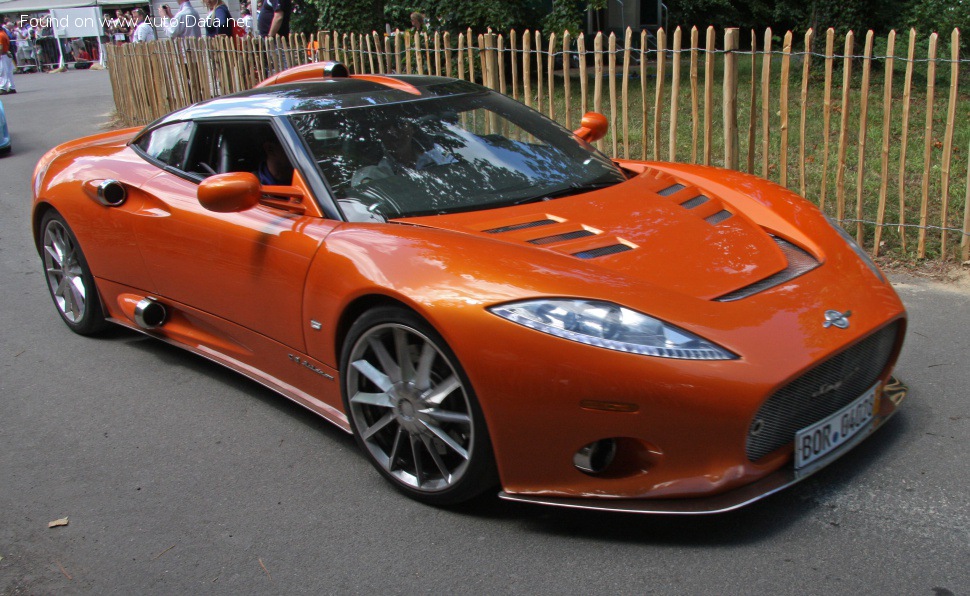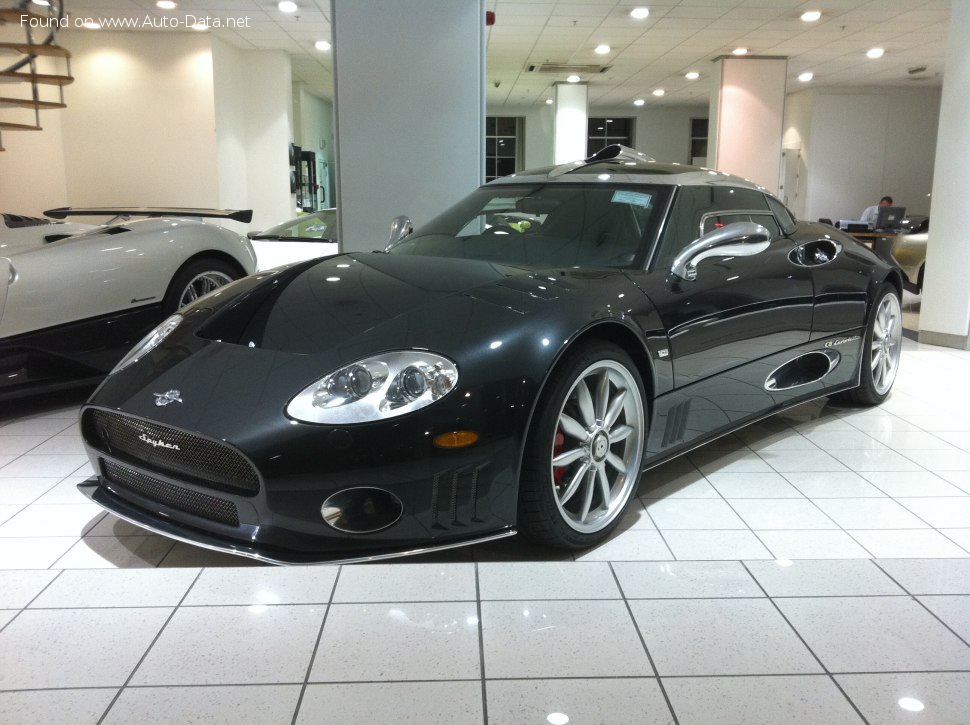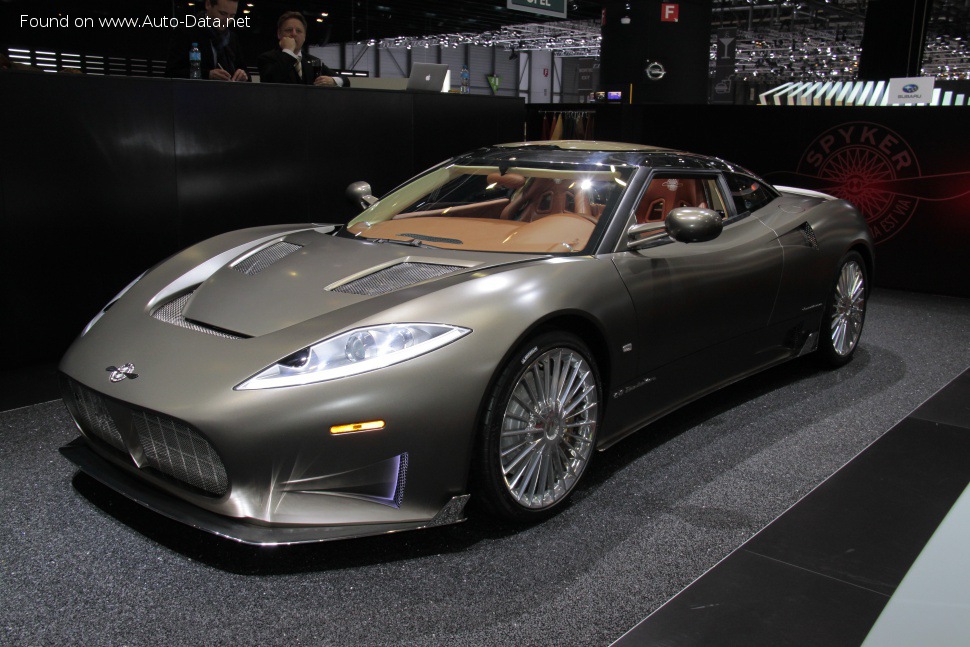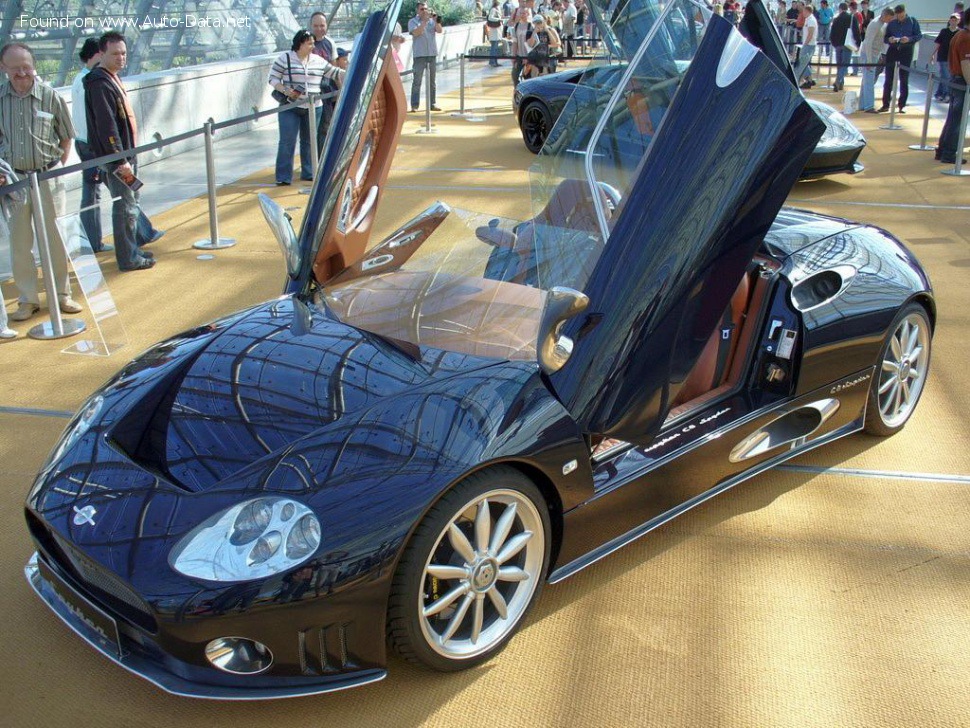
The Spyker C8 Spyder 4.2 V8 40V (400 Hp) is a high-performance sports car produced by the Dutch manufacturer Spyker Cars between 2000 and 2009. Representing the initial offering from Spyker, the C8 Spyder established the brand’s commitment to luxurious, aviation-inspired design and potent performance. This open-top variant, built on the C8 platform, aimed to deliver an exclusive driving experience, blending handcrafted quality with a powerful naturally aspirated V8 engine. The C8 Spyder served as the foundation for subsequent Spyker models, solidifying the company’s niche within the exotic car market.
Powertrain & Engine Architecture
At the heart of the Spyker C8 Spyder 4.2 V8 40V lies a 4.2-liter (4172 cm3 or 254.59 cu. in.) naturally aspirated V8 engine. This engine, sourced from Audi (specifically based on the Audi 4.2-liter V8 found in the B5/B6 S4 and RS4 models), is designated as a 40V due to its five valves per cylinder (totaling 40 valves). The engine produces a maximum power output of 400 horsepower (Hp) at 7500 rpm and 480 Newton-meters (354.03 lb-ft) of torque at 4000 rpm. This translates to a specific power output of 95.9 Hp per liter.
The engine utilizes a multi-port fuel injection system, delivering fuel directly into the intake ports. The valvetrain employs a Double Overhead Camshaft (DOHC) configuration, optimizing valve timing and contributing to the engine’s high-revving nature. The engine’s architecture is a 90-degree V-configuration, providing inherent balance and smoothness. The bore and stroke dimensions are 84.5 mm (3.33 in) and 93 mm (3.66 in) respectively. The engine is mated to a 6-speed manual transmission, channeling power to the rear wheels.
Transmission Details
The 6-speed manual transmission was chosen to complement the engine’s performance characteristics, offering drivers precise control and an engaging driving experience. Gear ratios were carefully selected to maximize acceleration and provide a balance between responsiveness and cruising comfort. The transmission features a robust design to handle the engine’s substantial torque output.
Driving Characteristics
The Spyker C8 Spyder 4.2 V8 40V delivers exhilarating performance. Its 0-100 km/h (0-62 mph) acceleration time is rated at 4.5 seconds, while 0-60 mph is achieved in approximately 4.3 seconds. The car boasts a maximum speed of 300 km/h (186.41 mph). The naturally aspirated V8 provides a linear power delivery, building smoothly towards its 7500 rpm redline. The rear-wheel-drive configuration contributes to a balanced chassis and responsive handling. The relatively lightweight construction, with a kerb weight of 1000 kg (2204.62 lbs), further enhances the car’s agility and acceleration. The driving experience is characterized by a raw, unfiltered connection to the road, typical of high-performance sports cars of this era.
Equipment & Trim Levels
The Spyker C8 Spyder was positioned as a premium, exclusive sports car, and its equipment levels reflected this status. Standard features included a leather-trimmed interior, featuring aviation-inspired gauges and switchgear. The interior design emphasized craftsmanship and attention to detail. The dashboard was meticulously crafted, and the seats provided supportive comfort. The Spyder featured ventilated disc brakes on all four wheels, coupled with an Anti-lock Braking System (ABS) for enhanced safety. Optional extras included bespoke interior trim options, upgraded audio systems, and performance-enhancing components. The emphasis was on personalization, allowing customers to tailor the car to their individual preferences.
Chassis & Braking
The Spyker C8 Spyder utilizes a space frame chassis constructed from steel tubes, providing a rigid and lightweight foundation. The suspension system consists of double wishbones all around, optimized for handling and ride comfort. The front track measures 1400 mm (55.12 in), while the rear track is slightly wider at 1580 mm (62.2 in). The steering system employs a rack and pinion setup, providing precise and responsive steering feel. The braking system, as mentioned, features ventilated discs on all four wheels, ensuring ample stopping power. Tire sizes are 225/40 ZR18 at the front and 255/35 ZR18 at the rear, mounted on 18-inch alloy wheels.
Market Reception & Comparison
The Spyker C8 Spyder received generally positive reviews from automotive critics, who praised its distinctive design, powerful engine, and engaging driving experience. However, its high price tag and limited production numbers restricted its appeal to a niche market. Compared to other sports cars in its price range, such as the Porsche 911, the Spyker offered a more exclusive and handcrafted experience, but lacked the widespread brand recognition and dealer network of its German competitor. Fuel economy was not a primary concern for buyers in this segment, but the C8 Spyder’s consumption was typical for a high-performance V8 engine. Reliability was generally good, benefiting from the use of proven Audi engine components, although maintenance costs were expected to be high due to the car’s exotic nature and specialized parts.
Technical Specifications
| Brand | Spyker |
| Model | C8 Spyder |
| Generation | C8 Spyder |
| Type (Engine) | 4.2 V8 40V (400 Hp) |
| Start of production | 2000 year |
| End of production | 2009 year |
| Powertrain Architecture | Internal Combustion engine |
| Body type | Cabriolet |
| Seats | 2 |
| Doors | 2 |
| Fuel Type | Petrol (Gasoline) |
| Acceleration 0 – 100 km/h | 4.5 sec |
| Acceleration 0 – 62 mph | 4.5 sec |
| Acceleration 0 – 60 mph | 4.3 sec |
| Maximum speed | 300 km/h (186.41 mph) |
| Weight-to-power ratio | 2.5 kg/Hp, 400 Hp/tonne |
| Weight-to-torque ratio | 2.1 kg/Nm, 480 Nm/tonne |
| Power | 400 Hp @ 7500 rpm |
| Power per litre | 95.9 Hp/l |
| Torque | 480 Nm @ 4000 rpm (354.03 lb.-ft. @ 4000 rpm) |
| Maximum engine speed | 7500 rpm |
| Engine displacement | 4172 cm3 (254.59 cu. in.) |
| Number of cylinders | 8 |
| Engine configuration | V-engine |
| Cylinder Bore | 84.5 mm (3.33 in) |
| Piston Stroke | 93 mm (3.66 in) |
| Number of valves per cylinder | 5 |
| Fuel injection system | Multi-port manifold injection |
| Engine aspiration | Naturally aspirated engine |
| Valvetrain | DOHC |
| Kerb Weight | 1000 kg (2204.62 lbs) |
| Fuel tank capacity | 100 l (26.42 US gal | 22 UK gal) |
| Length | 4050 mm (159.45 in) |
| Width | 1880 mm (74.02 in) |
| Height | 1080 mm (42.52 in) |
| Wheelbase | 2550 mm (100.39 in) |
| Front track | 1400 mm (55.12 in) |
| Rear track | 1580 mm (62.2 in) |
| Drivetrain Architecture | Rear wheel drive |
| Drive wheel | Rear wheel drive |
| Number of gears and type of gearbox | 6 gears, manual transmission |
| Front brakes | Ventilated discs |
| Rear brakes | Ventilated discs |
| Assisting systems | ABS (Anti-lock braking system) |
| Steering type | Steering rack and pinion |
| Tires size | 225/40 ZR18; 255/35 ZR18 |
| Wheel rims size | 18 |
Legacy
The Spyker C8 Spyder 4.2 V8 40V remains a sought-after vehicle among collectors and enthusiasts. The Audi-sourced V8 engine is known for its durability and relatively straightforward maintenance, although specialized knowledge is required for servicing the Spyker’s unique components. The car’s distinctive design and limited production numbers contribute to its enduring appeal. In the used car market, prices vary depending on condition, mileage, and provenance, but well-maintained examples command a premium. The C8 Spyder established Spyker as a credible manufacturer of high-performance sports cars, paving the way for subsequent models and solidifying the brand’s position within the automotive landscape.