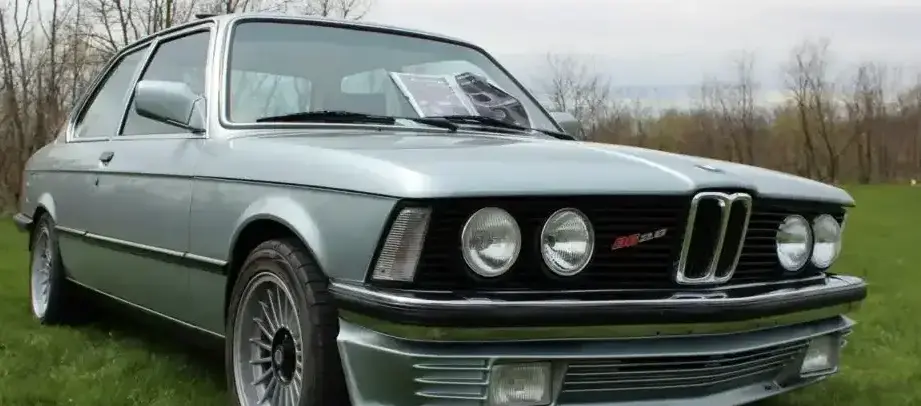
The Alpina B6 2.8, based on the BMW E21 3 Series, represents a unique and highly regarded collaboration between BMW and the independent tuning house Alpina. Produced between 1981 and 1983, it was the pinnacle of E21 performance, offering a significant upgrade over the standard 3 Series models. While BMW produced its own M3 variant later in the E30 generation, the B6 2.8 held the title of the fastest and most exclusive E21 available during its production run. It was positioned as a luxurious, high-performance grand tourer, appealing to buyers seeking a refined yet exhilarating driving experience. The B6 2.8 was not a mass-produced vehicle; Alpina’s modifications were extensive and carried out on a limited number of chassis, making it a sought-after collector’s item today.
Technical Specifications
| Brand | Alpina |
| Model | B6 |
| Generation | B6 (E21) |
| Engine Type | 2.8 (218 Hp) |
| Start of production | 1981 |
| End of production | 1983 |
| Powertrain Architecture | Internal Combustion engine |
| Body type | Coupe |
| Seats | 4 |
| Doors | 2 |
| Fuel consumption (urban) | 13.8 l/100 km (17 US mpg, 20.5 UK mpg, 7.2 km/l) |
| Fuel consumption (extra urban) | 7 l/100 km (33.6 US mpg, 40.4 UK mpg, 14.3 km/l) |
| Fuel Type | Petrol (Gasoline) |
| Acceleration 0 – 100 km/h | 7 sec |
| Acceleration 0 – 62 mph | 7 sec |
| Acceleration 0 – 60 mph | 6.7 sec |
| Maximum speed | 229 km/h (142.29 mph) |
| Power | 218 Hp |
| Power per litre | 78.2 Hp/l |
| Torque | 265 Nm (195.45 lb.-ft.) |
| Engine layout | Front axle, Longitudinal |
| Engine displacement | 2788 cm3 (170.13 cu. in.) |
| Number of cylinders | 6 |
| Engine configuration | Inline |
| Fuel injection system | Multi-port manifold injection |
| Engine aspiration | Naturally aspirated engine |
| Drivetrain Architecture | The Internal combustion engine (ICE) drives the rear wheels of the vehicle. |
| Drive wheel | Rear wheel drive |
Powertrain & Engine Architecture
The heart of the Alpina B6 2.8 is its 2.8-liter inline-six engine, derived from the BMW M10 block but extensively modified by Alpina. While retaining the basic M10 architecture, Alpina increased the bore and stroke, resulting in a displacement of 2788cc. The engine featured a high-compression ratio (around 9.7:1) and a meticulously balanced crankshaft. Alpina also employed Mahle pistons and a specially designed cylinder head with larger valves and optimized porting. Fuel delivery was handled by a Bosch K-Jetronic mechanical fuel injection system, known for its precision and reliability. The engine produced 218 horsepower at 6000 rpm and 265 Nm (195 lb-ft) of torque. The engine was primarily mated to a Getrag 5-speed manual transmission, chosen for its robustness and precise shift feel. Alpina did offer an automatic transmission option, though it was less common and generally considered to slightly diminish the car’s performance potential. This automatic was a 4-speed unit, selected for its smoothness and suitability for grand touring, but it did impact acceleration times and overall driver engagement.
Driving Characteristics
The B6 2.8 offered a distinctly different driving experience compared to the standard E21 3 Series. The increased power and torque, combined with the lightweight chassis, resulted in brisk acceleration and impressive top speed. The 0-60 mph sprint was achieved in approximately 6.7 seconds, and the car could reach a top speed of 142 mph. The suspension was also upgraded by Alpina, featuring stiffer springs, Bilstein shock absorbers, and a larger diameter stabilizer bar. This resulted in reduced body roll and improved handling. The steering was precise and communicative, providing the driver with a good sense of control. While the B6 2.8 was a performance-oriented car, it didn’t sacrifice comfort. The interior was well-appointed, and the suspension absorbed bumps and imperfections in the road reasonably well. The 5-speed manual transmission allowed for precise gear selection, maximizing the engine’s power band. The optional automatic, while convenient, did introduce some power loss and a less engaging driving experience. The automatic’s shift points were calibrated for smooth cruising rather than aggressive acceleration, making it better suited for long highway journeys than spirited driving.
Equipment & Trim Levels
The Alpina B6 2.8 was a premium vehicle, and its equipment level reflected that. Standard features included Recaro sports seats upholstered in high-quality leather, a three-spoke Alpina steering wheel, and a comprehensive instrument cluster with additional gauges for oil temperature, oil pressure, and voltmeter. Alpina also fitted a unique front air dam and rear spoiler, enhancing the car’s aerodynamic efficiency and visual appeal. Optional extras included a sunroof, air conditioning, and a high-end stereo system. The interior trim was typically finished in wood veneer, adding a touch of luxury. Alpina offered a range of exterior colors, but many B6 2.8s were finished in silver or dark blue. The B6 2.8 sat at the top of the E21 range, offering a level of refinement and performance not found in any other E21 model. It was positioned above the 323i, offering a significantly more powerful engine and upgraded components throughout.
Chassis & Braking
The B6 2.8 utilized the standard E21 chassis, but with significant modifications to improve handling and stability. As mentioned, Alpina upgraded the suspension with stiffer springs, Bilstein shock absorbers, and a larger stabilizer bar. The brakes were also upgraded, featuring larger discs and calipers. While the rear brakes remained drums on most models, the front brakes were significantly improved, providing ample stopping power. The car rode on Alpina-specific alloy wheels, typically 7×15 inch, fitted with wider tires than the standard E21. These wheels not only enhanced the car’s appearance but also improved grip and handling. The suspension tuning was a key element of the B6 2.8’s character, striking a balance between sporty handling and comfortable ride quality. The chassis modifications were designed to complement the increased power output and ensure that the car remained stable and predictable at high speeds.
Market Reception & Comparison
The Alpina B6 2.8 was well-received by automotive journalists and enthusiasts alike. It was praised for its performance, handling, and luxurious interior. Critics noted that it offered a compelling alternative to the Porsche 911, providing similar performance in a more comfortable and practical package. Compared to the standard E21 3 Series, the B6 2.8 was in a different league. The standard 323i, for example, produced around 143 horsepower, significantly less than the B6 2.8’s 218 horsepower. The B6 2.8 also offered superior handling and braking performance. Fuel economy, however, was considerably lower than the standard 3 Series, reflecting the increased engine displacement and performance. The automatic transmission models generally received slightly less favorable reviews due to the performance compromise, but were still appreciated for their ease of use and suitability for long-distance driving.
Legacy
The Alpina B6 2.8 remains a highly collectible and sought-after classic car. Its limited production numbers and unique combination of performance, luxury, and exclusivity have ensured its enduring appeal. The engine, while not without its maintenance requirements, is generally considered to be robust and reliable when properly maintained. Today, well-preserved examples of the B6 2.8 can command significant prices in the collector car market. It represents a high point in Alpina’s early history and a testament to the company’s expertise in enhancing BMW vehicles. The B6 2.8 paved the way for future Alpina models and cemented the company’s reputation as a leading tuner of high-performance automobiles. The car’s influence can be seen in subsequent Alpina models, which continued to build on the B6 2.8’s formula of combining BMW engineering with Alpina’s signature tuning expertise.