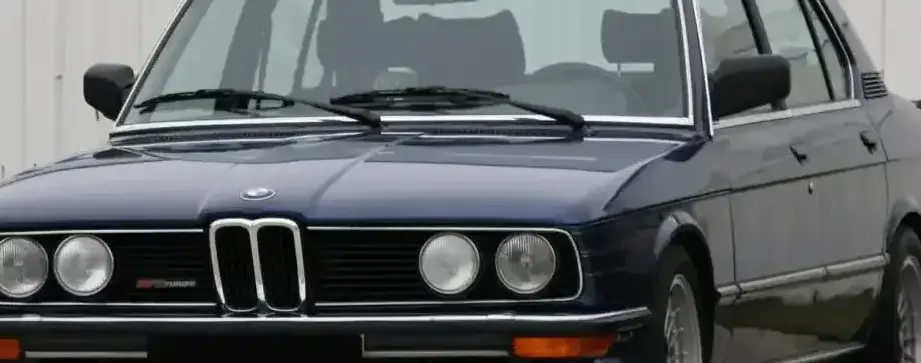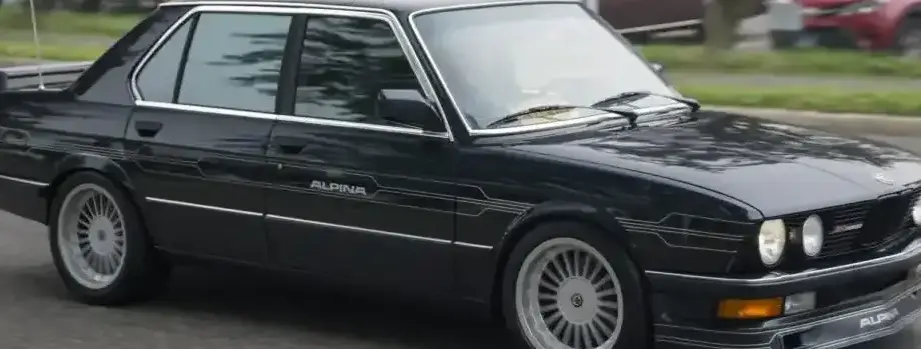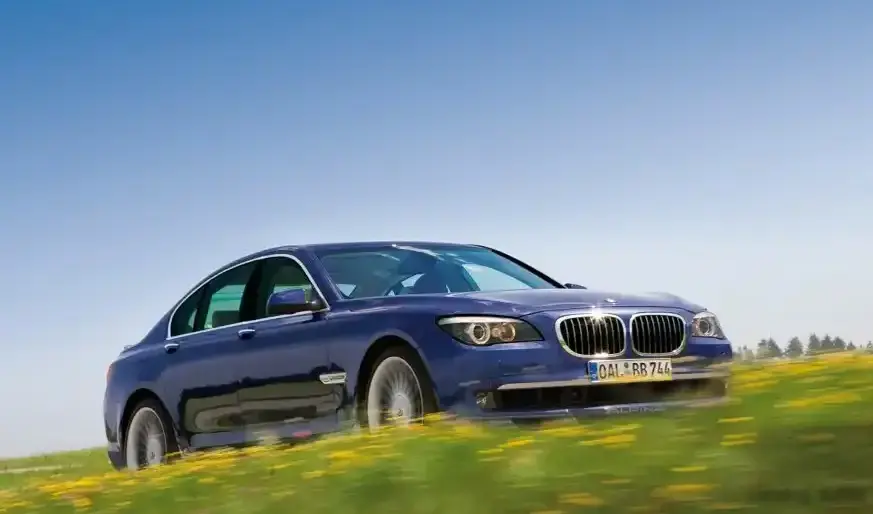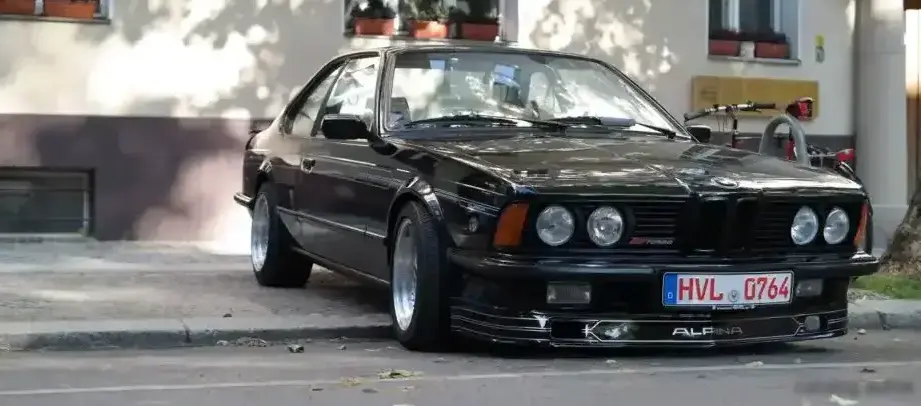
The Alpina B7 Coupe (E24) 3.0, produced between 1978 and 1982, represents a unique and highly sought-after iteration of the iconic BMW E24 6-Series coupe. Alpina, a renowned German automotive engineering firm, took the already-capable BMW and elevated it to a new level of performance and exclusivity. This wasn’t simply a cosmetic upgrade; the B7 underwent significant mechanical enhancements, resulting in a grand tourer that blended luxury, performance, and a distinctly hand-built character. Positioned as the top-tier performance variant of the E24 coupe, the B7 3.0 offered a substantial power increase over the standard BMW 630CSi and 633CSi models, appealing to drivers seeking a more engaging and refined driving experience. It served as a precursor to the later, more widely known B7 models based on the E38 7-Series.
Technical Specifications
| Brand | Alpina |
| Model | B7 |
| Generation | B7 Coupe (E24) |
| Type (Engine) | 3.0 (301 Hp) |
| Start of Production | 1978 |
| End of Production | 1982 |
| Powertrain Architecture | Internal Combustion Engine |
| Body Type | Coupe |
| Fuel Type | Petrol (Gasoline) |
| Power | 301 Hp |
| Engine Aspiration | Naturally Aspirated |
Powertrain & Engine Architecture
At the heart of the Alpina B7 Coupe 3.0 lies a modified version of BMW’s M30 inline-six engine. While visually similar to the standard BMW engines, the Alpina version, designated as the M30B3.0, received extensive internal upgrades. The displacement was increased to 3.0 liters (2988cc) through a larger bore and stroke. Alpina employed high-compression pistons, a meticulously balanced crankshaft, and a ported and polished cylinder head. Crucially, the B7 utilized a unique Alpina cylinder head featuring larger valves and optimized porting for improved airflow. Fuel delivery was managed by a Bosch K-Jetronic mechanical fuel injection system, carefully calibrated by Alpina to deliver optimal performance and drivability. The engine produced 301 horsepower at 5600 rpm and 288 lb-ft of torque at 4000 rpm.
The B7 didn’t receive a traditional automatic transmission. Alpina favored a 5-speed manual gearbox, sourced from Getrag, specifically tailored to handle the increased power output. The gearing was optimized for both spirited driving and comfortable highway cruising. A limited-slip differential was standard, enhancing traction and stability during cornering. The exhaust system was also a bespoke Alpina design, featuring stainless steel construction and a free-flowing design to minimize backpressure and contribute to the engine’s increased output.
Driving Characteristics
The Alpina B7 Coupe 3.0 offered a distinctly different driving experience compared to the standard BMW 6-Series. The increased power and torque, combined with the close-ratio 5-speed manual transmission, resulted in significantly quicker acceleration. While BMW’s 633CSi offered respectable performance, the B7 provided a noticeable step up in responsiveness and overall driving engagement. The limited-slip differential played a crucial role in maintaining traction, particularly when exiting corners. The suspension was also modified by Alpina, featuring stiffer springs and Bilstein shock absorbers, resulting in reduced body roll and improved handling. However, Alpina carefully tuned the suspension to avoid sacrificing ride comfort, ensuring that the B7 remained a capable grand tourer. The steering was precise and well-weighted, providing excellent feedback to the driver. The B7 wasn’t a track-focused weapon, but rather a refined and capable performance coupe that excelled on both winding roads and long highway journeys.
Equipment & Trim Levels
The Alpina B7 Coupe 3.0 was positioned as a premium offering, and its equipment levels reflected this. Standard features included Recaro sport seats upholstered in high-quality leather, a three-spoke Alpina steering wheel, and a comprehensive instrument cluster with additional gauges monitoring oil temperature, oil pressure, and voltmeter. Exterior features included Alpina-specific front and rear spoilers, unique alloy wheels (typically 16-inch), and subtle Alpina badging.
Optional extras included a sunroof, air conditioning, and a high-end sound system. Alpina also offered a range of bespoke customization options, allowing customers to personalize their B7 to their exact specifications. Interior trim could be tailored with various wood veneers and leather colors. The overall ambiance of the interior was one of understated luxury and sporting elegance.
Chassis & Braking
The B7 Coupe retained the fundamental chassis layout of the BMW E24, featuring a MacPherson strut front suspension and a semi-trailing arm rear suspension. However, Alpina made significant modifications to the suspension components to improve handling and stability. Stiffer springs, Bilstein shock absorbers, and thicker stabilizer bars were employed to reduce body roll and enhance cornering grip. The braking system consisted of ventilated disc brakes on all four wheels, providing ample stopping power. Alpina also upgraded the brake lines and brake pads for improved performance and fade resistance. The wheels were typically 7.5×16 inch Alpina alloys, fitted with wider tires than the standard E24, further enhancing grip and handling.
Market Reception & Comparison
The Alpina B7 Coupe 3.0 was well-received by automotive journalists and enthusiasts alike. Critics praised its blend of performance, luxury, and exclusivity. It was often compared favorably to the Porsche 911, offering a more refined and comfortable driving experience while still delivering impressive performance. Compared to the standard BMW 633CSi, the B7 offered a significant power advantage and superior handling. However, the B7 came at a substantial price premium, making it a more exclusive and less accessible option. Fuel economy, while not a primary concern for B7 buyers, was comparable to other high-performance coupes of the era. Reliability was generally good, although the increased engine output and modified components required more diligent maintenance.
Legacy
Today, the Alpina B7 Coupe (E24) 3.0 is a highly collectible and sought-after classic car. Its rarity, combined with its unique blend of performance and luxury, has made it a favorite among enthusiasts. The M30B3.0 engine is considered a masterpiece of engineering, and its robust construction ensures that many examples remain in excellent running condition. The B7’s legacy extends beyond its performance capabilities; it represents a pivotal moment in Alpina’s history, establishing the company as a leading manufacturer of high-performance BMW-based automobiles. Values for well-maintained examples have steadily increased in recent years, reflecting the growing appreciation for this iconic grand tourer. Finding parts can be challenging, but a dedicated network of Alpina specialists and BMW classic parts suppliers exists to support owners.