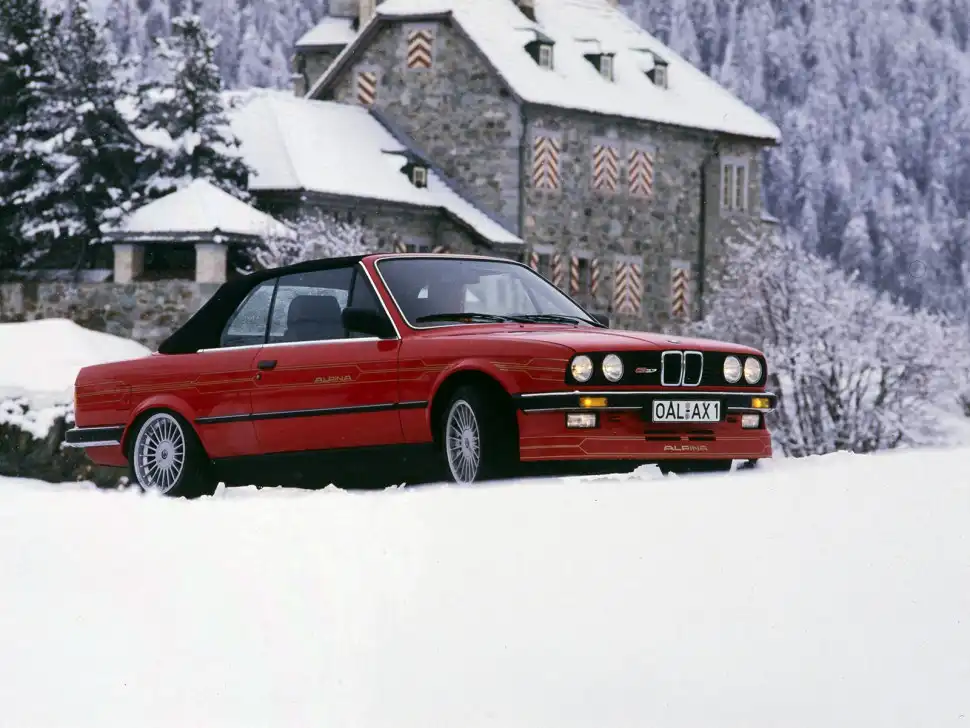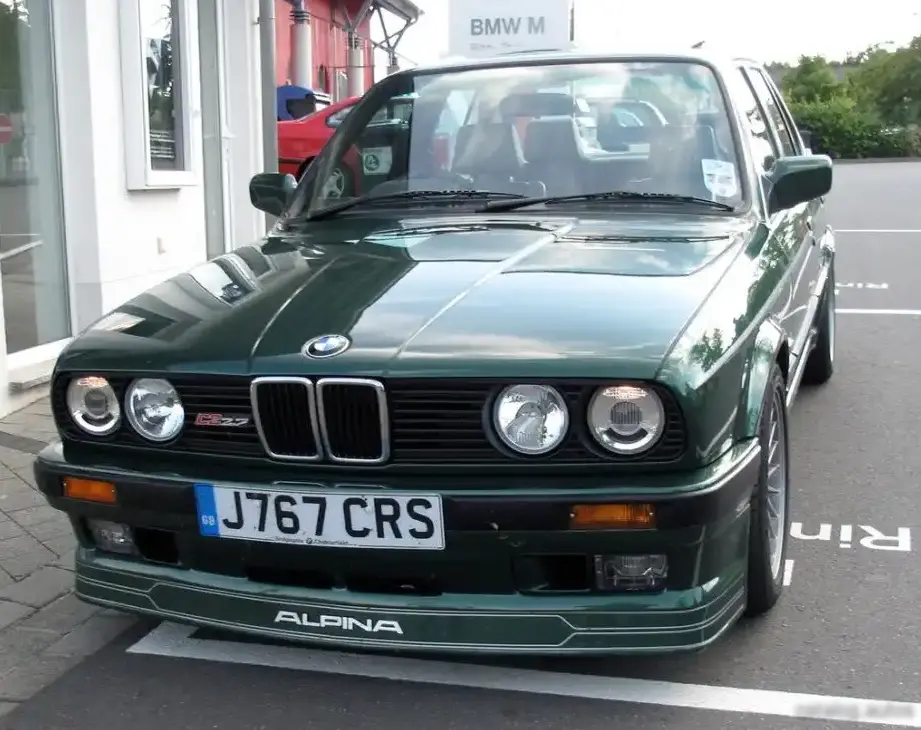
The Alpina C2 2.5, produced between 1985 and 1988, represents a unique and highly regarded iteration of the BMW E30 3-Series. Built by Alpina Burkard Bovensiepen, a renowned German automotive engineering company specializing in high-performance BMWs, the C2 wasn’t simply a modified 3-Series; it was a comprehensively engineered vehicle designed to bridge the gap between the standard BMW offerings and the full-blown M3. The C2 2.5 occupied a premium position within the E30 range, offering a blend of luxury, performance, and exclusivity. It was based on the standard E30 chassis but featured significant mechanical upgrades and distinctive styling cues, making it a sought-after classic today. Approximately 286 examples were produced, making it a relatively rare vehicle.
Technical Specifications
| Brand | Alpina |
| Model | C2 |
| Generation | C2 (E30) |
| Type (Engine) | 2.5 (185 Hp) |
| Start of Production | 1985 |
| End of Production | 1988 |
| Powertrain Architecture | Internal Combustion Engine |
| Body Type | Sedan |
| Fuel Type | Petrol (Gasoline) |
| Power | 185 Hp |
| Engine Aspiration | Naturally Aspirated |
| Engine Displacement | 2.5 Liters |
| Transmission | 5-Speed Manual, 4-Speed Automatic (Optional) |
| 0-60 mph | 7.5 seconds (approx.) |
| Top Speed | 137 mph (approx.) |
Powertrain & Engine Architecture
The heart of the Alpina C2 2.5 is its 2.5-liter straight-six engine, based on the BMW M20 block. However, Alpina didn’t simply drop a larger engine into the E30; they extensively modified it. The cylinder head was ported and polished for improved airflow, and high-compression pistons (9.7:1 compression ratio) were fitted. A unique Alpina camshaft profile was developed to optimize torque delivery across the rev range. The intake and exhaust systems were also upgraded, featuring a stainless steel exhaust system designed for reduced backpressure and a distinctive sound. Fuel injection was handled by Bosch Motronic, a sophisticated electronic fuel injection system for the time, ensuring precise fuel metering and optimal combustion.
While a five-speed manual transmission was standard, a four-speed automatic transmission was offered as an option, catering to buyers prioritizing comfort and ease of use. The automatic transmission, while reducing outright performance, still provided a refined driving experience. The engine, designated as the Alpina B6 2.5, produced 185 horsepower and 177 lb-ft of torque. This output, while less than the later E30 M3, was significantly higher than the standard 325i of the period.
Driving Characteristics
The Alpina C2 2.5 offered a distinctly different driving experience compared to the standard E30 3-Series and even the M3. The increased displacement and Alpina’s engine tuning resulted in a broader, more usable powerband. The engine delivered strong torque from low RPMs, making it exceptionally flexible in everyday driving situations. The manual transmission provided precise shifts and allowed the driver to fully exploit the engine’s capabilities. The optional automatic, while not as engaging, offered smooth and effortless cruising.
The C2’s suspension was also upgraded, featuring stiffer springs, Bilstein shock absorbers, and a larger diameter stabilizer bar. This resulted in reduced body roll and improved handling, without sacrificing ride comfort. The steering was precise and well-weighted, providing excellent feedback to the driver. Overall, the C2 2.5 offered a balanced and refined driving experience, combining performance with a degree of luxury and sophistication.
Equipment & Trim Levels
The Alpina C2 2.5 was positioned as a premium vehicle, and its equipment levels reflected this. Standard features included Recaro sport seats upholstered in high-quality cloth or leather, a sports steering wheel, electric windows, and central locking. Alpina-specific touches were evident throughout the interior, including unique gauges, a serialized Alpina production plaque, and special trim details.
Optional extras included a sunroof, air conditioning, and a premium sound system. Alpina also offered a range of bespoke customization options, allowing buyers to personalize their C2 to their exact specifications. The exterior styling was subtle but distinctive, featuring Alpina-specific front and rear spoilers, side skirts, and a unique set of alloy wheels. The interior trim was typically executed in a restrained and elegant manner, avoiding the overtly sporty aesthetic of the M3.
Chassis & Braking
The C2 2.5 utilized the standard E30 chassis, but with several key modifications. As mentioned, the suspension was upgraded with stiffer springs and Bilstein shocks. The brake system was also enhanced, featuring larger brake discs and improved calipers. Rear disc brakes were standard, providing superior stopping power compared to the drum brakes found on some lower-spec E30 models. The wheels were typically 7×15 inch Alpina alloy wheels, fitted with wider tires for improved grip.
The chassis modifications were carefully engineered to enhance handling and stability without compromising ride comfort. The result was a car that felt planted and secure on the road, even when pushed hard. The braking system provided ample stopping power for spirited driving, and the wider tires contributed to improved grip and cornering ability.
Market Reception & Comparison
The Alpina C2 2.5 was well-received by automotive critics, who praised its blend of performance, luxury, and exclusivity. It was seen as a compelling alternative to the standard E30 3-Series and the more focused E30 M3. Critics noted the C2’s smooth and refined engine, its comfortable ride, and its well-appointed interior.
Compared to the E30 M3, the C2 2.5 offered a more relaxed and refined driving experience. The M3 was a more hardcore performance machine, designed for track days and spirited driving. The C2, on the other hand, was more suited to everyday use, offering a comfortable and enjoyable driving experience without sacrificing performance. Compared to the standard 325i, the C2 2.5 offered a significant performance upgrade, along with a higher level of luxury and exclusivity. Fuel economy was comparable to the 325i, but maintenance costs were higher due to the C2’s more complex engine and specialized components.
Legacy
The Alpina C2 2.5 remains a highly sought-after classic car today. Its rarity, combined with its unique blend of performance and luxury, has made it a favorite among collectors and enthusiasts. The Alpina-tuned engine is known for its reliability, provided it is properly maintained. However, sourcing parts can be challenging due to the C2’s limited production run.
The C2 2.5 represents a significant chapter in Alpina’s history, demonstrating the company’s ability to create truly special and unique BMWs. It paved the way for future Alpina models and cemented the company’s reputation as a leading tuner of BMW automobiles. In the used car market, well-maintained examples of the C2 2.5 command premium prices, reflecting their rarity and desirability. It stands as a testament to the enduring appeal of a thoughtfully engineered and beautifully crafted automobile.