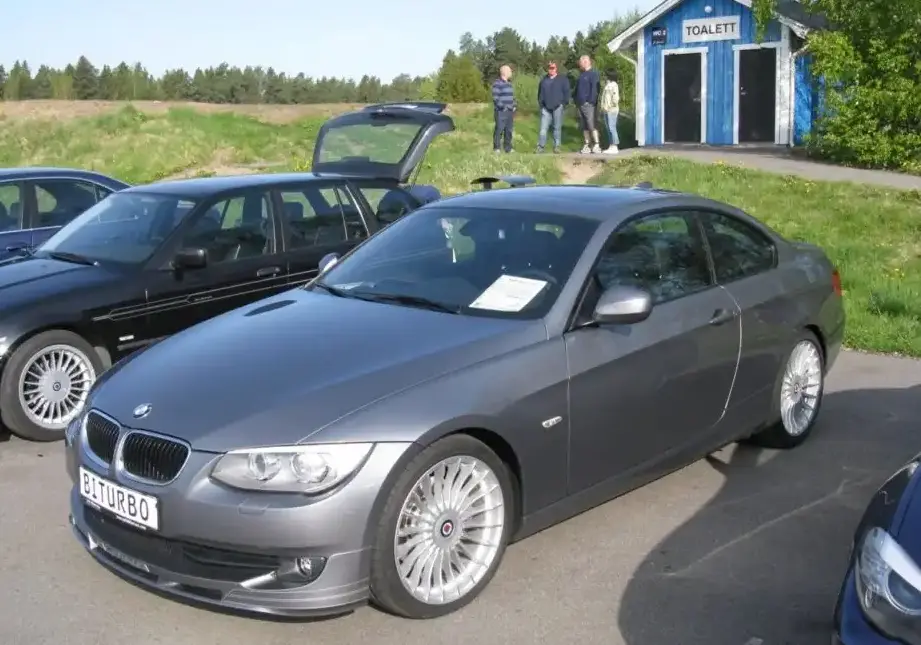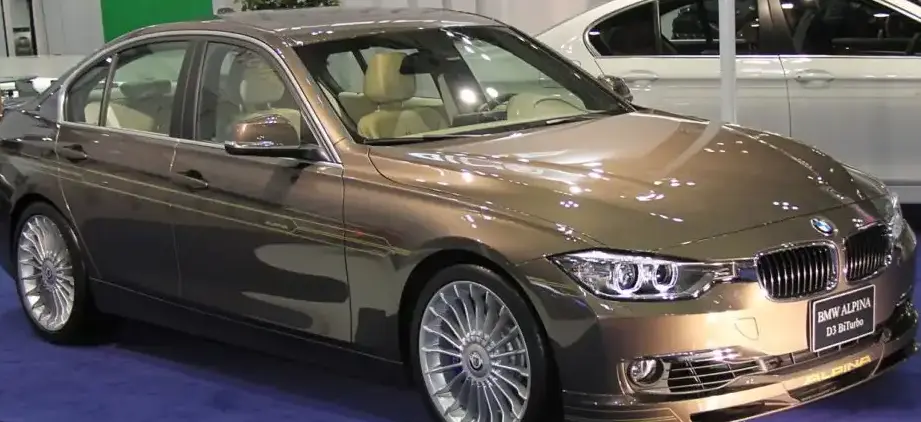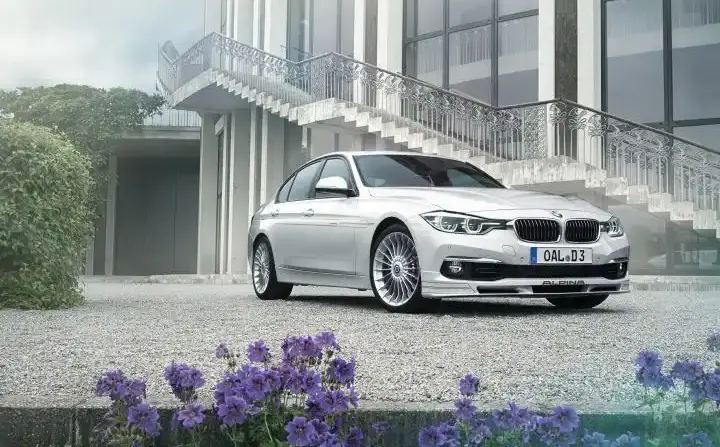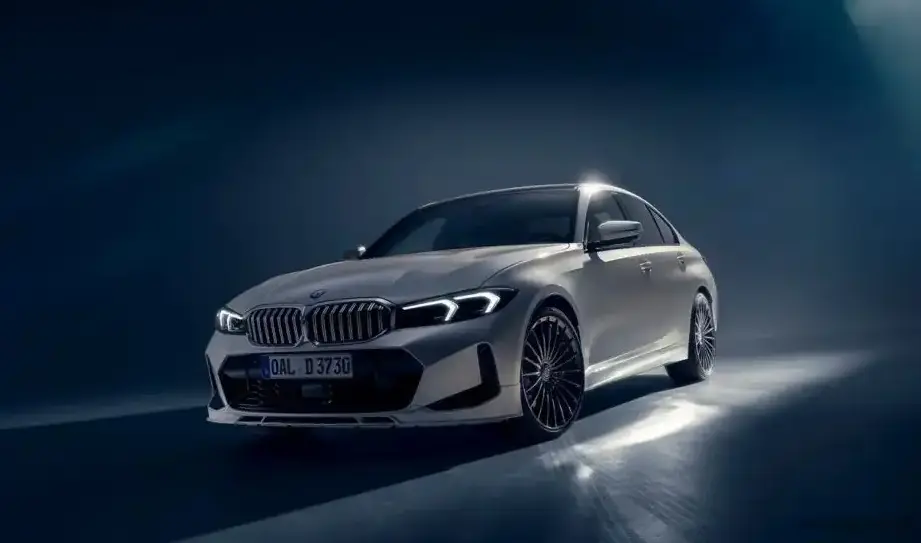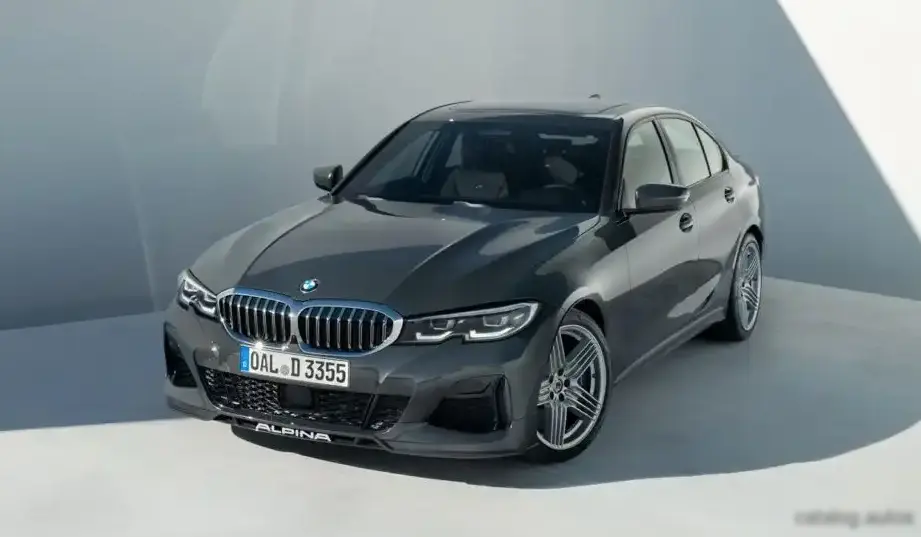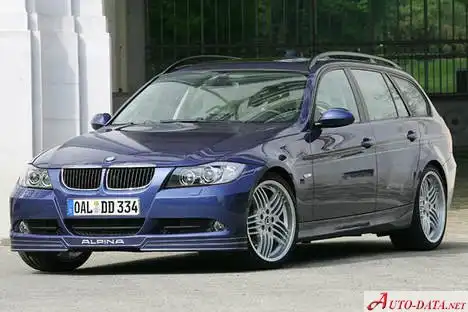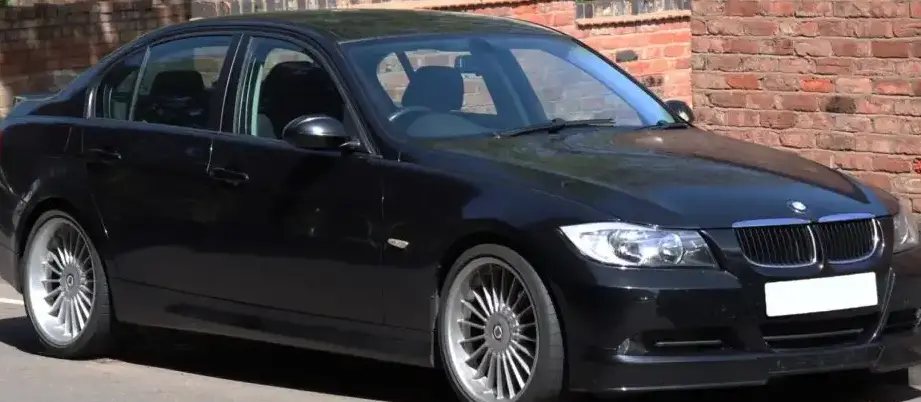
The Alpina D3 (E90), produced between 2008 and 2013, represents a unique offering in the high-performance diesel sedan market. Based on the BMW 3 Series (E90) chassis, the D3 was meticulously engineered by Alpina to deliver a blend of luxury, performance, and fuel efficiency. This variant, powered by a 2.0-liter bi-turbo diesel engine producing 214 horsepower, occupied a middle ground within the D3 lineup, offering a compelling alternative to the more powerful gasoline-fueled Alpina models and the standard BMW 3 Series diesels. It was primarily marketed in Europe, where demand for high-performance diesels was significantly stronger than in the United States.
Technical Specifications
| Brand | Alpina |
| Model | D3 |
| Generation | D3 (E90) |
| Type (Engine) | 2.0 Bi-Turbo Diesel (214 Hp) |
| Start of production | 2008 |
| End of production | 2013 |
| Powertrain Architecture | Internal Combustion engine |
| Body type | Sedan |
| Seats | 5 |
| Doors | 4 |
| Fuel consumption (urban) | 6.7 l/100 km (35.1 US mpg, 42.2 UK mpg, 14.9 km/l) |
| Fuel consumption (extra urban) | 4.6 l/100 km (51.1 US mpg, 61.4 UK mpg, 21.7 km/l) |
| Fuel consumption (combined) | 5.4 l/100 km (43.6 US mpg, 52.3 UK mpg, 18.5 km/l) |
| CO2 emissions | 144 g/km |
| Fuel Type | Diesel |
| Acceleration 0 – 100 km/h | 6.9 sec |
| Acceleration 0 – 62 mph | 6.9 sec |
| Acceleration 0 – 60 mph | 6.6 sec |
| Maximum speed | 244 km/h (151.61 mph) |
| Emission standard | Euro 5 |
| Weight-to-power ratio | 6.9 kg/Hp, 144.6 Hp/tonne |
| Weight-to-torque ratio | 3.3 kg/Nm, 304.1 Nm/tonne |
| Power | 214 Hp @ 4100 rpm |
| Torque | 450 Nm @ 2000 rpm (331.9 lb.-ft. @ 2000 rpm) |
| Engine layout | Front, Longitudinal |
| Engine Model/Code | Alpina N1 |
| Engine displacement | 1995 cm3 (121.74 cu. in.) |
| Number of cylinders | 4 |
| Engine configuration | Inline |
| Cylinder Bore | 84 mm (3.31 in.) |
| Piston Stroke | 90 mm (3.54 in.) |
| Compression ratio | 17:1 |
| Number of valves per cylinder | 4 |
| Fuel injection system | Diesel Commonrail |
| Engine aspiration | BiTurbo, Intercooler |
| Valvetrain | DOHC |
| Engine systems | Particulate filter |
| Kerb Weight | 1480 kg (3262.84 lbs.) |
| Max. weight | 2000 kg (4409.25 lbs.) |
| Max load | 520 kg (1146.4 lbs.) |
| Trunk (boot) space – minimum | 450 l (15.89 cu. ft.) |
| Fuel tank capacity | 61 l (16.11 US gal | 13.42 UK gal) |
| Length | 4545 mm (178.94 in.) |
| Width | 1817 mm (71.54 in.) |
| Height | 1413 mm (55.63 in.) |
| Wheelbase | 2760 mm (108.66 in.) |
| Front track | 1500 mm (59.06 in.) |
| Rear (Back) track | 1513 mm (59.57 in.) |
| Drivetrain Architecture | The Internal combustion engine (ICE) drives the rear wheels of the vehicle. |
| Drive wheel | Rear wheel drive |
| Number of gears and type of gearbox | 6 gears, automatic transmission |
| Front suspension | Spring Strut |
| Rear suspension | Coil spring |
| Front brakes | Ventilated discs, 375 mm |
| Rear brakes | Ventilated discs, 300 mm |
| Assisting systems | ABS (Anti-lock braking system) |
| Steering type | Steering rack and pinion |
| Power steering | Hydraulic Steering |
| Tires size | Front wheel tires: 245/40 R18Rear wheel tires: 265/40 R18 |
| Wheel rims size | Front wheel rims: 8J x 18Rear wheel rims: 9J x18 |
Powertrain & Engine Architecture
At the heart of the D3 lies the Alpina N1 engine, a highly modified version of the BMW N47 2.0-liter four-cylinder diesel. The key to its performance is the sequential twin-turbocharger system. A smaller turbocharger provides quick spool-up for immediate response at low engine speeds, while a larger turbocharger kicks in at higher RPMs to maintain power throughout the rev range. This setup, combined with an intercooler, allows the engine to produce 214 hp at 4100 rpm and a substantial 450 Nm (331.9 lb-ft) of torque at just 2000 rpm. The engine utilizes a common rail direct injection system, delivering fuel at extremely high pressure for optimized combustion. The D3 exclusively came with a ZF 6-speed automatic transmission, specifically tuned by Alpina for smooth and responsive shifts. This transmission was known for its durability and ability to handle the engine’s torque output.
Driving Characteristics
The D3 2.0 Bi-Turbo Automatic offers a surprisingly engaging driving experience. While not as brutally fast as the gasoline-powered Alpina B3, the D3 delivers strong acceleration, achieving 0-60 mph in approximately 6.6 seconds. The automatic transmission, while not offering the ultimate control of a manual, provides seamless gear changes and contributes to a relaxed cruising experience. The abundance of low-end torque makes overtaking effortless. Compared to the standard BMW 320d EfficientDynamics, the D3 offers a noticeable performance upgrade, with a more responsive throttle and a more refined overall feel. However, it doesn’t quite match the outright performance of the 335d, which featured a larger inline-six diesel engine.
Equipment & Trim Levels
The Alpina D3 was generally well-equipped, offering a higher level of standard features than the base BMW 3 Series. Standard equipment typically included leather upholstery, sport seats, automatic climate control, a premium sound system, and Alpina-specific exterior styling cues, such as unique front and rear bumpers, side skirts, and wheels. Optional extras included a sunroof, navigation system, and upgraded interior trim options. The interior featured Alpina badging on the steering wheel, door sills, and instrument cluster, reinforcing its exclusive character.
Chassis & Braking
The D3’s chassis benefited from Alpina’s expertise in suspension tuning. While retaining the basic BMW 3 Series architecture, the D3 featured stiffer springs and dampers, along with a slightly lowered ride height, to improve handling and reduce body roll. The braking system consisted of ventilated discs all around, with larger front discs (375mm) compared to the standard 3 Series. ABS (Anti-lock Braking System) was standard. The suspension setup provided a good balance between comfort and handling, making the D3 suitable for both daily driving and spirited driving on winding roads.
Market Reception & Comparison
The Alpina D3 was generally well-received by automotive critics, who praised its blend of performance, fuel efficiency, and luxury. It was seen as a compelling alternative to the more common gasoline-powered performance sedans, particularly for drivers who prioritized fuel economy. Compared to the BMW 335d, the D3 offered a slightly less powerful but more fuel-efficient option. Its fuel economy figures of around 43.6 US mpg combined were particularly attractive to European buyers. Reliability was generally good, although the complex twin-turbocharger system required careful maintenance.
Legacy
The Alpina D3 (E90) remains a desirable used car, particularly among enthusiasts who appreciate its unique combination of performance and efficiency. The 2.0-liter bi-turbo diesel engine, while complex, has proven to be relatively durable when properly maintained. The ZF 6-speed automatic transmission is also known for its reliability. Today, these cars represent a relatively affordable entry point into the Alpina brand, offering a taste of the company’s engineering expertise and exclusivity. The D3’s success helped to establish Alpina as a respected manufacturer of high-performance diesel vehicles, paving the way for future models like the D5.