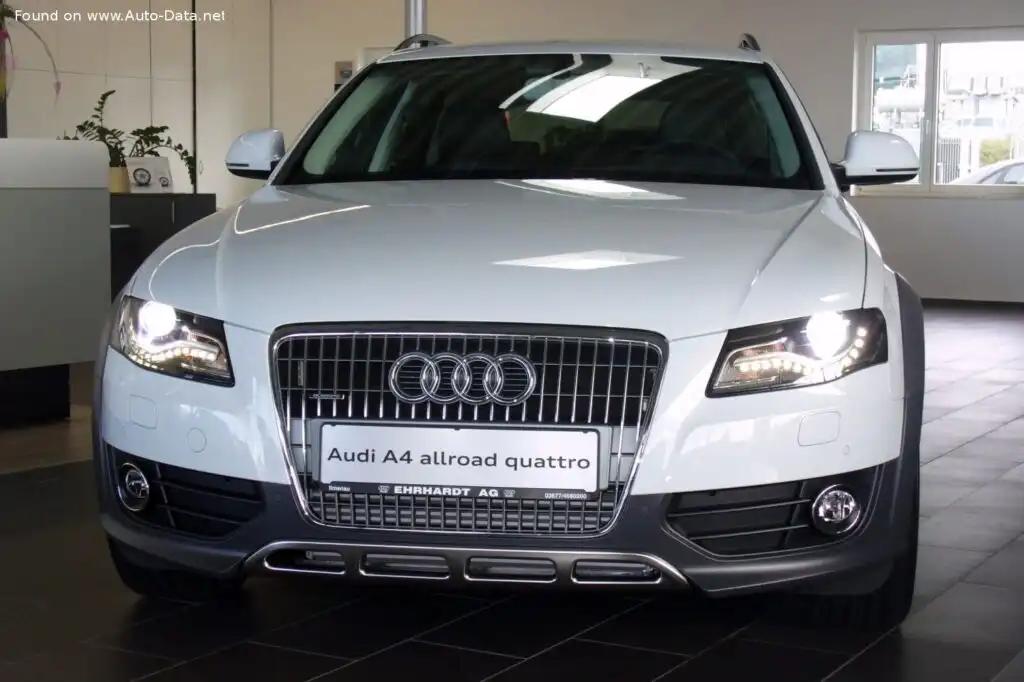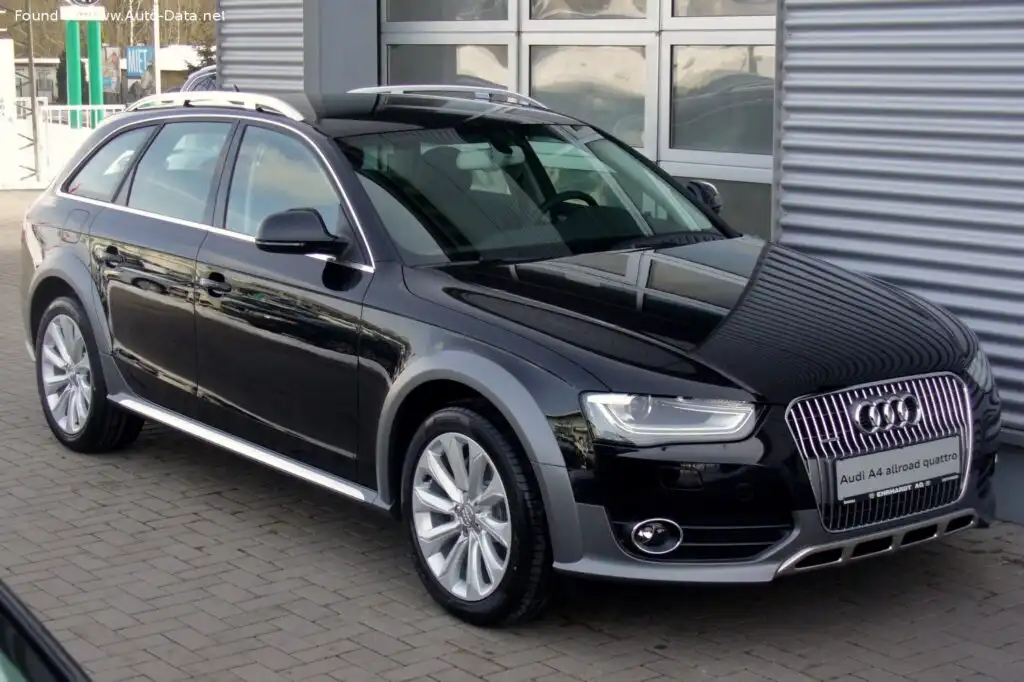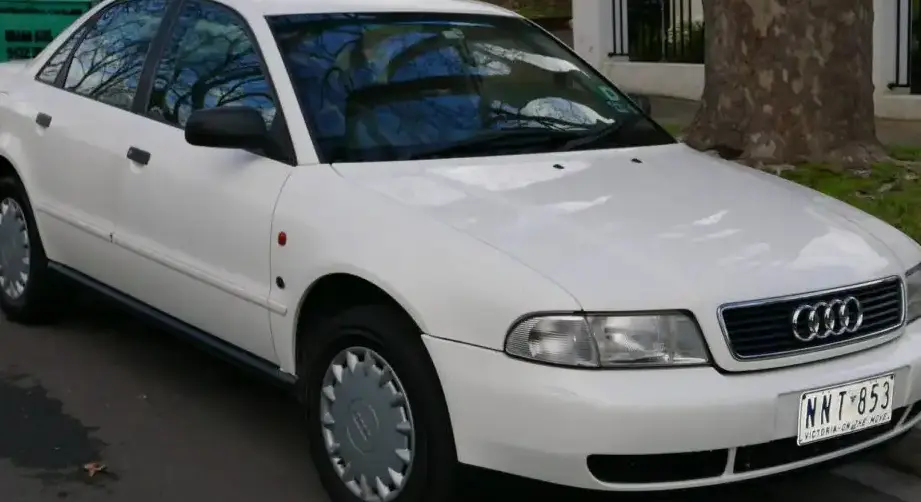
The Audi A4 (B5), produced from November 1994 to 1999, represented a significant step forward for Audi, establishing a new benchmark in the compact executive car segment. The 1.8 20V quattro variant, equipped with a five-speed manual transmission, occupied a middle ground within the B5 A4 lineup, offering a blend of performance and all-weather capability. Built on the Volkswagen Group’s 1HX0/A3 platform, it aimed to provide a more accessible entry point into the A4 range while still delivering the Audi experience. This model served as a popular choice for buyers seeking a refined and capable sedan with the added security of Audi’s quattro all-wheel-drive system.
Technical Specifications
| Brand | Audi |
| Model | A4 |
| Generation | A4 (B5, Typ 8D) |
| Type (Engine) | 1.8 20V (125 Hp) quattro |
| Start of production | November, 1994 |
| End of production | 1999 |
| Powertrain Architecture | Internal Combustion engine |
| Body type | Sedan |
| Seats | 5 |
| Doors | 4 |
| Fuel consumption (urban) | 13 l/100 km (18.1 US mpg, 21.7 UK mpg, 7.7 km/l) |
| Fuel consumption (extra urban) | 7.1 l/100 km (33.1 US mpg, 39.8 UK mpg, 14.1 km/l) |
| Fuel consumption (combined) | 8.5 l/100 km (27.7 US mpg, 33.2 UK mpg, 11.8 km/l) |
| Fuel Type | Petrol (Gasoline) |
| Acceleration 0 – 100 km/h | 10.8 sec |
| Acceleration 0 – 62 mph | 10.8 sec |
| Acceleration 0 – 60 mph | 10.3 sec |
| Maximum speed | 202 km/h (125.52 mph) |
| Weight-to-power ratio | 10.6 kg/Hp, 94.7 Hp/tonne |
| Weight-to-torque ratio | 7.6 kg/Nm, 131.1 Nm/tonne |
| Power | 125 Hp @ 5800 rpm |
| Power per litre | 70.2 Hp/l |
| Torque | 173 Nm @ 3950 rpm (127.6 lb.-ft. @ 3950 rpm) |
| Engine layout | Front, Longitudinal |
| Engine Model/Code | ADR, ARG |
| Engine displacement | 1781 cm3 (108.68 cu. in.) |
| Number of cylinders | 4 |
| Engine configuration | Inline |
| Cylinder Bore | 81 mm (3.19 in.) |
| Piston Stroke | 86.4 mm (3.4 in.) |
| Compression ratio | 10.3:1 |
| Number of valves per cylinder | 5 |
| Fuel injection system | Multi-port manifold injection |
| Engine aspiration | Naturally aspirated engine |
| Valvetrain | DOHC |
| Engine oil capacity | 3.5 l (3.7 US qt | 3.08 UK qt) |
| Coolant | 6.5 l (6.87 US qt | 5.72 UK qt) |
| Kerb Weight | 1320 kg (2910.1 lbs.) |
| Max. weight | 1870 kg (4122.64 lbs.) |
| Max load | 550 kg (1212.54 lbs.) |
| Trunk (boot) space – minimum | 440 l (15.54 cu. ft.) |
| Fuel tank capacity | 60 l (15.85 US gal | 13.2 UK gal) |
| Length | 4479 mm (176.34 in.) |
| Width | 1733 mm (68.23 in.) |
| Height | 1415 mm (55.71 in.) |
| Wheelbase | 2607 mm (102.64 in.) |
| Front track | 1498 mm (58.98 in.) |
| Rear (Back) track | 1477 mm (58.15 in.) |
| Drag coefficient (Cd) | 0.31 |
| Minimum turning circle | 11.1 m (36.42 ft.) |
| Drive wheel | All wheel drive (4×4) |
| Number of gears | 5 gears, manual transmission |
| Front suspension | Wishbone |
| Rear suspension | Double wishbone |
| Front brakes | Disc |
| Rear brakes | Disc |
| Assisting systems | ABS (Anti-lock braking system) |
| Steering type | Steering rack and pinion |
| Power steering | Hydraulic Steering |
| Tires size | 195/65 R15 |
| Wheel rims size | 15 |
Powertrain & Engine Architecture
The heart of the A4 1.8 20V quattro is the 1781cc inline-four cylinder engine, typically identified by engine codes ADR or ARG. This engine featured a five-valve-per-cylinder (20V) configuration, a dual overhead camshaft (DOHC) valvetrain, and multi-port fuel injection. The 20-valve head design, compared to the earlier 8-valve engines, significantly improved breathing and allowed for a higher redline, contributing to increased power output. The ADR and ARG engines were largely similar, with minor revisions to engine management software and emissions control systems. The engine’s longitudinal mounting allowed for a front-engine, all-wheel-drive configuration, maximizing traction and stability. The five-speed manual transmission was the standard offering, providing precise gear changes and a direct connection to the engine. This transmission was known for its durability and relatively smooth operation.
Driving Characteristics
The 1.8L 20V engine, producing 125 horsepower, delivered adequate performance for everyday driving. Acceleration from 0-60 mph took around 10.3 seconds, making it competitive within its class. While not as quick as the more powerful V6 variants, the 1.8L offered a more balanced driving experience. The quattro all-wheel-drive system provided excellent grip in various weather conditions, enhancing stability and confidence. The five-speed manual transmission allowed drivers to effectively utilize the engine’s powerband, although the gear ratios were somewhat spaced apart, requiring frequent shifting during spirited driving. Compared to the automatic transmission option, the manual version offered a more engaging and responsive driving experience. The 1.8L quattro felt nimble and well-balanced, making it enjoyable to drive on both city streets and winding roads.
Equipment & Trim Levels
The 1.8 20V quattro typically came standard with features such as power windows, power locks, and air conditioning. Interior upholstery was usually cloth, with options for leather available at an extra cost. The dashboard layout was functional and well-designed, with clear instrumentation and intuitive controls. Optional extras included a sunroof, upgraded audio system, and heated front seats. The trim level often dictated the availability of these options, with higher trims offering more standard features. The A4 B5 prioritized a comfortable and refined interior, offering a premium feel compared to some of its competitors.
Chassis & Braking
The A4 B5 featured a fully independent suspension system, with wishbone suspension at the front and a double wishbone setup at the rear. This configuration provided a comfortable ride while maintaining good handling characteristics. The 1.8L quattro models were typically equipped with disc brakes on all four wheels, offering ample stopping power. An Anti-lock Braking System (ABS) was standard, enhancing safety and control during emergency braking situations. Stabilizer bars were fitted to both the front and rear axles, reducing body roll and improving cornering stability. The chassis was designed to be rigid and durable, contributing to the car’s overall stability and handling.
Market Reception & Comparison
The Audi A4 1.8 20V quattro was generally well-received by automotive critics. It was praised for its refined interior, comfortable ride, and all-weather capability. Fuel economy was considered reasonable for its class, averaging around 27.7 US mpg in combined driving. Compared to the more powerful V6 models, the 1.8L quattro offered a more affordable entry point into the A4 range. However, some critics noted that the engine could feel underpowered when fully loaded or driving uphill. The 1.9 TDI diesel variant offered superior fuel economy and torque, but lacked the smoothness and refinement of the 1.8L gasoline engine. The 1.8L quattro appealed to buyers who prioritized a balanced driving experience and all-weather performance.
Legacy
The Audi A4 B5 1.8 20V quattro has proven to be a relatively reliable vehicle, with many examples still on the road today. The engine is known for its durability, although regular maintenance is essential to prevent issues such as oil leaks and timing belt failure. The quattro all-wheel-drive system is also generally reliable, but may require occasional servicing. In the used car market, these A4s are often sought after by enthusiasts who appreciate their classic Audi styling and driving dynamics. While not as collectible as some of the more rare A4 variants, the 1.8 20V quattro remains a popular and affordable option for those seeking a well-built and capable compact executive car.