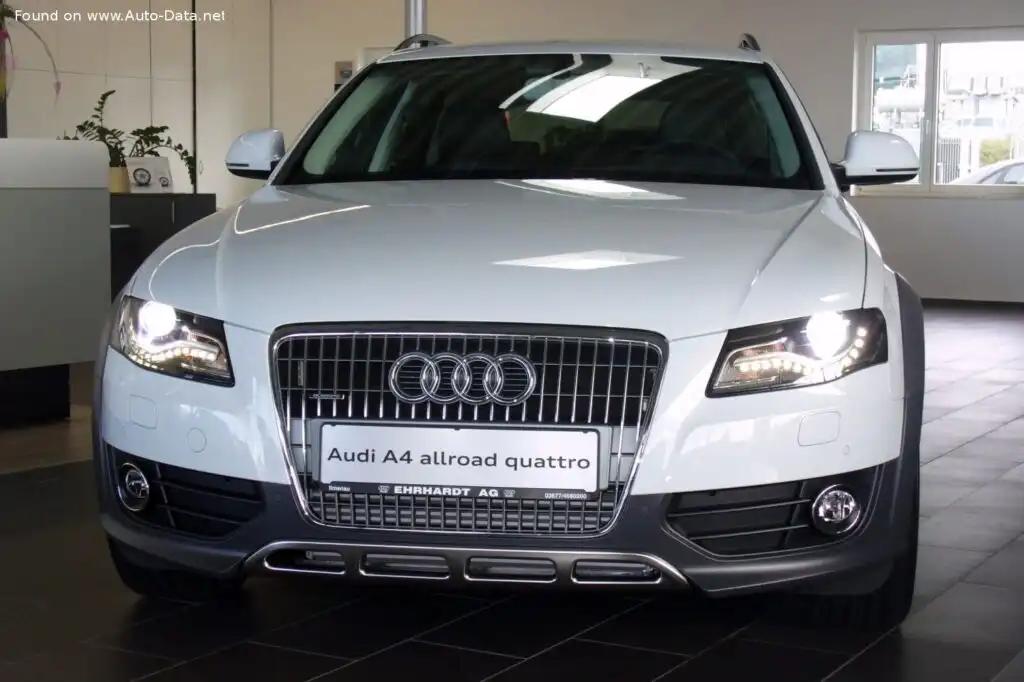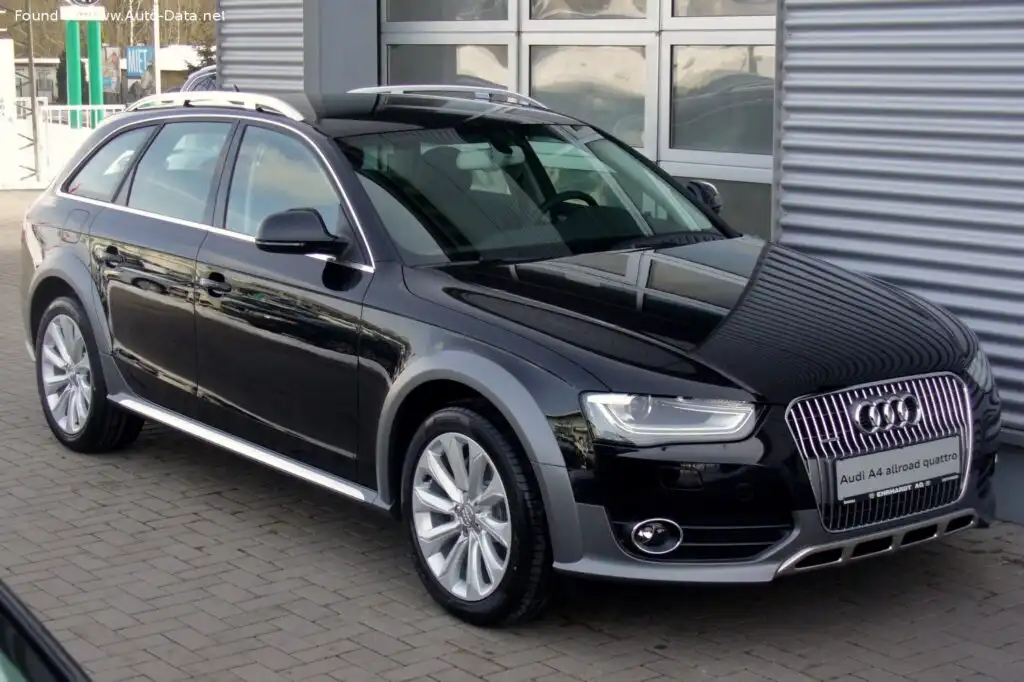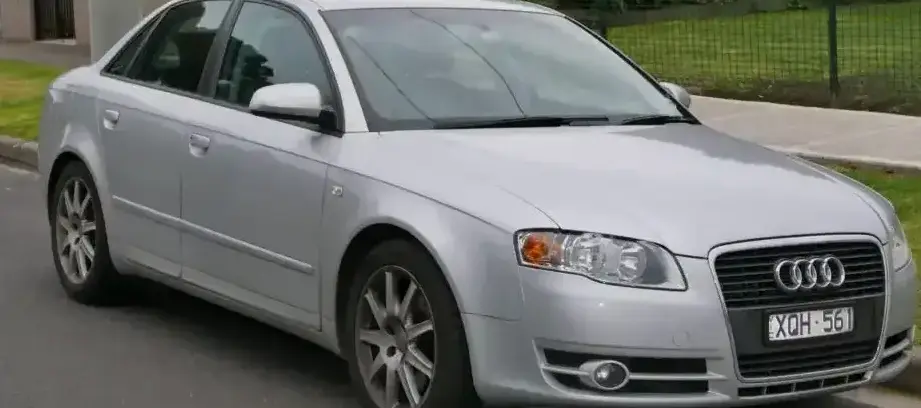
The Audi A4 (B7), produced between 2004 and 2008, represented a significant evolution of Audi’s popular compact executive car. The 2.0 TFSI variant, boasting 200 horsepower, arrived in August 2004 as a key addition to the B7 lineup. Positioned as a mid-range offering, it bridged the gap between the entry-level 1.8T models and the performance-oriented 3.2 FSI and S4 variants. This model was primarily aimed at buyers seeking a blend of performance, refinement, and modern technology within the Audi brand. It was a popular choice in European markets, where fuel efficiency and driving dynamics were highly valued, and also gained traction in North America as Audi continued to build its presence.
Technical Specifications
| Brand | Audi |
| Model | A4 |
| Generation | A4 (B7 8E) |
| Type (Engine) | 2.0 TFSI (200 Hp) |
| Start of production | August, 2004 |
| End of production | June, 2008 |
| Powertrain Architecture | Internal Combustion engine |
| Body type | Sedan |
| Seats | 5 |
| Doors | 4 |
| Fuel consumption (urban) | 10.9 l/100 km (21.6 US mpg, 25.9 UK mpg, 9.2 km/l) |
| Fuel consumption (extra urban) | 5.8 l/100 km (40.6 US mpg, 48.7 UK mpg, 17.2 km/l) |
| Fuel consumption (combined) | 7.7 l/100 km (30.5 US mpg, 36.7 UK mpg, 13 km/l) |
| CO2 emissions | 185 g/km |
| Fuel Type | Petrol (Gasoline) |
| Acceleration 0 – 100 km/h | 7.3 sec |
| Acceleration 0 – 62 mph | 7.3 sec |
| Acceleration 0 – 60 mph | 6.9 sec |
| Maximum speed | 241 km/h (149.75 mph) |
| Emission standard | Euro 4 |
| Weight-to-power ratio | 7.1 kg/Hp, 140.4 Hp/tonne |
| Weight-to-torque ratio | 5.1 kg/Nm, 196.5 Nm/tonne |
| Power | 200 Hp @ 5100-6000 rpm |
| Power per litre | 100.8 Hp/l |
| Torque | 280 Nm @ 1800-5000 rpm (206.52 lb.-ft. @ 1800-5000 rpm) |
| Engine layout | Front, Longitudinal |
| Engine Model/Code | BGB, BPG, BWE, BWT |
| Engine displacement | 1984 cm3 (121.07 cu. in.) |
| Number of cylinders | 4 |
| Engine configuration | Inline |
| Cylinder Bore | 82.5 mm (3.25 in.) |
| Piston Stroke | 92.8 mm (3.65 in.) |
| Compression ratio | 10.5:1 |
| Number of valves per cylinder | 4 |
| Fuel injection system | Direct injection |
| Engine aspiration | Turbocharger, Intercooler |
| Valvetrain | DOHC |
| Engine oil capacity | 4.5 l (4.76 US qt | 3.96 UK qt) |
| Coolant | 8 l (8.45 US qt | 7.04 UK qt) |
| Kerb Weight | 1425 kg (3141.59 lbs.) |
| Max. weight | 1975 kg (4354.13 lbs.) |
| Max load | 550 kg (1212.54 lbs.) |
| Trunk (boot) space – minimum | 460 l (16.24 cu. ft.) |
| Trunk (boot) space – maximum | 720 l (25.43 cu. ft.) |
| Fuel tank capacity | 70 l (18.49 US gal | 15.4 UK gal) |
| Max. roof load | 75 kg (165.35 lbs.) |
| Permitted trailer load with brakes (8%) | 1600 kg (3527.4 lbs.) |
| Permitted trailer load with brakes (12%) | 1400 kg (3086.47 lbs.) |
| Permitted trailer load without brakes | 750 kg (1653.47 lbs.) |
| Permitted towbar download | 80 kg (176.37 lbs.) |
| Length | 4586 mm (180.55 in.) |
| Width | 1772 mm (69.76 in.) |
| Width including mirrors | 1937 mm (76.26 in.) |
| Height | 1427 mm (56.18 in.) |
| Wheelbase | 2648 mm (104.25 in.) |
| Front track | 1522 mm (59.92 in.) |
| Rear (Back) track | 1522 mm (59.92 in.) |
| Drag coefficient (Cd) | 0.33 |
| Minimum turning circle (turning diameter) | 11.1 m (36.42 ft.) |
| Drivetrain Architecture | The Internal combustion engine (ICE) drives the front wheels of the vehicle. |
| Drive wheel | Front wheel drive |
| Number of gears and type of gearbox | 6 gears, manual transmission |
| Front suspension | Independent multi-link suspension |
| Rear suspension | Independent multi-link suspension |
| Front brakes | Ventilated discs |
| Rear brakes | Disc |
| Assisting systems | ABS (Anti-lock braking system) |
| Steering type | Steering rack and pinion |
| Power steering | Hydraulic Steering |
| Tires size | 215/55 R16 |
| Wheel rims size | 7J x 16 |
Powertrain & Engine Architecture
The heart of the A4 2.0 TFSI is the 1.984-liter inline-four cylinder engine, designated with engine codes such as BGB, BPG, BWE, and BWT. This engine represents a significant leap forward in Audi’s engine technology, utilizing direct fuel injection (FSI) and a turbocharger with an intercooler. The direct injection system precisely meters fuel directly into the combustion chamber, improving efficiency and power output. The turbocharger, coupled with the intercooler, forces more air into the engine, further enhancing performance. The engine features a dual overhead camshaft (DOHC) valvetrain with four valves per cylinder, optimizing airflow for increased power and torque. The 2.0 TFSI engine produces 200 horsepower at 5100-6000 rpm and 280 Nm (206.52 lb.-ft.) of torque between 1800-5000 rpm. The engine is longitudinally mounted in the front of the vehicle, driving the front wheels. The standard transmission for this variant was a 6-speed manual, although a continuously variable transmission (CVT) was also available as an option.
Driving Characteristics
The 2.0 TFSI-equipped A4 offered a compelling driving experience. The turbocharger provides a noticeable boost in power, delivering strong acceleration. While not as brutally fast as the 3.2 FSI or S4 models, the 2.0 TFSI provided ample power for everyday driving and confident overtaking maneuvers. The 6-speed manual transmission offered precise shifts and allowed drivers to fully exploit the engine’s powerband. The optional CVT, while offering smooth and seamless acceleration, was often criticized for feeling less engaging than the manual. The front-wheel-drive configuration provided good traction in most conditions, although torque steer could be noticeable under hard acceleration. The suspension, tuned for a balance of comfort and handling, provided a relatively smooth ride while still offering decent body control in corners.
Equipment & Trim Levels
The 2.0 TFSI trim typically included standard features such as automatic climate control, power windows and locks, a CD stereo system, and alloy wheels. Interior upholstery was typically cloth, with leather options available as upgrades. Optional extras included a sunroof, navigation system, premium sound system, and sport seats. The A4 B7 offered a range of customization options, allowing buyers to tailor the car to their specific preferences. The trim level often dictated the standard features, with higher trims offering more luxurious appointments and advanced technology.
Chassis & Braking
The A4 B7 utilized an independent multi-link suspension system at both the front and rear, providing a comfortable ride and good handling characteristics. The front suspension featured stabilizer bars to reduce body roll during cornering. Braking duties were handled by ventilated discs at the front and solid discs at the rear, equipped with ABS (Anti-lock Braking System) as standard. The hydraulic power steering provided precise and responsive steering feel. The chassis was designed to provide a balance of rigidity and weight, contributing to the car’s overall handling performance.
Market Reception & Comparison
The Audi A4 2.0 TFSI was generally well-received by automotive critics. It was praised for its refined engine, comfortable ride, and well-appointed interior. Compared to the 1.8T models, the 2.0 TFSI offered a significant performance upgrade. However, it was more expensive than the 1.8T and didn’t quite match the performance of the more powerful 3.2 FSI. Fuel economy was respectable for its class, averaging around 30.5 US mpg in combined driving. Reliability was generally good, although some owners reported issues with the turbocharger and fuel injectors.
Legacy
The 2.0 TFSI engine became a mainstay in the Audi lineup, and its architecture continued to be refined and improved in subsequent generations of the A4. The B7 A4 2.0 TFSI remains a popular choice in the used car market today, offering a blend of performance, refinement, and value. While older examples may require some maintenance, the engine is generally considered to be durable and reliable when properly maintained. The B7 A4 2.0 TFSI represents a significant step forward in Audi’s engineering and design, and it continues to be appreciated by enthusiasts and drivers alike.