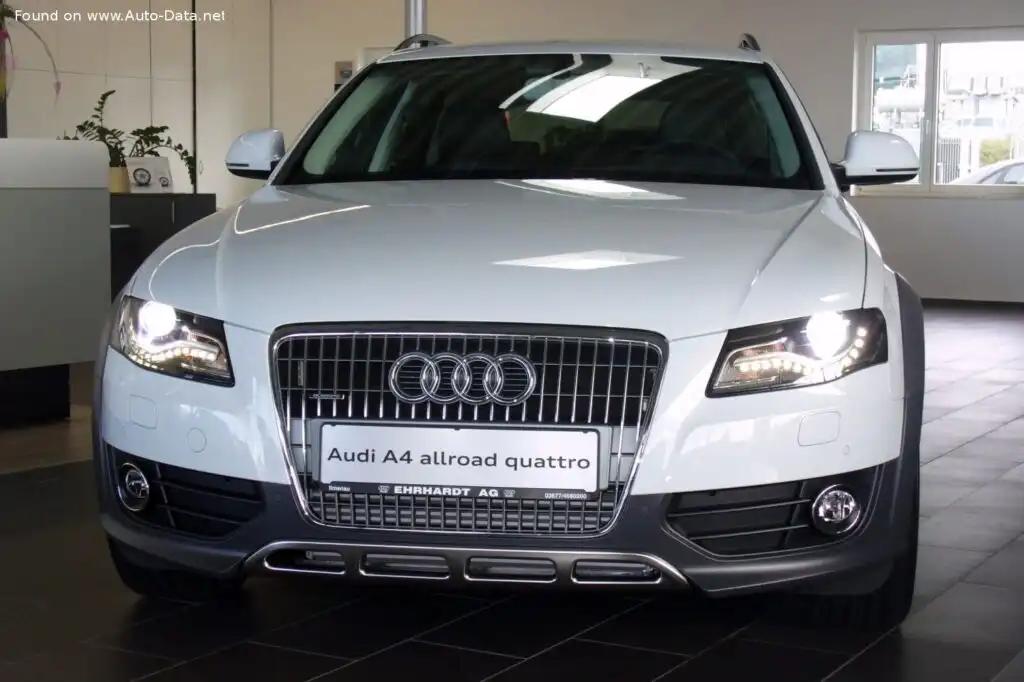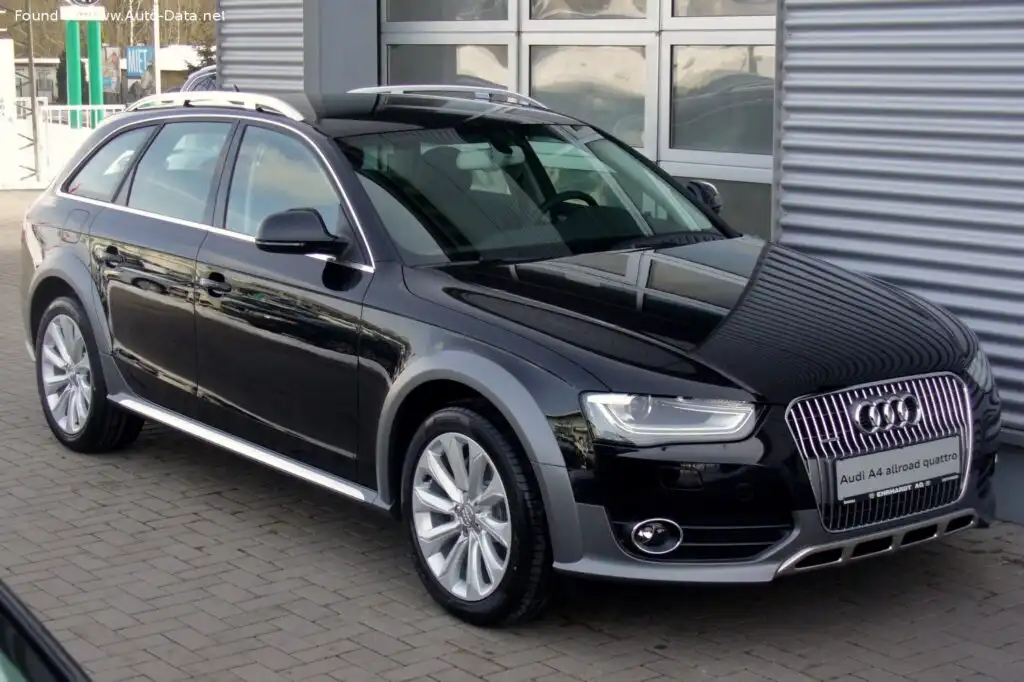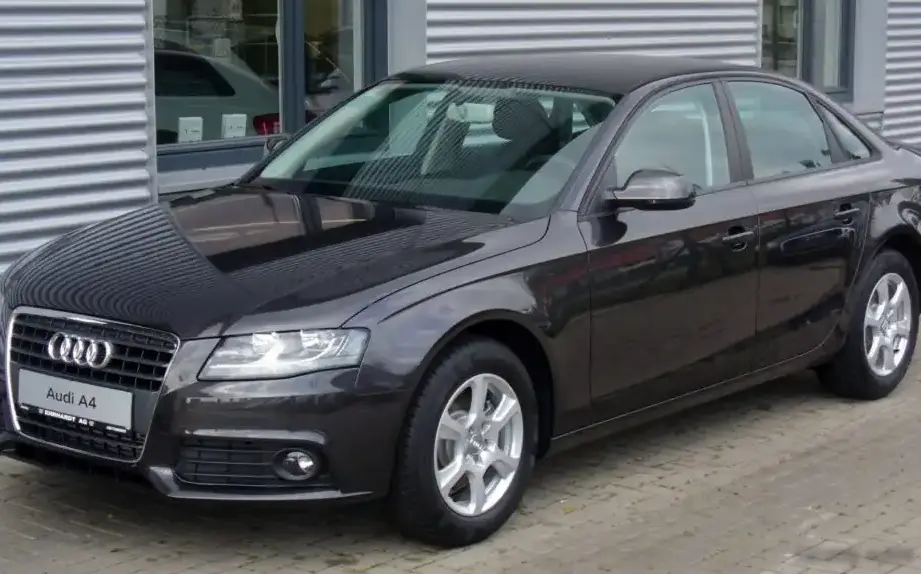
The Audi A4 (B8 8K) 2.0 TFSI Multitronic, produced from 2008 to 2011, represented a significant iteration of Audi’s popular executive sedan. Positioned as a mid-range offering within the B8 A4 lineup, this variant combined a potent 2.0-liter turbocharged four-cylinder engine with Audi’s continuously variable Multitronic transmission. It aimed to deliver a balance of performance, efficiency, and refinement, appealing to buyers seeking a more engaging driving experience than the base models, but without the higher price tag and sportier focus of the S4 or models equipped with the manual transmission. This model was primarily marketed in Europe and other global markets where continuously variable transmissions were widely accepted, though limited numbers were available in North America.
Technical Specifications
| Brand | Audi |
| Model | A4 |
| Generation | A4 (B8 8K) |
| Type (Engine) | 2.0 TFSI (211 Hp) Multitronic |
| Start of production | August, 2008 |
| End of production | 2011 |
| Powertrain Architecture | Internal Combustion engine |
| Body type | Sedan |
| Seats | 5 |
| Doors | 4 |
| Fuel consumption (urban) | 9.4 l/100 km (25 US mpg, 30.1 UK mpg, 10.6 km/l) |
| Fuel consumption (extra urban) | 5.7 l/100 km (41.3 US mpg, 49.6 UK mpg, 17.5 km/l) |
| Fuel consumption (combined) | 7.1 l/100 km (33.1 US mpg, 39.8 UK mpg, 14.1 km/l) |
| CO2 emissions | 167 g/km |
| Fuel Type | Petrol (Gasoline) |
| Acceleration 0 – 100 km/h | 6.9 sec |
| Acceleration 0 – 62 mph | 6.9 sec |
| Acceleration 0 – 60 mph | 6.6 sec |
| Maximum speed | 240 km/h (149.13 mph) |
| Emission standard | Euro 5 |
| Weight-to-power ratio | 7 kg/Hp, 143.1 Hp/tonne |
| Weight-to-torque ratio | 4.2 kg/Nm, 237.3 Nm/tonne |
| Power | 211 Hp @ 4300-6000 rpm |
| Power per litre | 106.4 Hp/l |
| Torque | 350 Nm @ 1500-4200 rpm (258.15 lb.-ft. @ 1500-4200 rpm) |
| Engine layout | Front, Longitudinal |
| Engine Model/Code | EA888 / CAEB |
| Engine displacement | 1984 cm3 (121.07 cu. in.) |
| Number of cylinders | 4 |
| Engine configuration | Inline |
| Cylinder Bore | 82.5 mm (3.25 in.) |
| Piston Stroke | 92.8 mm (3.65 in.) |
| Compression ratio | 9.6:1 |
| Number of valves per cylinder | 4 |
| Fuel injection system | Direct injection |
| Engine aspiration | Turbocharger, Intercooler |
| Valvetrain | DOHC |
| Engine oil capacity | 4.6 l (4.86 US qt | 4.05 UK qt) |
| Coolant | 7 l (7.4 US qt | 6.16 UK qt) |
| Kerb Weight | 1475 kg (3251.82 lbs.) |
| Max. weight | 2025 kg (4464.36 lbs.) |
| Max load | 550 kg (1212.54 lbs.) |
| Trunk (boot) space – minimum | 480 l (16.95 cu. ft.) |
| Trunk (boot) space – maximum | 962 l (33.97 cu. ft.) |
| Fuel tank capacity | 65 l (17.17 US gal | 14.3 UK gal) |
| Max. roof load | 90 kg (198.42 lbs.) |
| Permitted trailer load with brakes (8%) | 1700 kg (3747.86 lbs.) |
| Permitted trailer load with brakes (12%) | 1500 kg (3306.93 lbs.) |
| Permitted trailer load without brakes | 750 kg (1653.47 lbs.) |
| Permitted towbar download | 80 kg (176.37 lbs.) |
| Length | 4703 mm (185.16 in.) |
| Width | 1826 mm (71.89 in.) |
| Height | 1427 mm (56.18 in.) |
| Wheelbase | 2808 mm (110.55 in.) |
| Front track | 1564 mm (61.57 in.) |
| Rear (Back) track | 1551 mm (61.06 in.) |
| Drag coefficient (Cd) | 0.280 |
| Minimum turning circle | 11.4 m (37.4 ft.) |
| Drivetrain Architecture | The Internal combustion engine (ICE) drives the front wheels of the vehicle. |
| Drive wheel | Front wheel drive |
| Number of gears and type of gearbox | automatic transmission Multitronic |
| Front suspension | Independent multi-link suspension |
| Rear suspension | Independent multi-link spring suspension with stabilizer |
| Front brakes | Ventilated discs |
| Rear brakes | Disc |
| Assisting systems | ABS (Anti-lock braking system) |
| Steering type | Steering rack and pinion |
| Power steering | Electric Steering |
| Tires size | 225/55 R16; 225/50 R17 |
| Wheel rims size | 7.5J x 16; 7.5J x 17 |
Powertrain & Engine Architecture
At the heart of the A4 2.0 TFSI Multitronic lies the EA888 engine, specifically the CAEB variant. This 1984cc inline-four cylinder engine utilizes direct fuel injection (FSI) and a single turbocharger with an intercooler to produce 211 horsepower at 4300-6000 rpm and 350 Nm (258 lb-ft) of torque between 1500-4200 rpm. The engine features a dual overhead camshaft (DOHC) valvetrain with four valves per cylinder. The Multitronic transmission is a continuously variable transmission (CVT) that uses a chain drive instead of a traditional belt, offering smoother transitions and improved durability. It features eight pre-set ratios that can be manually selected or left to operate in automatic mode. The Multitronic was known for its efficiency and ability to keep the engine in its optimal power band.
Driving Characteristics
The 2.0 TFSI Multitronic offered a refined and comfortable driving experience. While not as overtly sporty as the manual transmission or higher-output versions, the Multitronic provided seamless acceleration and a lack of noticeable gear changes. The CVT’s ability to maintain the engine at its peak torque output resulted in brisk performance, with a 0-60 mph time of around 6.6 seconds. However, some drivers found the engine could feel slightly disconnected from the driving experience due to the CVT’s nature, lacking the direct feel of a traditional automatic or manual gearbox. The gear ratios were optimized for fuel efficiency and smooth cruising, making it well-suited for long-distance travel.
Equipment & Trim Levels
The 2.0 TFSI Multitronic typically came standard with features such as automatic climate control, power windows and locks, a multi-function steering wheel, and an Audi Concert audio system. Upholstery was generally cloth, with leather options available as an upgrade. Common optional extras included a sunroof, navigation system, parking sensors, and upgraded alloy wheels. Trim levels varied by market, but generally offered packages that bundled popular options together. The interior design was typical of Audi at the time – understated elegance with a focus on build quality and ergonomics.
Chassis & Braking
The B8 A4 featured a fully independent suspension system, with multi-link setups at both the front and rear. This provided a comfortable ride and good handling characteristics. The 2.0 TFSI models typically used ventilated front disc brakes and solid rear discs. Anti-lock braking system (ABS) was standard. Stabilizer bars were fitted to both axles to reduce body roll during cornering. The suspension tuning was geared towards comfort and stability, rather than outright sportiness, though it still provided a secure and predictable driving experience.
Market Reception & Comparison
The A4 2.0 TFSI Multitronic was generally well-received by automotive critics. It was praised for its refined engine, smooth transmission, and comfortable ride. However, some reviewers noted the CVT’s lack of engagement compared to a traditional automatic or manual gearbox. Compared to the 2.0 TFSI models with a manual transmission, the Multitronic offered slightly lower fuel economy but a more relaxed driving experience. Against the more powerful 3.2 FSI or S4 models, the 2.0 TFSI Multitronic provided a more affordable and fuel-efficient option, albeit with less outright performance.
Legacy
The EA888 engine proved to be a robust and reliable unit, and many examples are still on the road today. The Multitronic transmission, however, has a more mixed reputation. While generally reliable when properly maintained, it requires regular fluid changes and can be expensive to repair if neglected. The A4 B8 2.0 TFSI Multitronic remains a popular choice in the used car market, offering a good balance of performance, comfort, and value. Its relatively fuel-efficient engine and refined driving experience continue to appeal to buyers seeking a premium compact executive sedan.