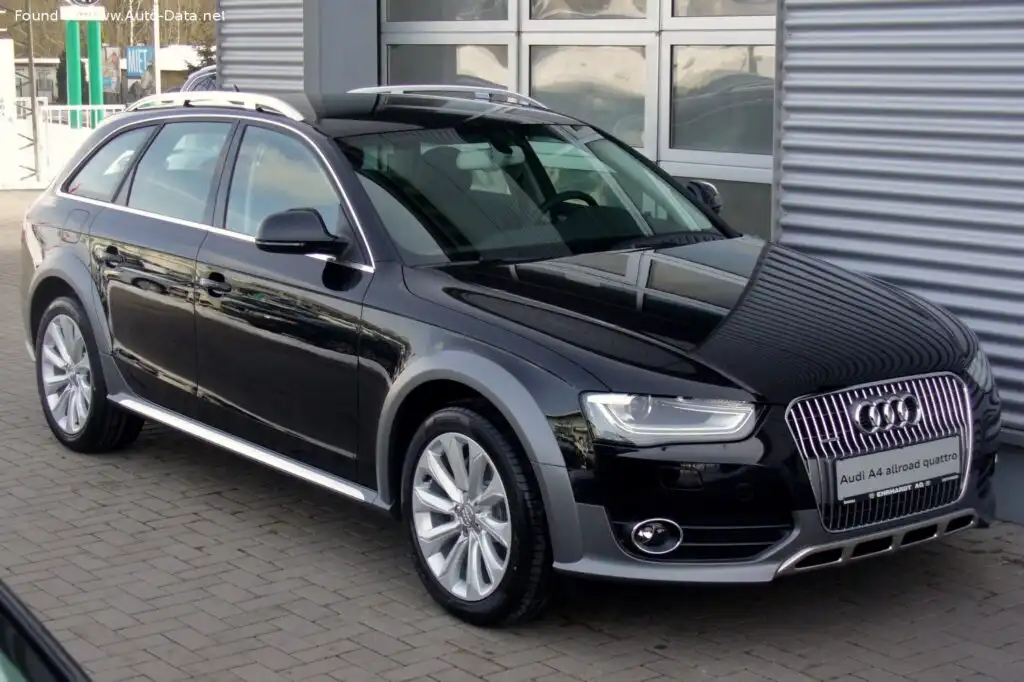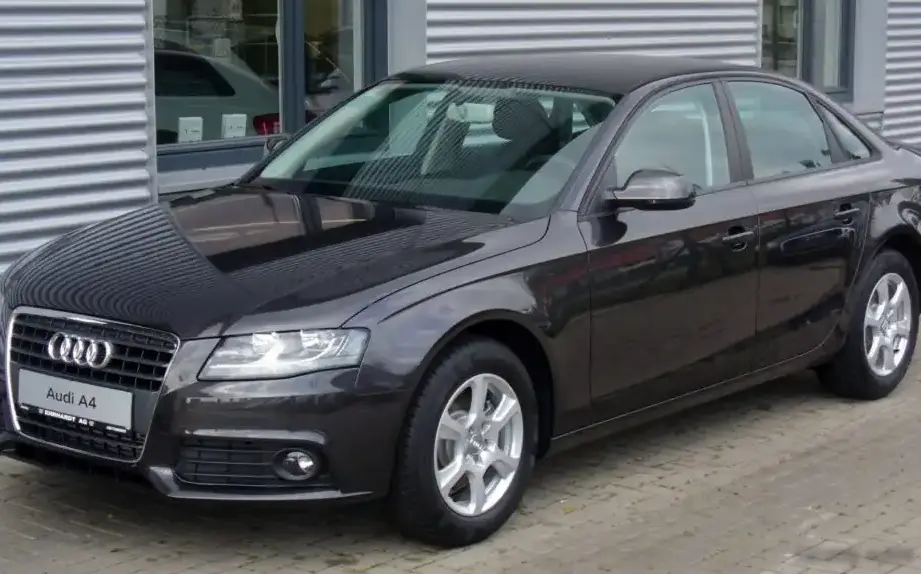
The Audi A4 (B8 8K) 2.7 TDI V6, produced from May 2007 to 2011, represented a significant offering within Audi’s popular A4 range. Positioned as a mid-to-upper trim level, this variant combined a potent diesel engine with a sophisticated chassis and interior, aimed at buyers seeking a balance of performance, efficiency, and luxury. The B8 generation A4, built on the Volkswagen Group’s PL46 platform (also known as the A4/A5 platform), was a crucial model for Audi, solidifying its reputation for refined engineering and contemporary design. This 2.7 TDI V6 model specifically targeted European markets where diesel engines were favored for their fuel economy and torque characteristics.
Technical Specifications
| Brand | Audi |
| Model | A4 |
| Generation | A4 (B8 8K) |
| Type (Engine) | 2.7 TDI V6 (190 Hp) |
| Start of production | May, 2007 |
| End of production | 2011 |
| Powertrain Architecture | Internal Combustion engine |
| Body type | Sedan |
| Seats | 5 |
| Doors | 4 |
| Fuel consumption (economy) – urban | 8.1 l/100 km (29 US mpg, 34.9 UK mpg, 12.3 km/l) |
| Fuel consumption (economy) – extra urban | 4.8 l/100 km (49 US mpg, 58.9 UK mpg, 20.8 km/l) |
| Fuel consumption (economy) – combined | 6 l/100 km (39.2 US mpg, 47.1 UK mpg, 16.7 km/l) |
| CO2 emissions | 159 g/km |
| Fuel Type | Diesel |
| Acceleration 0 – 100 km/h | 7.9 sec |
| Acceleration 0 – 62 mph | 7.9 sec |
| Acceleration 0 – 60 mph | 7.5 sec |
| Maximum speed | 239 km/h (148.51 mph) |
| Emission standard | Euro 5 |
| Weight-to-power ratio | 8.3 kg/Hp, 121 Hp/tonne |
| Weight-to-torque ratio | 3.9 kg/Nm, 254.8 Nm/tonne |
| Power | 190 Hp @ 3500-4400 rpm |
| Power per litre | 70.4 Hp/l |
| Torque | 400 Nm @ 1400-3250 rpm (295.02 lb.-ft. @ 1400-3250 rpm) |
| Engine layout | Front, Longitudinal |
| Engine Model/Code | EA896 / CGKA |
| Engine displacement | 2698 cm3 (164.64 cu. in.) |
| Number of cylinders | 6 |
| Engine configuration | V-engine |
| Cylinder Bore | 83 mm (3.27 in.) |
| Piston Stroke | 83.1 mm (3.27 in.) |
| Compression ratio | 16.8:1 |
| Number of valves per cylinder | 4 |
| Fuel injection system | Diesel Commonrail |
| Engine aspiration | Turbocharger, Intercooler |
| Valvetrain | DOHC |
| Engine oil capacity | 6.9 l (7.29 US qt | 6.07 UK qt) |
| Coolant | 12 l (12.68 US qt | 10.56 UK qt) |
| Kerb Weight | 1570 kg (3461.26 lbs.) |
| Max. weight | 2120 kg (4673.8 lbs.) |
| Max load | 550 kg (1212.54 lbs.) |
| Trunk (boot) space – minimum | 480 l (16.95 cu. ft.) |
| Trunk (boot) space – maximum | 962 l (33.97 cu. ft.) |
| Fuel tank capacity | 65 l (17.17 US gal | 14.3 UK gal) |
| Max. roof load | 90 kg (198.42 lbs.) |
| Permitted trailer load with brakes (8%) | 1800 kg (3968.32 lbs.) |
| Permitted trailer load with brakes (12%) | 1600 kg (3527.4 lbs.) |
| Permitted trailer load without brakes | 750 kg (1653.47 lbs.) |
| Permitted towbar download | 80 kg (176.37 lbs.) |
| Length | 4703 mm (185.16 in.) |
| Width | 1826 mm (71.89 in.) |
| Height | 1427 mm (56.18 in.) |
| Wheelbase | 2808 mm (110.55 in.) |
| Front track | 1564 mm (61.57 in.) |
| Rear (Back) track | 1551 mm (61.06 in.) |
| Drag coefficient (Cd) | 0.286 |
| Minimum turning circle (turning diameter) | 11.4 m (37.4 ft.) |
| Drivetrain Architecture | The Internal combustion engine (ICE) drives the front wheels of the vehicle. |
| Drive wheel | Front wheel drive |
| Number of gears and type of gearbox | 6 gears, manual transmission |
| Front suspension | Independent multi-link suspension |
| Rear suspension | Independent multi-link spring suspension with stabilizer |
| Front brakes | Ventilated discs |
| Rear brakes | Disc |
| Assisting systems | ABS (Anti-lock braking system) |
| Steering type | Steering rack and pinion |
| Power steering | Electric Steering |
| Tires size | 225/55 R16; 225/50 R17; 245/40 R18 |
| Wheel rims size | 7.5J x 16; 7.5J x 17; 8J x 18 |
Powertrain & Engine Architecture
The heart of this A4 variant is the 2.7-liter V6 TDI engine, identified by the engine code CGKA. This engine belongs to the EA896 family, a modular engine platform developed by Volkswagen Group. The EA896 engines were known for their robust construction and advanced technology for the time. The 2.7 TDI utilizes a common rail direct injection system, delivering fuel directly into the combustion chamber at extremely high pressure. This system, coupled with a variable geometry turbocharger and intercooler, optimizes combustion efficiency and boosts power output. The engine features a double overhead camshaft (DOHC) valvetrain with four valves per cylinder, further enhancing breathing and performance. The longitudinal engine layout was typical for Audi’s front-wheel-drive models, contributing to balanced weight distribution. The 6-speed manual transmission was the standard offering, providing precise gear changes and a direct connection to the engine.
Driving Characteristics
The 2.7 TDI V6 offered a distinctly different driving experience compared to the lower-powered 1.8 TFSI or 2.0 TDI variants. The substantial 400 Nm (295 lb-ft) of torque, available from a low 1400 rpm, provided strong acceleration and effortless cruising. While not as overtly sporty as the S4, the 2.7 TDI delivered a refined and capable performance. The 0-60 mph time of around 7.5 seconds was respectable for a diesel-powered sedan. The manual transmission allowed for greater driver control, although the gear ratios were tuned for fuel efficiency and relaxed highway driving rather than outright performance. Compared to the 2.0 TDI, the V6 offered smoother power delivery and reduced engine noise and vibration.
Equipment & Trim Levels
The 2.7 TDI V6 typically came equipped with a generous level of standard features. This included automatic climate control, a multi-function steering wheel, power windows and mirrors, and an upgraded audio system. Interior upholstery was typically a high-quality cloth or leather combination. Optional extras included a sunroof, navigation system, parking sensors, and upgraded alloy wheels. The A4 B8 offered a range of customization options, allowing buyers to tailor the car to their preferences. The trim level often dictated the exterior styling details, such as chrome accents and headlight designs.
Chassis & Braking
The A4 B8 featured a sophisticated chassis design, incorporating independent multi-link suspension at both the front and rear. This suspension setup provided a comfortable ride while maintaining good handling characteristics. The front suspension utilized coil springs and stabilizer bar, while the rear suspension also included a stabilizer bar to reduce body roll. Braking duties were handled by ventilated discs at the front and solid discs at the rear, providing ample stopping power. Anti-lock braking system (ABS) was standard, enhancing safety and control during emergency braking situations.
Market Reception & Comparison
The Audi A4 2.7 TDI V6 was generally well-received by automotive critics. It was praised for its refined engine, comfortable ride, and high-quality interior. Fuel economy was a significant selling point, with combined figures around 6 l/100 km (39.2 US mpg). Compared to the 2.0 TDI, the V6 offered a more premium driving experience, but at a higher price point. The 1.8 TFSI, while offering similar performance, lacked the low-end torque and fuel efficiency of the diesel engine. Reliability was generally good, although the complex common rail injection system required regular maintenance.
Legacy
The 2.7 TDI V6 engine, while superseded by newer diesel technologies, remains a respected powertrain. Properly maintained examples are known to be durable and reliable. In the used car market, this variant of the A4 B8 holds its value relatively well, appealing to buyers seeking a refined and efficient sedan. However, potential buyers should be aware of the maintenance requirements of the diesel particulate filter (DPF) and the common rail injection system. The A4 B8 2.7 TDI V6 represents a sweet spot in the Audi lineup, offering a compelling blend of performance, luxury, and fuel economy.