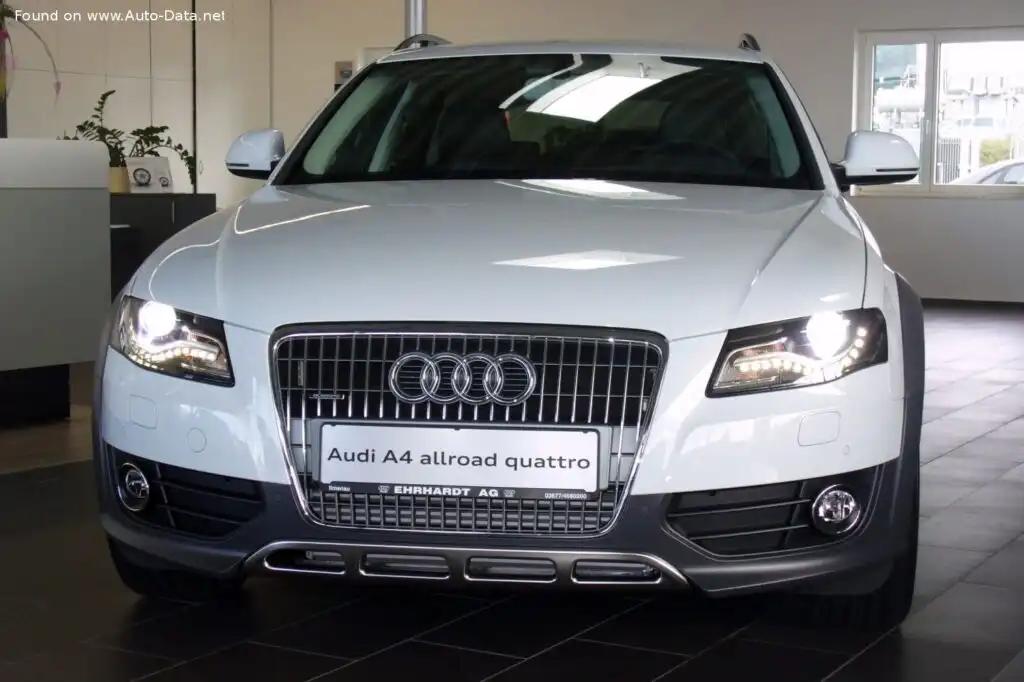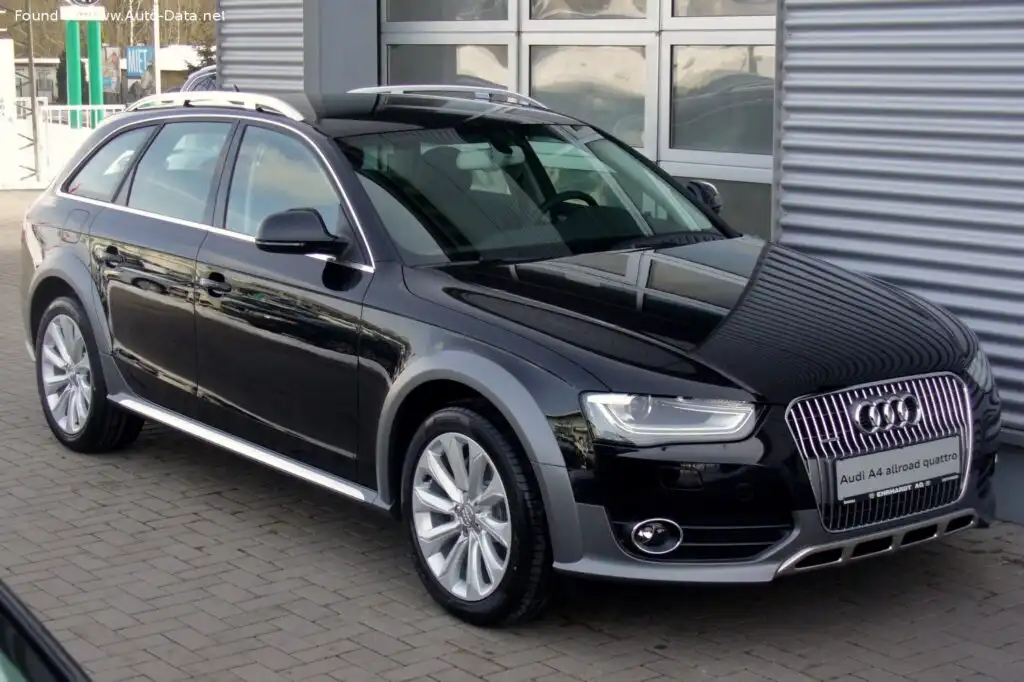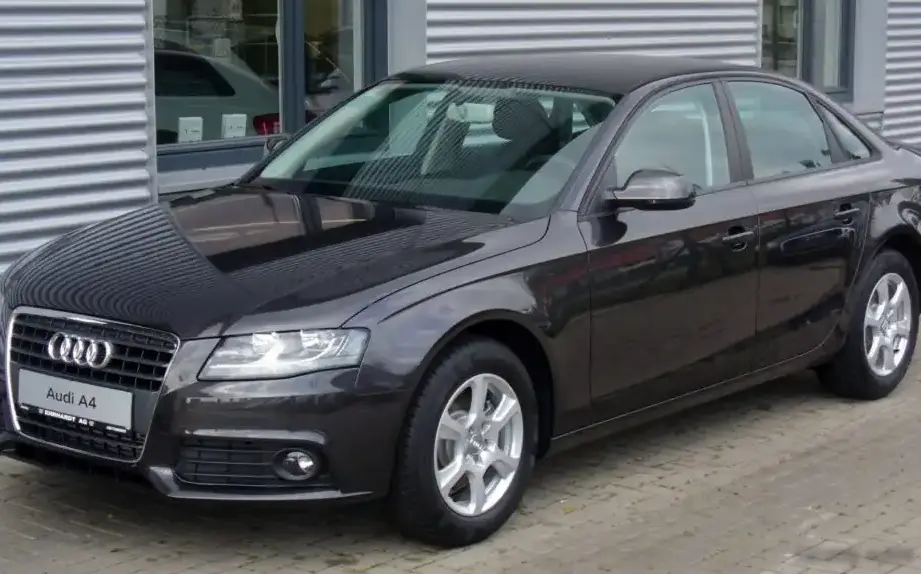
The Audi A4 (B8 8K) 3.2 FSI quattro, produced between 2007 and 2011, represented the performance pinnacle of the B8 A4 range, excluding the even more exclusive S4 model. Positioned as the premium offering, it catered to buyers seeking a blend of luxury, sophisticated technology, and spirited driving dynamics. This variant utilized Audi’s renowned quattro all-wheel-drive system and a naturally aspirated 3.2-liter V6 engine, setting it apart from the more fuel-efficient four-cylinder options and the diesel-powered TDI models available in Europe. The B8 generation A4, built on the Volkswagen Group’s B8 (or PL46) platform – shared with models like the Volkswagen Passat CC – aimed to elevate the A4’s status within the competitive luxury compact segment.
Technical Specifications
| Brand | Audi |
| Model | A4 |
| Generation | A4 (B8 8K) |
| Type (Engine) | 3.2 FSI V6 (265 Hp) quattro |
| Start of production | 2007 |
| End of production | 2011 |
| Powertrain Architecture | Internal Combustion engine |
| Body type | Sedan |
| Seats | 5 |
| Doors | 4 |
| Fuel consumption (urban) | 13 l/100 km (18.1 US mpg, 21.7 UK mpg, 7.7 km/l) |
| Fuel consumption (extra urban) | 6.6 l/100 km (35.6 US mpg, 42.8 UK mpg, 15.2 km/l) |
| Fuel consumption (combined) | 8.9 l/100 km (26.4 US mpg, 31.7 UK mpg, 11.2 km/l) |
| CO2 emissions | 213 g/km |
| Fuel Type | Petrol (Gasoline) |
| Acceleration 0 – 100 km/h | 6.2 sec |
| Acceleration 0 – 62 mph | 6.2 sec |
| Acceleration 0 – 60 mph | 5.9 sec |
| Maximum speed | 250 km/h (155.34 mph) |
| Emission standard | Euro 4 |
| Weight-to-power ratio | 6 kg/Hp, 167.7 Hp/tonne |
| Weight-to-torque ratio | 4.8 kg/Nm, 208.9 Nm/tonne |
| Power | 265 Hp @ 6500 rpm |
| Power per litre | 82.9 Hp/l |
| Torque | 330 Nm @ 3000-5000 rpm (243.4 lb.-ft. @ 3000-5000 rpm) |
| Engine layout | Front, Longitudinal |
| Engine Model/Code | EA390 / CALA |
| Engine displacement | 3197 cm3 (195.09 cu. in.) |
| Number of cylinders | 6 |
| Engine configuration | V-engine |
| Cylinder Bore | 85.5 mm (3.37 in.) |
| Piston Stroke | 92.8 mm (3.65 in.) |
| Compression ratio | 12.5:1 |
| Number of valves per cylinder | 4 |
| Fuel injection system | Direct injection |
| Engine aspiration | Naturally aspirated engine |
| Valvetrain | DOHC |
| Engine oil capacity | 6.2 l (6.55 US qt | 5.46 UK qt) |
| Coolant | 9 l (9.51 US qt | 7.92 UK qt) |
| Kerb Weight | 1580 kg (3483.3 lbs.) |
| Max. weight | 2130 kg (4695.85 lbs.) |
| Max load | 550 kg (1212.54 lbs.) |
| Trunk (boot) space – minimum | 480 l (16.95 cu. ft.) |
| Trunk (boot) space – maximum | 962 l (33.97 cu. ft.) |
| Fuel tank capacity | 64 l (16.91 US gal | 14.08 UK gal) |
| Max. roof load | 90 kg (198.42 lbs.) |
| Permitted trailer load with brakes (8%) | 2100 kg (4629.71 lbs.) |
| Permitted trailer load with brakes (12%) | 1900 kg (4188.78 lbs.) |
| Permitted trailer load without brakes | 750 kg (1653.47 lbs.) |
| Permitted towbar download | 80 kg (176.37 lbs.) |
| Length | 4703 mm (185.16 in.) |
| Width | 1826 mm (71.89 in.) |
| Height | 1427 mm (56.18 in.) |
| Wheelbase | 2808 mm (110.55 in.) |
| Front track | 1564 mm (61.57 in.) |
| Rear (Back) track | 1551 mm (61.06 in.) |
| Drag coefficient (Cd) | 0.286 |
| Minimum turning circle (turning diameter) | 11.5 m (37.73 ft.) |
| Drivetrain Architecture | The Internal combustion engine (ICE) drives permanently the four wheels of the vehicle. |
| Drive wheel | All wheel drive (4×4) |
| Number of gears and type of gearbox | 6 gears, manual transmission |
| Front suspension | Independent multi-link suspension |
| Rear suspension | Independent multi-link spring suspension with stabilizer |
| Front brakes | Ventilated discs |
| Rear brakes | Disc |
| Assisting systems | ABS (Anti-lock braking system) |
| Steering type | Steering rack and pinion |
| Power steering | Electric Steering |
| Tires size | 225/55 R16 |
| Wheel rims size | 7.5J x 16 |
Powertrain & Engine Architecture
The heart of the A4 3.2 FSI quattro is the EA390 engine family, specifically the CALA engine code. This 3.2-liter, naturally aspirated V6 engine features direct fuel injection (FSI – Fuel Stratified Injection), a technology that improves combustion efficiency and power output. The engine utilizes a double overhead camshaft (DOHC) valvetrain with four valves per cylinder, contributing to its responsive nature. The FSI system injects fuel directly into the combustion chamber, allowing for precise control of the air-fuel mixture and higher compression ratios. The engine produces 265 horsepower at 6,500 rpm and 243 lb-ft of torque between 3,000 and 5,000 rpm. The engine is longitudinally mounted, driving all four wheels through Audi’s quattro permanent all-wheel-drive system. The standard transmission was a six-speed manual, although a six-speed Tiptronic automatic transmission was also available, offering drivers the option of manual gear selection.
Driving Characteristics
The 3.2 FSI quattro offered a noticeably more engaging driving experience compared to the base A4 models. The V6 engine provided ample power for confident acceleration and effortless highway cruising. The 0-60 mph sprint took approximately 5.9 seconds, making it a genuinely quick car for its time. The quattro all-wheel-drive system provided excellent traction in all weather conditions, enhancing stability and cornering grip. While the automatic transmission offered convenience, the manual gearbox allowed for greater driver control and a more connected feel. The gear ratios were well-chosen to maximize the engine’s torque and provide responsive acceleration in everyday driving situations. Compared to the 2.0T models, the 3.2 FSI offered a smoother, more refined power delivery, lacking the turbo lag sometimes experienced with the turbocharged four-cylinder engines.
Equipment & Trim Levels
The 3.2 FSI quattro typically came well-equipped, reflecting its position as the range-topping model. Standard features included leather upholstery, three-zone automatic climate control, a premium sound system, and Audi’s Multi Media Interface (MMI) infotainment system. Optional extras included navigation, advanced parking assist, and a panoramic sunroof. Interior trim options ranged from wood veneers to brushed aluminum, allowing buyers to personalize the cabin to their taste. The exterior styling was generally understated, with subtle cues – such as quad exhaust outlets – hinting at the car’s performance potential.
Chassis & Braking
The A4 B8 featured a sophisticated suspension system designed to balance comfort and handling. The front suspension utilized an independent multi-link setup, while the rear employed an independent multi-link spring suspension with a stabilizer bar. This configuration provided excellent wheel control and minimized body roll during cornering. Braking duties were handled by ventilated discs at the front and solid discs at the rear, providing ample stopping power. Anti-lock braking system (ABS) was standard, enhancing safety and stability during emergency braking maneuvers. The chassis was designed to accommodate the increased power and torque of the V6 engine, providing a stable and planted feel.
Market Reception & Comparison
The Audi A4 3.2 FSI quattro was generally well-received by automotive critics, who praised its refined engine, engaging driving dynamics, and luxurious interior. However, its higher price tag and relatively lower fuel economy compared to the four-cylinder models were noted. Compared to its rivals – such as the BMW 335i and the Mercedes-Benz C350 – the A4 3.2 FSI offered a compelling blend of performance, luxury, and technology. The quattro all-wheel-drive system was a significant advantage in regions with inclement weather. Fuel economy averaged around 26.4 US mpg combined, which was respectable for a V6-powered vehicle of its class, but noticeably lower than the 2.0T models.
Legacy
The EA390 3.2 FSI V6 engine, while not without its quirks (some early versions experienced carbon buildup issues), proved to be a relatively reliable powertrain when properly maintained. Today, the A4 B8 3.2 FSI quattro represents a desirable option in the used car market for enthusiasts seeking a well-rounded and engaging luxury sedan. Regular maintenance, including oil changes and inspections of the carbon buildup potential, is crucial for ensuring long-term reliability. The combination of a naturally aspirated V6, quattro all-wheel drive, and a comfortable interior has ensured that this variant retains a loyal following among Audi enthusiasts.