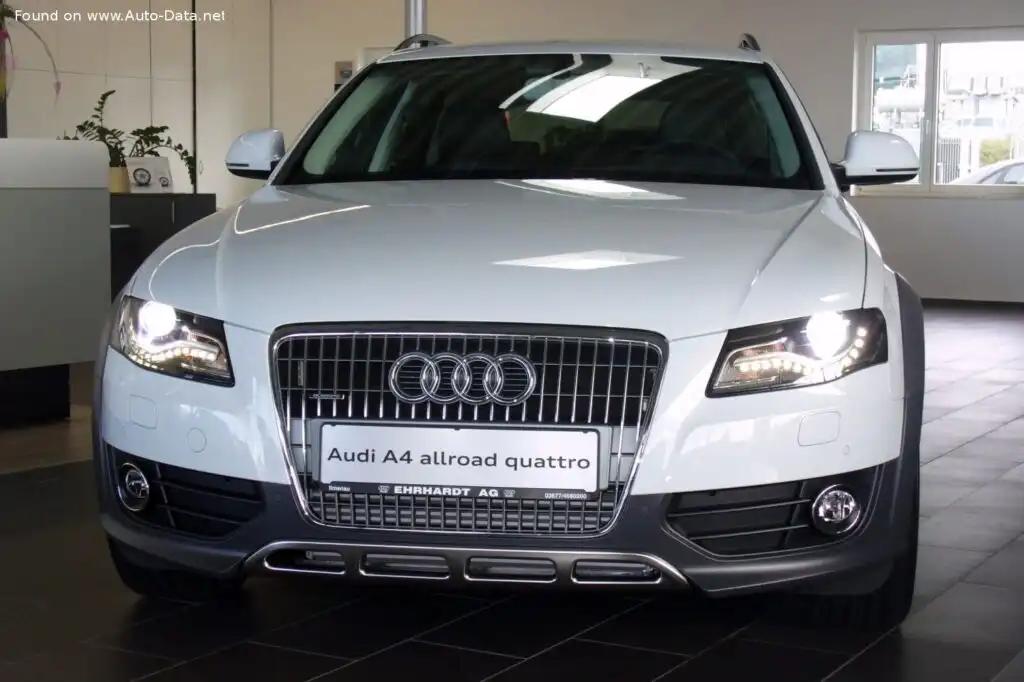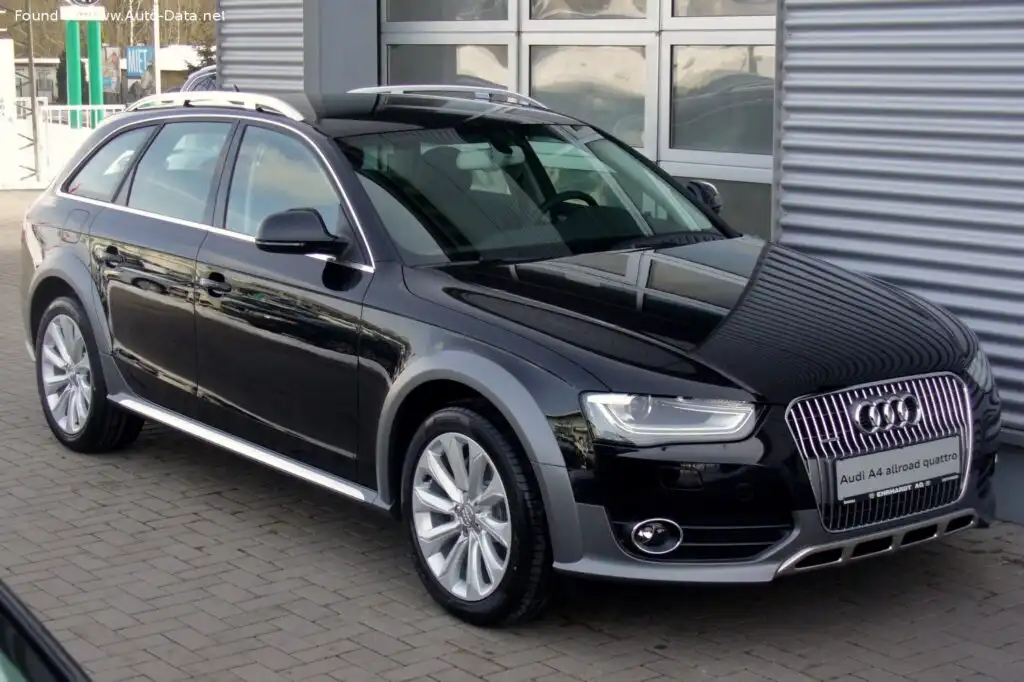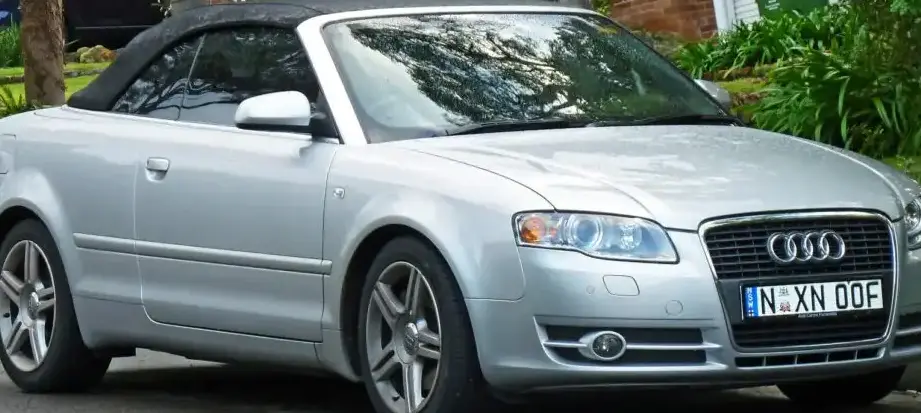
The Audi A4 Cabriolet (B7 8H) 2.5 TDI V6 with the Multitronic transmission, produced from 2005 to 2008, represented a compelling blend of luxury, performance, and fuel efficiency within the premium mid-size convertible segment. Positioned as a higher-end offering within the B7 A4 Cabriolet range, it catered to buyers seeking the refinement of a V6 diesel engine coupled with the convenience of a continuously variable transmission. This variant occupied a space between the more affordable 1.8T petrol models and the performance-oriented S4 Cabriolet, appealing to those prioritizing comfortable long-distance cruising and respectable acceleration.
Technical Specifications
| Brand | Audi |
| Model | A4 |
| Generation | A4 Cabriolet (B7 8H) |
| Type (Engine) | 2.5 TDI V6 (163 Hp) Multitronic |
| Start of production | 2005 |
| End of production | 2008 |
| Powertrain Architecture | Internal Combustion engine |
| Body type | Cabriolet |
| Seats | 4 |
| Doors | 2 |
| Fuel consumption (urban) | 9.4 l/100 km (25 US mpg, 30.1 UK mpg, 10.6 km/l) |
| Fuel consumption (extra urban) | 6 l/100 km (39.2 US mpg, 47.1 UK mpg, 16.7 km/l) |
| Fuel consumption (combined) | 7.2 l/100 km (32.7 US mpg, 39.2 UK mpg, 13.9 km/l) |
| CO2 emissions | 194 g/km |
| Fuel Type | Diesel |
| Acceleration 0 – 100 km/h | 9.9 sec |
| Acceleration 0 – 62 mph | 9.9 sec |
| Acceleration 0 – 60 mph | 9.4 sec |
| Maximum speed | 217 km/h (134.84 mph) |
| Emission standard | Euro 4 |
| Weight-to-power ratio | 10.6 kg/Hp, 94.8 Hp/tonne |
| Weight-to-torque ratio | 4.9 kg/Nm, 203.5 Nm/tonne |
| Power | 163 Hp @ 4000 rpm |
| Power per litre | 65.3 Hp/l |
| Torque | 350 Nm @ 1500-3000 rpm (258.15 lb.-ft. @ 1500-3000 rpm) |
| Engine layout | Front, Longitudinal |
| Engine Model/Code | BDG |
| Engine displacement | 2496 cm3 (152.32 cu. in.) |
| Number of cylinders | 6 |
| Engine configuration | V-engine |
| Cylinder Bore | 78.3 mm (3.08 in.) |
| Piston Stroke | 86.4 mm (3.4 in.) |
| Compression ratio | 18:1 |
| Number of valves per cylinder | 4 |
| Fuel injection system | Direct injection |
| Engine aspiration | Turbocharger, Intercooler |
| Valvetrain | DOHC |
| Engine oil capacity | 5.5 l (5.81 US qt | 4.84 UK qt) |
| Coolant | 12 l (12.68 US qt | 10.56 UK qt) |
| Kerb Weight | 1720 kg (3791.95 lbs.) |
| Max. weight | 2200 kg (4850.17 lbs.) |
| Max load | 480 kg (1058.22 lbs.) |
| Trunk (boot) space – minimum | 246 l (8.69 cu. ft.) |
| Trunk (boot) space – maximum | 315 l (11.12 cu. ft.) |
| Fuel tank capacity | 70 l (18.49 US gal | 15.4 UK gal) |
| Permitted trailer load with brakes (8%) | 1800 kg (3968.32 lbs.) |
| Permitted trailer load with brakes (12%) | 1600 kg (3527.4 lbs.) |
| Permitted trailer load without brakes | 750 kg (1653.47 lbs.) |
| Permitted towbar download | 80 kg (176.37 lbs.) |
| Length | 4573 mm (180.04 in.) |
| Width | 1777 mm (69.96 in.) |
| Height | 1391 mm (54.76 in.) |
| Wheelbase | 2654 mm (104.49 in.) |
| Front track | 1523 mm (59.96 in.) |
| Rear (Back) track | 1523 mm (59.96 in.) |
| Drag coefficient (Cd) | 0.30 |
| Minimum turning circle (turning diameter) | 11.1 m (36.42 ft.) |
| Drivetrain Architecture | The Internal combustion engine (ICE) drives the front wheels of the vehicle. |
| Drive wheel | Front wheel drive |
| Number of gears and type of gearbox | automatic transmission Multitronic |
| Front suspension | Independent multi-link suspension |
| Rear suspension | Independent multi-link suspension |
| Front brakes | Ventilated discs |
| Rear brakes | Disc |
| Assisting systems | ABS (Anti-lock braking system) |
| Steering type | Steering rack and pinion |
| Power steering | Hydraulic Steering |
| Tires size | 215/55 R16 |
| Wheel rims size | 7J x 16 |
INTRODUCTION
The B7 generation Audi A4 Cabriolet, produced from 2002 to 2009, built upon the success of its predecessor, offering a more refined and sophisticated open-top driving experience. The 2.5 TDI V6 Multitronic variant, introduced in 2005, provided a compelling alternative to petrol-powered models, particularly in European markets where diesel engines were favored for their fuel efficiency and torque. This model benefited from Audi’s reputation for build quality and technological innovation, offering a premium convertible experience.
Powertrain & Engine Architecture
At the heart of the A4 Cabriolet 2.5 TDI was the BDG engine code, a 2.5-liter V6 diesel engine. This engine featured common rail direct injection, delivering fuel directly into the combustion chamber at extremely high pressure for improved efficiency and reduced emissions. The engine utilized a variable geometry turbocharger (VGT) and an intercooler to maximize power output and minimize turbo lag. The DOHC (Double Overhead Camshaft) valvetrain, with four valves per cylinder, further enhanced breathing and performance. The Multitronic transmission, a continuously variable transmission (CVT), was a key feature. Unlike traditional automatic transmissions with fixed gear ratios, the Multitronic used a chain-driven system to provide a virtually infinite number of ratios, optimizing engine speed for efficiency or performance. This transmission offered both fully automatic operation and a manual shift mode.
Driving Characteristics
The 2.5 TDI V6 Multitronic offered a relaxed and refined driving experience. The engine’s 350 Nm (258 lb-ft) of torque, available from 1500-3000 rpm, provided strong acceleration and effortless cruising. While not as overtly sporty as the higher-output petrol models, the 2.5 TDI delivered a 0-60 mph time of around 9.4 seconds and a top speed of 134.84 mph. The Multitronic transmission contributed to smooth and seamless gear changes, enhancing comfort. However, some drivers found the transmission less engaging than a traditional manual gearbox. The CVT’s tendency to hold onto lower gears during aggressive acceleration could sometimes feel disconnected from the engine’s power delivery. The front-wheel-drive configuration provided predictable handling, but lacked the all-weather capability of Audi’s quattro all-wheel-drive system.
Equipment & Trim Levels
The 2.5 TDI V6 Multitronic typically came well-equipped, reflecting its position as a higher-end trim level. Standard features often included leather upholstery, automatic climate control, a premium audio system, and alloy wheels. Optional extras included features like navigation system, heated seats, parking sensors, and a wind deflector to reduce turbulence in the cabin when the roof was down. Interior trim options varied, with choices in wood or aluminum accents. The dashboard layout was typical of the B7 A4, characterized by a clean and functional design.
Chassis & Braking
The A4 Cabriolet’s chassis was reinforced to compensate for the lack of a fixed roof, providing adequate torsional rigidity. The suspension utilized an independent multi-link setup at both the front and rear, offering a comfortable ride and good handling characteristics. Front brakes were ventilated discs, while rear brakes were solid discs. ABS (Anti-lock Braking System) was standard. The suspension tuning was geared towards comfort rather than outright sportiness, prioritizing a smooth ride over aggressive cornering. Stabilizer bars were fitted front and rear to reduce body roll.
Market Reception & Comparison
The A4 Cabriolet 2.5 TDI V6 Multitronic was generally well-received by automotive critics. It was praised for its refined engine, comfortable ride, and fuel efficiency. Compared to the 1.8T petrol models, the 2.5 TDI offered more torque and better fuel economy, making it a more practical choice for long-distance driving. However, the 1.8T was often considered more responsive and engaging to drive. The Multitronic transmission received mixed reviews, with some praising its smoothness and efficiency, while others criticized its lack of driver involvement. Compared to competitors like the BMW 3 Series Convertible and Mercedes-Benz CLK Cabriolet, the A4 Cabriolet offered a compelling combination of luxury, performance, and value.
Legacy
The Audi A4 Cabriolet 2.5 TDI V6 Multitronic has proven to be a relatively reliable vehicle, although the Multitronic transmission requires careful maintenance. Regular fluid changes are crucial to prevent premature failure. The BDG engine is known for its durability, but like any diesel engine, it can be susceptible to issues with the fuel injection system and turbocharger. Today, these cars are becoming increasingly sought after by enthusiasts who appreciate their blend of luxury, performance, and fuel efficiency. Well-maintained examples command reasonable prices in the used car market, making them an attractive option for those seeking a stylish and capable open-top vehicle.