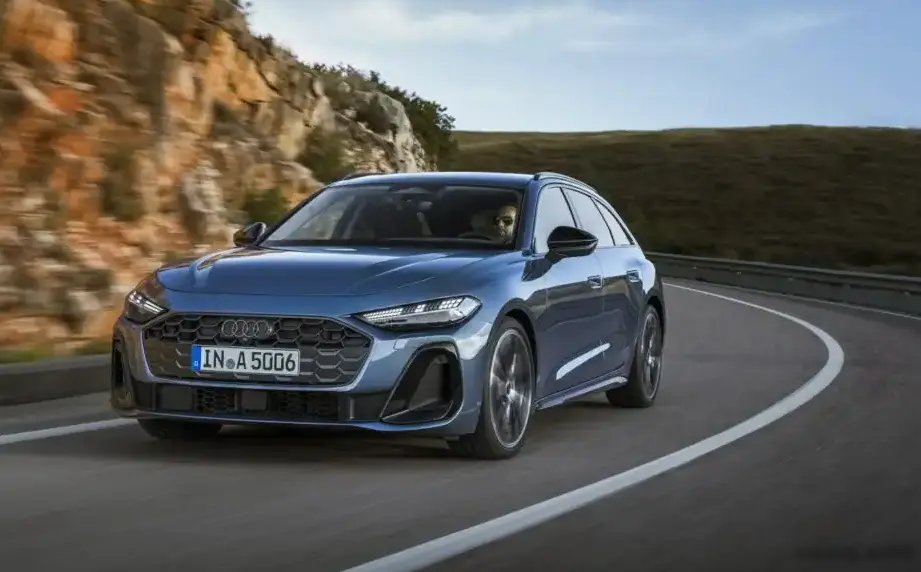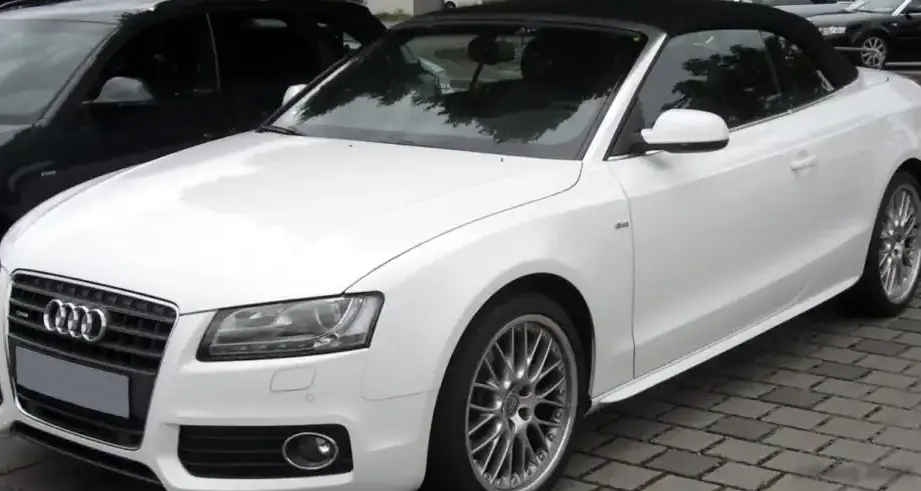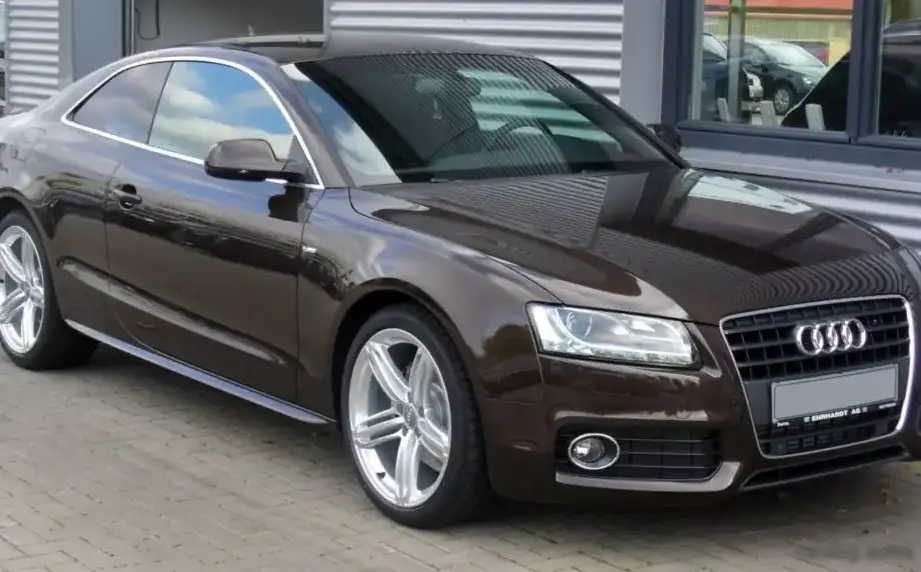
The Audi A5 Coupe (8T3) 2.0 TDI 170 hp variant was a popular choice in European markets from 2008 to 2011, representing a balance between performance, fuel efficiency, and affordability within the A5 lineup. Positioned as a mid-range offering, it slotted below the more powerful 3.0 TDI and the performance-oriented 2.0 TFSI models, while offering a more economical alternative to those options. This variant played a significant role in establishing the A5 as a stylish and practical grand tourer, appealing to buyers seeking a refined driving experience with lower running costs.
Technical Specifications
| Brand | Audi |
| Model | A5 |
| Generation | A5 Coupe (8T3) |
| Type (Engine) | 2.0 TDI (170 Hp) |
| Start of production | 2008 |
| End of production | 2011 |
| Powertrain Architecture | Internal Combustion engine |
| Body type | Coupe |
| Seats | 4 |
| Doors | 2 |
| Fuel consumption (urban) | 6.2 l/100 km (37.9 US mpg, 45.6 UK mpg, 16.1 km/l) |
| Fuel consumption (extra urban) | 4.4 l/100 km (53.5 US mpg, 64.2 UK mpg, 22.7 km/l) |
| Fuel consumption (combined) | 5.1 l/100 km (46.1 US mpg, 55.4 UK mpg, 19.6 km/l) |
| CO2 emissions | 134 g/km |
| Fuel Type | Diesel |
| Acceleration 0 – 100 km/h | 8.4 sec |
| Acceleration 0 – 62 mph | 8.4 sec |
| Acceleration 0 – 60 mph | 8 sec (Calculated) |
| Maximum speed | 230 km/h (142.92 mph) |
| Emission standard | Euro 5 |
| Weight-to-power ratio | 8.7 kg/Hp, 115.3 Hp/tonne |
| Weight-to-torque ratio | 4.2 kg/Nm, 237.3 Nm/tonne |
| Power | 170 Hp @ 4200 rpm |
| Power per litre | 86.4 Hp/l |
| Torque | 350 Nm @ 1750-2500 rpm (258.15 lb.-ft. @ 1750-2500 rpm) |
| Engine layout | Front, Longitudinal |
| Engine Model/Code | CAHA |
| Engine displacement | 1968 cm3 (120.09 cu. in.) |
| Number of cylinders | 4 |
| Engine configuration | Inline |
| Cylinder Bore | 81 mm (3.19 in.) |
| Piston Stroke | 95.5 mm (3.76 in.) |
| Compression ratio | 16.5:1 |
| Number of valves per cylinder | 4 |
| Fuel injection system | Diesel Commonrail |
| Engine aspiration | Turbocharger, Intercooler |
| Valvetrain | DOHC |
| Engine oil capacity | 5 l (5.28 US qt | 4.4 UK qt) |
| Kerb Weight | 1475 kg (3251.82 lbs.) |
| Max. weight | 1975 kg (4354.13 lbs.) |
| Max load | 500 kg (1102.31 lbs.) |
| Trunk (boot) space – minimum | 455 l (16.07 cu. ft.) |
| Trunk (boot) space – maximum | 829 l (29.28 cu. ft.) |
| Fuel tank capacity | 65 l (17.17 US gal | 14.3 UK gal) |
| Max. roof load | 75 kg (165.35 lbs.) |
| Permitted trailer load with brakes (8%) | 1800 kg (3968.32 lbs.) |
| Permitted trailer load with brakes (12%) | 1600 kg (3527.4 lbs.) |
| Permitted trailer load without brakes | 750 kg (1653.47 lbs.) |
| Permitted towbar download | 80 kg (176.37 lbs.) |
| Length | 4625 mm (182.09 in.) |
| Width | 1854 mm (72.99 in.) |
| Height | 1372 mm (54.02 in.) |
| Wheelbase | 2751 mm (108.31 in.) |
| Front track | 1590 mm (62.6 in.) |
| Rear track | 1577 mm (62.09 in.) |
| Drag coefficient (Cd) | 0.29 |
| Minimum turning circle | 11.4 m (37.4 ft.) |
| Drivetrain | Front wheel drive |
| Number of gears | 6 |
| Gearbox type | Manual |
| Front suspension | Independent multi-link suspension |
| Rear suspension | Independent multi-link spring suspension with stabilizer |
| Front brakes | Ventilated discs |
| Rear brakes | Disc |
INTRODUCTION
The Audi A5 Coupe (8T3) 2.0 TDI 170 hp, produced between 2008 and 2011, was a key variant within the first generation of the A5. Built on the Audi’s 8K platform (shared with the Volkswagen Passat CC and other models), the A5 aimed to blend sporty aesthetics with everyday usability. The 2.0 TDI 170 hp model was specifically designed to appeal to buyers prioritizing fuel economy and reasonable performance, making it a popular choice in Europe where diesel engines were favored. It offered a more accessible entry point into the A5 range compared to the more expensive and powerful engine options.
Powertrain & Engine Architecture
At the heart of the A5 2.0 TDI 170 hp lies the Volkswagen Group’s common rail diesel engine, specifically the CAHA engine code. This 1968cc inline-four cylinder engine featured a turbocharger with an intercooler to boost power and efficiency. The engine utilized a sophisticated common rail direct injection system, delivering fuel directly into the combustion chamber at extremely high pressure for optimized combustion. The engine boasted a compression ratio of 16.5:1, contributing to its thermal efficiency. The double overhead camshaft (DOHC) valvetrain, with four valves per cylinder, further enhanced breathing and performance. This engine was known for its relatively quiet operation and smooth power delivery. The 6-speed manual transmission was standard, providing precise gear changes and contributing to the car’s overall driving experience.
Driving Characteristics
The A5 2.0 TDI 170 hp offered a comfortable and refined driving experience. While not overtly sporty, it provided sufficient power for everyday driving and highway cruising. The 350 Nm (258 lb-ft) of torque, available from 1750-2500 rpm, provided good low-end grunt, making overtaking maneuvers relatively effortless. The 0-60 mph acceleration time of around 8 seconds was respectable for the era and engine size. The 6-speed manual transmission allowed drivers to maintain optimal engine speed for efficiency or performance. Compared to the more powerful 2.0 TFSI or 3.0 TDI variants, the 2.0 TDI 170 hp felt less eager to rev, but its fuel economy advantage was significant. The front-wheel-drive configuration provided predictable handling, although it lacked the all-weather capability of Audi’s quattro all-wheel-drive system.
Equipment & Trim Levels
The A5 2.0 TDI 170 hp typically came well-equipped, even in base trim. Standard features often included alloy wheels, air conditioning, a multi-function steering wheel, and an Audi Concert audio system. Higher trim levels, such as Sport or S-line, added features like sport seats, upgraded interior trim, and exterior styling enhancements. Optional extras included leather upholstery, a sunroof, navigation system, and parking sensors. The interior design was typically understated and elegant, reflecting Audi’s commitment to quality and refinement. The dashboard layout was driver-focused, with clear and intuitive controls.
Chassis & Braking
The A5 Coupe featured a sophisticated chassis designed to balance comfort and handling. The front suspension utilized an independent multi-link setup, providing excellent ride quality and precise steering response. The rear suspension also employed an independent multi-link design, further enhancing ride comfort and stability. Ventilated disc brakes were fitted to the front wheels, providing strong stopping power, while solid discs were used at the rear. Anti-lock braking system (ABS) was standard, enhancing safety and control during emergency braking. The A5’s chassis was relatively lightweight, contributing to its agile handling characteristics.
Market Reception & Comparison
The Audi A5 2.0 TDI 170 hp was generally well-received by automotive critics. It was praised for its stylish design, comfortable ride, and fuel efficiency. Critics noted that while it wasn’t the sportiest A5 variant, it offered a compelling blend of practicality and refinement. Compared to the 2.0 TFSI, the TDI offered significantly better fuel economy, making it a more economical choice for high-mileage drivers. However, the TFSI provided more exhilarating performance. The 3.0 TDI offered even more power and torque, but at a higher price point. The 2.0 TDI 170 hp represented a sweet spot for many buyers, offering a good balance of performance, economy, and price.
Legacy
The Audi A5 2.0 TDI 170 hp has proven to be a relatively reliable vehicle in the long term. The CAHA engine is known for its durability, provided it is properly maintained. Common issues include turbocharger wear and potential problems with the diesel particulate filter (DPF), particularly on vehicles that primarily see short journeys. Today, these A5s are readily available on the used car market at attractive prices. They continue to appeal to buyers seeking a stylish and economical coupe with a reputation for quality and reliability. The 2.0 TDI 170 hp variant remains a testament to Audi’s ability to create desirable and practical vehicles that stand the test of time.