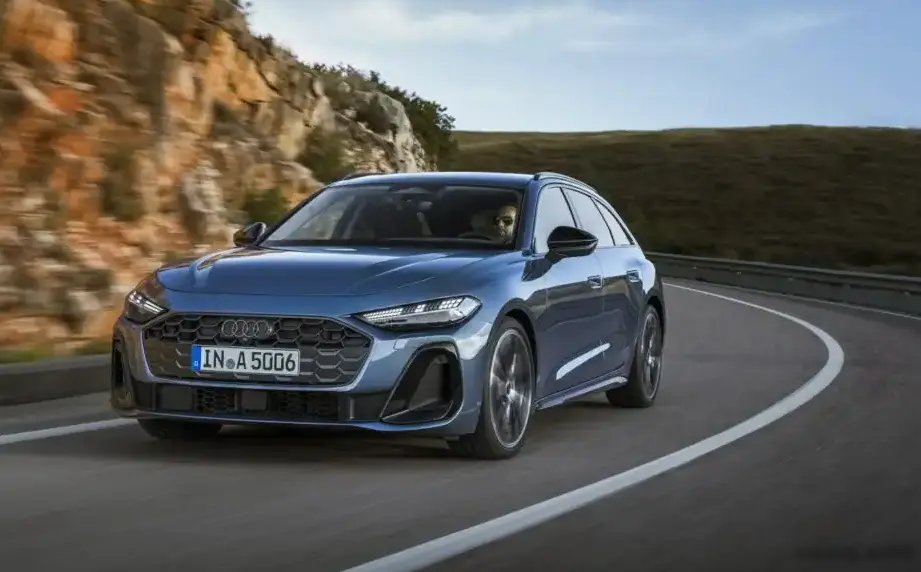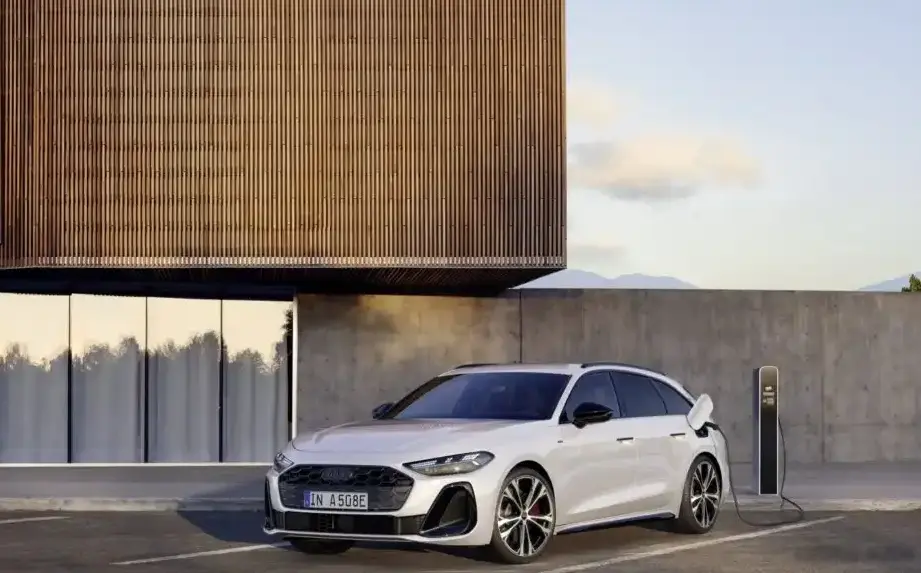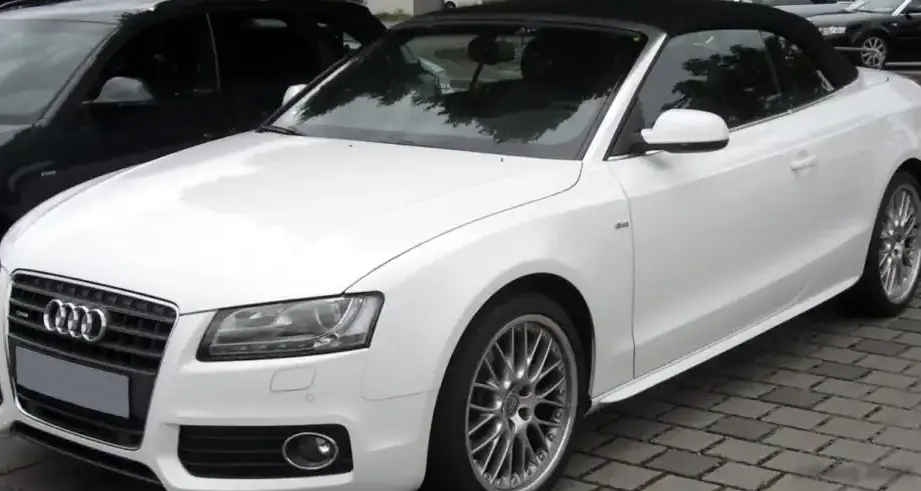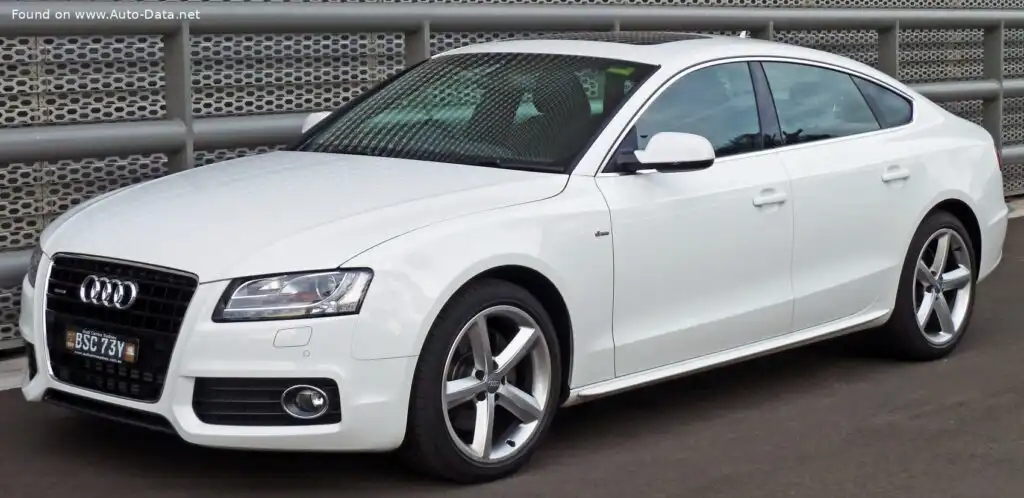
The Audi A5 Sportback (8TA) 2.0 TDI, producing 143 horsepower, was a key variant in Audi’s lineup from 2010 to 2011. Positioned as a practical and efficient option within the A5 Sportback range, it offered a blend of style, space, and fuel economy. This model occupied a middle ground, appealing to buyers who desired the sleek Sportback design but prioritized running costs over outright performance, compared to the more powerful 2.0 TFSI or 3.0 TDI options. It was built on the Audi’s B8 platform, shared with the A4, and represented a significant step forward in Audi’s design language, combining coupe-like aesthetics with the functionality of a five-door hatchback.
Technical Specifications
| Brand | Audi |
| Model | A5 |
| Generation | A5 Sportback (8TA) |
| Type (Engine) | 2.0 TDI (143 Hp) |
| Start of production | 2010 |
| End of production | 2011 |
| Powertrain Architecture | Internal Combustion engine |
| Body type | Fastback |
| Seats | 4 |
| Doors | 5 |
| Fuel consumption (economy) – urban (NEDC) | 6.4 l/100 km (36.8 US mpg, 44.1 UK mpg, 15.6 km/l) |
| Fuel consumption (economy) – extra urban (NEDC) | 4.5 l/100 km (52.3 US mpg, 62.8 UK mpg, 22.2 km/l) |
| Fuel consumption (economy) – combined (NEDC) | 5.2 l/100 km (45.2 US mpg, 54.3 UK mpg, 19.2 km/l) |
| CO2 emissions (NEDC) | 135 g/km |
| Fuel Type | Diesel |
| Acceleration 0 – 100 km/h | 9.7 sec |
| Acceleration 0 – 62 mph | 9.7 sec |
| Acceleration 0 – 60 mph | 9.2 sec |
| Maximum speed | 212 km/h (131.73 mph) |
| Emission standard | Euro 5 |
| Weight-to-power ratio | 10.7 kg/Hp, 93.5 Hp/tonne |
| Weight-to-torque ratio | 4.8 kg/Nm, 209.2 Nm/tonne |
| Power | 143 Hp @ 4200 rpm |
| Power per litre | 72.7 Hp/l |
| Torque | 320 Nm @ 1750-2500 rpm (236.02 lb.-ft. @ 1750-2500 rpm) |
| Engine layout | Front, Longitudinal |
| Engine Model/Code | CAGA, CMEA |
| Engine displacement | 1968 cm3 (120.09 cu. in.) |
| Number of cylinders | 4 |
| Engine configuration | Inline |
| Cylinder Bore | 81 mm (3.19 in.) |
| Piston Stroke | 95.5 mm (3.76 in.) |
| Number of valves per cylinder | 4 |
| Fuel injection system | Diesel Commonrail |
| Engine aspiration | Turbocharger, Intercooler |
| Valvetrain | DOHC |
| Engine oil capacity | 5 l (5.28 US qt | 4.4 UK qt) |
| Kerb Weight | 1530 kg (3373.07 lbs.) |
| Max. weight | 2060 kg (4541.52 lbs.) |
| Max load | 530 kg (1168.45 lbs.) |
| Trunk (boot) space – minimum | 480 l (16.95 cu. ft.) |
| Trunk (boot) space – maximum | 1283 l (45.31 cu. ft.) |
| Fuel tank capacity | 65 l (17.17 US gal | 14.3 UK gal) |
| Max. roof load | 90 kg (198.42 lbs.) |
| Permitted trailer load with brakes (12%) | 1600 kg (3527.4 lbs.) |
| Permitted trailer load without brakes | 750 kg (1653.47 lbs.) |
| Permitted towbar download | 80 kg (176.37 lbs.) |
| Length | 4711 mm (185.47 in.) |
| Width | 1854 mm (72.99 in.) |
| Width including mirrors | 2020 mm (79.53 in.) |
| Height | 1391 mm (54.76 in.) |
| Wheelbase | 2810 mm (110.63 in.) |
| Front track | 1590 mm (62.6 in.) |
| Rear (Back) track | 1575 mm (62.01 in.) |
| Front overhang | 860 mm (33.86 in.) |
| Rear overhang | 1041 mm (40.98 in.) |
| Minimum turning circle (turning diameter) | 11.5 m (37.73 ft.) |
| Drivetrain Architecture | The Internal combustion engine (ICE) drives the front wheels of the vehicle. |
| Drive wheel | Front wheel drive |
| Number of gears and type of gearbox | 6 gears, manual transmission |
| Front suspension | Independent multi-link suspension |
| Rear suspension | Independent on trapezoidal lever |
| Front brakes | Ventilated discs |
| Rear brakes | Disc |
| Assisting systems | ABS (Anti-lock braking system) |
| Steering type | Steering rack and pinion |
| Power steering | Electric Steering |
| Tires size | 225/50 R17; 245/40 R18 |
| Wheel rims size | 7.5J x 17; 8.5J x 18 |
Powertrain & Engine Architecture
The heart of the A5 Sportback 2.0 TDI (143 Hp) is the Volkswagen Group’s 2.0-liter inline-four cylinder diesel engine, typically identified by engine codes CAGA or CMEA. This engine utilizes a common rail direct injection system, delivering fuel at extremely high pressure for optimized combustion. The engine features a turbocharger with an intercooler, enhancing power output and efficiency. The valvetrain employs a dual overhead camshaft (DOHC) design with four valves per cylinder, contributing to improved breathing and overall performance. The 6-speed manual transmission was standard, offering precise gear changes and a direct connection to the engine. The engine’s longitudinal mounting allowed for front-wheel drive configuration, common in European Audi models.
Driving Characteristics
The 143 horsepower and 320 Nm (236 lb-ft) of torque provided by the 2.0 TDI engine delivered adequate performance for everyday driving. Acceleration from 0 to 60 mph took approximately 9.2 seconds, and top speed was rated at 212 km/h (131.73 mph). While not a sports car, the engine offered a broad torque curve, making it responsive in most driving situations. Compared to the more powerful 2.0 TFSI petrol engine, the TDI prioritized fuel efficiency and low-end grunt over outright speed. The manual transmission, while engaging, had relatively long gearing, aimed at maximizing fuel economy. The driving experience was generally comfortable and refined, typical of Audi’s engineering philosophy.
Equipment & Trim Levels
The A5 Sportback 2.0 TDI (143 Hp) typically came equipped with a respectable level of standard features. These included alloy wheels, air conditioning, a multi-function steering wheel, and an Audi Concert audio system. Interior upholstery was usually cloth, though leather options were available. Higher trim levels, such as SE or S-line, added features like automatic climate control, parking sensors, and upgraded interior trim. Optional extras included a sunroof, navigation system, and advanced driver-assistance systems.
Chassis & Braking
The A5 Sportback featured an independent multi-link suspension at the front and an independent trapezoidal lever suspension at the rear, providing a comfortable ride and good handling characteristics. Front brakes were ventilated discs, while rear brakes were solid discs. Anti-lock Braking System (ABS) was standard. The chassis was tuned to balance comfort and handling, offering a stable and predictable driving experience. Stabilizer bars were fitted to both axles to reduce body roll during cornering.
Market Reception & Comparison
The A5 Sportback 2.0 TDI (143 Hp) was well-received in European markets, where diesel engines were highly popular due to their fuel efficiency and lower running costs. Critics praised the car’s stylish design, spacious interior, and comfortable ride. Compared to the more powerful A5 variants, the 2.0 TDI offered a more affordable entry point into the A5 range. Its fuel economy of around 5.2 l/100 km (45.2 US mpg) was a significant selling point. Reliability was generally good, although, like all modern diesel engines, it was susceptible to issues with the diesel particulate filter (DPF) if not driven on longer journeys regularly.
Legacy
The Audi A5 Sportback 2.0 TDI (143 Hp) remains a popular choice in the used car market. Its combination of style, practicality, and fuel efficiency continues to appeal to buyers. The 2.0 TDI engine, while not the most powerful, is known for its durability and relatively low maintenance costs. However, potential buyers should be aware of the potential for DPF issues and ensure the car has been properly maintained. The A5 Sportback, in general, established Audi as a leader in the premium five-door coupe segment, and this particular variant played a significant role in its success.