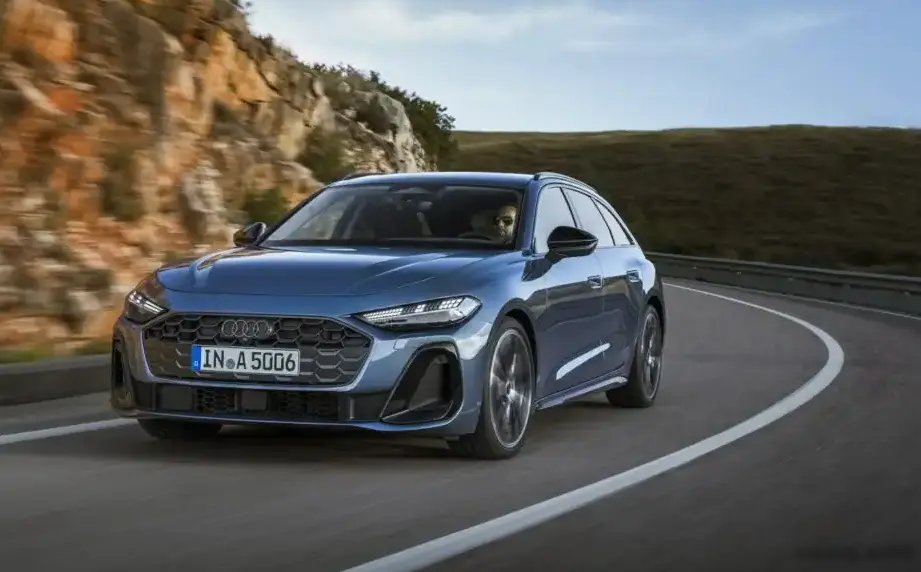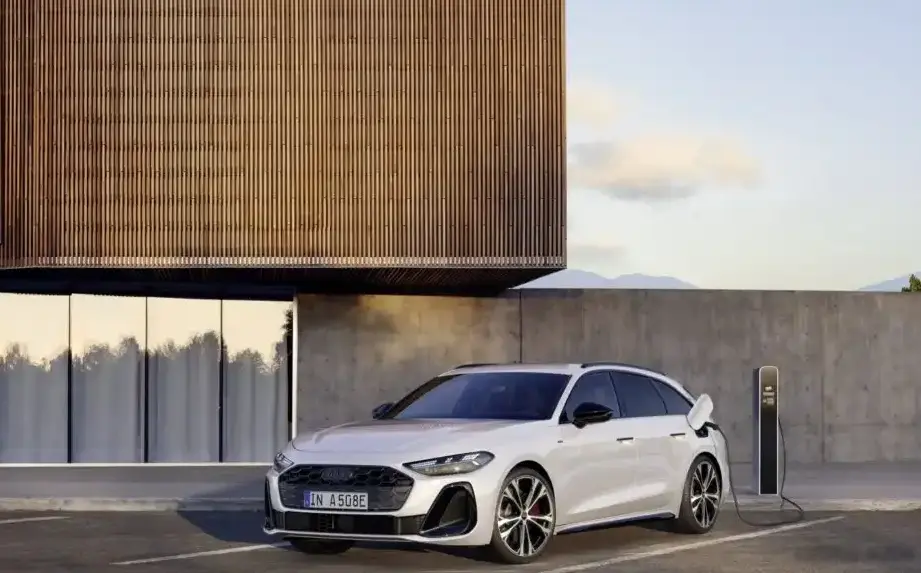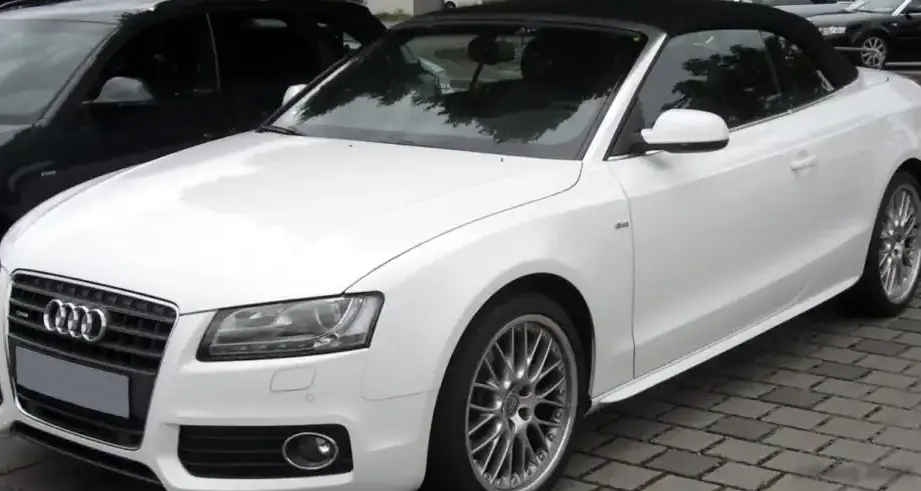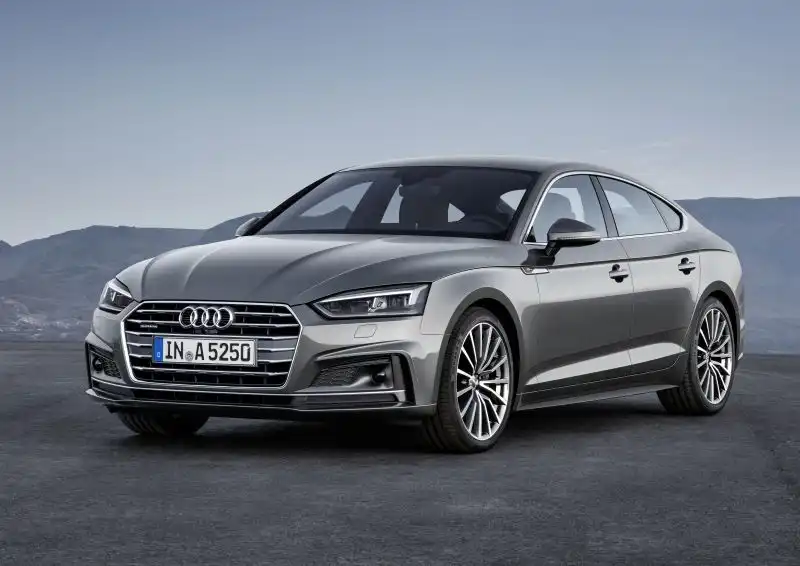
The Audi A5 Sportback (F5) 2.0 TDI quattro, produced from 2016 to 2018, represents a compelling blend of practicality, performance, and efficiency within the Audi A5 lineup. Positioned as a mid-range offering, this variant combined the sleek Sportback body style – a five-door fastback – with a potent 2.0-liter turbocharged diesel engine and Audi’s renowned quattro all-wheel-drive system. It served as a popular choice for buyers seeking a more economical and versatile alternative to the gasoline-powered A5 models, particularly in European markets where diesel engines held significant market share. This model falls within the fifth generation (F5) of the A5, sharing its platform with the Audi A4 (B9) and utilizing advancements in engine technology and chassis design.
Technical Specifications
| Brand | Audi |
| Model | A5 |
| Generation | A5 Sportback (F5) |
| Type (Engine) | 2.0 TDI (190 Hp) quattro |
| Start of production | 2016 |
| End of production | 2018 |
| Powertrain Architecture | Internal Combustion engine |
| Body type | Fastback |
| Seats | 5 |
| Doors | 5 |
| Fuel consumption (urban) | 5.4-5.5 l/100 km (43.6 – 42.8 US mpg) |
| Fuel consumption (extra urban) | 4.1-4.4 l/100 km (57.4 – 53.5 US mpg) |
| Fuel consumption (combined) | 4.6-4.8 l/100 km (51.1 – 49 US mpg) |
| CO2 emissions | 119-125 g/km |
| Fuel Type | Diesel |
| Acceleration 0 – 100 km/h | 7.4 sec |
| Acceleration 0 – 62 mph | 7.4 sec |
| Acceleration 0 – 60 mph | 7 sec |
| Maximum speed | 234 km/h (145.4 mph) |
| Emission standard | Euro 6 |
| Weight-to-power ratio | 8.2 kg/Hp, 121.4 Hp/tonne |
| Weight-to-torque ratio | 3.9 kg/Nm, 255.6 Nm/tonne |
| Power | 190 Hp @ 3800-4200 rpm |
| Torque | 400 Nm @ 1750-3000 rpm (295.02 lb.-ft. @ 1750-3000 rpm) |
| Engine layout | Front, Longitudinal |
| Engine Model/Code | DESA, DETA, DFVA |
| Engine displacement | 1968 cm3 (120.09 cu. in.) |
| Number of cylinders | 4 |
| Engine configuration | Inline |
| Number of valves per cylinder | 4 |
| Fuel injection system | Diesel Commonrail |
| Engine aspiration | Turbocharger, Intercooler |
| Engine oil capacity | 4.7 l (4.97 US qt | 4.14 UK qt) |
| Kerb Weight | 1565 kg (3450.23 lbs.) |
| Max. weight | 2150 kg (4739.94 lbs.) |
| Max load | 585 kg (1289.7 lbs.) |
| Trunk (boot) space – minimum | 480 l (16.95 cu. ft.) |
| Fuel tank capacity | 58 l (15.32 US gal | 12.76 UK gal) |
| Max. roof load | 90 kg (198.42 lbs.) |
| Permitted trailer load with brakes (8%) | 2000 kg (4409.25 lbs.) |
| Permitted trailer load with brakes (12%) | 1800 kg (3968.32 lbs.) |
| Permitted trailer load without brakes | 750 kg (1653.47 lbs.) |
| Permitted towbar download | 80 kg (176.37 lbs.) |
| Length | 4733 mm (186.34 in.) |
| Width | 1843 mm (72.56 in.) |
| Width including mirrors | 2029 mm (79.88 in.) |
| Height | 1386 mm (54.57 in.) |
| Wheelbase | 2824 mm (111.18 in.) |
| Front track | 1587 mm (62.48 in.) |
| Rear (Back) track | 1568 mm (61.73 in.) |
| Front overhang | 878 mm (34.57 in.) |
| Rear overhang | 1031 mm (40.59 in.) |
| Minimum turning circle | 11.7 m (38.39 ft.) |
| Drivetrain Architecture | All wheel drive (4×4) |
| Number of gears and type of gearbox | 6 gears, manual transmission |
| Front suspension | Independent multi-link suspension |
| Rear suspension | Independent multi-link suspension |
| Front brakes | Ventilated discs |
| Rear brakes | Disc |
INTRODUCTION
The Audi A5 Sportback (F5) 2.0 TDI quattro, launched in 2016, built upon the success of the original A5 Sportback, offering a more practical and stylish alternative to traditional coupes. The F5 generation represented a significant evolution, incorporating Audi’s latest design language and technology. This particular variant, powered by the 2.0-liter TDI engine and equipped with the quattro all-wheel-drive system, was aimed at buyers who prioritized fuel efficiency and all-weather capability without sacrificing driving enjoyment. It occupied a middle ground in the A5 Sportback range, positioned above the entry-level petrol engines and below the more powerful S5 models.
Powertrain & Engine Architecture
At the heart of the A5 Sportback 2.0 TDI quattro lies the Volkswagen Group’s EA288 series of diesel engines. The specific engine codes used for this variant include DESA, DETA, and DFVA, all representing variations of the 2.0-liter four-cylinder turbocharged diesel. This engine utilizes a common rail direct injection system, delivering fuel directly into the combustion chamber at extremely high pressure for optimized combustion. The engine also features a variable geometry turbocharger (VGT) and an intercooler to enhance power and efficiency. The 2.0 TDI engine is known for its robust construction and relatively simple design, contributing to its longevity. The six-speed manual transmission was standard, providing precise gear changes and a direct connection to the engine. The quattro all-wheel-drive system employs a Torsen center differential, distributing torque between the front and rear axles as needed, enhancing traction and stability in various driving conditions.
Driving Characteristics
The 2.0 TDI quattro offers a balanced driving experience. While not as overtly sporty as the higher-powered A5 variants, it delivers ample torque – 400 Nm (295 lb-ft) – from low engine speeds, providing strong acceleration in everyday driving situations. The 0-60 mph sprint takes around 7 seconds. The six-speed manual transmission allows for engaging gear changes, and the quattro system provides excellent grip, particularly on slippery surfaces. Compared to the petrol-powered A5 models, the 2.0 TDI offers superior fuel economy, making it an ideal choice for long-distance journeys. However, it lacks the responsiveness and higher revving nature of the gasoline engines. The gear ratios are tuned for efficiency and mid-range pull, rather than outright performance.
Equipment & Trim Levels
The A5 Sportback 2.0 TDI quattro typically came well-equipped, even in base trim. Standard features included Audi’s MMI infotainment system with a 7-inch display, automatic climate control, power windows and locks, and a leather-wrapped steering wheel. Higher trim levels offered upgrades such as a larger MMI display, navigation, a premium sound system, leather upholstery, and heated front seats. Optional extras included a panoramic sunroof, adaptive cruise control, and a driver assistance package with features like blind-spot monitoring and lane departure warning. Interior upholstery was typically cloth in the base models, with leather options available as upgrades. The dashboard layout was clean and modern, with a focus on ergonomics and ease of use.
Chassis & Braking
The A5 Sportback features a sophisticated chassis design, utilizing independent multi-link suspension at both the front and rear axles. This setup provides a comfortable ride quality while maintaining good handling characteristics. The steering is precise and well-weighted, offering good feedback to the driver. Braking duties are handled by ventilated discs at the front and solid discs at the rear. Anti-lock braking system (ABS) and electronic stability control (ESC) are standard features, enhancing safety and control. The suspension tuning is geared towards comfort and stability, rather than outright sportiness, but it still provides a confident and engaging driving experience.
Market Reception & Comparison
The Audi A5 Sportback 2.0 TDI quattro was generally well-received by automotive critics. It was praised for its stylish design, practical interior, and efficient engine. Critics noted the strong fuel economy and the benefits of the quattro all-wheel-drive system, particularly in inclement weather. Compared to other trims in the A5 lineup, the 2.0 TDI offered a more affordable entry point while still providing a premium driving experience. The petrol-powered A5 models offered more performance, but at the expense of fuel economy. The 2.0 TDI was often compared to similar diesel-powered models from BMW and Mercedes-Benz, and it generally held its own in terms of performance, refinement, and features.
Legacy
The 2.0 TDI engine, in its various iterations, has proven to be a reliable and durable powertrain. While diesel engines have faced increased scrutiny in recent years due to emissions concerns, the EA288 engine has generally been considered a robust and long-lasting unit. The A5 Sportback 2.0 TDI quattro remains a popular choice in the used car market, offering a compelling combination of style, practicality, and efficiency. However, potential buyers should be aware of the potential for diesel particulate filter (DPF) issues, particularly if the vehicle has been primarily used for short trips. Regular maintenance and the use of high-quality diesel fuel are essential for ensuring the long-term reliability of this powertrain.