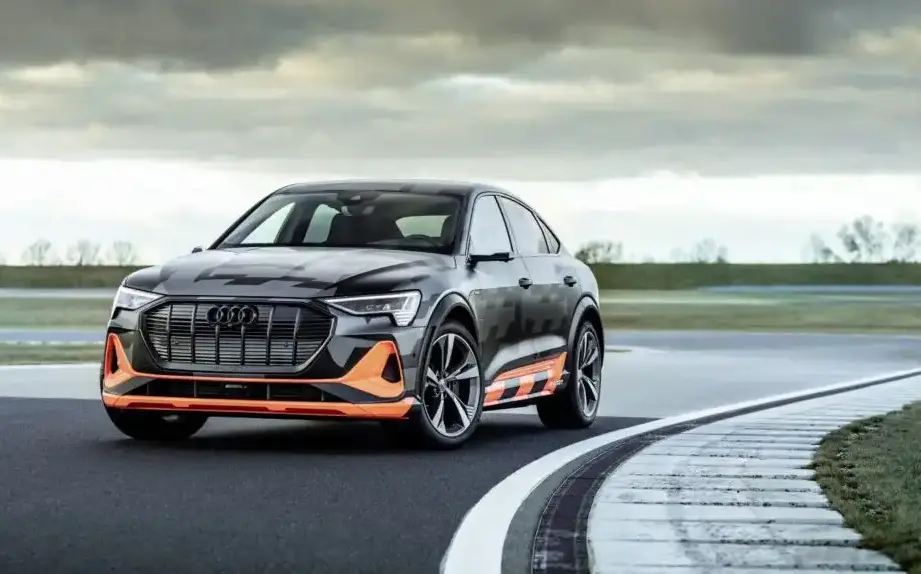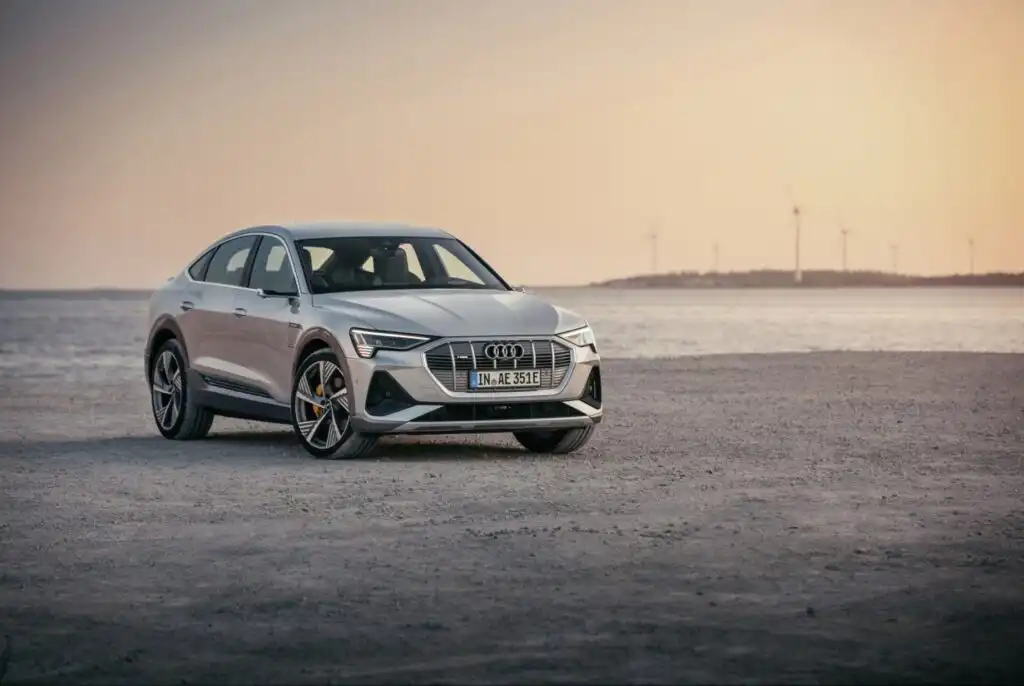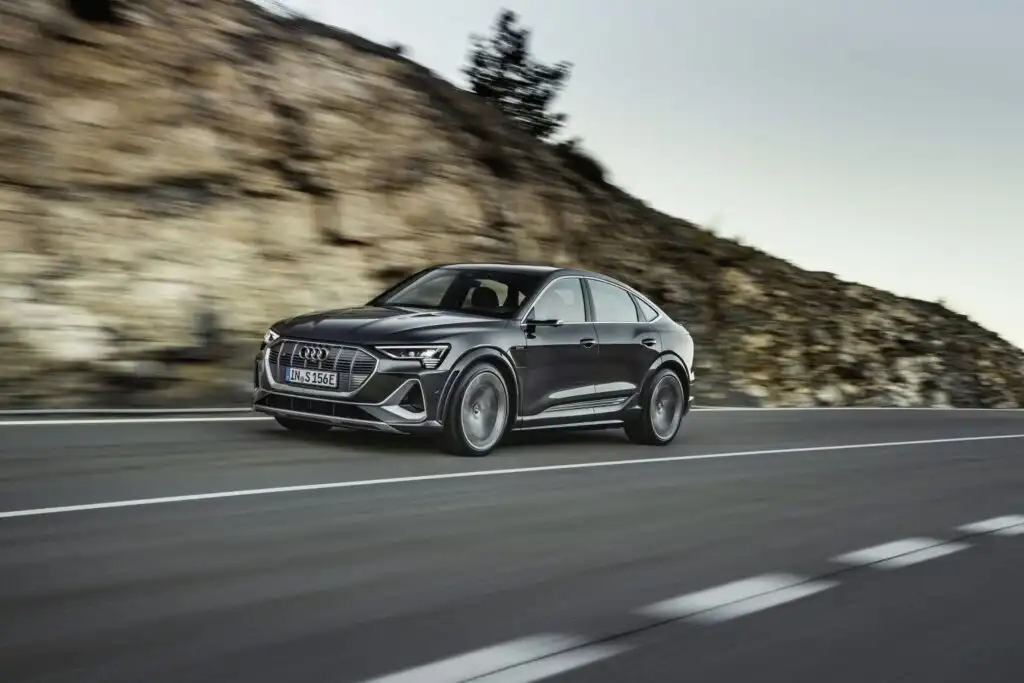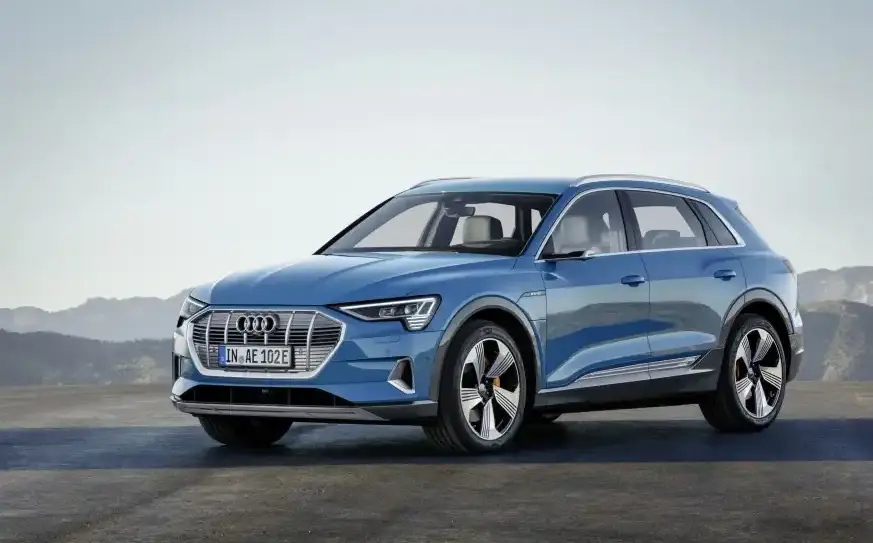
The Audi e-tron 50 71 kWh quattro, produced from November 2019 to 2022, represents Audi’s entry point into the all-electric SUV market. Positioned as a more accessible variant within the first-generation e-tron (GE) series – internally designated as the 1HX0 – it offered a balance between range, performance, and price. The “50” designation doesn’t correlate to engine displacement as in traditional combustion vehicles, but rather to Audi’s internal performance and range hierarchy. This model aimed to attract buyers seeking the prestige and technology of the e-tron brand without the higher cost associated with the 55 quattro or S variants. It competed directly with other premium electric SUVs like the Tesla Model Y, Mercedes-Benz EQC, and BMW iX3.
Technical Specifications
| Brand | Audi |
| Model | e-tron |
| Generation | e-tron |
| Type | 50 71 kWh (313 Hp) quattro |
| Start of production | November, 2019 |
| End of production | 2022 |
| Powertrain Architecture | BEV (Electric Vehicle) |
| Body type | SUV |
| Seats | 5 |
| Doors | 5 |
| Fuel Type | Electricity |
| Acceleration 0 – 100 km/h | 6.8 sec |
| Acceleration 0 – 62 mph | 6.8 sec |
| Acceleration 0 – 60 mph | 6.5 sec |
| Maximum speed | 190 km/h (118.06 mph) |
| Weight-to-power ratio | 7.6 kg/Hp, 132.1 Hp/tonne |
| Weight-to-torque ratio | 4.4 kg/Nm, 227.8 Nm/tonne |
| Gross battery capacity | 71 kWh |
| Net (usable) battery capacity | 64 kWh |
| Battery technology | Lithium-ion (Li-Ion) |
| Battery weight | 580 kg (1278.68 lbs) |
| Battery location | Below the floor |
| All-electric range (WLTP) | 282-341 km (175.23 – 211.89 mi) |
| Average Energy consumption (WLTP) | 21.7-25.8 kWh/100 km (34.92 – 41.52 kWh/100 mi) |
| Average Energy consumption (NEDC) | 21.4-23.8 kWh/100 km (34.44 – 38.3 kWh/100 mi) |
| Kerb Weight | 2370 kg (5224.96 lbs) |
| Max. weight | 3040 kg (6702.05 lbs) |
| Max load | 670 kg (1477.1 lbs) |
| Trunk (boot) space – minimum | 660 l (23.31 cu. ft.) |
| Trunk (boot) space – maximum | 1725 l (60.92 cu. ft.) |
| Length | 4901 mm (192.95 in) |
| Width | 1935 mm (76.18 in) |
| Height | 1632 mm (64.25 in) |
| Wheelbase | 2928 mm (115.28 in) |
| Drivetrain Architecture | One electric motor drives the front wheels, one electric motor drives the rear wheels. |
| Drive wheel | All wheel drive (4×4) |
| Number of gears and type of gearbox | 1 gears, automatic transmission |
Powertrain & Engine Architecture
The e-tron 50 quattro utilizes a dual-motor, all-wheel-drive (quattro) powertrain. Each axle features an asynchronous induction motor, a design choice Audi made for its efficiency and durability. The front motor is transversely mounted, while the rear motor also adopts a transverse layout. Combined, these motors deliver a system output of 313 horsepower (Hp) and 540 Newton-meters (398.28 lb-ft) of torque. The 71 kWh (gross) / 64 kWh (net) lithium-ion battery pack is located under the floor, contributing to a low center of gravity and improved handling. The battery management system (BMS) is crucial for optimizing battery life and performance, monitoring cell voltages, temperatures, and state of charge. The e-tron 50 doesn’t employ a multi-speed gearbox; instead, it utilizes a single-speed transmission for each axle, providing smooth and immediate torque delivery. The car supports DC fast charging, allowing for a significant charge in a relatively short period, though charging times vary depending on the charging station’s capabilities.
Driving Characteristics
The e-tron 50 quattro offers a refined and comfortable driving experience. Acceleration from 0-60 mph takes approximately 6.5 seconds, making it adequately quick for everyday driving. However, it’s noticeably slower than the e-tron 55 quattro, which boasts significantly more power. The single-speed transmission provides linear acceleration, and the instant torque characteristic of electric motors delivers responsive performance. The quattro all-wheel-drive system provides excellent traction in various weather conditions. The air suspension, standard on this model, contributes to a smooth ride, absorbing bumps and imperfections in the road surface effectively. Regenerative braking is adjustable, allowing drivers to customize the level of deceleration when lifting off the throttle, maximizing energy recovery and extending range. The steering is precise and well-weighted, providing a confident feel behind the wheel.
Equipment & Trim Levels
The e-tron 50 quattro came standard with a comprehensive suite of features, reflecting its premium positioning. These included leather upholstery, heated front seats, a panoramic sunroof, Audi’s Virtual Cockpit digital instrument cluster, and a user-friendly infotainment system with dual touchscreens. Standard safety features included Audi pre sense basic, lane departure warning, and automatic emergency braking. Optional extras included adaptive cruise control, a Bang & Olufsen sound system, matrix LED headlights, and various interior trim options. Trim levels were relatively simple, with most customization occurring through individual option selection rather than distinct packages. The focus was on providing a high level of standard equipment and allowing buyers to tailor the vehicle to their specific preferences.
Chassis & Braking
The e-tron 50 quattro features an independent multi-link suspension at both the front and rear axles, enhanced by adaptive air suspension. This system allows the ride height to be adjusted, optimizing comfort and handling. Front and rear brakes are ventilated discs, providing ample stopping power. The anti-lock braking system (ABS) and electronic stability control (ESC) are standard features, enhancing safety and control. The vehicle’s low center of gravity, thanks to the battery pack’s placement, contributes to reduced body roll and improved cornering stability. Stabilizer bars are present at both the front and rear, further enhancing handling precision.
Market Reception & Comparison
The e-tron 50 quattro was generally well-received by critics, who praised its comfortable ride, refined interior, and advanced technology. However, its range was often cited as a limitation compared to some competitors, particularly the Tesla Model Y. Fuel economy, expressed as energy consumption, ranged from 21.7 to 25.8 kWh per 100 kilometers (34.92 – 41.52 kWh per 100 miles), translating to approximately 96-81 MPGe. Compared to the e-tron 55 quattro, the 50 offered a more affordable entry point but sacrificed performance and range. The 55 quattro was favored by buyers prioritizing power and longer driving distances. The 50 appealed to those seeking a luxurious and technologically advanced electric SUV for primarily urban and suburban driving.
Legacy
The Audi e-tron 50 71 kWh quattro played a significant role in establishing Audi as a key player in the electric vehicle market. While superseded by newer e-tron models (now rebranded as the Q8 e-tron), the first-generation e-tron remains a desirable used car option. The powertrain has proven to be relatively reliable, with few widespread issues reported. Battery degradation is a common concern with all electric vehicles, but the e-tron’s battery management system has helped to mitigate this effect. Today, the e-tron 50 quattro represents a compelling value proposition for buyers seeking a premium electric SUV with a proven track record and a comfortable driving experience.