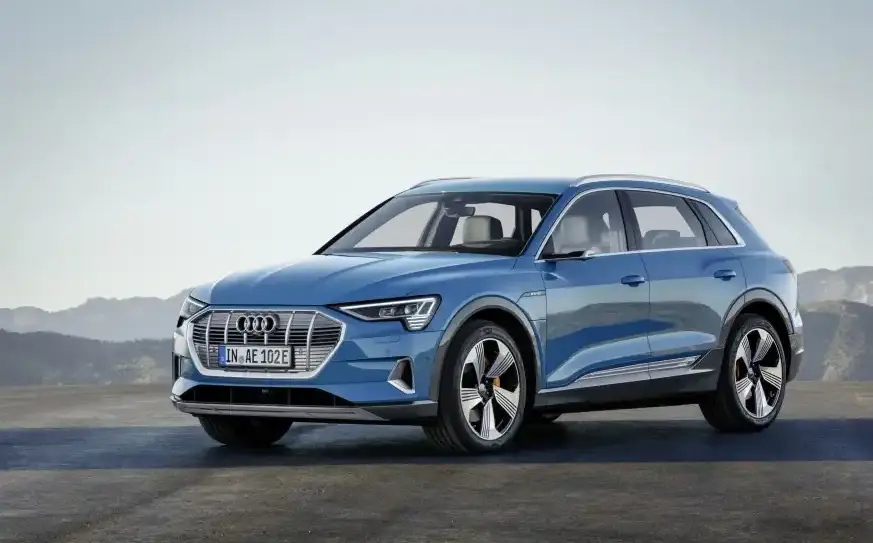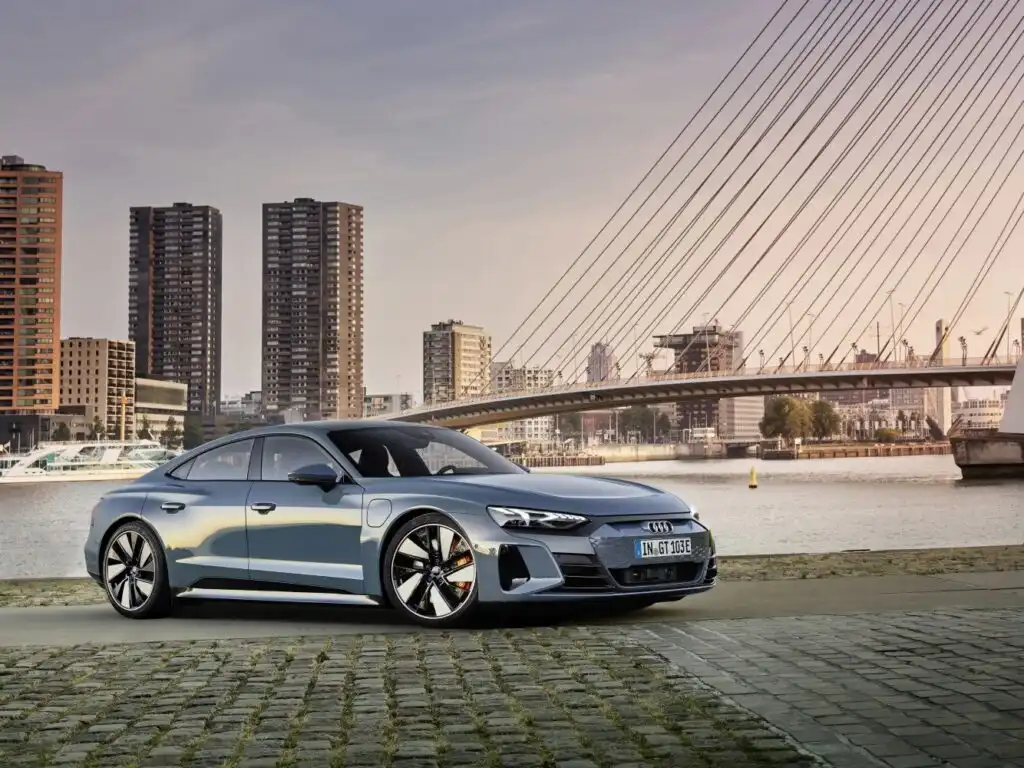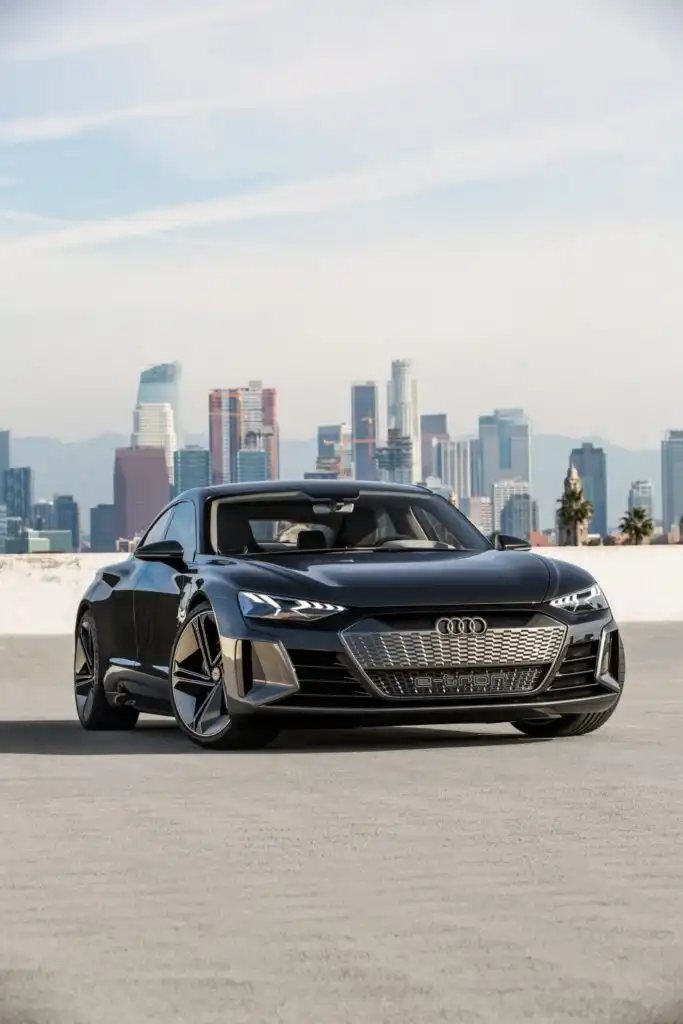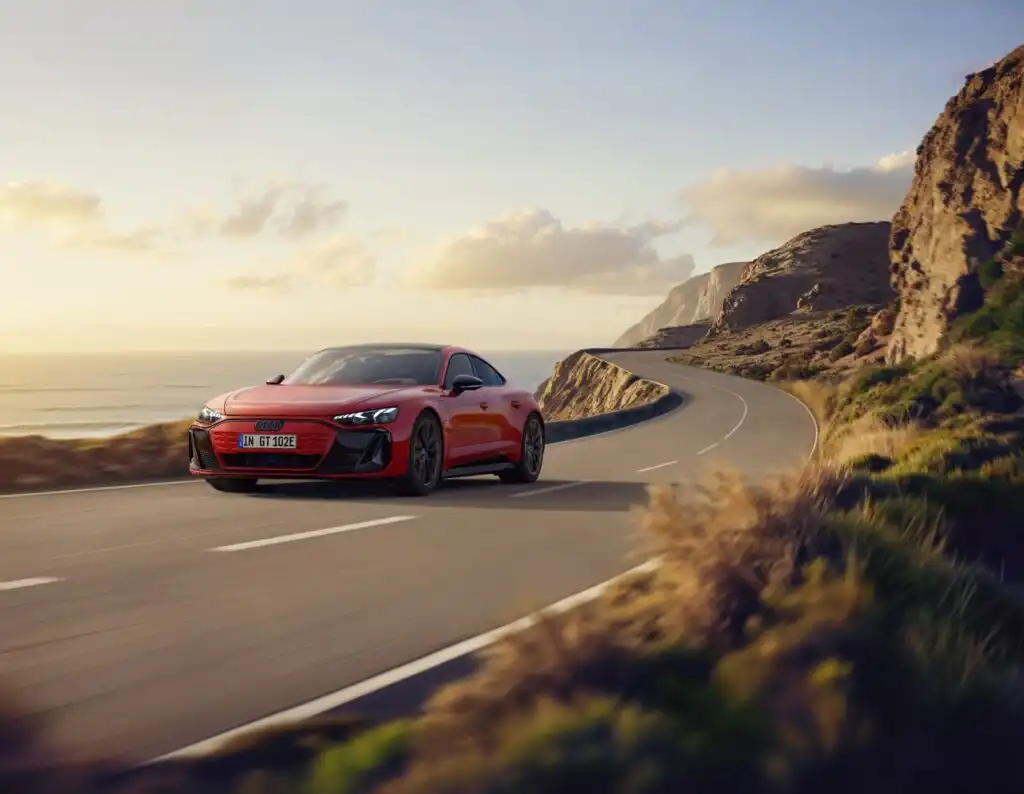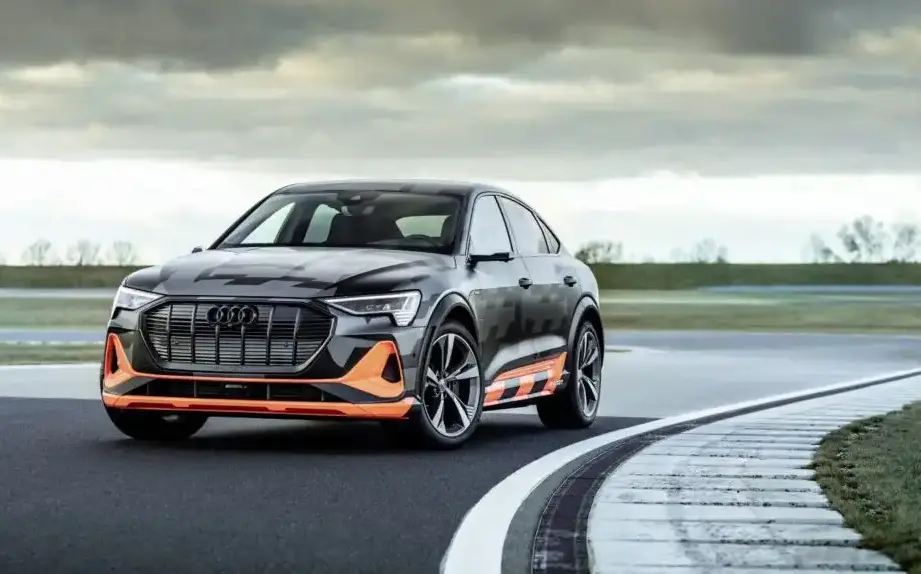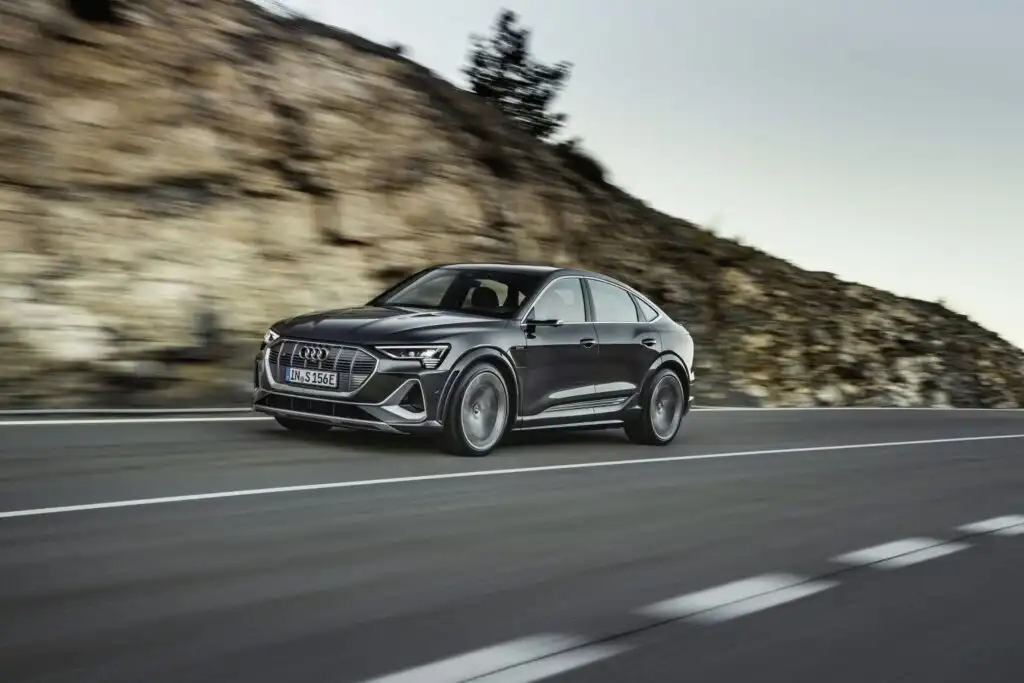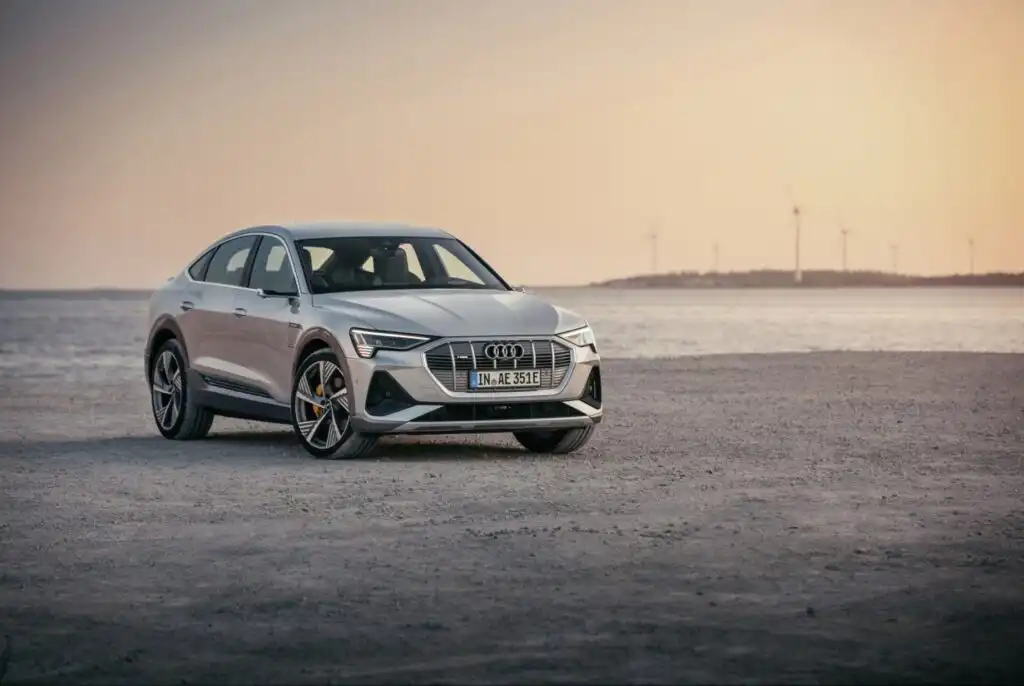
The Audi e-tron Sportback 50 71 kWh quattro, produced from 2020 to 2022, represents Audi’s entry point into the fully electric Sportback SUV market. Positioned as a more streamlined and dynamically styled alternative to the standard e-tron SUV, the Sportback 50 offered a balance of performance, range, and luxury within the broader e-tron lineup. It’s built on the MLB evo platform, shared with other Audi models, but uniquely adapted for a fully electric powertrain. This variant specifically targeted buyers seeking a premium electric vehicle with all-wheel drive capability and a coupe-like silhouette, without the higher price tag of the more powerful e-tron Sportback models.
Technical Specifications
| Brand | Audi |
| Model | e-tron |
| Generation | e-tron Sportback |
| Type (Engine) | 50 71 kWh (313 Hp) quattro |
| Start of production | 2020 |
| End of production | 2022 |
| Powertrain Architecture | BEV (Electric Vehicle) |
| Body type | Coupe, SUV |
| Seats | 5 |
| Doors | 5 |
| Fuel Type | Electricity |
| Acceleration 0 – 100 km/h | 6.8 sec |
| Acceleration 0 – 62 mph | 6.8 sec |
| Acceleration 0 – 60 mph | 6.5 sec |
| Maximum speed | 190 km/h (118.06 mph) |
| Weight-to-power ratio | 7.6 kg/Hp, 132.1 Hp/tonne |
| Weight-to-torque ratio | 4.4 kg/Nm, 227.8 Nm/tonne |
| Gross battery capacity | 71 kWh |
| Net (usable) battery capacity | 64 kWh |
| Battery technology | Lithium-ion (Li-Ion) |
| Battery weight | 580 kg (1278.68 lbs) |
| Battery location | Below the floor |
| Recuperation output | 220 kW |
| All-electric range (WLTP) | 286-351 km (177.71 – 218.1 mi) |
| Average Energy consumption (WLTP) | 21-25.5 kWh/100 km (33.8 – 41.04 kWh/100 mi) |
| Average Energy consumption (NEDC) | 20.9-23.5 kWh/100 km (33.64 – 37.82 kWh/100 mi) |
| Kerb Weight | 2370 kg (5224.96 lbs) |
| Max. weight | 3040 kg (6702.05 lbs) |
| Max load | 670 kg (1477.1 lbs) |
| Trunk (boot) space – minimum | 615 l (21.72 cu. ft.) |
| Trunk (boot) space – maximum | 1665 l (58.8 cu. ft.) |
| Length | 4901 mm (192.95 in) |
| Width | 1935 mm (76.18 in) |
| Height | 1616 mm (63.62 in) |
| Wheelbase | 2928 mm (115.28 in) |
| Drivetrain Architecture | One electric motor drives the front wheels, one electric motor drives the rear wheels. |
| Drive wheel | All wheel drive (4×4) |
| Number of gears and type of gearbox | 1 gears, automatic transmission |
Powertrain & Engine Architecture
The e-tron Sportback 50 71 kWh quattro utilizes a dual-motor, all-wheel-drive (quattro) electric powertrain. Each axle features an asynchronous electric motor, a design choice Audi made for its efficiency and relatively simple construction compared to synchronous motors. The front motor delivers power to the front wheels, while the rear motor powers the rear wheels. Combined, these motors produce a system output of 313 horsepower and 540 Nm (398.28 lb-ft) of torque. The 71 kWh gross (64 kWh net/usable) lithium-ion battery pack is located under the floor of the vehicle, contributing to a low center of gravity and improved handling. The battery management system is sophisticated, offering thermal management to optimize battery life and performance. The car features a single-speed automatic transmission for each axle, simplifying the drivetrain and maximizing efficiency. The charging system supports both AC and DC fast charging, allowing for convenient charging at home or on the go.
Driving Characteristics
The 50 quattro variant delivers brisk acceleration, achieving 0-60 mph in approximately 6.5 seconds. While not as quick as the higher-powered e-tron Sportback models, the 50 provides ample performance for everyday driving and highway merging. The single-speed transmission offers seamless acceleration, and the instant torque characteristic of electric motors provides a responsive driving experience. The quattro all-wheel-drive system ensures excellent traction in various weather conditions. Compared to the more powerful e-tron Sportback 55, the 50 feels slightly less urgent in its acceleration, but the difference is often negligible in typical driving scenarios. The regenerative braking system allows for one-pedal driving, enhancing efficiency and driver convenience. The suspension, typically featuring air suspension, provides a comfortable ride quality, absorbing bumps and imperfections in the road.
Equipment & Trim Levels
The e-tron Sportback 50 quattro came standard with a comprehensive suite of features, reflecting Audi’s premium positioning. Standard equipment included Audi’s Virtual Cockpit digital instrument cluster, a large touchscreen infotainment system with navigation, leather upholstery, heated front seats, a panoramic sunroof, and a suite of advanced driver-assistance systems such as adaptive cruise control, lane keeping assist, and automatic emergency braking. Optional extras included upgraded leather packages, massaging front seats, a Bang & Olufsen premium sound system, and various cosmetic enhancements. Trim levels were relatively streamlined, with options primarily focused on adding individual features rather than distinct packages.
Chassis & Braking
The e-tron Sportback 50 quattro features an independent multi-link suspension at both the front and rear axles, enhanced by air suspension for a comfortable and controlled ride. The air suspension allows for adjustable ride height, improving both comfort and off-road capability. The braking system utilizes ventilated discs on all four wheels, providing ample stopping power. Anti-lock braking system (ABS) and electronic stability control (ESC) are standard features, enhancing safety and stability. The steering system is an electric power-assisted rack and pinion system, offering precise and responsive steering feel.
Market Reception & Comparison
The e-tron Sportback 50 71 kWh quattro was generally well-received by automotive critics. It was praised for its stylish design, comfortable ride, and refined interior. However, some critics noted that its range was slightly less than some competitors in the premium electric SUV segment. Compared to the e-tron Sportback 55, the 50 offered a more affordable entry point into the e-tron lineup, making it accessible to a wider range of buyers. Fuel economy, measured in kWh per 100 km, varied depending on driving conditions, but typically ranged from 21 to 25.5 kWh/100 km (33.8 – 41.04 kWh/100 mi). Reliability reports have been generally positive, with few major issues reported with the powertrain.
Legacy
The Audi e-tron Sportback 50 71 kWh quattro played a significant role in establishing Audi as a key player in the electric vehicle market. While superseded by newer e-tron models with improved range and performance, the 50 remains a desirable option on the used car market. Its robust build quality, comfortable ride, and relatively simple electric powertrain contribute to its long-term reliability. The vehicle’s design and technology paved the way for future Audi electric vehicles, solidifying the brand’s commitment to electrification. The 50’s position as an entry-level e-tron Sportback made electric luxury accessible to a broader audience, accelerating the adoption of electric vehicles.