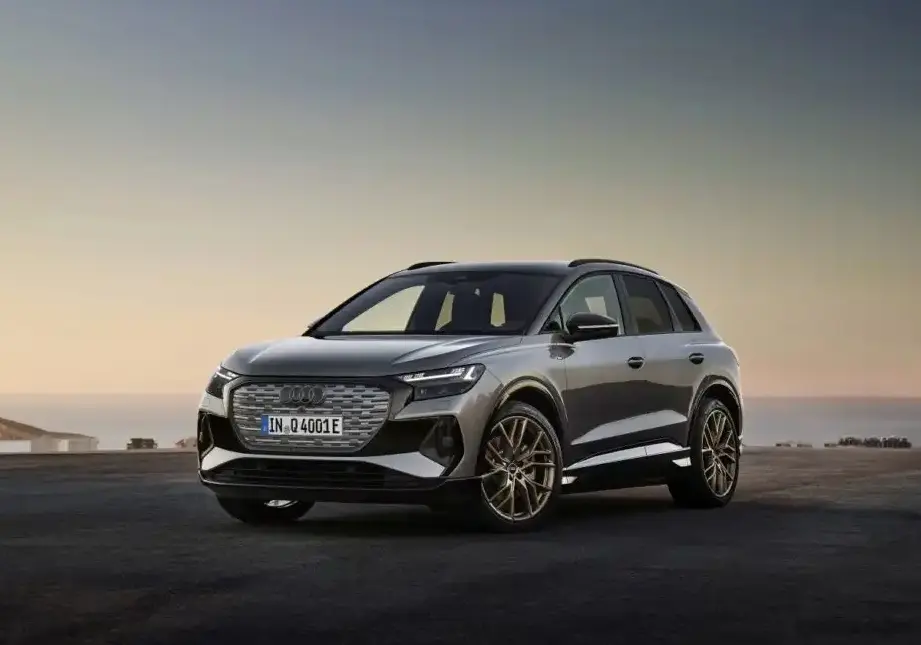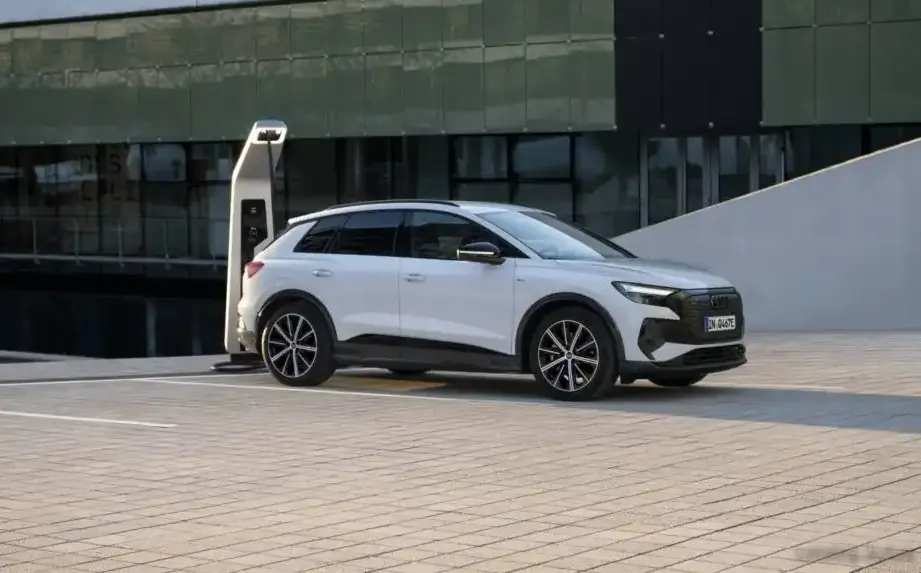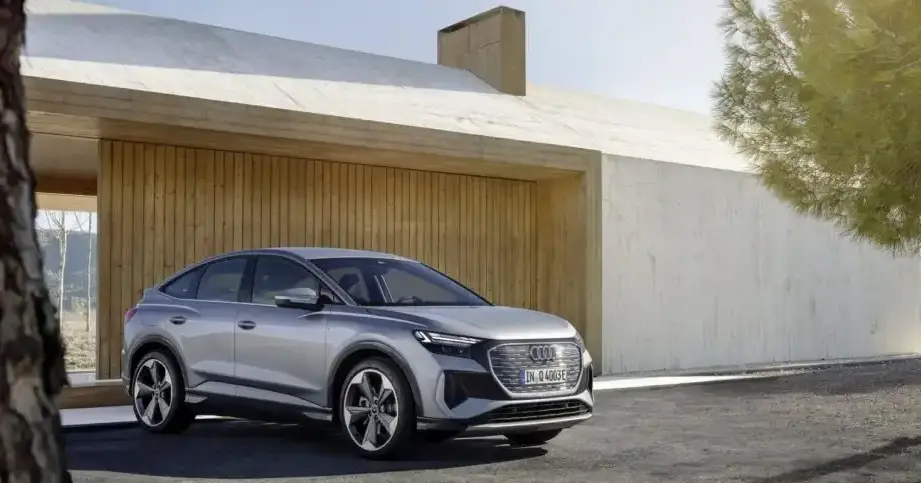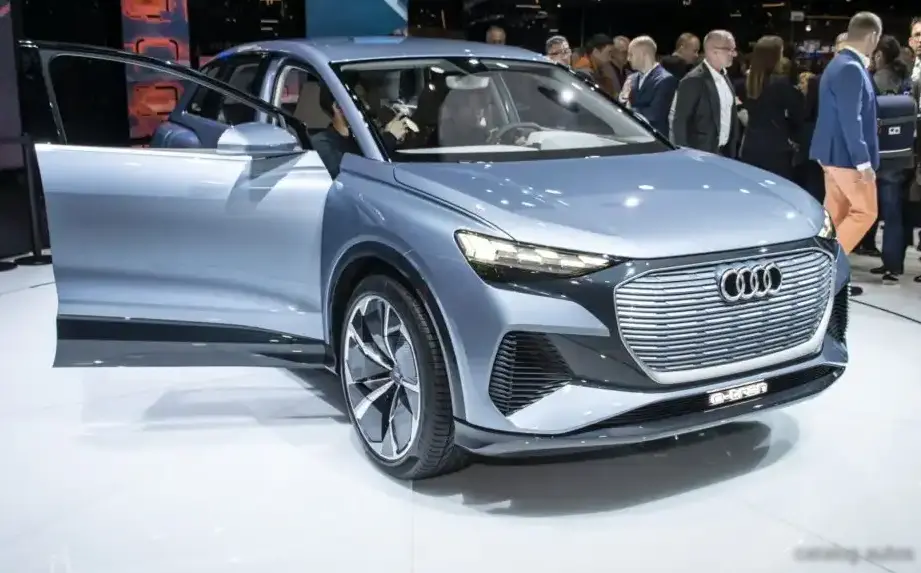
The Audi Q4 e-tron Concept, specifically the 82 kWh (306 hp) Quattro variant, represents Audi’s initial foray into a more compact, production-oriented all-electric SUV. Unveiled as a concept in 2019 and refined through 2021, it served as a crucial stepping stone towards the launch of the production Q4 e-tron model. This concept showcased Audi’s vision for a premium, accessible electric vehicle, bridging the gap between the larger e-tron and the more mainstream EV market. It was designed to compete with vehicles like the Tesla Model Y and the BMW iX3, offering a blend of practicality, technology, and the Audi brand experience.
Technical Specifications
| Brand | Audi |
| Model | Q4 e-tron |
| Generation | Q4 e-tron Concept |
| Type (Engine) | 82 kWh (306 Hp) Quattro |
| Start of production | 2019 |
| End of production | 2021 |
| Powertrain Architecture | BEV (Electric Vehicle) |
| Body type | SUV |
| Seats | 4 |
| Doors | 4 |
| Fuel Type | Electricity |
| Acceleration 0 – 100 km/h | 6.3 sec |
| Acceleration 0 – 62 mph | 6.3 sec |
| Acceleration 0 – 60 mph | 6 sec |
| Maximum speed | 180 km/h (111.85 mph) |
| Gross battery capacity | 82 kWh |
| All-electric range | >450 km (279.62 mi) |
| Electric motor 1 power | 102 Hp |
| Electric motor 1 Torque | 150 Nm (110.63 lb.-ft.) |
| Electric motor 2 power | 204 Hp |
| Electric motor 2 Torque | 310 Nm (228.64 lb.-ft.) |
| System power | 306 Hp |
| System torque | 460 Nm (339.28 lb.-ft.) |
| Length | 4590 mm (180.71 in.) |
| Width | 1950 mm (76.77 in.) |
| Height | 1610 mm (63.39 in.) |
| Wheelbase | 2770 mm (109.06 in.) |
| Drag coefficient (Cd) | 0.28 |
| Drive wheel | All wheel drive (4×4) |
| Front suspension | Independent type McPherson |
| Rear suspension | Independent multi-link suspension |
Powertrain & Engine Architecture
The Q4 e-tron Concept utilizes a dual-motor, all-wheel-drive (Quattro) powertrain, a hallmark of Audi’s performance and handling characteristics. The system employs one electric motor on the front axle and another on the rear, providing instant torque and precise control. The 82 kWh battery pack, positioned low in the vehicle’s floor, contributes to a lower center of gravity, enhancing stability and handling. The battery utilizes lithium-ion technology, offering a substantial range exceeding 450 kilometers (279.62 miles) under WLTP testing conditions. The combined output of the two motors delivers a total of 306 horsepower and 460 Nm (339.28 lb.-ft.) of torque. The concept featured a sophisticated thermal management system for the battery, crucial for maintaining optimal performance and longevity, especially during rapid charging or demanding driving conditions. The vehicle supports fast DC charging, allowing for a significant range boost in a relatively short period.
Driving Characteristics
The Q4 e-tron Concept, with its dual-motor setup and instant torque delivery, offered brisk acceleration. The 0-60 mph sprint was estimated at around 6 seconds, and 0-100 km/h in 6.3 seconds, making it competitive within its segment. The all-wheel-drive system provided excellent traction in various conditions, enhancing confidence and stability. The low center of gravity, thanks to the battery placement, contributed to a planted and secure feel during cornering. While the concept prioritized a comfortable and refined driving experience, the instant torque of the electric motors provided a responsive and engaging feel. The regenerative braking system allowed for one-pedal driving in certain situations, further enhancing efficiency and convenience.
Equipment & Trim Levels
As a concept vehicle, the Q4 e-tron showcased Audi’s vision for future interior design and technology integration. The interior featured a minimalist and modern aesthetic, with a focus on sustainable materials. The dashboard incorporated a large, curved display that integrated the instrument cluster and infotainment system. The concept utilized a touch-based interface for controlling various vehicle functions. Premium materials, such as recycled fabrics and wood trim, were used throughout the cabin. Standard features included a panoramic sunroof, premium audio system, and advanced driver-assistance systems. While not a production trim level, the concept demonstrated the potential for a high level of luxury and technology in the future Q4 e-tron models.
Chassis & Braking
The Q4 e-tron Concept employed an independent suspension system, with McPherson struts at the front and a multi-link setup at the rear. This configuration provided a comfortable ride and precise handling. The vehicle’s relatively low weight, due to the absence of a traditional internal combustion engine, contributed to improved agility. The braking system featured disc brakes on all four wheels, providing ample stopping power. The electronic stability control (ESC) system worked in conjunction with the all-wheel-drive system to maintain stability and control in challenging conditions. The concept also incorporated regenerative braking, which helped to recapture energy and extend the vehicle’s range.
Market Reception & Comparison
The Q4 e-tron Concept received positive reception from automotive critics and enthusiasts. It was praised for its stylish design, spacious interior, and promising performance. The concept demonstrated Audi’s commitment to electric mobility and its ability to create compelling electric vehicles. Compared to other electric SUVs in the same segment, such as the Tesla Model Y, the Q4 e-tron Concept offered a more traditional luxury experience, with a focus on refinement and build quality. The concept’s range and charging capabilities were also competitive, although some critics noted that the range was slightly less than that of some competitors. The concept’s emphasis on sustainable materials and advanced technology was also well-received.
Legacy
The Q4 e-tron Concept played a pivotal role in shaping the production Q4 e-tron model. Many of the design elements and technological features showcased in the concept were incorporated into the final production version. The concept helped to establish the Q4 e-tron as a key player in the growing electric SUV market. The powertrain architecture and battery technology demonstrated in the concept paved the way for Audi’s broader electrification strategy. The Q4 e-tron, based on the modular electric drive toolkit (MEB) platform, has become a popular choice for consumers seeking a premium, all-electric SUV. The concept’s legacy continues to influence Audi’s approach to electric vehicle design and technology.