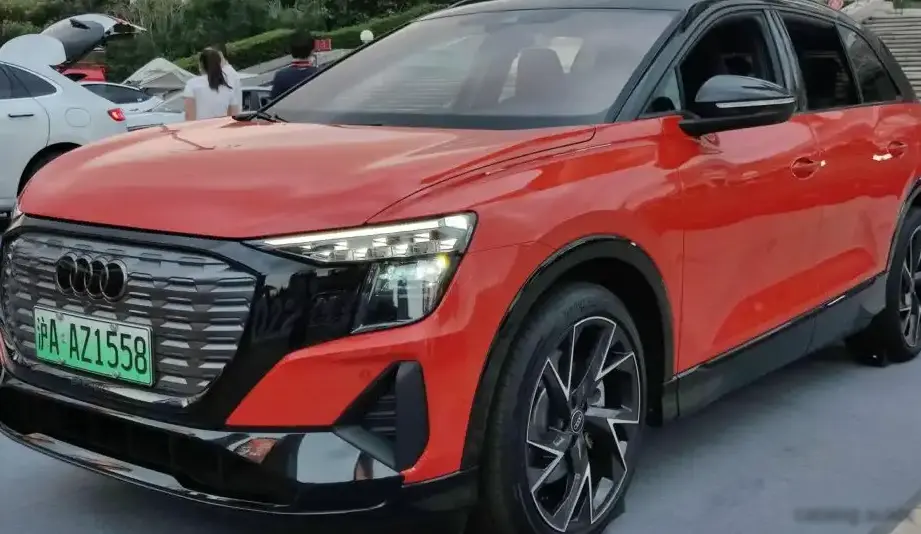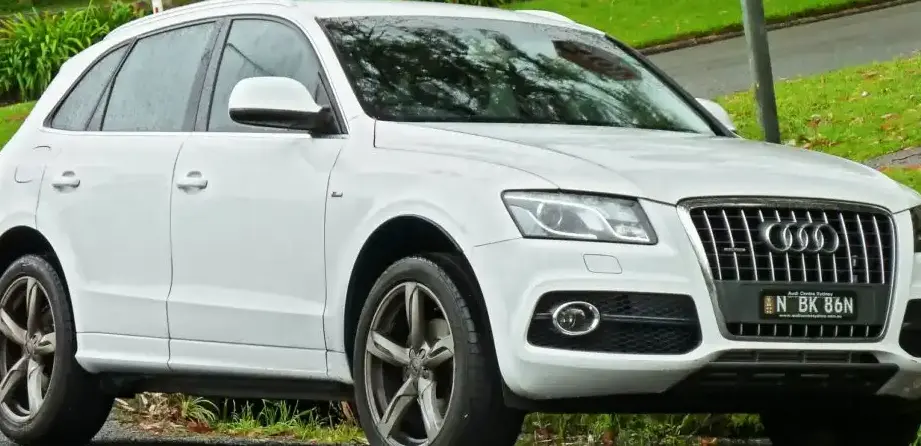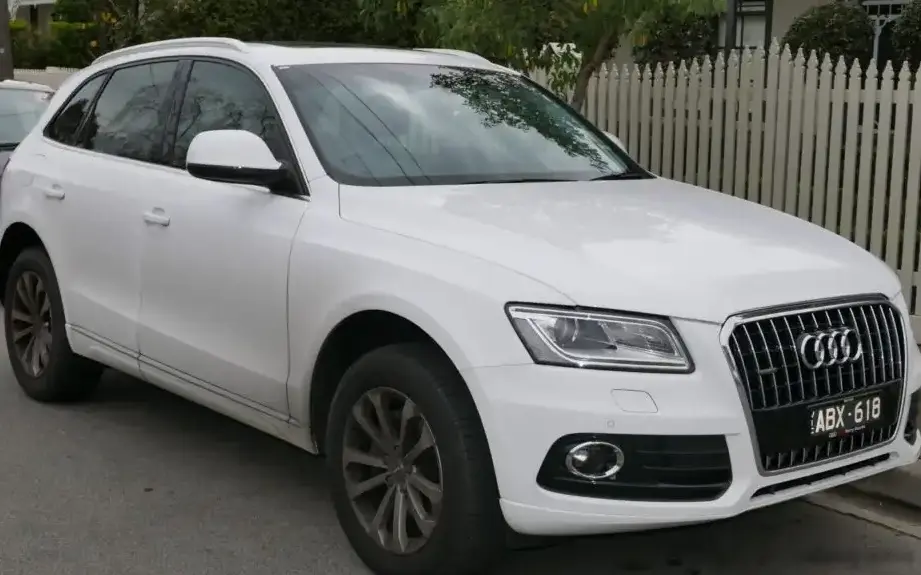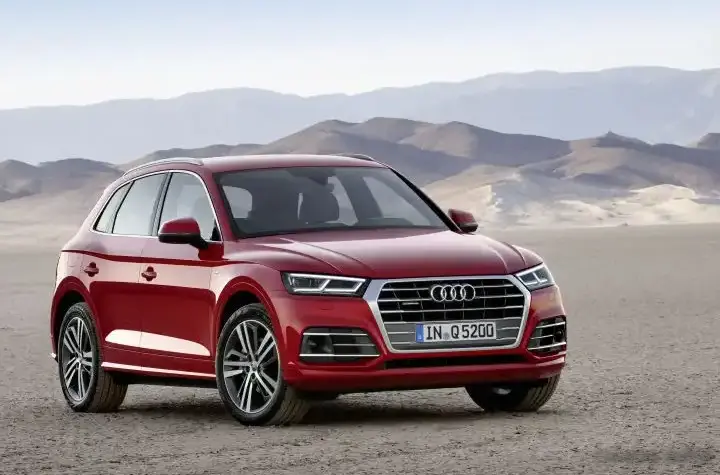
The Audi Q5 II (FY) 45 TFSI quattro S tronic represents a significant iteration in Audi’s popular luxury compact SUV lineup. Produced from 2019 to 2020, this variant occupied a key position within the second-generation Q5 (FY) series, which debuted in 2017. Built on the MLB Evo platform shared with other Volkswagen Group vehicles, the Q5 FY aimed to balance performance, technology, and practicality for the North American and European markets. The “45 TFSI” designation signifies a 2.0-liter turbocharged four-cylinder engine producing 245 horsepower, paired exclusively with Audi’s seven-speed S tronic dual-clutch transmission and the quattro all-wheel-drive system. This configuration was positioned as a sweet spot in the range, offering a compelling blend of power and efficiency compared to the base models and the higher-performance SQ5.
Technical Specifications
| Brand | Audi |
| Model | Q5 |
| Generation | Q5 II (FY) |
| Type (Engine) | 45 TFSI (245 Hp) quattro S tronic |
| Start of production | 2019 |
| End of production | 2020 |
| Powertrain Architecture | Internal Combustion engine |
| Body type | SUV |
| Seats | 5 |
| Doors | 5 |
| Combined fuel consumption (WLTP) | 8.3-9.3 l/100 km (28.3 – 25.3 US mpg, 34 – 30.4 UK mpg, 12 – 10.8 km/l) |
| CO2 emissions (WLTP) | 187-212 g/km |
| Fuel consumption (urban) | 8.9-9.5 l/100 km (26.4 – 24.8 US mpg, 31.7 – 29.7 UK mpg, 11.2 – 10.5 km/l) |
| Fuel consumption (extra urban) | 6.0-6.4 l/100 km (39.2 – 36.8 US mpg, 47.1 – 44.1 UK mpg, 16.7 – 15.6 km/l) |
| Fuel consumption (combined) | 7.1-7.5 l/100 km (33.1 – 31.4 US mpg, 39.8 – 37.7 UK mpg, 14.1 – 13.3 km/l) |
| CO2 emissions | 162-172 g/km |
| Fuel Type | Petrol (Gasoline) |
| Acceleration 0 – 100 km/h | 6.4 sec |
| Acceleration 0 – 62 mph | 6.4 sec |
| Acceleration 0 – 60 mph | 6.1 sec |
| Maximum speed | 237 km/h (147.26 mph) |
| Emission standard | Euro 6d-Temp-Evap |
| Weight-to-power ratio | 7.1 kg/Hp, 140 Hp/tonne |
| Weight-to-torque ratio | 4.7 kg/Nm, 211.4 Nm/tonne |
| Power | 245 Hp @ 5000-6500 rpm |
| Power per litre | 123.5 Hp/l |
| Torque | 370 Nm @ 1600-4300 rpm (272.9 lb.-ft. @ 1600-4300 rpm) |
| Engine layout | Front, Longitudinal |
| Engine Model/Code | DNTA |
| Engine displacement | 1984 cm3 (121.07 cu. in.) |
| Number of cylinders | 4 |
| Engine configuration | Inline |
| Number of valves per cylinder | 4 |
| Fuel injection system | Direct injection |
| Engine aspiration | Turbocharger, Intercooler |
| Engine oil capacity | 5.2 l (5.49 US qt | 4.58 UK qt) |
| Kerb Weight | 1750 kg (3858.09 lbs.) |
| Max. weight | 2435 kg (5368.26 lbs.) |
| Max load | 685 kg (1510.17 lbs.) |
| Trunk (boot) space – minimum | 550 l (19.42 cu. ft.) |
| Fuel tank capacity | 70 l (18.49 US gal | 15.4 UK gal) |
| Max. roof load | 75 kg (165.35 lbs.) |
| Permitted trailer load with brakes (8%) | 2400 kg (5291.09 lbs.) |
| Permitted trailer load with brakes (12%) | 2400 kg (5291.09 lbs.) |
| Permitted trailer load without brakes | 750 kg (1653.47 lbs.) |
| Permitted towbar download | 100 kg (220.46 lbs.) |
| Length | 4663 mm (183.58 in.) |
| Width | 1893 mm (74.53 in.) |
| Width including mirrors | 2140 mm (84.25 in.) |
| Height | 1659 mm (65.31 in.) |
| Wheelbase | 2819 mm (110.98 in.) |
| Front track | 1616 mm (63.62 in.) |
| Rear track | 1609 mm (63.35 in.) |
| Front overhang | 899 mm (35.39 in.) |
| Rear overhang | 945 mm (37.2 in.) |
| Drive wheel | All wheel drive (4×4) |
| Number of gears and type of gearbox | 7 gears, automatic transmission S tronic |
| Front suspension | Independent multi-link suspension |
| Rear suspension | Independent multi-link spring suspension with stabilizer |
| Front brakes | Ventilated discs |
| Rear brakes | Ventilated discs |
| Assisting systems | ABS (Anti-lock braking system) |
| Steering type | Steering rack and pinion |
| Power steering | Electric Steering |
| Tires size | 235/65 R17; 235/60 R18; 235/55 R19; 255/45 R20; 255/40 R21 |
| Wheel rims size | 8J x 17; 8J x 18; 8J x 19; 8.5J x 19; 8J x 20; 8.5J x 21 |
Powertrain & Engine Architecture
The heart of the Q5 45 TFSI is the EA888 2.0-liter turbocharged inline-four engine, specifically the DNTA engine code. This engine utilizes direct fuel injection and a single twin-scroll turbocharger with intercooling. The twin-scroll design improves turbo response by separating exhaust pulses, reducing turbo lag. The engine also features variable valve timing on both the intake and exhaust sides, optimizing performance and efficiency across the rev range. The S tronic seven-speed dual-clutch transmission (DCT) is a key component, offering rapid and smooth gear changes. Unlike a traditional automatic, the S tronic pre-selects the next gear, minimizing interruption in power delivery. The quattro all-wheel-drive system employs a multi-plate clutch to distribute torque between the front and rear axles, providing enhanced traction and stability in various driving conditions.
Driving Characteristics
The 245 horsepower and 272.9 lb.-ft. of torque delivered by the 2.0-liter turbo engine provide brisk acceleration. The 0-60 mph sprint takes approximately 6.1 seconds, making it a competitive performer in its class. The S tronic transmission contributes to a responsive driving experience, with quick shifts and minimal torque interruption. Compared to the base Q5 models with lower-output engines, the 45 TFSI offers a noticeable performance upgrade. While not as aggressively sporty as the SQ5, the 45 TFSI provides ample power for everyday driving and highway passing. The quattro system inspires confidence in inclement weather, providing excellent grip and stability. The gear ratios are tuned for a balance of acceleration and fuel efficiency, with a relatively tall seventh gear for relaxed cruising.
Equipment & Trim Levels
The Q5 45 TFSI typically came well-equipped as standard. Features included leather upholstery, a panoramic sunroof, tri-zone automatic climate control, and Audi’s MMI infotainment system with a 7-inch touchscreen display. Standard safety features included Audi pre sense basic, lane departure warning, and automatic emergency braking. Optional extras included a virtual cockpit digital instrument cluster, a Bang & Olufsen sound system, adaptive cruise control, and a 360-degree camera system. Trim levels varied slightly by market, but generally offered packages that bundled popular options together. Interior color choices typically included black, gray, and tan leather options.
Chassis & Braking
The Q5 FY utilizes an independent multi-link suspension at all four corners, providing a comfortable and controlled ride. The suspension is tuned to balance handling and comfort, offering a good compromise for everyday driving. The 45 TFSI models typically featured ventilated disc brakes on all wheels, providing ample stopping power. The electronic stability control (ESC) system integrates with the ABS and traction control systems to enhance safety and stability. Steering is via a rack-and-pinion system with electric power assistance, offering precise and responsive steering feel.
Market Reception & Comparison
The Audi Q5 45 TFSI was generally well-received by automotive critics. It was praised for its refined interior, comfortable ride, and strong performance. The S tronic transmission was lauded for its quick and smooth shifts. Compared to rivals like the BMW X3 and Mercedes-Benz GLC, the Q5 45 TFSI was often seen as offering a more balanced package, with a focus on comfort and technology. Fuel economy was competitive for its class, averaging around 25-30 mpg in real-world driving. Reliability was generally good, although some owners reported minor issues with the infotainment system.
Legacy
The Audi Q5 II (FY) 45 TFSI quattro S tronic remains a popular choice in the used car market. The EA888 engine is known for its durability and relatively straightforward maintenance. The S tronic transmission, while offering excellent performance, requires regular maintenance (fluid changes) to ensure longevity. Overall, this variant represents a well-rounded and reliable luxury SUV that continues to offer a compelling blend of performance, comfort, and technology.