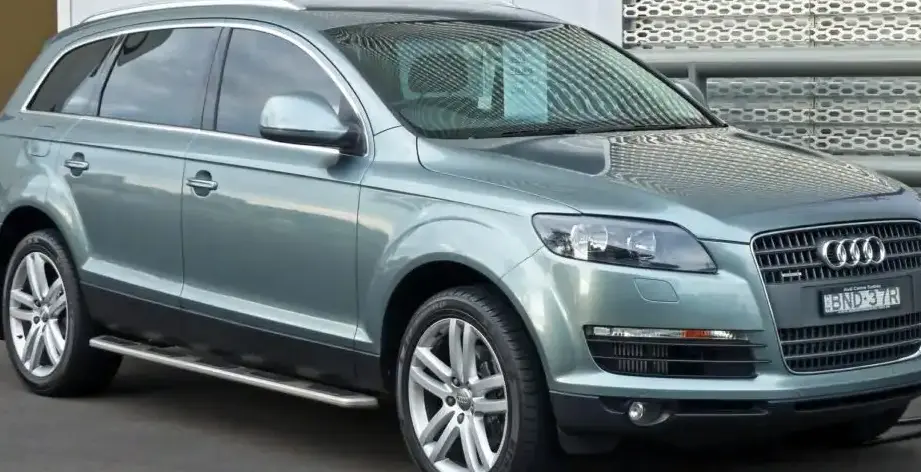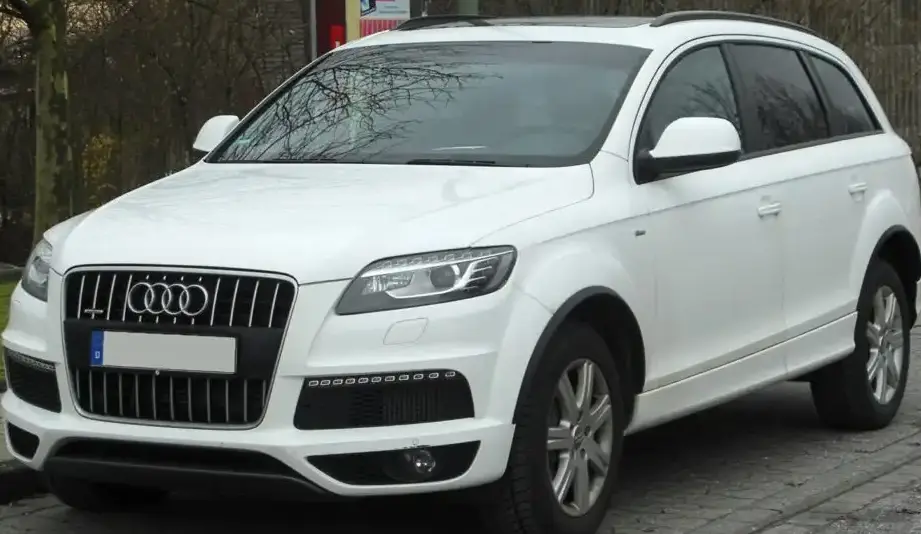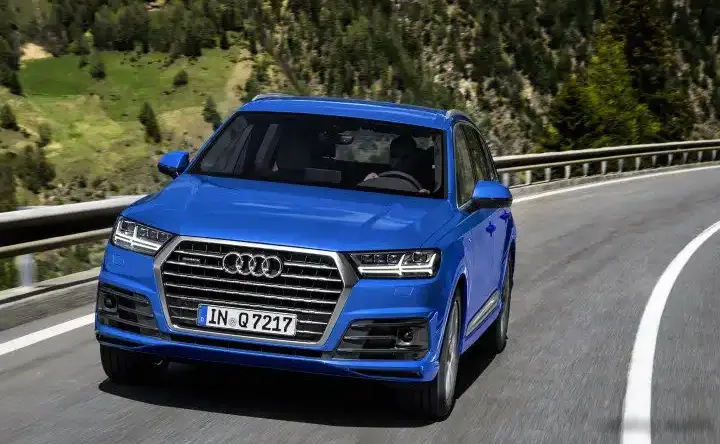
The Audi Q7 (Typ 4M) e-tron 3.0 TDI, produced from 2016 to 2018, represents a significant step in Audi’s push towards plug-in hybrid technology within its luxury SUV lineup. This variant combined a 3.0-liter turbocharged diesel engine with an electric motor, offering a blend of performance, efficiency, and all-wheel drive capability. Positioned as a premium offering within the Q7 range, the e-tron 3.0 TDI aimed to appeal to buyers seeking a sophisticated and environmentally conscious vehicle without sacrificing the practicality and space expected of a large SUV. It was a key model in Audi’s early adoption of PHEV technology, leveraging the established Q7 platform (the 4M generation) to introduce a new powertrain option.
Technical Specifications
| Brand | Audi |
| Model | Q7 |
| Generation | Q7 (Typ 4M) |
| Type (Engine) | e-tron 3.0 TDI (374 Hp) Plug-in Hybrid quattro tiptronic |
| Start of production | 2016 |
| End of production | 2018 |
| Powertrain Architecture | PHEV (Plug-in Hybrid Electric Vehicle) |
| Body type | SUV |
| Seats | 5 |
| Doors | 5 |
| Fuel consumption (combined) | 1.8-1.9 l/100 km (130.7 – 123.8 US mpg) |
| CO2 emissions | 48-50 g/km |
| Fuel Type | Diesel / electricity |
| Acceleration 0 – 100 km/h | 6.2 sec |
| Acceleration 0 – 62 mph | 6.2 sec |
| Acceleration 0 – 60 mph | 5.9 sec |
| Maximum speed | 230 km/h (142.92 mph) |
| Emission standard | Euro 6 |
| Gross battery capacity | 17.3 kWh |
| Battery technology | Lithium-ion (Li-Ion) |
| All-electric range | 56 km (34.8 mi) |
| Average Energy consumption | 18.1-19 kWh/100 km |
| Max speed (electric) | 135 km/h (83.89 mph) |
| Electric motor power | 128 Hp @ 2600 rpm |
| Electric motor Torque | 350 Nm @ 2550 rpm (258.15 lb.-ft. @ 2550 rpm) |
| System power | 374 Hp |
| System torque | 700 Nm (516.29 lb.-ft.) |
| Engine Power | 258 Hp @ 3250-4500 rpm |
| Engine Torque | 600 Nm @ 1250-3000 rpm (442.54 lb.-ft. @ 1250-3000 rpm) |
| Engine displacement | 2967 cm3 (181.06 cu. in.) |
| Number of cylinders | 6 |
| Engine configuration | V-engine |
| Kerb Weight | 2445 kg (5390.3 lbs.) |
| Max. weight | 3185 kg (7021.72 lbs.) |
| Trunk space (minimum) | 650 l (22.95 cu. ft.) |
| Trunk space (maximum) | 1835 l (64.8 cu. ft.) |
| Fuel tank capacity | 75 l (19.81 US gal) |
| Number of gears | 8 |
| Gearbox type | automatic transmission tiptronic |
Powertrain & Engine Architecture
The heart of the Q7 e-tron 3.0 TDI is a 3.0-liter V6 turbocharged diesel engine, designated the CVZA engine code. This engine produces 258 horsepower and a substantial 600 Nm (442.54 lb-ft) of torque. It utilizes a sophisticated diesel commonrail fuel injection system and a variable geometry turbocharger to optimize combustion and power delivery. The engine also features a Start & Stop system and a particulate filter to reduce emissions. Integrated with the diesel engine is a 128 horsepower electric motor, positioned between the engine and the eight-speed tiptronic automatic transmission. This placement allows for seamless integration of power from both sources. The electric motor draws power from a 17.3 kWh lithium-ion battery pack located under the trunk floor, minimizing impact on passenger space. The combined system output reaches 374 horsepower and 700 Nm (516.29 lb-ft) of torque, providing strong acceleration and effortless cruising.
Driving Characteristics
The Q7 e-tron 3.0 TDI delivers a unique driving experience. In pure electric mode, it offers a quiet and refined ride, capable of traveling up to 56 km (34.8 miles) on a full charge. This range is sufficient for many daily commutes. When the diesel engine engages, the transition is nearly imperceptible, providing a smooth and powerful surge of acceleration. The eight-speed tiptronic transmission is well-tuned to the hybrid powertrain, offering quick and precise shifts. Compared to the standard Q7 3.0 TDI, the e-tron variant offers improved fuel economy and reduced emissions. While the 0-60 mph time of around 5.9 seconds is respectable, it’s slightly slower than the more powerful Q7 variants like the 3.0 TFSI (gasoline). However, the e-tron’s instant electric torque provides strong off-the-line acceleration. The quattro all-wheel drive system ensures excellent traction and stability in all weather conditions.
Equipment & Trim Levels
The Q7 e-tron 3.0 TDI typically came well-equipped, reflecting its premium positioning. Standard features included leather upholstery, a panoramic sunroof, a premium sound system, and Audi’s MMI infotainment system with navigation. The interior featured unique e-tron badging and trim elements. Optional extras included adaptive cruise control, a head-up display, and upgraded interior finishes. The trim level often included features like heated and ventilated front seats, power-adjustable seats with memory function, and a power tailgate. The focus was on providing a luxurious and technologically advanced cabin experience.
Chassis & Braking
The Q7 e-tron 3.0 TDI utilizes an independent multi-link suspension system at both the front and rear axles, providing a comfortable and controlled ride. A transverse stabilizer bar helps to minimize body roll during cornering. The braking system consists of ventilated discs on all four wheels, providing ample stopping power. ABS (Anti-lock braking system) is standard. Due to the added weight of the battery pack, the suspension was often tuned slightly firmer compared to the standard Q7 to maintain handling balance. The steering is an electric power steering system, offering precise and responsive control.
Market Reception & Comparison
The Audi Q7 e-tron 3.0 TDI was generally well-received by critics, who praised its blend of performance, efficiency, and luxury. The plug-in hybrid powertrain was seen as a significant step forward for Audi, demonstrating the brand’s commitment to sustainable mobility. Compared to other Q7 trims, the e-tron offered superior fuel economy and lower emissions, making it an attractive option for environmentally conscious buyers. However, the higher price tag and the limited all-electric range were noted as potential drawbacks. Compared to the Q7 3.0 TDI, the e-tron offered a similar driving experience with the added benefit of electric power, while the Q7 3.0 TFSI provided more outright performance but at the cost of fuel efficiency.
Legacy
The Q7 e-tron 3.0 TDI played a crucial role in establishing Audi as a leader in the plug-in hybrid market. While production was relatively short-lived, the model paved the way for future e-tron models and helped to popularize PHEV technology among luxury SUV buyers. The powertrain, while complex, has proven to be reasonably reliable, with the diesel engine and automatic transmission being generally robust. The battery pack, however, can be a potential source of long-term maintenance costs. On the used car market, the Q7 e-tron 3.0 TDI remains a desirable option for those seeking a sophisticated and efficient luxury SUV, offering a unique combination of performance and environmental responsibility.