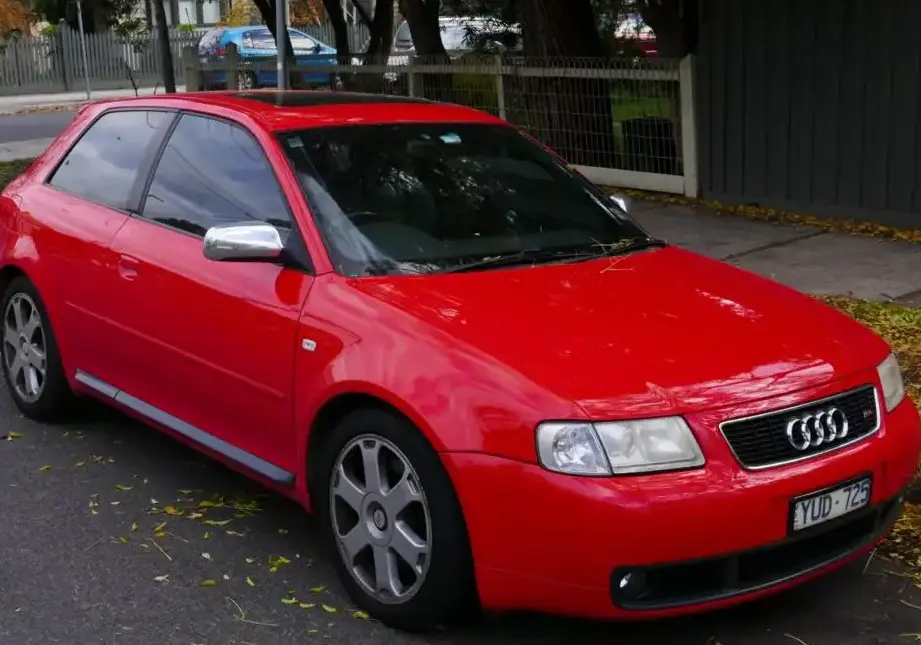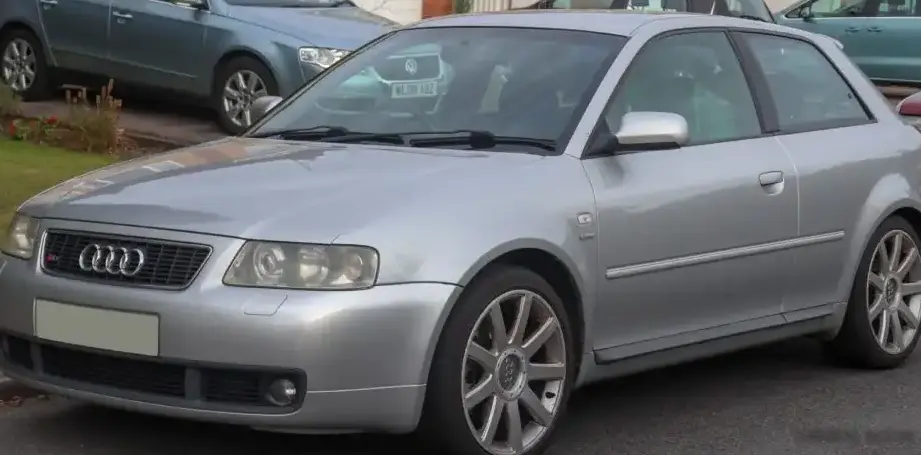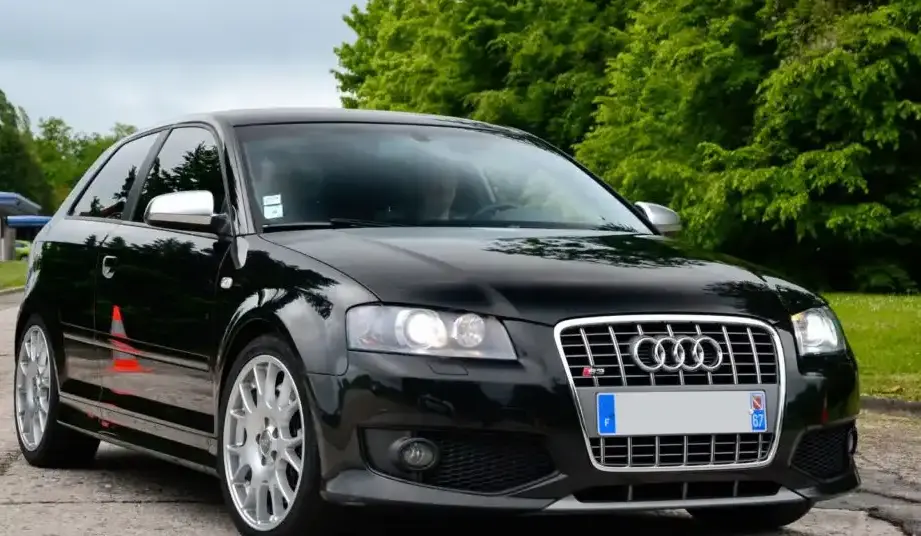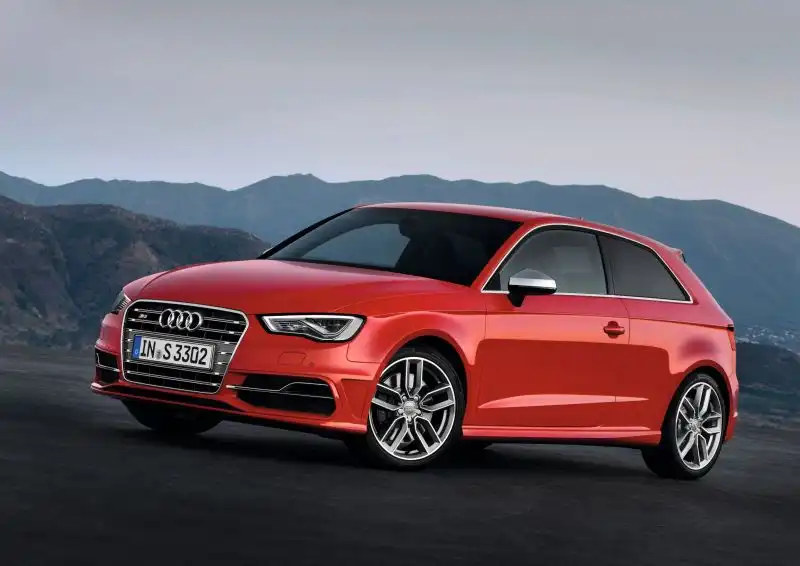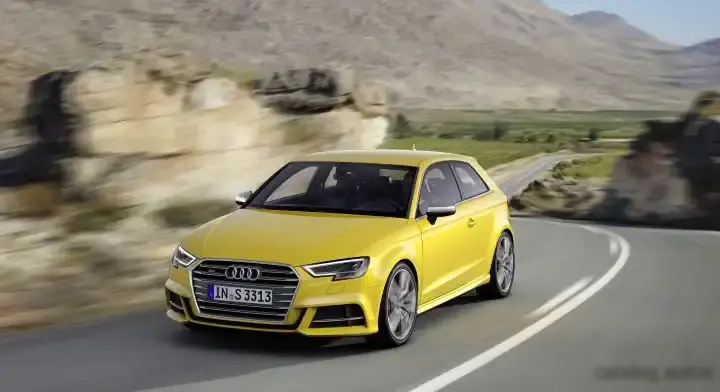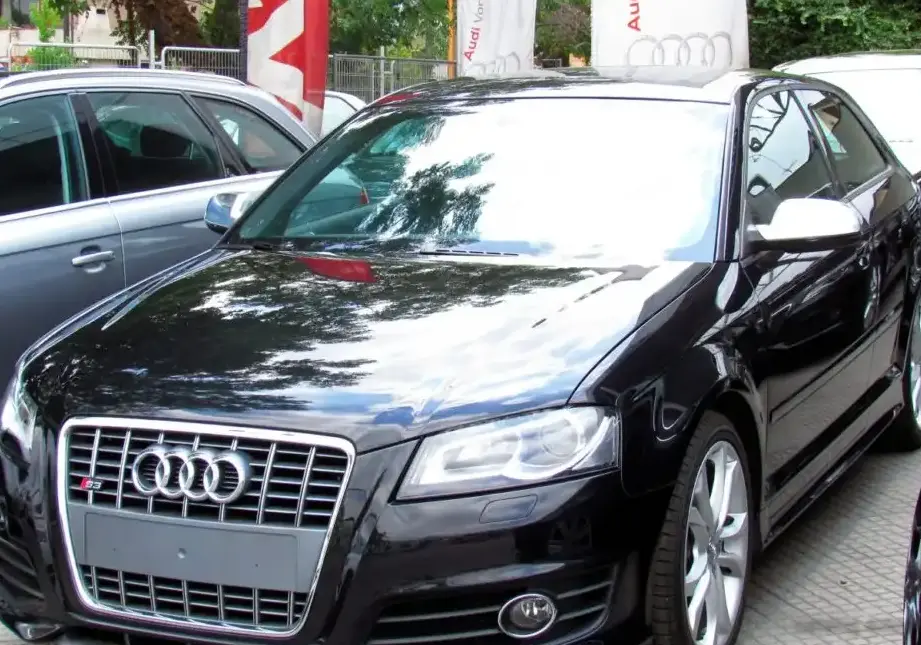
The Audi S3 (8P, facelift) 2.0 TFSI quattro, produced from 2010 to 2012, represents a significant iteration of Audi’s performance-oriented compact hatchback. Positioned as the high-performance variant of the A3 Sportback, the S3 facelift built upon the already successful 8P generation, introducing styling revisions and, crucially, an upgraded 2.0-liter turbocharged engine. This model year saw a refinement of the S3 formula, solidifying its reputation as a capable and engaging all-weather performance car, particularly within the European market. While not officially sold in the United States during this generation, the 8P S3 remains a sought-after import and a benchmark for enthusiast drivers.
Technical Specifications
| Brand | Audi |
| Model | S3 |
| Generation | S3 (8P, facelift 2008) |
| Type (Engine) | 2.0 TFSI (256 Hp) quattro |
| Start of production | 2010 |
| End of production | 2012 |
| Powertrain Architecture | Internal Combustion engine |
| Body type | Hatchback |
| Seats | 5 |
| Doors | 3 |
| Fuel consumption (economy) – urban | 11.8 l/100 km (19.9 US mpg, 23.9 UK mpg, 8.5 km/l) |
| Fuel consumption (economy) – extra urban | 6.6 l/100 km (35.6 US mpg, 42.8 UK mpg, 15.2 km/l) |
| Fuel consumption (economy) – combined | 8.5 l/100 km (27.7 US mpg, 33.2 UK mpg, 11.8 km/l) |
| CO2 emissions | 198 g/km |
| Fuel Type | Petrol (Gasoline) |
| Acceleration 0 – 100 km/h | 5.9 sec |
| Acceleration 0 – 62 mph | 5.9 sec |
| Acceleration 0 – 60 mph | 5.6 sec |
| Maximum speed | 250 km/h (155.34 mph) |
| Emission standard | Euro 5 |
| Weight-to-power ratio | 5.7 kg/Hp, 175.9 Hp/tonne |
| Weight-to-torque ratio | 4.4 kg/Nm, 226.8 Nm/tonne |
| Power | 256 Hp @ 6000 rpm |
| Power per litre | 129 Hp/l |
| Torque | 330 Nm @ 2500-5000 rpm (243.4 lb.-ft. @ 2500-5000 rpm) |
| Engine layout | Front, Transverse |
| Engine Model/Code | CDLC |
| Engine displacement | 1984 cm3 (121.07 cu. in.) |
| Number of cylinders | 4 |
| Engine configuration | Inline |
| Cylinder Bore | 82.5 mm (3.25 in.) |
| Piston Stroke | 92.8 mm (3.65 in.) |
| Compression ratio | 9.8:1 |
| Number of valves per cylinder | 4 |
| Fuel injection system | Direct injection |
| Engine aspiration | Turbocharger, Intercooler |
| Valvetrain | DOHC |
| Engine oil capacity | 4.6 l (4.86 US qt | 4.05 UK qt) |
| Coolant | 8.6 l (9.09 US qt | 7.57 UK qt) |
| Kerb Weight | 1455 kg (3207.73 lbs.) |
| Max. weight | 2015 kg (4442.31 lbs.) |
| Max load | 560 kg (1234.59 lbs.) |
| Trunk (boot) space – minimum | 281 l (9.92 cu. ft.) |
| Trunk (boot) space – maximum | 1011 l (35.7 cu. ft.) |
| Fuel tank capacity | 60 l (15.85 US gal | 13.2 UK gal) |
| Max. roof load | 75 kg (165.35 lbs.) |
| Length | 4230 mm (166.54 in.) |
| Width | 1765 mm (69.49 in.) |
| Height | 1399 mm (55.08 in.) |
| Wheelbase | 2578 mm (101.5 in.) |
| Front track | 1522 mm (59.92 in.) |
| Rear (Back) track | 1506 mm (59.29 in.) |
| Drag coefficient (Cd) | 0.330 |
| Minimum turning circle | 10.7 m (35.1 ft.) |
| Drive wheel | All wheel drive (4×4) |
| Number of gears and type of gearbox | 6 gears, manual transmission |
| Front suspension | Independent, type McPherson with coil spring and anti-roll bar |
| Rear suspension | Independent multi-link suspension |
| Front brakes | Ventilated discs |
| Rear brakes | Ventilated discs |
| Assisting systems | ABS (Anti-lock braking system) |
| Steering type | Steering rack and pinion |
| Power steering | Hydraulic Steering |
| Tires size | 225/40 R18 |
| Wheel rims size | 7.5J x 18 |
INTRODUCTION
The 2010-2012 Audi S3 (8P, facelift) 2.0 TFSI quattro is a performance-focused hatchback that served as the flagship model within the A3 Sportback range. Building on the foundation of the Mk2 Golf platform (Audi’s ‘PQ35’ architecture, internally designated 8P), the facelift brought revised styling cues, including new headlights, a redesigned grille, and updated interior trim. However, the most significant change was the engine upgrade. The 2.0-liter TFSI engine was refined to produce 256 horsepower, a substantial increase over earlier iterations, and paired exclusively with Audi’s quattro all-wheel-drive system. This combination aimed to deliver a compelling blend of performance, practicality, and all-weather capability, appealing to drivers seeking a premium, sporty hatchback.
Powertrain & Engine Architecture
At the heart of the S3 facelift lies the CDLC engine code, a 2.0-liter inline-four cylinder turbocharged gasoline engine. This engine is a direct-injection (FSI) unit, utilizing a high-pressure fuel system to deliver precise fuel metering for optimal combustion. The engine features a sophisticated turbocharging system with an intercooler to manage intake air temperature, maximizing power output. The valvetrain employs a dual overhead camshaft (DOHC) design with four valves per cylinder, contributing to efficient gas exchange. The 256 hp output is achieved through careful calibration of the engine management system and increased turbo boost. The engine is transversely mounted in the front of the vehicle. The S3 exclusively came with a 6-speed manual transmission, delivering power to all four wheels via Audi’s renowned quattro all-wheel-drive system. The quattro system utilizes a multi-plate clutch to distribute torque between the front and rear axles, providing enhanced traction and stability.
Driving Characteristics
The 2.0 TFSI engine in the S3 facelift delivers a responsive and engaging driving experience. The 256 hp and 330 Nm (243 lb-ft) of torque provide brisk acceleration, with a 0-60 mph time of around 5.6 seconds. The manual transmission offers precise shifts, allowing drivers to fully exploit the engine’s powerband. The quattro all-wheel-drive system provides excellent grip in a variety of conditions, inspiring confidence on both dry and wet roads. Compared to earlier S3 models with lower horsepower outputs, the facelifted version feels noticeably more potent. While not as raw or visceral as some rear-wheel-drive performance cars, the S3 offers a refined and accessible performance experience. The gear ratios are well-matched to the engine’s characteristics, providing strong acceleration in all gears.
Equipment & Trim Levels
The S3 facelift came generously equipped as standard. Key features included sport seats upholstered in a combination of cloth and Alcantara, a leather-wrapped steering wheel, and aluminum interior trim. Standard exterior features included S-specific body styling, including unique front and rear bumpers, side skirts, and a rear spoiler. Optional extras included full leather upholstery, a navigation system, a premium sound system, and xenon headlights. The S3 was positioned as the top-of-the-line A3 variant, offering a more luxurious and sporty experience than the standard A3 models.
Chassis & Braking
The S3 facelift features a sport-tuned suspension, with McPherson struts at the front and a multi-link setup at the rear. The suspension is firmer than that of the standard A3, providing improved handling and reduced body roll. Ventilated disc brakes are fitted to all four wheels, providing ample stopping power. Anti-lock braking system (ABS) is standard. The chassis is reinforced compared to the standard A3 to handle the increased power and stresses of performance driving. Stabilizer bars are used at both the front and rear to further reduce body roll.
Market Reception & Comparison
The Audi S3 facelift was generally well-received by automotive critics. It was praised for its strong performance, engaging handling, and all-weather capability. Compared to other hot hatchbacks of the time, such as the Volkswagen Golf GTI and the Ford Focus ST, the S3 offered a more premium and refined experience. Fuel economy was respectable for a performance car, averaging around 27.7 US mpg in combined driving. Reliability was generally good, although some owners reported issues with the turbocharger and the direct-injection system. The S3’s higher price point positioned it as a more exclusive alternative to its rivals.
Legacy
The 2010-2012 Audi S3 (8P, facelift) 2.0 TFSI quattro remains a popular choice among enthusiasts. The CDLC engine, while capable, requires diligent maintenance, particularly regarding oil changes and turbocharger health. The quattro all-wheel-drive system is highly regarded for its reliability and effectiveness. Today, well-maintained examples command a premium in the used car market. The S3’s blend of performance, practicality, and all-weather capability continues to appeal to drivers seeking a versatile and engaging hatchback. It established a strong foundation for subsequent S3 generations, solidifying Audi’s reputation for building high-performance compact cars.