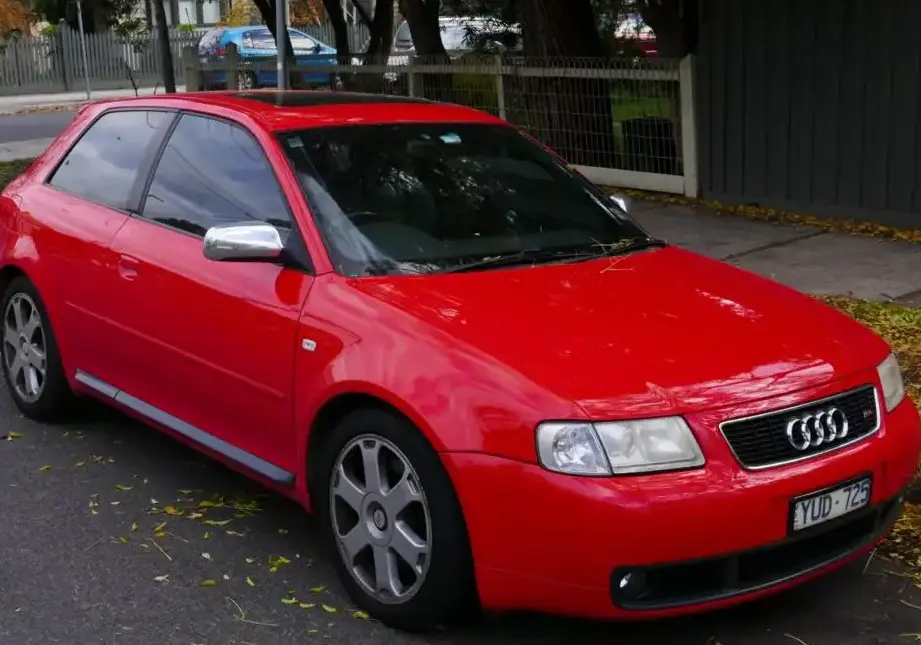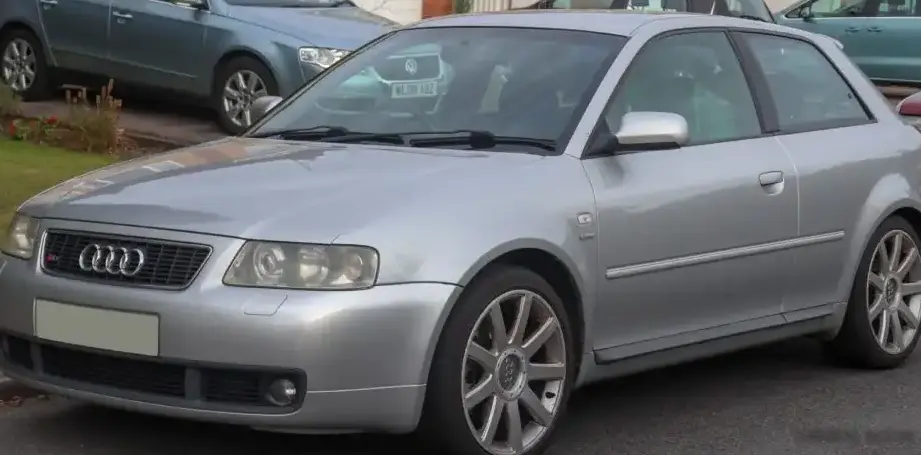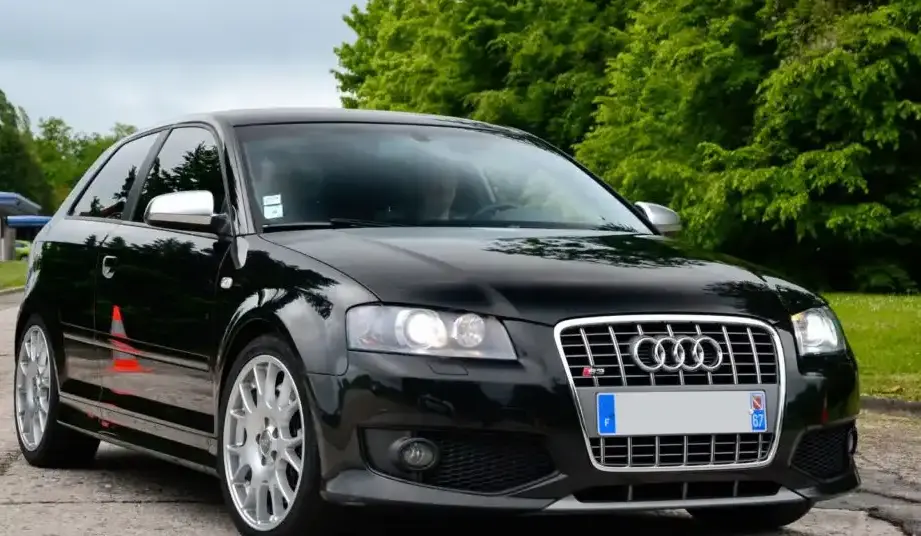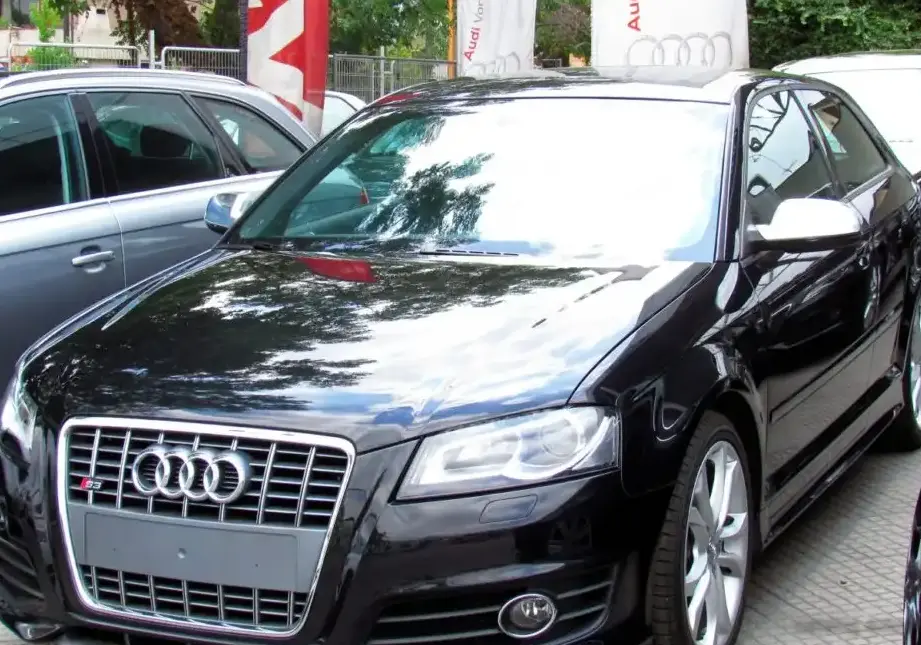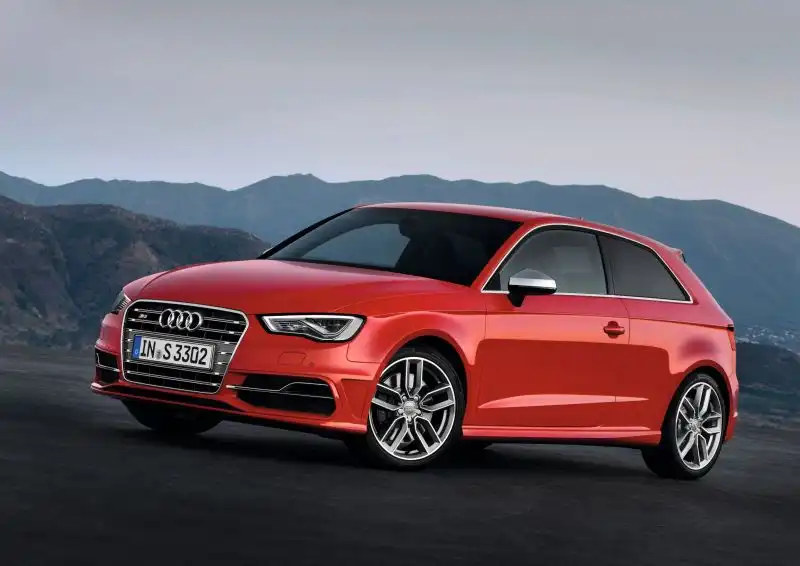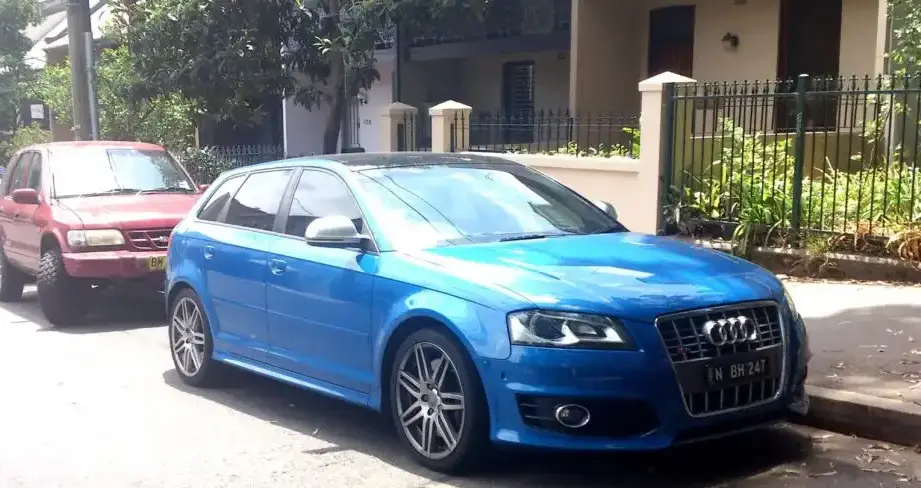
The Audi S3 Sportback (8PA) 2.0 TFSI quattro S tronic represents a compelling blend of performance and practicality within the Audi A3 family. Produced between 2010 and 2012, this variant occupied the high-performance niche of the Sportback lineup, offering a significant step up from the standard A3 models. Built on the Volkswagen Group’s A3/Golf (PQ35) platform – internally designated 8PA – the S3 Sportback aimed to deliver a premium hot hatch experience, appealing to enthusiasts seeking both everyday usability and spirited driving dynamics. This particular configuration, pairing the 2.0-liter turbocharged engine with the S tronic dual-clutch transmission and Audi’s quattro all-wheel-drive system, was a key offering in Audi’s strategy to broaden the appeal of the S3 model.
Technical Specifications
| Brand | Audi |
| Model | S3 |
| Generation | S3 Sportback (8PA) |
| Type (Engine) | 2.0 TFSI (256 Hp) quattro S tronic |
| Start of production | 2010 |
| End of production | 2012 |
| Powertrain Architecture | Internal Combustion engine |
| Body type | Hatchback |
| Seats | 5 |
| Doors | 5 |
| Fuel consumption (economy) – urban | 11.2 l/100 km (21 US mpg, 25.2 UK mpg, 8.9 km/l) |
| Fuel consumption (economy) – extra urban | 6.8 l/100 km (34.6 US mpg, 41.5 UK mpg, 14.7 km/l) |
| Fuel consumption (economy) – combined | 8.4 l/100 km (28 US mpg, 33.6 UK mpg, 11.9 km/l) |
| CO2 emissions | 195 g/km |
| Fuel Type | Petrol (Gasoline) |
| Acceleration 0 – 100 km/h | 5.8 sec |
| Acceleration 0 – 62 mph | 5.8 sec |
| Acceleration 0 – 60 mph | 5.5 sec |
| Maximum speed | 250 km/h (155.34 mph) |
| Emission standard | Euro 5 |
| Weight-to-power ratio | 5.9 kg/Hp, 169 Hp/tonne |
| Weight-to-torque ratio | 4.6 kg/Nm, 217.8 Nm/tonne |
| Power | 256 Hp @ 6000 rpm |
| Power per litre | 129 Hp/l |
| Torque | 330 Nm @ 2500-5000 rpm (243.4 lb.-ft. @ 2500-5000 rpm) |
| Engine layout | Front, Transverse |
| Engine Model/Code | CDLC |
| Engine displacement | 1984 cm3 (121.07 cu. in.) |
| Number of cylinders | 4 |
| Engine configuration | Inline |
| Cylinder Bore | 82.5 mm (3.25 in.) |
| Piston Stroke | 92.8 mm (3.65 in.) |
| Compression ratio | 9.8:1 |
| Number of valves per cylinder | 4 |
| Fuel injection system | Direct injection |
| Engine aspiration | Turbocharger, Intercooler |
| Valvetrain | DOHC |
| Engine oil capacity | 4.6 l (4.86 US qt | 4.05 UK qt) |
| Coolant | 8.6 l (9.09 US qt | 7.57 UK qt) |
| Kerb Weight | 1515 kg (3340 lbs.) |
| Max. weight | 2075 kg (4574.59 lbs.) |
| Max load | 560 kg (1234.59 lbs.) |
| Trunk (boot) space – minimum | 302 l (10.67 cu. ft.) |
| Fuel tank capacity | 60 l (15.85 US gal | 13.2 UK gal) |
| Max. roof load | 75 kg (165.35 lbs.) |
| Length | 4302 mm (169.37 in.) |
| Width | 1765 mm (69.49 in.) |
| Height | 1402 mm (55.2 in.) |
| Wheelbase | 2578 mm (101.5 in.) |
| Front track | 1522 mm (59.92 in.) |
| Rear (Back) track | 1506 mm (59.29 in.) |
| Drag coefficient (Cd) | 0.33 |
| Minimum turning circle | 10.7 m (35.1 ft.) |
| Drive wheel | All wheel drive (4×4) |
| Number of gears and type of gearbox | 6 gears, automatic transmission S tronic |
| Front suspension | Independent, type McPherson with coil spring and anti-roll bar |
| Rear suspension | Independent multi-link suspension |
| Front brakes | Ventilated discs |
| Rear brakes | Ventilated discs |
| Assisting systems | ABS (Anti-lock braking system) |
| Steering type | Steering rack and pinion |
| Power steering | Electric Steering |
| Tires size | 225/40 R18 |
| Wheel rims size | 7.5J x 18 |
Powertrain & Engine Architecture
At the heart of the S3 Sportback 2.0 TFSI quattro S tronic lies the CDLC engine code, a 2.0-liter inline-four cylinder gasoline engine. This engine is a member of the Volkswagen Group’s EA888 family, known for its robust design and tuning potential. The CDLC variant features direct fuel injection (FSI) and a K04 turbocharger, delivering 256 horsepower at 6000 rpm and 330 Nm (243 lb-ft) of torque between 2500 and 5000 rpm. The engine utilizes a dual overhead camshaft (DOHC) valvetrain with four valves per cylinder, optimizing airflow for increased performance. The S tronic six-speed dual-clutch transmission (DCT) provides rapid and seamless gear changes, enhancing both acceleration and driving engagement. This transmission, unlike a traditional automatic, offers both fully automatic operation and manual control via steering wheel-mounted paddles or the gear selector. The quattro all-wheel-drive system distributes power between the front and rear axles as needed, providing superior traction and stability, particularly in adverse weather conditions.
Driving Characteristics
The 256 hp and 330 Nm of torque, combined with the S tronic transmission and quattro all-wheel drive, resulted in a 0-60 mph time of approximately 5.5 seconds and a top speed electronically limited to 155 mph. Compared to the standard A3 models, the S3 Sportback offered a significantly more responsive and engaging driving experience. While not as raw or visceral as some of its rear-wheel-drive competitors, the S3 provided a balanced and predictable handling characteristic. The S tronic transmission’s quick shifts minimized power interruption during acceleration, and the quattro system ensured excellent grip in a variety of conditions. Compared to the higher-output S3 variants (like those with later engine revisions), this 256 hp version offered a more accessible power delivery, making it easier to manage for everyday driving. The gear ratios were tuned for a blend of acceleration and fuel efficiency, with a relatively short final drive to maximize responsiveness.
Equipment & Trim Levels
The S3 Sportback 2.0 TFSI quattro S tronic typically came well-equipped as standard. Key features included sport seats upholstered in a combination of cloth and Alcantara, a leather-wrapped steering wheel, and aluminum interior trim. Standard exterior features included S-line styling cues, such as unique front and rear bumpers, side skirts, and a rear spoiler. Optional extras included full leather upholstery, navigation system, Bose sound system, and panoramic sunroof. The interior dashboard configuration was largely similar to the standard A3 Sportback, but with S3-specific instrumentation and badging.
Chassis & Braking
The S3 Sportback featured a sport-tuned suspension with McPherson struts at the front and a multi-link setup at the rear. The suspension was lowered compared to the standard A3, providing a more planted and responsive feel. Ventilated disc brakes were fitted on all four wheels, providing ample stopping power. ABS (Anti-lock Braking System) was standard. The S3 Sportback generally featured a thicker front stabilizer bar compared to the standard A3, further reducing body roll during cornering. Rear brakes were also typically larger diameter than those found on the base A3 models.
Market Reception & Comparison
The Audi S3 Sportback 2.0 TFSI quattro S tronic was generally well-received by automotive critics. It was praised for its blend of performance, practicality, and refinement. Fuel economy, while not exceptional, was reasonable for a performance hatchback, averaging around 28 US mpg in combined driving. Reliability was generally good, although some owners reported issues with the turbocharger and the S tronic transmission. Compared to other hot hatches of the time, such as the Volkswagen Golf GTI and the Ford Focus ST, the S3 offered a more premium interior and a more sophisticated driving experience. However, it was also more expensive than its rivals.
Legacy
The Audi S3 Sportback 2.0 TFSI quattro S tronic remains a popular choice among enthusiasts in the used car market. The CDLC engine, while not the most powerful iteration of the 2.0 TFSI, is generally considered reliable when properly maintained. The S tronic transmission, however, requires regular servicing to ensure longevity. The combination of performance, practicality, and Audi’s build quality has ensured that these cars continue to hold their value. The 8PA S3 Sportback established the S3 as a benchmark in the premium hot hatch segment, paving the way for subsequent generations of the model.