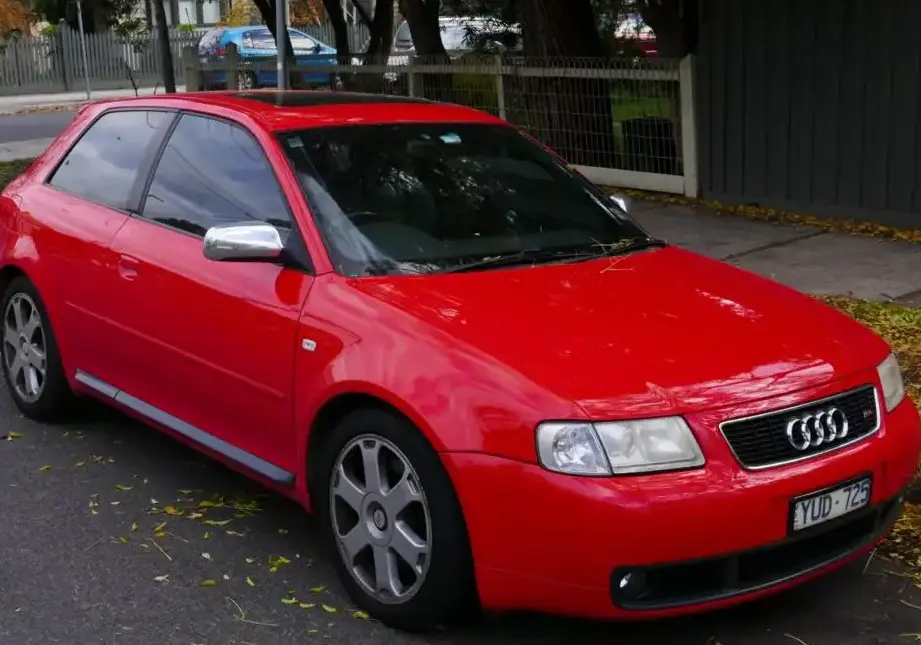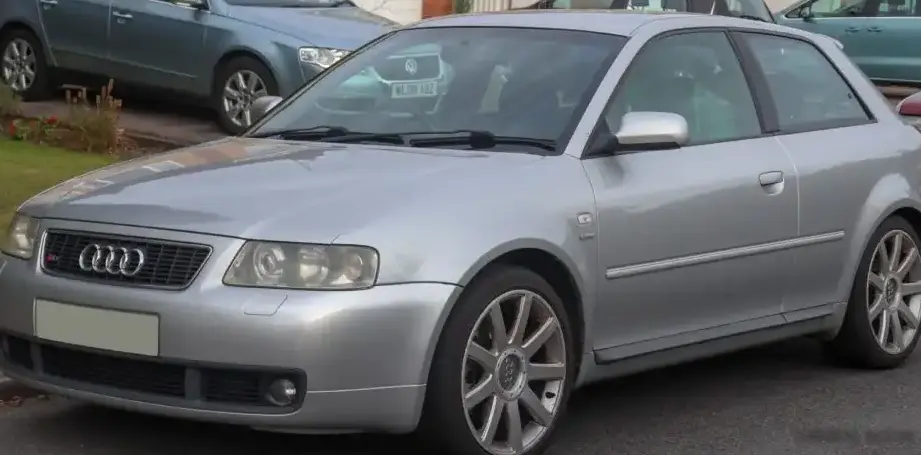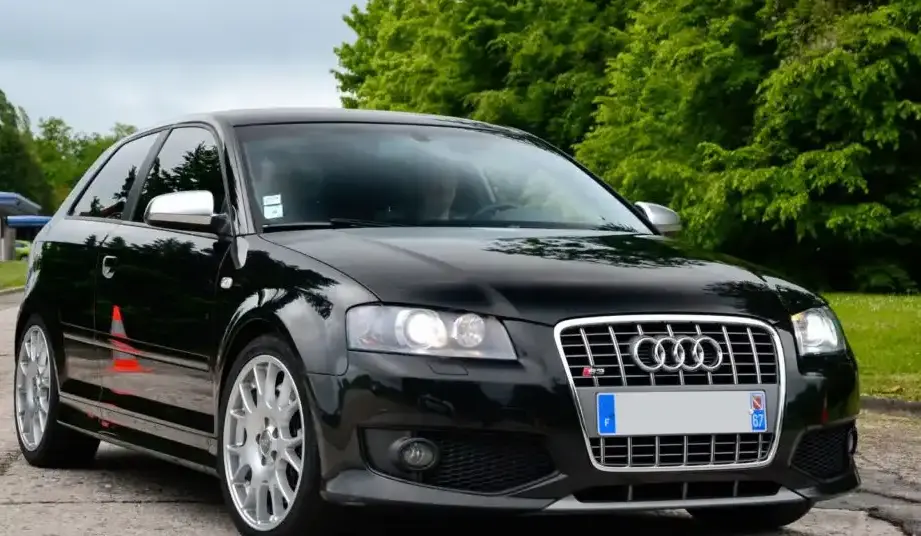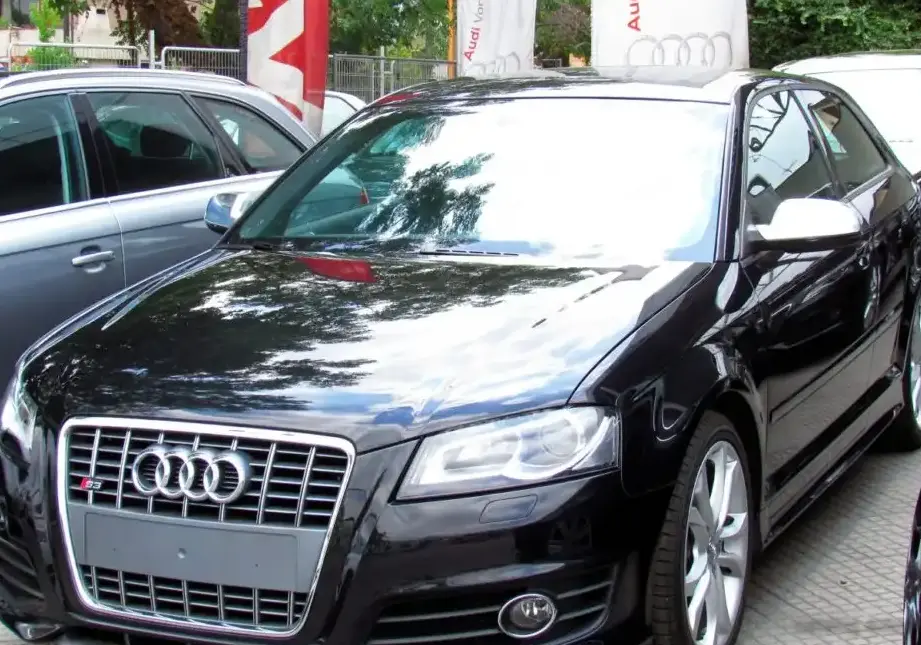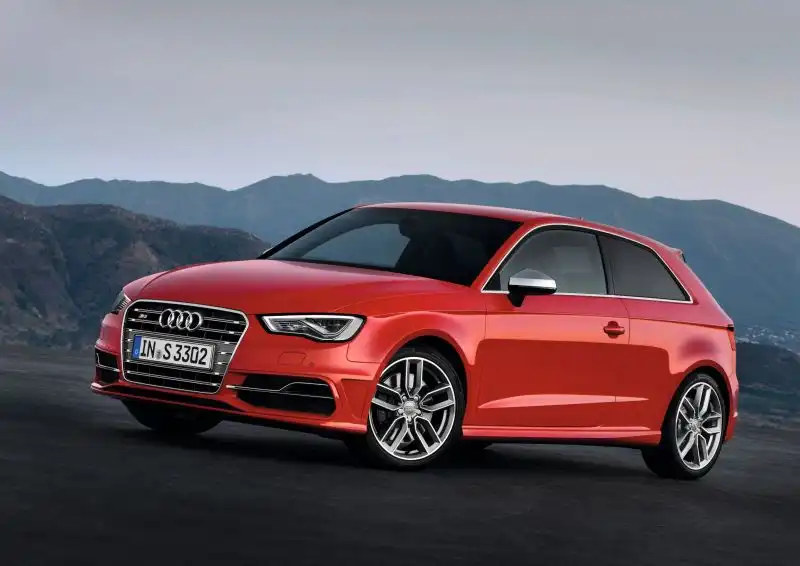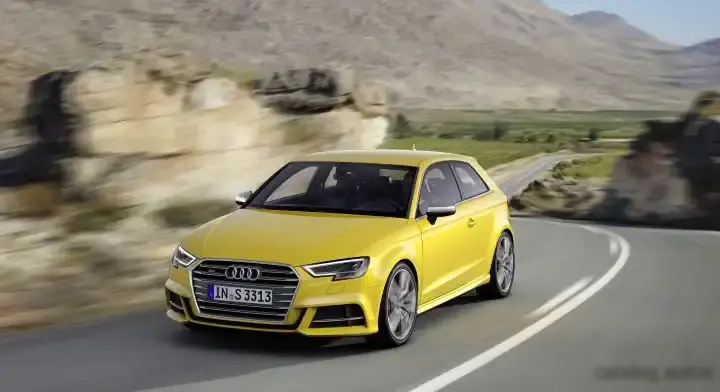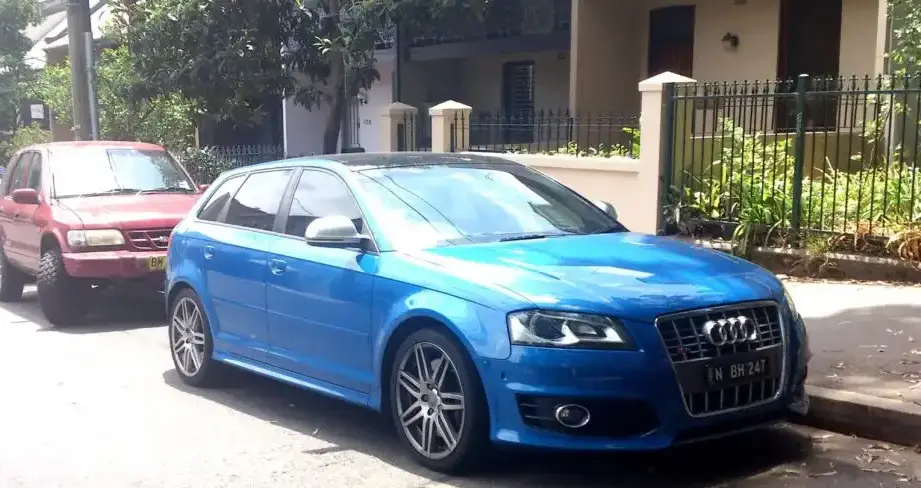
The Audi S3 Sportback (8PA) 2.0 TFSI quattro S tronic represents a compelling blend of performance and practicality within the Audi A3 family. Produced between 2009 and 2012, this variant occupied the high-performance niche of the Sportback lineup, offering a significant step up from the standard A3 models while remaining more accessible than the full-fledged RS3. It was primarily marketed in Europe and other international markets, leveraging Audi’s reputation for build quality and sophisticated engineering. This specific configuration – the 2.0-liter turbocharged four-cylinder engine paired with the S tronic dual-clutch transmission and quattro all-wheel drive – became a popular choice for enthusiasts seeking a spirited driving experience in a versatile package.
Technical Specifications
| Brand | Audi |
| Model | S3 |
| Generation | S3 Sportback (8PA) |
| Type (Engine) | 2.0 TFSI (265 Hp) quattro S tronic |
| Start of production | 2009 |
| End of production | 2012 |
| Powertrain Architecture | Internal Combustion engine |
| Body type | Hatchback |
| Seats | 5 |
| Doors | 5 |
| Fuel consumption (economy) – urban | 11.2 l/100 km (21 US mpg, 25.2 UK mpg, 8.9 km/l) |
| Fuel consumption (economy) – extra urban | 6.8 l/100 km (34.6 US mpg, 41.5 UK mpg, 14.7 km/l) |
| Fuel consumption (economy) – combined | 8.4 l/100 km (28 US mpg, 33.6 UK mpg, 11.9 km/l) |
| CO2 emissions | 195 g/km |
| Fuel Type | Petrol (Gasoline) |
| Acceleration 0 – 100 km/h | 5.6 sec |
| Acceleration 0 – 62 mph | 5.6 sec |
| Acceleration 0 – 60 mph | 5.3 sec |
| Maximum speed | 250 km/h (155.34 mph) |
| Emission standard | Euro 5 |
| Weight-to-power ratio | 5.3 kg/Hp, 187.3 Hp/tonne |
| Weight-to-torque ratio | 4 kg/Nm, 247.3 Nm/tonne |
| Power | 265 Hp @ 6000 rpm |
| Power per litre | 133.6 Hp/l |
| Torque | 350 Nm @ 2500-5000 rpm (258.15 lb.-ft. @ 2500-5000 rpm) |
| Engine layout | Front, Transverse |
| Engine Model/Code | CDLA, CDMA |
| Engine displacement | 1984 cm3 (121.07 cu. in.) |
| Number of cylinders | 4 |
| Engine configuration | Inline |
| Cylinder Bore | 82.5 mm (3.25 in.) |
| Piston Stroke | 92.8 mm (3.65 in.) |
| Compression ratio | 9.8:1 |
| Number of valves per cylinder | 4 |
| Fuel injection system | Direct injection |
| Engine aspiration | Turbocharger, Intercooler |
| Valvetrain | DOHC |
| Engine oil capacity | 5.3 l (5.6 US qt | 4.66 UK qt) |
| Coolant | 8.6 l (9.09 US qt | 7.57 UK qt) |
| Kerb Weight | 1415 kg (3119.54 lbs.) |
| Max. weight | 2075 kg (4574.59 lbs.) |
| Max load | 660 kg (1455.05 lbs.) |
| Trunk (boot) space – minimum | 302 l (10.67 cu. ft.) |
| Fuel tank capacity | 60 l (15.85 US gal | 13.2 UK gal) |
| Max. roof load | 75 kg (165.35 lbs.) |
| Length | 4302 mm (169.37 in.) |
| Width | 1765 mm (69.49 in.) |
| Height | 1402 mm (55.2 in.) |
| Wheelbase | 2578 mm (101.5 in.) |
| Front track | 1522 mm (59.92 in.) |
| Rear (Back) track | 1506 mm (59.29 in.) |
| Drag coefficient (Cd) | 0.33 |
| Minimum turning circle | 10.7 m (35.1 ft.) |
| Drive wheel | All wheel drive (4×4) |
| Number of gears and type of gearbox | 6 gears, automatic transmission S tronic |
| Front suspension | Independent, type McPherson with coil spring and anti-roll bar |
| Rear suspension | Independent multi-link suspension |
| Front brakes | Ventilated discs |
| Rear brakes | Ventilated discs |
| Assisting systems | ABS (Anti-lock braking system) |
| Steering type | Steering rack and pinion |
| Power steering | Hydraulic Steering |
| Tires size | 225/40 R18 |
| Wheel rims size | 7.5J x 18 |
INTRODUCTION
The Audi S3 Sportback (8PA) 2.0 TFSI quattro S tronic, launched in 2009, represented the second generation of the S3, built on the Volkswagen Group’s A5 (PQ35) platform, also known as the 1HX0/A3 platform. It slotted between the standard A3 Sportback and the more extreme RS3, offering a compelling balance of performance, practicality, and everyday usability. The 8PA generation S3 Sportback was never officially sold in the North American market, making it a relatively rare sight even among Audi enthusiasts in the United States. This variant, with its 265 horsepower engine and S tronic transmission, was a key offering in Audi’s strategy to appeal to a broader audience seeking a premium, sporty hatchback.
Powertrain & Engine Architecture
At the heart of the S3 Sportback 2.0 TFSI quattro S tronic lies the CDLA or CDMA engine code, a 2.0-liter inline-four cylinder engine. This engine is a direct-injection turbocharged powerplant, benefiting from Audi’s extensive experience in forced induction. The engine utilizes a single turbocharger with an intercooler to manage intake temperatures, boosting power output. The direct injection system, coupled with a 9.8:1 compression ratio, contributes to both performance and efficiency. The engine’s valvetrain features a dual overhead camshaft (DOHC) design with four valves per cylinder, optimizing airflow for increased power.
The S tronic transmission is a six-speed dual-clutch gearbox. This transmission offers incredibly fast and smooth gear changes, enhancing both acceleration and the overall driving experience. Unlike a traditional automatic transmission with a torque converter, the S tronic uses two separate clutches – one for odd-numbered gears and one for even-numbered gears – allowing for pre-selection of the next gear. This results in virtually seamless shifts and minimal power interruption. The quattro all-wheel-drive system distributes power between the front and rear axles, providing enhanced traction and stability, particularly in adverse weather conditions. The system typically operates with a front-wheel-drive bias, shifting power to the rear wheels as needed.
Driving Characteristics
The 265 hp and 350 Nm (258 lb-ft) of torque delivered by the 2.0 TFSI engine, combined with the quick-shifting S tronic transmission and quattro all-wheel drive, result in a genuinely engaging driving experience. Acceleration from 0 to 62 mph (0-100 km/h) takes just 5.6 seconds, and the car feels responsive and eager in everyday driving situations. The S tronic transmission’s quick shifts contribute to a sense of urgency, while the quattro system provides excellent grip and stability, inspiring confidence in corners. Compared to the standard A3, the S3 offers a noticeably more powerful and dynamic driving experience. While not as raw or visceral as some rear-wheel-drive performance cars, the S3 provides a refined and accessible performance that is well-suited to a wide range of drivers. Compared to the higher-output versions of the S3 (available in some markets), this 265 hp variant offers a slightly more manageable power delivery, making it a good choice for those who prioritize everyday usability.
Equipment & Trim Levels
The S3 Sportback 2.0 TFSI quattro S tronic typically came well-equipped as standard. Interior features included sport seats upholstered in a combination of cloth and leather, a leather-wrapped steering wheel, and aluminum trim accents. Standard exterior features included 18-inch alloy wheels, xenon headlights, and a subtle rear spoiler. Optional extras included a panoramic sunroof, navigation system, Bose sound system, and parking sensors. The interior dashboard configuration was typical of the 8PA A3 series, with a focus on functionality and a clean, modern design.
Chassis & Braking
The S3 Sportback featured a sport-tuned suspension, with McPherson struts at the front and a multi-link setup at the rear. The suspension was lowered compared to the standard A3, providing a more planted and responsive feel. Ventilated disc brakes were fitted to all four wheels, providing ample stopping power. The braking system was also equipped with ABS (Anti-lock Braking System) and electronic brake-force distribution. Stabilizer bars were thicker than those found on the standard A3, further reducing body roll during cornering.
Market Reception & Comparison
The Audi S3 Sportback 2.0 TFSI quattro S tronic was generally well-received by automotive critics. It was praised for its blend of performance, practicality, and refinement. Fuel economy was considered reasonable for a performance car of its class, with combined fuel consumption figures around 8.4 l/100 km (28 US mpg). Reliability was generally good, although some owners reported minor issues with the turbocharger and the S tronic transmission. Compared to other trims in the A3 lineup, the S3 offered a significant performance upgrade, but at a higher price point. It competed with other premium hatchbacks such as the Volkswagen Golf GTI and the BMW 1 Series.
Legacy
The S3 Sportback 2.0 TFSI quattro S tronic has proven to be a relatively reliable and durable performance car. The 2.0 TFSI engine, while capable of being tuned for even more power, is generally robust when maintained properly. The S tronic transmission, while requiring more frequent servicing than a traditional automatic, is known for its speed and efficiency. In the used car market, these S3s hold their value reasonably well, particularly those that have been well-maintained and have a full service history. They remain a popular choice for enthusiasts seeking a sporty and practical hatchback with a premium badge.