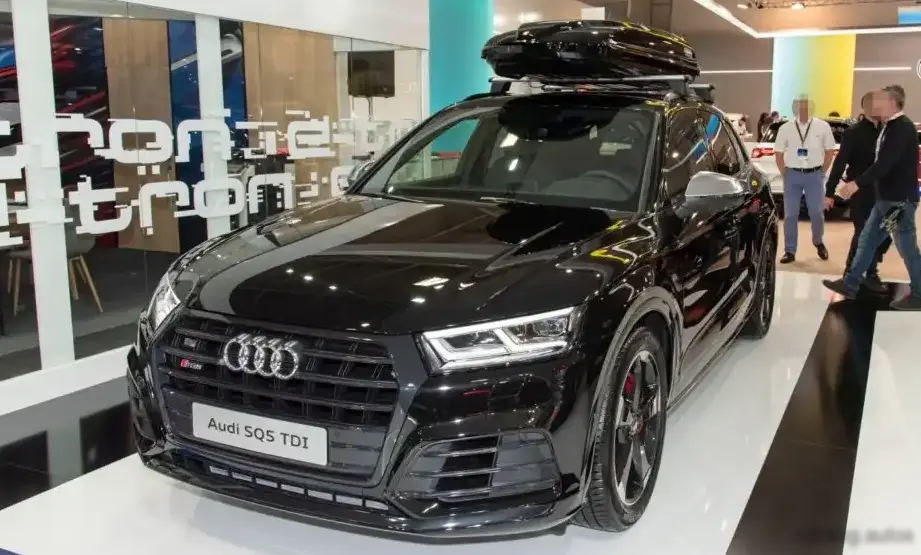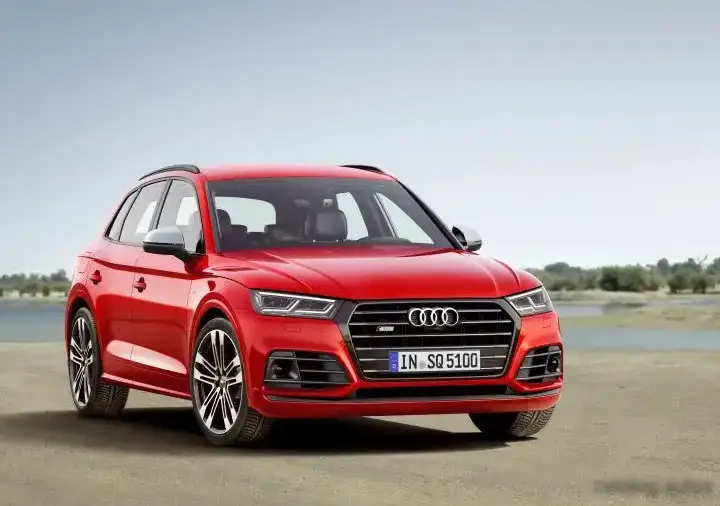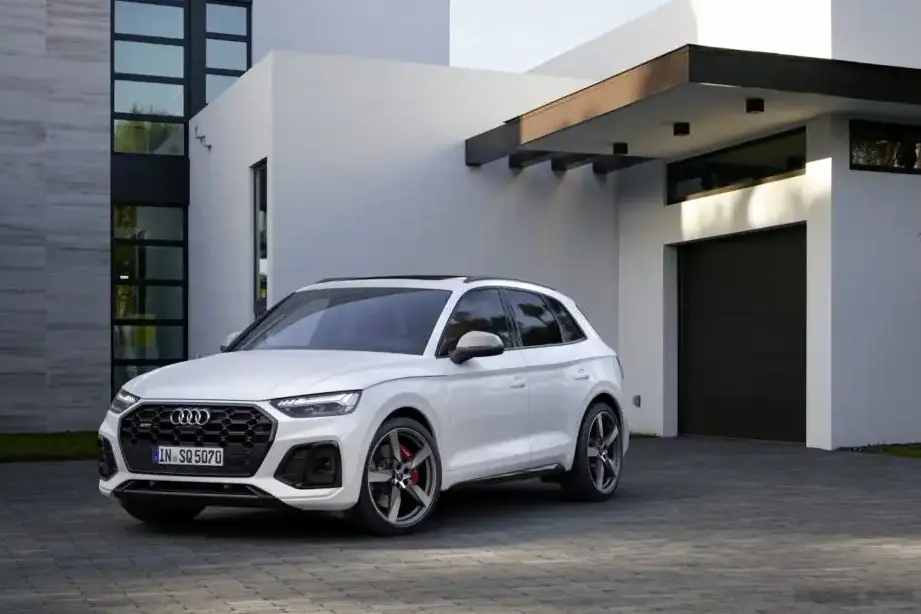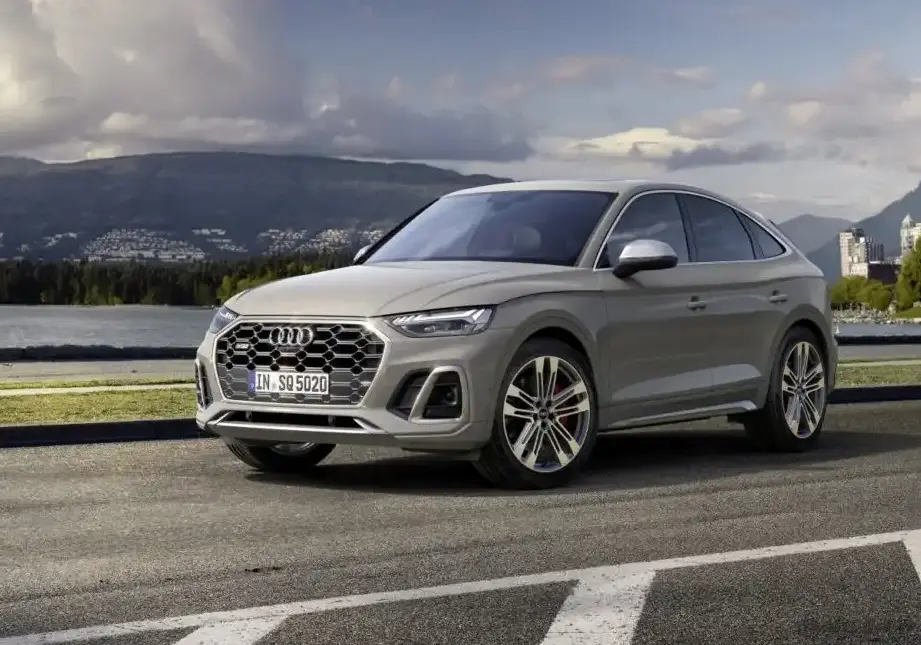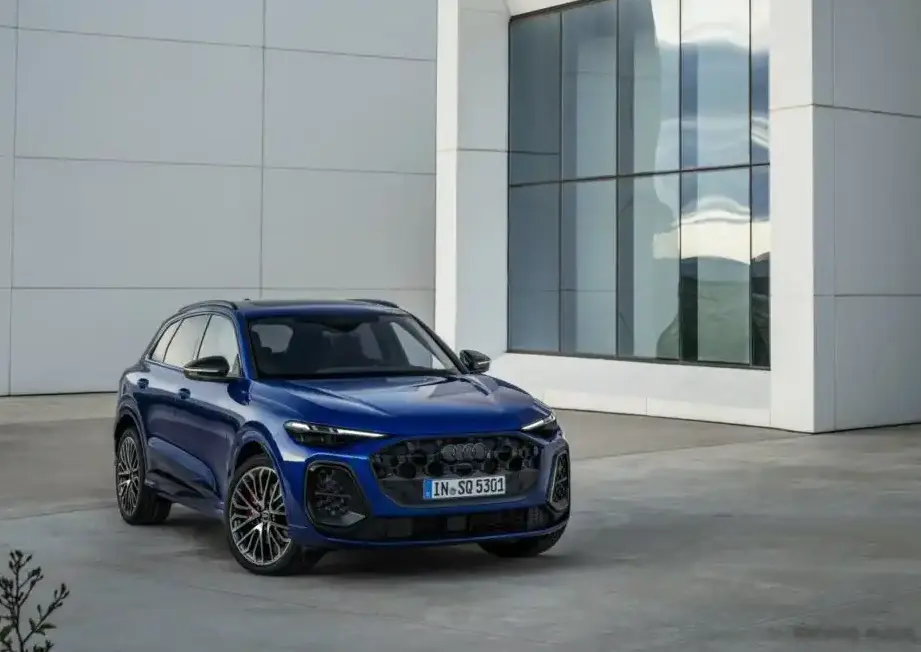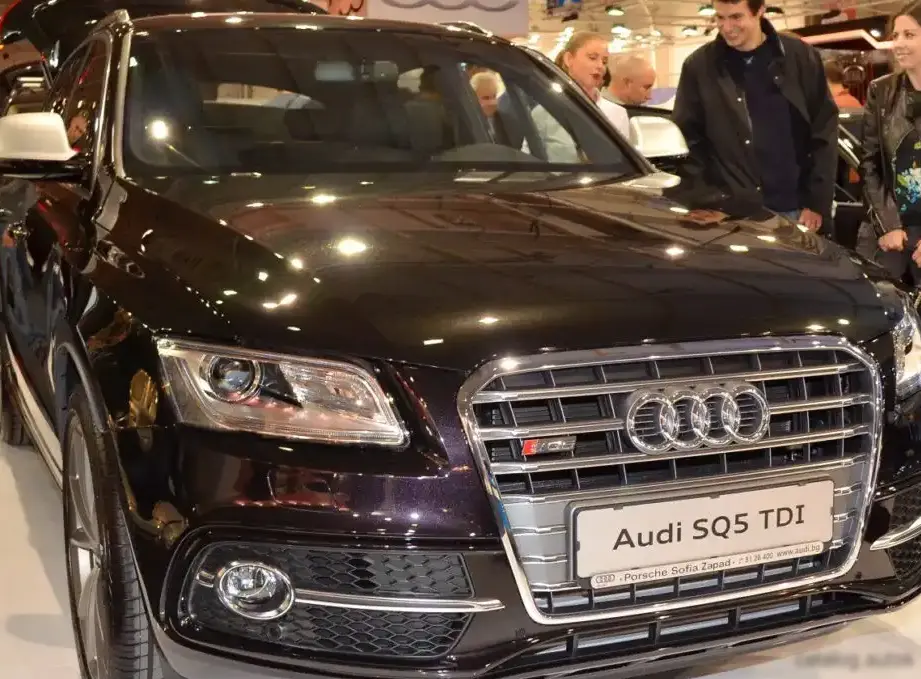
The Audi SQ5 I (8R) Competition 3.0 TDI V6 quattro Tiptronic, produced from 2015 to 2017, represented a performance-focused iteration of Audi’s popular Q5 SUV. Positioned as a high-end trim within the first-generation Q5 lineup (internally designated 8R), the Competition model aimed to bridge the gap between the standard Q5 and the fully-fledged SQ5, offering enhanced performance and a more aggressive aesthetic. It served as a compelling option for buyers seeking a sporty SUV experience with the refinement and practicality expected from the Audi brand, primarily targeting the European market where diesel performance SUVs were highly sought after.
Technical Specifications
| Brand | Audi |
| Model | SQ5 |
| Generation | SQ5 I (8R) |
| Type | Competition 3.0 TDI V6 (326 Hp) quattro Tiptronic |
| Start of production | 2015 |
| End of production | 2017 |
| Powertrain Architecture | Internal Combustion engine |
| Body type | SUV |
| Seats | 5 |
| Doors | 5 |
| Fuel consumption (urban) | 8 l/100 km (29.4 US mpg, 35.3 UK mpg, 12.5 km/l) |
| Fuel consumption (extra urban) | 5.9 l/100 km (39.9 US mpg, 47.9 UK mpg, 16.9 km/l) |
| Fuel consumption (combined) | 6.6 l/100 km (35.6 US mpg, 42.8 UK mpg, 15.2 km/l) |
| CO2 emissions | 174 g/km |
| Fuel Type | Diesel |
| Acceleration 0 – 100 km/h | 5.1 sec |
| Acceleration 0 – 62 mph | 5.1 sec |
| Acceleration 0 – 60 mph | 4.8 sec |
| Maximum speed | 250 km/h (155.34 mph) |
| Emission standard | Euro 6 |
| Weight-to-power ratio | 6.1 kg/Hp, 163 Hp/tonne |
| Weight-to-torque ratio | 3.1 kg/Nm, 325 Nm/tonne |
| Power | 326 Hp @ 4000-4500 rpm |
| Power per litre | 109.9 Hp/l |
| Torque | 650 Nm @ 1400-2800 rpm (479.42 lb.-ft. @ 1400-2800 rpm) |
| Engine layout | Front, Longitudinal |
| Engine Model/Code | CVUB |
| Engine displacement | 2967 cm3 (181.06 cu. in.) |
| Number of cylinders | 6 |
| Engine configuration | V-engine |
| Cylinder Bore | 83 mm (3.27 in.) |
| Piston Stroke | 91.4 mm (3.6 in.) |
| Compression ratio | 16.8:1 |
| Number of valves per cylinder | 4 |
| Fuel injection system | Diesel Commonrail |
| Engine aspiration | BiTurbo, Intercooler |
| Engine oil capacity | 6.4 l (6.76 US qt | 5.63 UK qt) |
| Kerb Weight | 2000 kg (4409.25 lbs.) |
| Max. weight | 2585 kg (5698.95 lbs.) |
| Max load | 585 kg (1289.7 lbs.) |
| Trunk (boot) space – minimum | 540 l (19.07 cu. ft.) |
| Trunk (boot) space – maximum | 1560 l (55.09 cu. ft.) |
| Fuel tank capacity | 75 l (19.81 US gal | 16.5 UK gal) |
| AdBlue tank | 23 l (6.08 US gal | 5.06 UK gal) |
| Max. roof load | 75 kg (165.35 lbs.) |
| Permitted trailer load with brakes (8%) | 2400 kg (5291.09 lbs.) |
| Permitted trailer load with brakes (12%) | 2400 kg (5291.09 lbs.) |
| Permitted trailer load without brakes | 750 kg (1653.47 lbs.) |
| Permitted towbar download | 100 kg (220.46 lbs.) |
| Length | 4644 mm (182.83 in.) |
| Width | 1911 mm (75.24 in.) |
| Width including mirrors | 2089 mm (82.24 in.) |
| Height | 1624 mm (63.94 in.) |
| Wheelbase | 2813 mm (110.75 in.) |
| Front track | 1638 mm (64.49 in.) |
| Rear (Back) track | 1632 mm (64.25 in.) |
| Front overhang | 896 mm (35.28 in.) |
| Rear overhang | 935 mm (36.81 in.) |
| Minimum turning circle | 11.6 m (38.06 ft.) |
| Drive wheel | All wheel drive (4×4) |
| Number of gears | 8 |
| Gearbox type | automatic transmission tiptronic |
| Front suspension | Independent multi-link suspension |
| Rear suspension | Independent on trapezoidal lever |
| Front brakes | Ventilated discs |
| Rear brakes | Ventilated discs |
| Assisting systems | ABS (Anti-lock braking system) |
| Steering type | Steering rack and pinion |
| Tires size | 255/45 R20 |
| Wheel rims size | 8.5J x 20 |
INTRODUCTION
The Audi SQ5 I (8R) Competition 3.0 TDI V6 quattro Tiptronic was a mid-cycle enhancement to the already successful Q5 range. Introduced in 2015 and continuing through 2017, it slotted between the standard Q5 models and the higher-performance SQ5, offering a compelling blend of efficiency, comfort, and sporty driving dynamics. Built on the Volkswagen Group’s 1HX0/A3 platform, the Competition model was primarily aimed at European markets, capitalizing on the continent’s preference for diesel-powered performance SUVs. The “Competition” designation signified a focus on enhanced aesthetics and a slightly more aggressive tuning of the engine and suspension.
Powertrain & Engine Architecture
At the heart of the SQ5 Competition lay the CVUB engine, a 3.0-liter V6 turbocharged diesel engine. This engine utilized a sophisticated bi-turbocharger system, employing two turbochargers in sequence to minimize turbo lag and deliver a broad torque curve. The engine featured direct injection via a common rail system, enabling precise fuel delivery and optimized combustion. The engine produced 326 horsepower at 4000-4500 rpm and a substantial 650 Nm (479.42 lb.-ft.) of torque between 1400 and 2800 rpm. This power was delivered to all four wheels via Audi’s quattro all-wheel-drive system and an eight-speed tiptronic automatic transmission. The tiptronic transmission offered both fully automatic operation and manual gear selection via steering wheel-mounted paddles, providing drivers with greater control over the powertrain.
Driving Characteristics
The SQ5 Competition 3.0 TDI with the tiptronic transmission offered a refined and capable driving experience. While not as overtly sporty as the SQ5 with the S tronic dual-clutch transmission, the tiptronic provided smooth and seamless gear changes, contributing to a comfortable ride. The 326 hp and 650 Nm of torque provided ample power for confident overtaking and effortless cruising. The quattro all-wheel-drive system ensured excellent traction in all weather conditions. Compared to the standard Q5 2.0 TDI, the Competition model offered significantly improved acceleration – 0-60 mph in approximately 4.8 seconds – and a more engaging driving experience. The eight-speed automatic was geared for both performance and fuel efficiency, with relatively short lower gears for quick acceleration and taller higher gears for relaxed highway cruising.
Equipment & Trim Levels
The Competition trim level added several distinctive features to the standard SQ5. Standard equipment typically included sport seats upholstered in a combination of Alcantara and leather, brushed aluminum interior trim, and a three-spoke multifunction steering wheel. Exterior enhancements included unique 20-inch alloy wheels, a black optic package (blacked-out grille, window surrounds, and roof rails), and often, privacy glass. Optional extras included a panoramic sunroof, a Bang & Olufsen sound system, adaptive cruise control, and a navigation system with MMI touch response. The Competition model generally represented a well-equipped package, offering a premium interior and a sporty exterior appearance.
Chassis & Braking
The SQ5 Competition featured a sport-tuned suspension, lowering the ride height by approximately 30mm compared to the standard Q5. This lowered suspension, combined with stiffer springs and dampers, reduced body roll and improved handling. The front suspension utilized independent multi-link technology, while the rear suspension employed an independent trapezoidal link setup. Braking duties were handled by ventilated disc brakes on all four wheels, providing ample stopping power. The electronic stability control (ESC) system was calibrated to allow for a slightly more dynamic driving experience, permitting a degree of controlled oversteer.
Market Reception & Comparison
The Audi SQ5 I (8R) Competition 3.0 TDI V6 quattro Tiptronic was generally well-received by automotive critics. Reviewers praised its powerful engine, comfortable ride, and refined interior. The tiptronic transmission was noted for its smoothness, although some preferred the quicker shifts of the S tronic dual-clutch transmission found in other SQ5 variants. Compared to the standard Q5, the Competition model offered a significant performance upgrade. Compared to the standard SQ5, the Competition model offered a slightly more aggressive aesthetic and a similar level of performance, often at a comparable price point. Fuel economy was respectable for a performance SUV, averaging around 35.6 US mpg in combined driving.
Legacy
The SQ5 I (8R) Competition 3.0 TDI V6 quattro Tiptronic remains a desirable used car option. The CVUB engine is known for its durability and reliability, provided it has been properly maintained. Regular servicing, including oil changes and filter replacements, is crucial for long-term reliability. The eight-speed tiptronic transmission is also generally reliable, although it’s important to check for smooth shifting and any signs of slippage. Today, these vehicles represent a good value for buyers seeking a capable and refined performance SUV with a proven track record. The combination of a powerful diesel engine, all-wheel drive, and a comfortable interior continues to appeal to a wide range of drivers.