
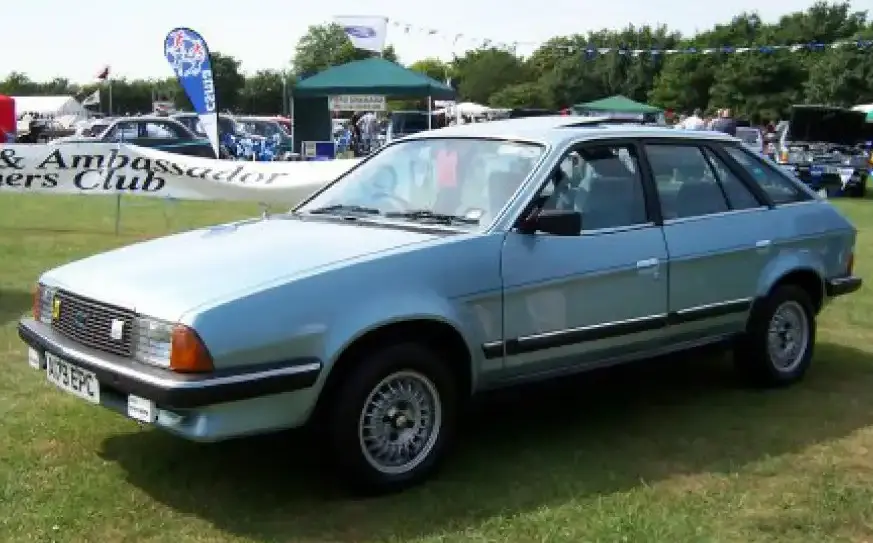
The Austin Ambassador 2.0, produced between 1982 and 1984, represented a significant, though ultimately short-lived, attempt by British Leyland to modernize its offerings in the face of increasing competition. Positioned as a more upmarket and refined alternative to the Austin Allegro, the Ambassador was based on the Ital platform (AD016) but featured distinctive styling and, crucially, a larger engine option in the 2.0-liter guise. This variant, producing 94 horsepower, aimed to bridge the gap between the more basic models and the performance-oriented versions, offering a balance of comfort and usability. The Ambassador was intended to be a flagship for the Austin brand, but its production run was hampered by financial difficulties within British Leyland and ultimately ceased after only two years.
Technical Specifications
| Brand | Austin |
| Model | Ambassador |
| Generation | Ambassador |
| Type (Engine) | 2.0 (94 Hp) |
| Start of Production | 1982 |
| End of Production | 1984 |
| Powertrain Architecture | Internal Combustion Engine |
| Body Type | Hatchback |
| Fuel Type | Petrol (Gasoline) |
| Power | 94 Hp |
| Engine Aspiration | Naturally Aspirated |
Powertrain & Engine Architecture
The Austin Ambassador 2.0 was powered by the M-Series engine, specifically the 2000cc (1998cc) version. This was a four-cylinder, inline engine with a cast iron block and an aluminum cylinder head. The engine utilized a single overhead camshaft (SOHC) design, operating two valves per cylinder. Fuel delivery was managed by a Zenith-Stromberg 175CD carburetor, a common setup for British Leyland vehicles of the era. While not particularly advanced, the carburetor provided adequate fuel atomization for the engine’s output. The engine’s 94 horsepower was achieved at 5,200 rpm, with peak torque of approximately 128 lb-ft (174 Nm) delivered at 3,000 rpm. The Ambassador 2.0 was typically paired with a four-speed manual gearbox, although a three-speed automatic transmission was also available, albeit less common. The automatic transmission, a Borg-Warner unit, was known for its smooth operation but contributed to slightly reduced fuel economy and acceleration compared to the manual version. The engine’s design, while robust, was prone to overheating if not properly maintained, particularly the cooling system.
Driving Characteristics
The driving experience in the Austin Ambassador 2.0 was characterized by a comfortable ride and relatively relaxed performance. The 94 horsepower engine provided sufficient power for everyday driving, allowing for reasonably brisk acceleration, especially with the manual transmission. However, it wasn’t a particularly sporty vehicle. The automatic transmission, while convenient, dulled the responsiveness of the engine, resulting in slower acceleration times. Gear ratios were geared towards fuel efficiency and cruising comfort rather than outright performance. The suspension, featuring independent front suspension with MacPherson struts and a live axle rear suspension, provided a compliant ride, absorbing bumps and imperfections in the road surface effectively. Steering was rack and pinion, offering reasonable precision, although it lacked the feedback found in more modern vehicles. Compared to the 1.7-liter versions of the Ambassador, the 2.0-liter offered a noticeable improvement in torque, making it more capable of handling fully loaded conditions or tackling hilly terrain. It wasn’t as nimble as some of its European rivals, but it offered a comfortable and practical driving experience.
Equipment & Trim Levels
The Austin Ambassador 2.0 was positioned as the premium trim level within the Ambassador range. Standard equipment included reclining front seats, a wood-effect dashboard, and a comprehensive instrument panel. Interior upholstery was typically cloth, available in a range of colors, with the higher-spec models featuring more luxurious fabrics. Features like a radio (often a push-button unit) and heated rear window were common. Optional extras included a sunroof, upgraded sound system, and metallic paint finishes. The Ambassador 2.0 also featured improved sound insulation compared to lower trim levels, contributing to a quieter cabin environment. The interior design, while functional, reflected the styling trends of the early 1980s, with a focus on practicality and durability rather than outright luxury. The Ambassador aimed to provide a comfortable and well-equipped interior for its price point.
Chassis & Braking
The Austin Ambassador 2.0 utilized a monocoque chassis construction, providing a good balance of strength and weight. The front suspension employed MacPherson struts with an anti-roll bar, while the rear suspension featured a live axle with trailing arms. Braking was initially specified with front disc brakes and rear drum brakes. Later models saw the introduction of rear disc brakes on some variants, improving stopping performance. The braking system was hydraulic, with dual-circuit master cylinder for added safety. The Ambassador 2.0’s chassis was designed to provide a comfortable ride and stable handling, but it wasn’t particularly sporty. The suspension setup was tuned for absorbing bumps and providing a smooth ride, rather than offering sharp handling characteristics. The steering system was rack and pinion, providing reasonable precision, but it lacked the feedback found in more modern vehicles.
Market Reception & Comparison
The Austin Ambassador 2.0 received mixed reviews from automotive critics. While praised for its comfortable ride and improved performance compared to the lower-spec models, it was often criticized for its dated design and the perceived lack of innovation. Compared to rivals like the Ford Sierra and Vauxhall Cavalier, the Ambassador was seen as less modern and less refined. Fuel economy was reasonable for the time, averaging around 28-32 mpg, but it wasn’t class-leading. Reliability was a concern, as with many British Leyland vehicles of the era. The M-Series engine, while robust, was prone to overheating and required regular maintenance. The automatic transmission, while smooth, was known to be less reliable than the manual gearbox. The Ambassador 2.0 was generally considered a good value for money, offering a comfortable and well-equipped vehicle at a competitive price point, but it struggled to compete with the more modern and reliable offerings from its rivals.
Legacy
The Austin Ambassador 2.0, despite its short production run, holds a certain nostalgic appeal for enthusiasts of classic British cars. The 2.0-liter engine, while not particularly powerful by modern standards, is considered a robust and reliable unit when properly maintained. Finding parts can be challenging, but a dedicated network of classic car suppliers exists to support owners. The Ambassador 2.0 is now a relatively rare sight on the roads, and well-maintained examples are becoming increasingly collectible. The car represents a transitional period in British automotive history, bridging the gap between the older, more traditional designs and the more modern, globally competitive vehicles that would emerge in the 1990s. While it didn’t achieve the commercial success that British Leyland hoped for, the Ambassador 2.0 remains a fondly remembered and historically significant vehicle.
