
Technical Specifications
| Brand | Austin |
| Model | Maestro |
| Generation | Maestro (XC) |
| Type (Engine) | 1.3 LS (67 Hp) |
| Start of Production | 1983 |
| End of Production | 1990 |
| Powertrain Architecture | Internal Combustion Engine |
| Body Type | Hatchback |
| Fuel Type | Petrol (Gasoline) |
| Power | 67 Hp |
| Engine Aspiration | Naturally Aspirated |
| Engine Displacement | 1300cc (approximately 1.3 Liters) |
| Cylinders | 4 |
| Transmission | 4-Speed Manual (typically, 3-Speed Automatic optional) |
| Drive Type | Front-Wheel Drive |
| Weight (approx.) | 980-1050 kg (2160-2315 lbs) |
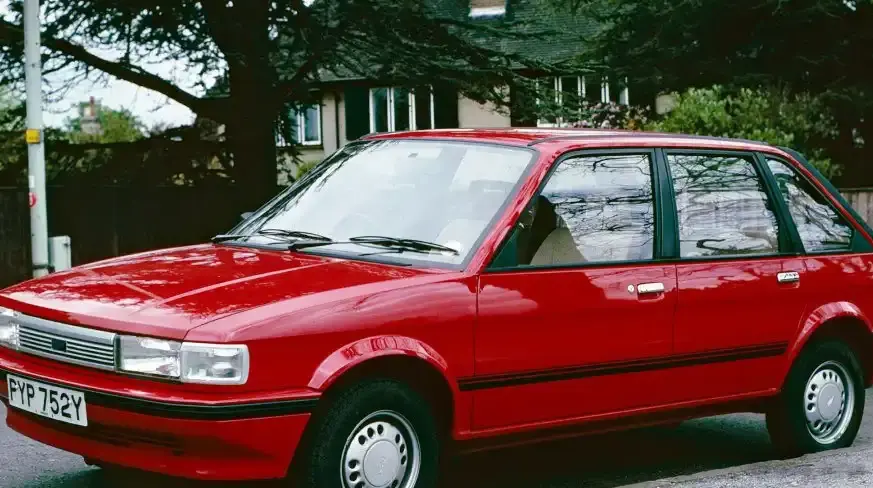
The Austin Maestro 1.3 LS, produced from 1983 to 1990, was a pivotal model in British Leyland’s (later Austin Rover Group) attempt to modernize its small family car lineup. Designed to supersede the aging Austin Allegro and Morris Ital, the Maestro was a five-door hatchback intended to compete with contemporary European vehicles such as the Ford Escort and Vauxhall Astra. The 1.3 LS variant, equipped with a 67 horsepower engine and most commonly a four-speed manual transmission (though a three-speed automatic was offered), was a core model within the Maestro range, targeting families and commuters seeking affordable and practical transportation. It was built on the XC platform, a new unibody construction designed to enhance rigidity and safety compared to its predecessors.
Powertrain & Engine Architecture
The Austin Maestro 1.3 LS was powered by the A-Series engine, a long-lived and frequently updated inline-four cylinder petrol engine. In this application, the engine displaced 1275cc (roughly 1.3 liters) and generated 67 horsepower. While the A-Series had a history stretching back to the 1950s, the version used in the Maestro incorporated several improvements, including an overhead valve (OHV) configuration with a single camshaft located within the engine block. Fuel delivery was managed by a Zenith-Stromberg carburetor, a relatively simple and cost-effective system for the period. The engine’s design prioritized dependability and fuel efficiency over outright performance. The optional three-speed automatic transmission, while offering convenience, was known to negatively impact the car’s already modest acceleration. The engine block was constructed from cast iron, contributing to its durability but also increasing the vehicle’s overall weight. The A-Series was renowned for its relative ease of maintenance, a benefit for do-it-yourself mechanics.
Driving Characteristics
The Maestro 1.3 LS provided a functional, though not particularly exciting, driving experience. With 67 horsepower propelling approximately 980-1050 kg, acceleration was leisurely. Zero to sixty miles per hour times typically ranged from 14 to 16 seconds. The four-speed manual transmission offered reasonable control, but the gear ratios were optimized for fuel economy rather than spirited driving. The automatic version, with its three speeds, further reduced performance. Handling was adequate for everyday driving, utilizing a MacPherson strut front suspension and a twist-beam rear axle. The steering was light, making it easy to maneuver in urban settings, but lacked substantial feedback. Compared to the higher-specification Maestro models equipped with larger engines (such as the 1.6 or 2.0-liter versions), the 1.3 LS felt noticeably underpowered, especially when carrying passengers or luggage. The manual transmission provided a more engaging driving experience, while the automatic felt sluggish and contributed to increased fuel consumption.
Equipment & Trim Levels
The “LS” designation signified a mid-range trim level for the Maestro. Standard equipment generally included cloth upholstery, a basic instrument panel featuring a speedometer, fuel gauge, and temperature gauge, and a four-spoke steering wheel. The interior was functional and durable, but lacked the refinement found in some of its competitors. Optional extras included a radio/cassette player, electric front windows (a relatively uncommon feature for this class of car at the time), and a sunroof. The exterior featured plastic wheel covers, black plastic bumpers, and relatively simple steel wheels. The Maestro 1.3 LS was designed as a practical and affordable family car, and its equipment level reflected this. Higher trim levels, such as the 1.6 HL, offered more luxurious features like upgraded upholstery, alloy wheels, and a more comprehensive instrument cluster.
Chassis & Braking
The Maestro employed a monocoque (unibody) construction, a significant advancement over the separate chassis and body construction of its predecessors. The front suspension consisted of MacPherson struts with an anti-roll bar, while the rear suspension utilized a twist-beam axle. Braking was typically achieved with disc brakes on the front wheels and drum brakes on the rear. The braking system was sufficient for normal driving conditions, but lacked the stopping power of more contemporary vehicles. Steering was rack and pinion, providing relatively light and precise control. The chassis was engineered to deliver a comfortable ride, but the suspension could feel somewhat firm over uneven surfaces. The relatively simple suspension setup contributed to the car’s affordability and ease of maintenance.
Market Reception & Comparison
The Austin Maestro 1.3 LS received a mixed response from automotive reviewers. While praised for its spacious interior and practical hatchback design, it was often criticized for its underwhelming performance and somewhat dated interior. Compared to rivals like the Ford Escort and Vauxhall Astra, the Maestro 1.3 LS felt underpowered and less refined. Fuel economy was reasonable, averaging around 35-40 miles per gallon, but not class-leading. Reliability was a concern, as the Maestro suffered from a reputation for build quality issues, a common problem for British Leyland products of the era. The 1.3 LS was generally considered a sensible and affordable option for budget-conscious buyers, but those seeking more performance or refinement were better served by the higher-specification models or competing vehicles.
Legacy
The Austin Maestro, despite its shortcomings, played a significant role in the evolution of British automotive design. It represented a shift towards more modern and practical family cars. However, the Maestro’s reputation for unreliability and build quality ultimately contributed to its commercial failure. Today, the Maestro 1.3 LS is a relatively uncommon sight on the roads, and well-maintained examples are becoming increasingly sought after by classic car enthusiasts. The A-Series engine, while not particularly powerful, is known for its durability and ease of maintenance, making it a relatively straightforward engine to keep running. The Maestro 1.3 LS remains a reminder of a challenging period in British automotive history, and a testament to the enduring appeal of affordable and practical transportation.
