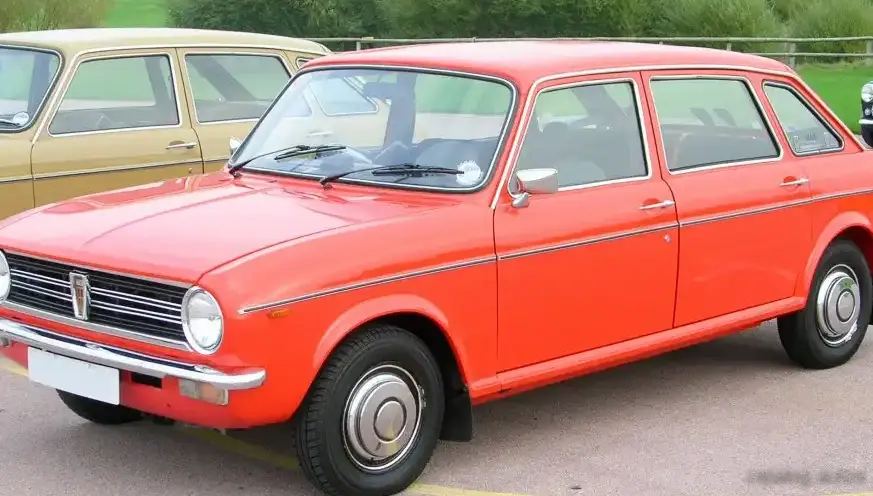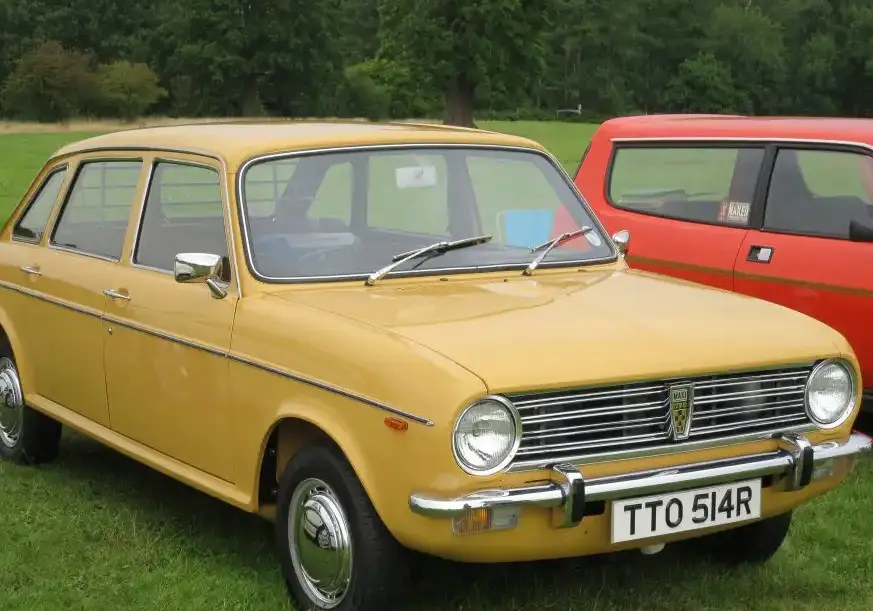
The Austin Maxi 1750, produced from 1969 to 1980, represents a significant, though often overlooked, chapter in British automotive history. Designed as a replacement for the Austin A60 and Morris 1100, the Maxi was intended to be a spacious, practical, and modern family car. The 1750 variant, equipped with a 1.75-liter engine producing 72 horsepower, occupied a central position in the Maxi lineup during much of its production run, offering a balance between affordability and performance. It was a key component of British Leyland’s attempt to modernize its offerings and compete with increasingly sophisticated European rivals. The Maxi was notable for its transverse engine layout and front-wheel drive, features relatively uncommon in British cars of the time.
Technical Specifications
| Brand | Austin |
| Model | Maxi |
| Generation | Maxi I |
| Type (Engine) | 1750 (72 Hp) |
| Start of Production | 1969 |
| End of Production | 1980 |
| Powertrain Architecture | Internal Combustion Engine |
| Body Type | Hatchback |
| Fuel Type | Petrol (Gasoline) |
| Power | 72 Hp |
| Engine Aspiration | Naturally Aspirated |
| Engine Displacement | 1750 cc (1.75 Liters) |
| Transmission | 4-Speed Manual or 3-Speed Automatic |
| Weight | Approximately 2,240 lbs (1,016 kg) |
| Top Speed | Approximately 85 mph (137 km/h) |
| Fuel Economy (Combined) | Approximately 28 mpg (8.4 L/100km) |
Powertrain & Engine Architecture
The heart of the Austin Maxi 1750 was the ‘E’ series 1750cc inline-four engine. This engine, while relatively simple in design, was a significant departure for Austin. It featured a cast iron block and cylinder head, with a single overhead camshaft operating the valves via pushrods and rockers. The engine utilized a Solex carburetor for fuel delivery, a common setup for the era. The 72 horsepower output was achieved at 5,000 rpm, with peak torque of around 100 lb-ft at 3,000 rpm. The engine’s design prioritized low-end torque, making it suitable for everyday driving. The Maxi 1750 was offered with both a four-speed manual gearbox and a three-speed automatic transmission, the latter being a Borg-Warner unit. The automatic transmission, while providing convenience, did noticeably impact performance and fuel economy.
Driving Characteristics
The Maxi 1750, particularly in automatic guise, was not a performance car. Acceleration was modest, taking around 16 seconds to reach 60 mph. However, the engine’s torque delivery made it reasonably tractable in urban environments. The front-wheel drive layout provided decent handling, although the suspension – independent front suspension with trailing arms and a live axle rear – was tuned more for comfort than sporty handling. The steering, while light, lacked precision. The automatic transmission, while smooth, had relatively wide gear ratios, contributing to a somewhat sluggish feel. Compared to the manual version, the automatic Maxi 1750 felt noticeably slower, especially when overtaking. The manual transmission offered a more engaging driving experience and slightly improved fuel economy.
Equipment & Trim Levels
The Austin Maxi 1750 was generally well-equipped for its price point. Standard features included reclining front seats, a heater, and a basic instrument panel. The interior was characterized by its spaciousness, a key selling point of the Maxi. Upholstery was typically vinyl, with cloth options available on higher trim levels. Optional extras included a radio, a heated rear window, and a vinyl roof. Trim levels varied over the years, with the ‘Super’ and ‘HL’ (High Line) models offering more luxurious appointments, such as upgraded upholstery, woodgrain trim, and additional chrome detailing. The HL trim was the most desirable, offering a more refined interior and a slightly more comprehensive equipment list.
Chassis & Braking
The Maxi’s chassis was a monocoque construction, providing a good level of structural rigidity. The front suspension utilized independent wishbones and coil springs, while the rear featured a live axle with trailing arms and leaf springs. Braking was initially provided by Girling disc brakes on the front wheels and drum brakes on the rear. Later models saw the introduction of rear disc brakes on some trim levels. The braking system was adequate for the car’s weight and performance, but lacked the stopping power of more modern systems. Steering was rack and pinion, providing relatively light steering effort, but lacking in feedback. Stabilizer bars were fitted to improve handling, but the overall setup was geared towards comfort rather than sporty dynamics.
Market Reception & Comparison
The Austin Maxi 1750 received a mixed reception from critics. It was praised for its spaciousness, practicality, and innovative features, such as its transverse engine layout. However, it was also criticized for its lack of performance, somewhat agricultural engine, and build quality issues, common ailments of British Leyland vehicles of the era. Compared to its rivals, such as the Ford Cortina and Vauxhall Victor, the Maxi offered more interior space but lacked their refinement and performance. The 1750 variant was generally considered a good all-rounder, offering a reasonable balance between price, performance, and practicality. The automatic transmission, while popular with some buyers, was often criticized for its sluggishness and impact on fuel economy. The manual version was favored by those seeking a more engaging driving experience.
Legacy
The Austin Maxi, despite its shortcomings, remains a significant vehicle in British automotive history. It was a pioneering design, incorporating features that would become commonplace in later cars. The 1750 engine, while not particularly powerful, proved to be relatively durable and reliable, although prone to oil leaks as it aged. Today, the Maxi 1750 is a relatively rare sight on the roads, and well-maintained examples are becoming increasingly sought after by classic car enthusiasts. Parts availability can be challenging, but a dedicated community of owners and specialists exists to support the preservation of these vehicles. The Maxi’s legacy lies in its innovative design and its role as a practical and spacious family car during a period of significant change in the British automotive industry. The automatic transmission versions, while less desirable to enthusiasts, represent a significant portion of the surviving examples and offer a unique glimpse into the driving experience of the 1970s.