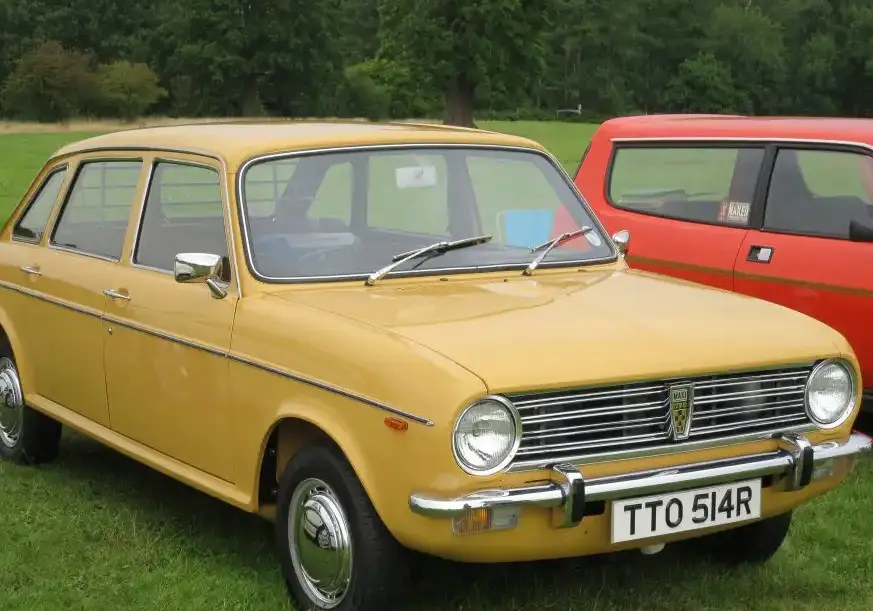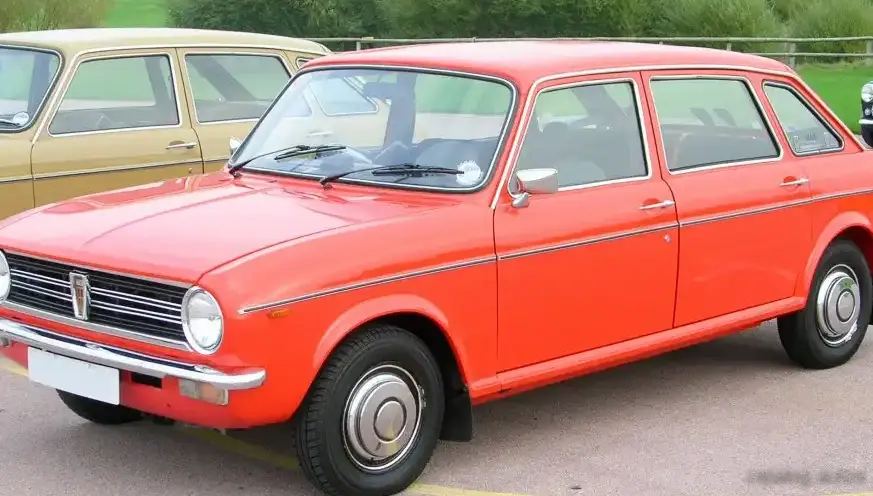
The Austin Maxi II 1750, produced between 1980 and 1982, represented a mid-life update to the original Austin Maxi, a uniquely British family hatchback. Launched in 1969, the Maxi was intended as a spacious and practical alternative to existing small family cars, notable for its transverse engine and front-wheel drive layout – a configuration relatively uncommon for British cars of the era. The Maxi II series, while not a radical redesign, incorporated improvements to address criticisms of the original, and the 1750 variant, with its larger engine, aimed to provide a more refined driving experience. It occupied a middle ground in the Maxi II lineup, offering more performance than the base 1.3L models but remaining more affordable than potential future higher-spec options that never materialized. The Maxi II, and particularly the 1750, was a product of British Leyland’s attempts to modernize its offerings during a period of significant economic and industrial challenges.
Technical Specifications
| Brand | Austin |
| Model | Maxi |
| Generation | Maxi II |
| Type (Engine) | 1750 (72 Hp) |
| Start of Production | 1980 |
| End of Production | 1982 |
| Powertrain Architecture | Internal Combustion Engine |
| Body Type | Hatchback |
| Fuel Type | Petrol (Gasoline) |
| Power | 72 Hp |
| Engine Aspiration | Naturally Aspirated |
Powertrain & Engine Architecture
The Austin Maxi II 1750 was powered by the ‘E’ series 1750cc inline-four cylinder engine. This engine, designated as the ‘E5’, was an evolution of the 1750 unit first introduced in the original Maxi. It featured a cast iron block and cylinder head, with a single overhead camshaft operating the valves. The engine utilized a Stromberg CD175 carburetor for fuel delivery, a relatively simple system for the time, but one that contributed to the engine’s generally robust nature. The compression ratio was 8.5:1. The engine produced 72 horsepower at 5,000 rpm and approximately 109 lb-ft of torque at 3,000 rpm. The Maxi II 1750 was exclusively offered with a four-speed manual transmission. The transmission was a fully synchronized unit, a significant improvement over earlier designs, and drove the front wheels. The gearbox ratios were geared towards providing reasonable acceleration and fuel economy, prioritizing usability over outright performance. The engine’s layout, with the gearbox integrated into the sump, contributed to the Maxi’s relatively compact footprint.
Driving Characteristics
The driving experience in the Austin Maxi II 1750 was characterized by practicality and comfort rather than sporting prowess. The 72 horsepower engine provided adequate, though not exhilarating, performance. Acceleration from 0 to 60 mph took around 16-17 seconds, and the top speed was approximately 85 mph. The four-speed gearbox required frequent shifting, particularly when overtaking or climbing hills. The gear ratios were relatively widely spaced, meaning the engine could feel strained at higher speeds or bogged down in higher gears at lower speeds. Compared to the 1.3L Maxi II, the 1750 offered noticeably improved acceleration and cruising ability, making it a more suitable choice for longer journeys or carrying a full load of passengers and luggage. However, it lacked the responsiveness of more modern engines. The front-wheel drive configuration provided reasonable handling, but the Maxi’s relatively soft suspension and high center of gravity meant it wasn’t a particularly agile car. Steering was light but lacked significant feedback.
Equipment & Trim Levels
The Austin Maxi II 1750 was generally equipped to a modest standard, reflecting its position as a family car aimed at value-conscious buyers. Standard features included reclining front seats, a heater with demister, and a basic instrument panel with speedometer, fuel gauge, and temperature gauge. The interior trim was typically cloth upholstery, available in a range of muted colors. The dashboard was constructed from a durable plastic material. Optional extras included a radio, a heated rear window, and upgraded seat fabrics. The Maxi II 1750 didn’t offer a wide range of trim levels; it was largely differentiated by exterior color and the presence or absence of optional equipment. The interior was functional and spacious, prioritizing practicality over luxury. The hatchback configuration provided easy access to the large cargo area, which could be further expanded by folding down the rear seats.
Chassis & Braking
The Austin Maxi II utilized a monocoque chassis construction, providing a reasonable level of structural rigidity. The front suspension consisted of independent coil springs and wishbones, while the rear suspension employed a trailing arm setup with coil springs. The suspension was tuned for comfort, resulting in a relatively soft ride. The steering was a rack and pinion system, providing light and easy operation. Braking was provided by hydraulic disc brakes on the front wheels and drum brakes on the rear wheels. The braking system was adequate for normal driving conditions, but lacked the stopping power of more modern cars. The Maxi II 1750’s tires were typically 165-80R13 radial tires, providing a reasonable balance of grip and ride comfort. Stabilizer bars were not standard equipment on the 1750, contributing to the car’s tendency to roll in corners.
Market Reception & Comparison
The Austin Maxi II 1750 received mixed reviews from automotive critics. While praised for its spaciousness and practicality, it was often criticized for its lack of performance and somewhat dated design. Compared to its rivals, such as the Ford Cortina and Vauxhall Cavalier, the Maxi II 1750 offered a different proposition – a more compact and user-friendly package, but lacking the outright performance and refinement of its competitors. Fuel economy was reasonable for the time, averaging around 28-32 mpg. Reliability was generally good, although the Stromberg carburetor could sometimes require adjustment. The 1750 variant was considered a significant improvement over the earlier 1.3L models, offering a more enjoyable driving experience, but it still couldn’t match the performance of larger-engined rivals. The Maxi II 1750 was positioned as a sensible and affordable family car, appealing to buyers who prioritized practicality and value over performance and prestige.
Legacy
The Austin Maxi II 1750, while not a commercial success in the same vein as some of its competitors, holds a unique place in British automotive history. It represented a bold attempt to create a modern and practical family car, incorporating innovative features such as front-wheel drive and a transverse engine. The ‘E’ series engine proved to be a durable and reliable unit, and many examples are still in use today. In the used car market, the Maxi II 1750 is considered a relatively affordable classic, appealing to enthusiasts and collectors. Parts availability can be a challenge, but a dedicated network of owners and suppliers exists to support the preservation of these vehicles. The Maxi II 1750 serves as a reminder of a bygone era of British automotive engineering, characterized by innovation, practicality, and a distinct sense of character. Its enduring appeal lies in its simplicity, spaciousness, and the nostalgic charm of a uniquely British family car.