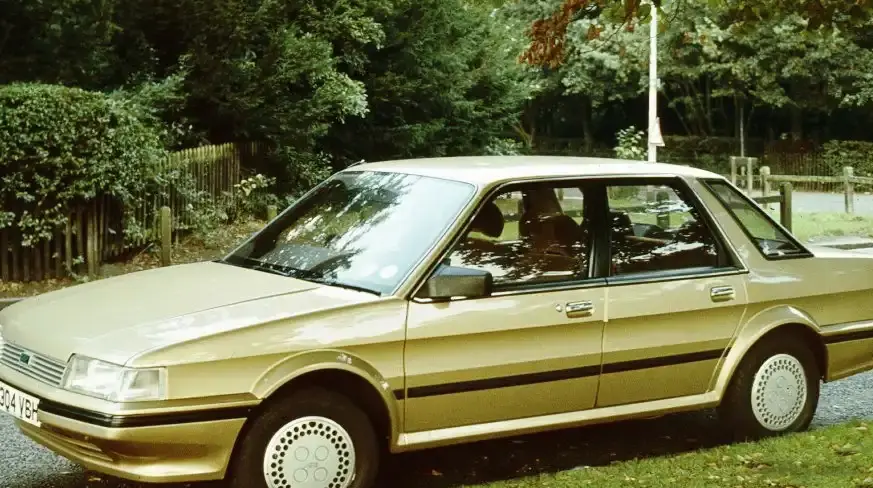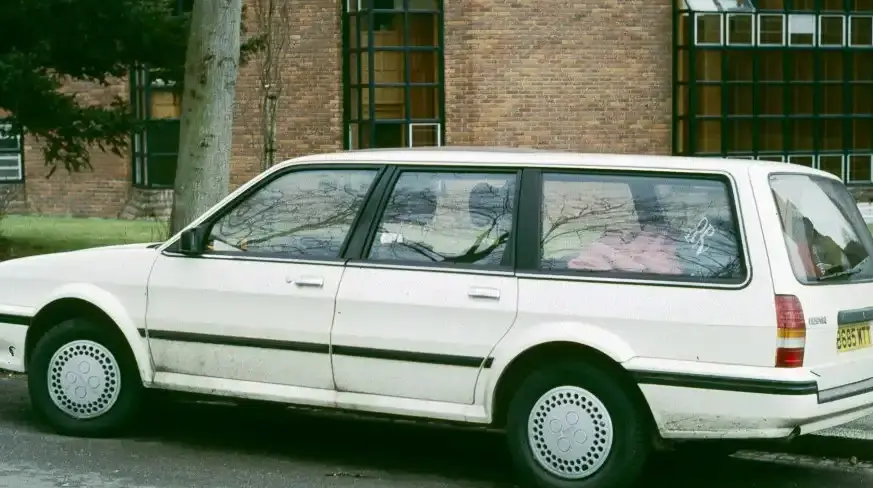
The Austin Montego Combi (XE) 2.0, produced between 1984 and 1991, represented a significant offering in the British Leyland (later Rover Group) lineup as a practical, family-oriented station wagon. Positioned as a more spacious and versatile alternative to the saloon (sedan) version of the Montego, the Combi aimed to capture a share of the estate car market, competing with models like the Ford Sierra Estate and Vauxhall Cavalier Estate. The “XE” designation denoted a specific trim level, typically representing a mid-range offering within the Montego Combi range. It was built upon the platform known as the ADO17, a design originating in the late 1970s, and underwent several revisions during its production run. The 2.0-liter engine variant, producing 101 horsepower, was a popular choice, balancing acceptable performance with reasonable fuel consumption for the era.
Technical Specifications
| Brand | Austin |
| Model | Montego |
| Generation | Montego Combi (XE) |
| Type (Engine) | 2.0 (101 Hp) |
| Start of production | 1984 |
| End of production | 1991 |
| Powertrain Architecture | Internal Combustion engine |
| Body type | Station wagon (estate) |
| Fuel Type | Petrol (Gasoline) |
| Power | 101 Hp |
| Engine aspiration | Naturally aspirated engine |
Powertrain & Engine Architecture
The Austin Montego Combi 2.0 XE was powered by the M-Series engine, a 1,994 cc (121.6 cubic inches) inline-four cylinder petrol engine. This engine, while a long-running design, had been updated over the years. The 101 horsepower output was achieved through a single overhead camshaft (SOHC) valvetrain, two valves per cylinder, and a compression ratio of approximately 9.0:1. Fuel delivery was managed by a Bosch K-Jetronic mechanical fuel injection system, a relatively sophisticated system for its time, offering improved fuel efficiency and reduced emissions compared to earlier carbureted versions. The engine block was constructed from cast iron, while the cylinder head was made of aluminum alloy. The engine was known for its robustness, but also for its potential for oil consumption as it aged.
The XE trim typically came equipped with a four-speed automatic transmission, a Borg-Warner unit. This transmission, while providing convenience, wasn’t known for its particularly quick shifts or sporty feel. It was geared more towards comfortable cruising and ease of driving. The automatic transmission contributed to slightly lower fuel economy figures compared to the available five-speed manual transmission.
Driving Characteristics
The driving experience in the Montego Combi 2.0 XE was characterized by comfort rather than outright performance. The 101 horsepower engine provided adequate power for typical family motoring, but acceleration was not brisk. The automatic transmission, with its relatively widely spaced gear ratios, emphasized smooth cruising over rapid acceleration. The 0-60 mph time was estimated to be around 12-13 seconds, placing it behind more powerful rivals. The suspension, featuring MacPherson struts at the front and a live axle with trailing arms at the rear, prioritized ride comfort. This resulted in a somewhat soft and occasionally wallowy handling experience, particularly when cornering. The steering was power-assisted, making it light and easy to use, but lacked significant feedback.
Compared to the manual transmission versions, the automatic offered a more relaxed driving experience, particularly in urban traffic. However, the manual versions felt more responsive and engaging. Higher-specification Montego models, equipped with the 2.0-liter engine in a higher state of tune, or the larger 2.5-liter V6, offered significantly more performance, but at the cost of increased fuel consumption.
Equipment & Trim Levels
The XE trim level represented a mid-range specification for the Montego Combi. Standard equipment typically included cloth upholstery, a basic stereo system, central locking, and electric front windows. The dashboard layout was functional but somewhat dated, even for the 1980s. The interior trim was generally durable, but the materials used were not particularly luxurious. Optional extras available for the XE trim included a sunroof, upgraded stereo systems, and metallic paint finishes. The Combi’s key selling point was its spacious interior and large cargo area, offering a practical solution for families and those requiring ample carrying capacity.
Chassis & Braking
The Montego Combi utilized a body-on-frame construction, which contributed to its robust feel but also added weight. The front suspension consisted of MacPherson struts with an anti-roll bar, while the rear suspension employed a live axle with trailing arms and a separate anti-roll bar. Braking was initially provided by disc brakes at the front and drum brakes at the rear. Later models saw the introduction of rear disc brakes on some variants, but the XE 2.0 typically retained the drum setup. The braking system was adequate for normal driving conditions, but lacked the stopping power of more modern systems. Steering was rack and pinion, power assisted.
Market Reception & Comparison
The Austin Montego Combi 2.0 XE received mixed reviews from automotive critics. It was generally praised for its spaciousness, practicality, and relatively comfortable ride. However, it was often criticized for its dated design, uninspiring performance, and somewhat vague handling. Compared to rivals like the Ford Sierra Estate and Vauxhall Cavalier Estate, the Montego Combi was often seen as less refined and less dynamically engaging. Fuel economy was reasonable for the time, averaging around 24-28 mpg in mixed driving conditions. Reliability was a concern for some owners, with reports of issues with the K-Jetronic fuel injection system and oil consumption from the M-Series engine. The automatic transmission, while convenient, was also prone to occasional issues.
Legacy
The Austin Montego, and the Combi variant, represents a somewhat bittersweet chapter in British automotive history. While it offered a practical and spacious solution for families, it was ultimately overshadowed by more modern and competitive rivals. The M-Series engine, despite its quirks, proved to be a durable and long-lasting unit, and many examples are still on the road today. The Montego Combi 2.0 XE, in particular, has become a popular choice among classic car enthusiasts seeking a practical and affordable British estate car. Parts availability can be a challenge, but a dedicated network of specialists and enthusiasts helps to keep these vehicles running. In the used car market, well-maintained examples of the Montego Combi 2.0 XE command a modest but growing following, appreciated for their retro charm and practicality.