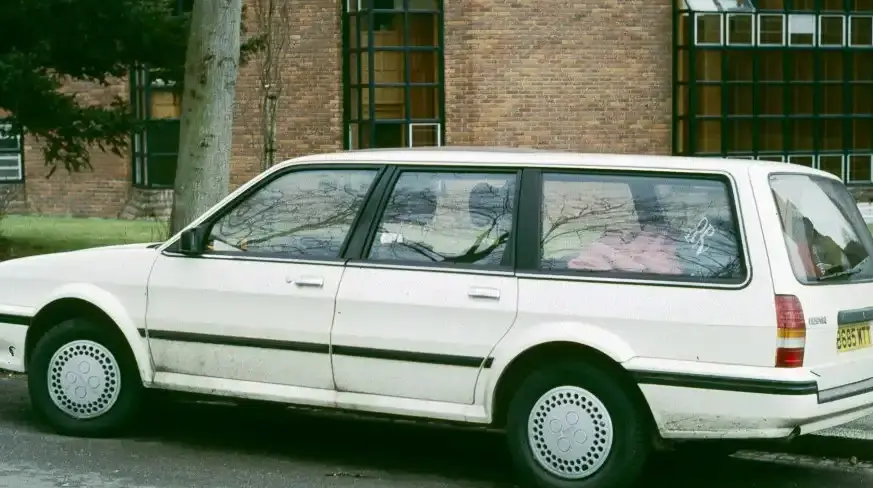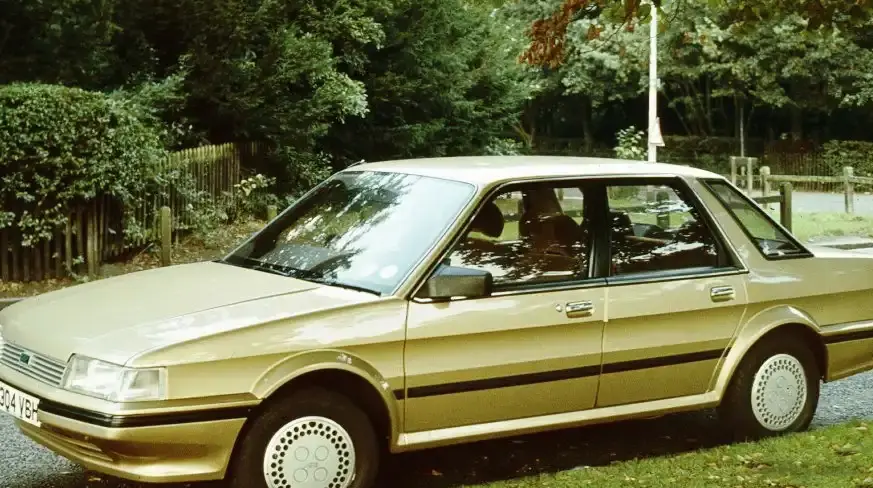
The Austin Montego 1.6 LS/HL, produced between 1984 and 1988, represented a key offering in British Leyland’s (later Austin Rover Group) attempt to modernize its mid-size sedan lineup. Positioned as a more contemporary alternative to the aging Austin Ambassador and Morris Ital, the Montego was intended to compete with Ford’s Cortina and Vauxhall’s Cavalier in the UK market. The 1.6 LS/HL trim level, producing 83 horsepower, served as a popular entry-to-mid-range option, prioritizing affordability and practicality over outright performance. It was built on the ‘XE’ platform, a significant departure from the older designs that characterized much of British Leyland’s previous output, though it still carried over some components from its predecessors.
Technical Specifications
| Brand | Austin |
| Model | Montego |
| Generation | Montego (XE) |
| Type (Engine) | 1.6 LS/HL (83 Hp) |
| Start of Production | 1984 |
| End of Production | 1988 |
| Powertrain Architecture | Internal Combustion Engine |
| Body Type | Sedan |
| Fuel Type | Petrol (Gasoline) |
| Power | 83 Hp |
| Engine Aspiration | Naturally Aspirated |
| Engine Displacement | 1598 cc (1.6 Liters) |
| Cylinders | 4 |
| Valves per Cylinder | 2 |
| Transmission | 4-Speed Automatic |
| Drive Type | Rear-Wheel Drive |
| Weight (approx.) | 1,180 – 1,250 kg (2,600 – 2,750 lbs) |
Powertrain & Engine Architecture
The Austin Montego 1.6 LS/HL was powered by the ‘O’ series engine, a 1.6-liter (1598cc) inline-four cylinder petrol engine. This engine, while a relatively simple design, was known for its robustness and ease of maintenance. It featured a cast iron block and cylinder head, with a two-valve-per-cylinder configuration operated by a single overhead camshaft. Fuel delivery was managed by a Zenith-Stromberg 175CD carburetor, a common setup for British cars of the era. The carburetor, while adequate, wasn’t known for its precision, contributing to slightly less refined throttle response compared to fuel-injected alternatives. The engine produced 83 horsepower at 5,000 rpm and approximately 95 lb-ft of torque at 3,000 rpm. The transmission paired with this engine was a Borg Warner DG automatic gearbox, a four-speed unit. This transmission was chosen for its relative smoothness and reliability, though it wasn’t particularly sporty or efficient. The rear-wheel-drive layout was traditional for British sedans of the time.
Driving Characteristics
The driving experience in the Montego 1.6 Automatic was characterized by comfort and ease of use rather than dynamic performance. The 83 horsepower engine, coupled with the four-speed automatic transmission, provided adequate, but not exhilarating, acceleration. The automatic transmission’s gear ratios were geared towards fuel economy and smooth cruising, resulting in a somewhat leisurely pace. 0-60 mph times were typically in the 12-14 second range. Compared to the manual transmission versions of the 1.6, the automatic suffered a noticeable performance penalty. The higher-output 2.0-liter versions, particularly those with manual gearboxes, offered significantly more responsive acceleration. The Montego’s suspension, while comfortable, wasn’t particularly sporty, resulting in a noticeable amount of body roll during cornering. Steering was power-assisted, making it light and easy to maneuver, but lacking in feedback. Overall, the 1.6 Automatic was best suited for relaxed, everyday driving.
Equipment & Trim Levels
The LS/HL trim level represented a step up from the base Montego models. Standard equipment included cloth upholstery, a basic AM/FM radio, and a four-spoke steering wheel. The ‘HL’ designation indicated a slightly higher level of trim, often including features like a more comprehensive instrument panel, upgraded interior trim materials, and sometimes, a vinyl roof. Optional extras included a sunroof, upgraded stereo systems, and central locking. The interior design was functional and relatively spacious, though the materials used were generally of lower quality compared to some of its European competitors. The dashboard layout was straightforward, with clearly labeled controls. The Montego offered a reasonably sized trunk for its class.
Chassis & Braking
The Montego utilized a conventional rear-wheel-drive chassis with independent front suspension using MacPherson struts and a live axle rear suspension with trailing arms. The front suspension incorporated an anti-roll bar to reduce body roll. Braking was initially provided by disc brakes on the front wheels and drum brakes on the rear. Later models saw the introduction of rear disc brakes on some trims, but the 1.6 LS/HL typically retained rear drums. The braking system was hydraulically assisted, providing adequate stopping power for normal driving conditions. Steering was a rack-and-pinion system with power assistance. The suspension setup prioritized ride comfort over handling precision, resulting in a relatively soft and compliant ride.
Market Reception & Comparison
The Austin Montego 1.6 LS/HL received mixed reviews from automotive critics. While praised for its spacious interior, comfortable ride, and affordability, it was often criticized for its lackluster performance, dated styling, and perceived build quality issues. Compared to its rivals, the Ford Cortina and Vauxhall Cavalier, the Montego often fell short in terms of refinement and driving dynamics. However, it offered a competitive price point, making it an attractive option for budget-conscious buyers. Fuel economy was reasonable for the time, averaging around 28-32 mpg in mixed driving conditions. Reliability was a concern, with some owners reporting issues with the carburetor, electrical systems, and cooling system. The 2.0-liter versions of the Montego were generally considered to be a better overall package, offering a more satisfying driving experience.
Legacy
The Austin Montego, despite its shortcomings, played a significant role in the British automotive landscape of the 1980s. It represented a genuine attempt by British Leyland to produce a modern and competitive mid-size sedan. However, the car was ultimately hampered by a number of factors, including quality control issues, a lack of investment, and increasing competition from Japanese manufacturers. Today, the Montego 1.6 LS/HL is a relatively rare sight on the roads. While not highly sought after by collectors, well-maintained examples are gaining a following among enthusiasts who appreciate their classic British charm and simplicity. The ‘O’ series engine remains a relatively robust and reliable unit, and parts availability is generally good. The Montego serves as a reminder of a bygone era in British automotive history, a time when British Leyland was struggling to compete in a rapidly changing market.