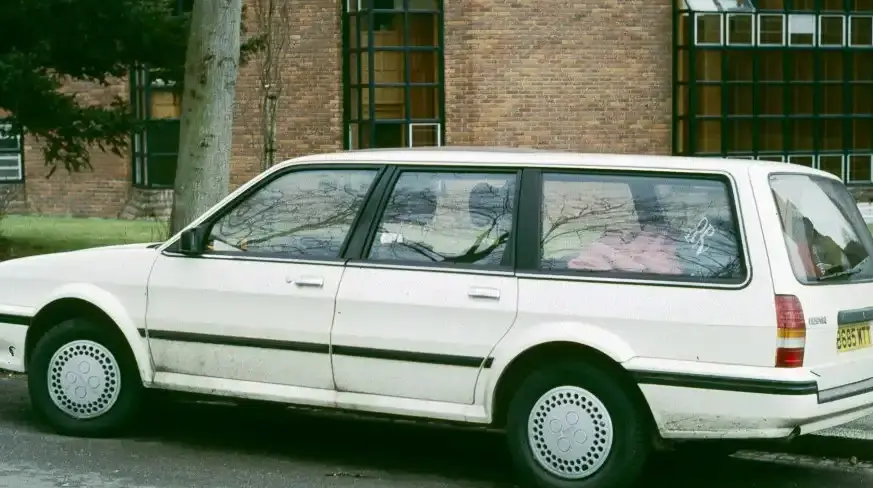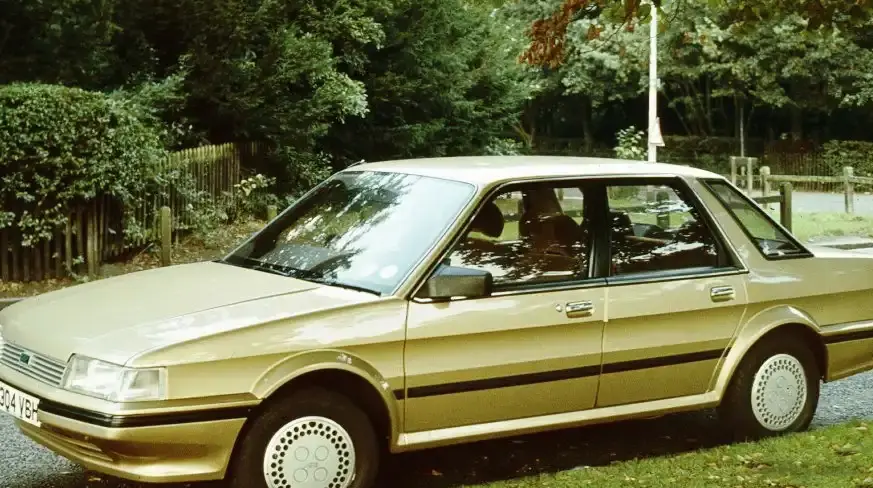
The Austin Montego 2.0, produced between 1984 and 1988, represented British Leyland’s attempt to create a modern, comfortable, and competitive family saloon. Positioned as a replacement for the aging Austin Ambassador and Morris Omega, the Montego was built on the Cambridge platform (internally designated ‘XE’) and aimed to offer a more upmarket experience than its predecessors. The 2.0-liter variant, producing 101 horsepower, occupied a middle ground in the Montego lineup, offering a balance between performance and affordability. It was intended to appeal to buyers seeking a reasonably powerful and refined vehicle for family use and longer journeys, without the higher price tag of the V6 models.
Technical Specifications
| Brand | Austin |
| Model | Montego |
| Generation | Montego (XE) |
| Type (Engine) | 2.0 (101 Hp) |
| Start of Production | 1984 |
| End of Production | 1988 |
| Powertrain Architecture | Internal Combustion Engine |
| Body Type | Sedan |
| Fuel Type | Petrol (Gasoline) |
| Power | 101 Hp |
| Engine Aspiration | Naturally Aspirated |
Powertrain & Engine Architecture
The Austin Montego 2.0 was powered by the ‘O’ series engine, a 1,994 cc (121.6 cubic inches) inline-four cylinder petrol engine. This engine had been a mainstay of British Leyland’s offerings for many years, undergoing numerous revisions and improvements. The 101 hp version utilized a single Zenith-Stromberg 175CD carburetor, a relatively simple fuel delivery system for the time. The engine featured a single overhead camshaft (SOHC) design, operating two valves per cylinder. The cylinder head was cast iron, while the block was made of cast iron as well, contributing to the engine’s robust, if somewhat heavy, construction.
The Montego 2.0 was typically paired with either a four-speed manual gearbox or a three-speed automatic transmission, the Borg-Warner DG automatic being the most common choice. The automatic transmission, while providing convenience, was known for its relatively slow and somewhat imprecise shifts. The gear ratios were geared towards comfortable cruising rather than outright acceleration. The engine’s torque output, around 125 lb-ft, was sufficient for everyday driving, but it wasn’t particularly strong when compared to contemporary rivals.
Driving Characteristics
The driving experience in the Montego 2.0 was generally considered comfortable, but not particularly engaging. The suspension, featuring MacPherson struts at the front and a live axle with trailing arms at the rear, prioritized ride quality over sharp handling. The steering was power-assisted, but lacked feedback, making it feel somewhat detached. With 101 horsepower and the added weight of the automatic transmission, acceleration was adequate, taking around 11-12 seconds to reach 60 mph. The automatic transmission’s shift points were programmed for economy, meaning the engine often felt strained during overtaking maneuvers. Compared to the manual transmission version, the automatic offered less driver involvement and slightly slower performance. The higher-powered V6 models provided a significantly more spirited driving experience, but at a higher cost.
Equipment & Trim Levels
The Austin Montego 2.0 was available in several trim levels, including the base model, the DL, and the more luxurious S. The base model offered basic amenities such as cloth upholstery, a four-speaker stereo, and central locking. The DL trim added features like a more comfortable interior trim, a trip computer, and electric front windows. The S trim, positioned as the premium offering, included features like leather upholstery, alloy wheels, and a sunroof. All models featured a relatively spacious interior for the time, with ample headroom and legroom for passengers. Optional extras included air conditioning, a cassette player, and upgraded sound systems.
Chassis & Braking
The Montego’s chassis was a traditional body-on-frame construction, which contributed to its robust feel but also added weight. The front suspension utilized MacPherson struts, while the rear suspension employed a live axle with trailing arms and leaf springs. Braking was initially provided by disc brakes at the front and drum brakes at the rear. Later models saw the introduction of rear disc brakes on some trims. The braking system was generally adequate for normal driving conditions, but lacked the stopping power of more modern systems. Stabilizer bars were fitted to both the front and rear axles to reduce body roll during cornering, but the Montego’s handling remained somewhat ponderous.
Market Reception & Comparison
The Austin Montego 2.0 received a mixed reception from automotive critics. While praised for its comfortable ride and spacious interior, it was often criticized for its uninspired styling, dated technology, and lackluster performance. Compared to rivals such as the Ford Sierra and Vauxhall Cavalier, the Montego felt somewhat behind the times. Fuel economy was reasonable for the period, averaging around 25-30 mpg, but it wasn’t class-leading. The automatic transmission version was often seen as a compromise, offering convenience at the expense of performance and fuel efficiency. The manual transmission version was generally preferred by drivers who prioritized driving enjoyment. The V6 models, while more expensive, offered a significantly more refined and powerful driving experience, appealing to buyers willing to pay a premium.
Legacy
The Austin Montego, despite its shortcomings, remains a significant vehicle in British automotive history. It represented British Leyland’s final attempt to create a competitive family saloon before the company was privatized and ultimately broken up. The ‘O’ series engine, while aging, proved to be remarkably durable and reliable, and continued to be used in other Rover Group vehicles for many years. Today, the Montego 2.0 is a relatively rare sight on the roads, but it has gained a following among classic car enthusiasts. Parts availability can be challenging, but the engine’s simplicity makes it relatively easy to maintain. The automatic transmission, however, can be prone to issues if not properly maintained. Well-maintained examples are now sought after by collectors and enthusiasts who appreciate the Montego’s unique character and historical significance. The car serves as a reminder of a bygone era of British automotive engineering, and a testament to the enduring appeal of classic British cars.