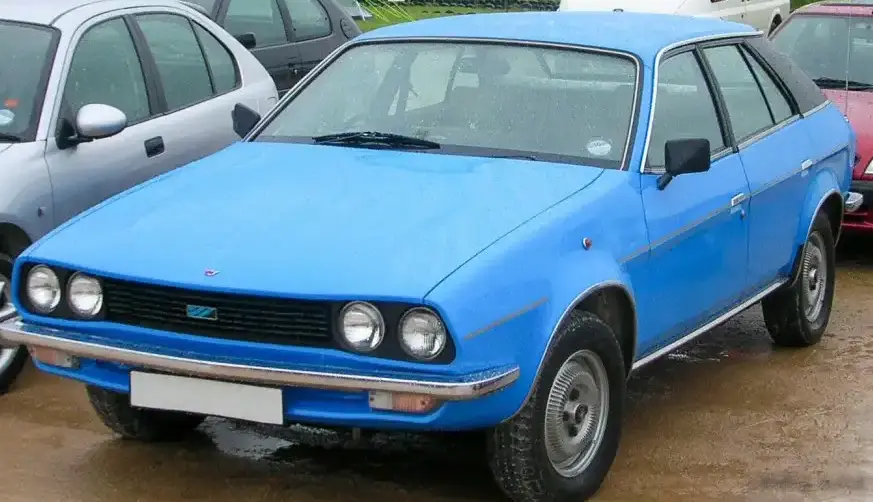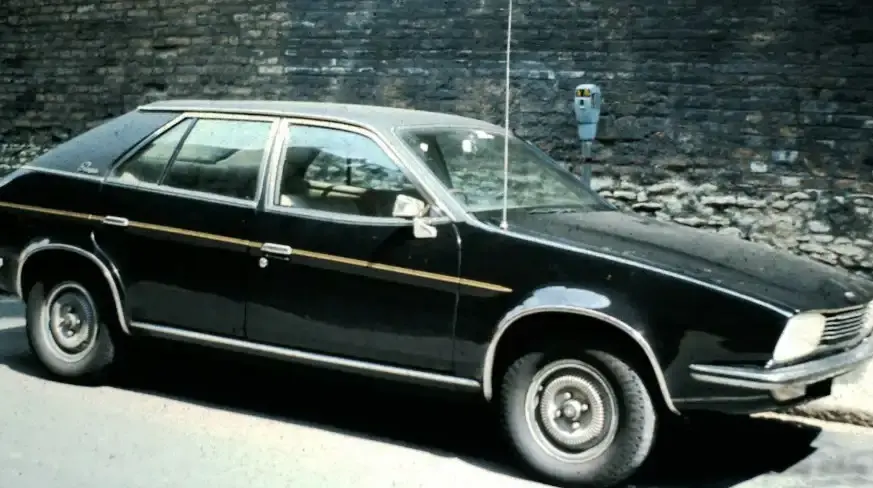
The Austin Princess 1800 HL, produced between 1976 and 1978, represents a unique and often overlooked chapter in British Leyland’s history. Positioned as a premium, spacious hatchback, the 1800 HL was intended to bridge the gap between traditional saloons and the emerging hatchback market. It was a bold attempt to modernize the Austin brand, offering a distinctive design and a focus on comfort. The “HL” designation signified a higher trim level, featuring additional equipment and refinements compared to the base Princess models. This variant played a crucial role in the Princess range, aiming to attract buyers seeking a more luxurious and practical family car. The Princess, and specifically the 1800 HL, was built on a unique platform, not shared with other BL vehicles, and was notable for its Hydragas suspension system.
Technical Specifications
| Brand | Austin |
| Model | Princess |
| Generation | Princess |
| Type (Engine) | 1800 HL (82 Hp) |
| Start of Production | 1976 |
| End of Production | 1978 |
| Powertrain Architecture | Internal Combustion Engine |
| Body Type | Hatchback |
| Fuel Type | Petrol (Gasoline) |
| Power | 82 Hp |
| Engine Aspiration | Naturally Aspirated |
Powertrain & Engine Architecture
The Austin Princess 1800 HL was powered by the Austin/Leyland ‘B’ series engine, a 1798cc inline-four cylinder unit. This engine, while a long-standing design, had undergone numerous revisions over the years. In the 1800 HL configuration, it produced 82 horsepower. The engine featured a single overhead camshaft (SOHC) design, operating with a two-barrel Zenith-Stromberg carburetor. This carburetor, while relatively simple, provided adequate fuel delivery for the engine’s output. The engine block was cast iron, contributing to its durability, while the cylinder head was made of aluminum alloy. The compression ratio was 8.5:1. The transmission paired with the 1800 HL was a Borg Warner three-speed automatic gearbox. This automatic transmission was chosen to enhance the car’s comfort and ease of driving, aligning with the HL trim’s focus on a more refined experience. The automatic transmission, however, did impact acceleration compared to the available four-speed manual option.
Driving Characteristics
The driving experience in the Austin Princess 1800 HL was characterized by comfort rather than outright performance. The 82 horsepower engine, coupled with the three-speed automatic transmission, provided adequate power for everyday driving, but acceleration was not particularly brisk. The 0-60 mph time was estimated to be around 14-15 seconds. The automatic transmission featured relatively widely spaced gear ratios, prioritizing fuel economy and smooth cruising over rapid acceleration. The Hydragas suspension system, unique to the Princess, provided a remarkably smooth and comfortable ride, absorbing bumps and imperfections in the road surface effectively. However, the suspension could feel somewhat floaty, especially at higher speeds. Steering was power-assisted, making maneuvering easy, but lacked significant feedback. Overall, the 1800 HL was designed to be a relaxing and comfortable cruiser, rather than a sporty performer.
Equipment & Trim Levels
The “HL” designation for the Austin Princess indicated a higher level of equipment and refinement. Standard features included reclining front seats, a wood-rimmed steering wheel, and a comprehensive instrument panel with gauges for fuel level, coolant temperature, and oil pressure. The interior trim featured cloth upholstery, available in a range of colors. The HL also included features such as a heated rear window and a radio as standard equipment. Optional extras included a vinyl roof, air conditioning, and a more luxurious interior trim with leather upholstery. The dashboard layout was distinctive for its time, featuring a horizontally oriented design with most controls within easy reach of the driver. The Princess 1800 HL aimed to provide a comfortable and well-equipped interior, appealing to buyers seeking a more premium motoring experience.
Chassis & Braking
The Austin Princess featured a monocoque chassis construction, providing a good balance of strength and weight. The front suspension utilized independent wishbones and coil springs, while the rear suspension employed the innovative Hydragas system. This system used self-levelling units filled with nitrogen, providing a consistently comfortable ride regardless of load. The braking system consisted of disc brakes on the front wheels and drum brakes on the rear wheels. The brakes were hydraulically operated, providing adequate stopping power for the car’s weight and performance. The steering was rack and pinion, providing precise and responsive steering feel, although power assistance was standard. The Princess 1800 HL’s chassis and braking systems were designed to prioritize comfort and safety, rather than outright performance.
Market Reception & Comparison
The Austin Princess 1800 HL received mixed reviews from automotive critics. While the spacious interior, comfortable ride, and distinctive styling were praised, the engine’s performance and the automatic transmission’s responsiveness were often criticized. Compared to its rivals, such as the Ford Cortina and Vauxhall Victor, the Princess offered a more luxurious and refined experience, but at a higher price point. The 1800 HL was positioned above the base Princess models, offering more equipment and a more comfortable interior. However, it lacked the performance of the larger-engined Princess variants. Fuel economy was reasonable for the time, averaging around 22-25 mpg. Reliability was a concern, as with many British Leyland vehicles of the era, with reports of electrical issues and carburetor problems. The Princess 1800 HL appealed to buyers seeking a comfortable and spacious family car, but its relatively high price and questionable reliability limited its market success.
Legacy
The Austin Princess 1800 HL, despite its relatively short production run, remains a distinctive and interesting vehicle. Its unique styling and innovative Hydragas suspension system set it apart from its contemporaries. Today, the Princess 1800 HL is a relatively rare sight on the road, and well-maintained examples are sought after by classic car enthusiasts. The ‘B’ series engine, while prone to occasional issues, is generally considered to be durable and relatively easy to maintain. The automatic transmission, however, can be more challenging to repair. The Princess 1800 HL represents a bold attempt by British Leyland to modernize its image and offer a more sophisticated family car. While it didn’t achieve widespread commercial success, it remains a fondly remembered and historically significant vehicle.