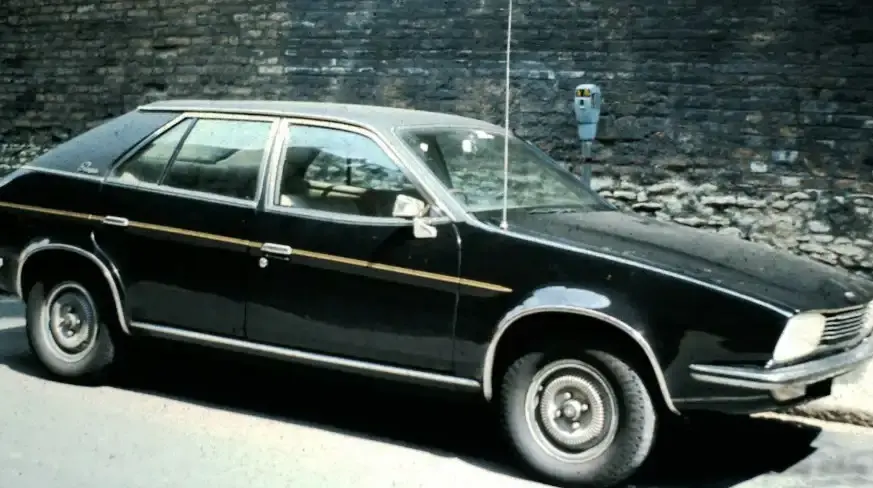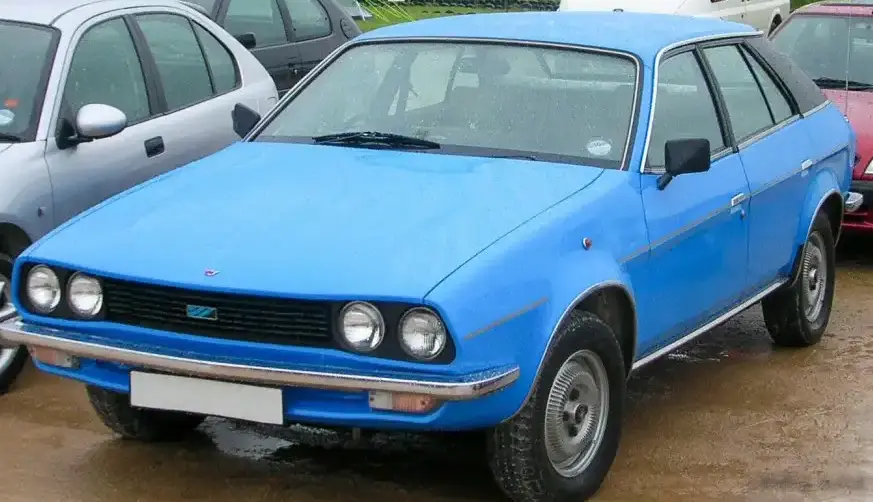
The Austin Princess 2 1700, producing 88 horsepower, was a variant of the Princess range produced between 1972 and 1982. It represented a mid-range offering within the second generation of the Princess, a large family car intended to modernize British Leyland’s lineup and compete with European rivals. The Princess 2, and specifically the 1700 model, aimed to provide a balance between affordability and practicality, offering a larger vehicle than the smaller Austin Allegro but at a lower price point than the more luxurious Vanden Plas variants. It was a key part of British Leyland’s attempt to rationalize its diverse model range and offer a more coherent product portfolio.
Technical Specifications
| Brand | Austin |
| Model | Princess 2 |
| Generation | Princess 2 |
| Type (Engine) | 1700 (88 Hp) |
| Start of Production | 1972 |
| End of Production | 1982 |
| Powertrain Architecture | Internal Combustion Engine |
| Body Type | Hatchback |
| Fuel Type | Petrol (Gasoline) |
| Power | 88 Hp |
| Engine Aspiration | Naturally Aspirated |
Powertrain & Engine Architecture
The Austin Princess 2 1700 was powered by a 1695cc, inline-four cylinder engine. This engine, designated the ‘E’ series, was a relatively conventional design for the period, featuring a cast iron block and cylinder head. It utilized a single overhead camshaft (SOHC) configuration, operating two valves per cylinder. Fuel delivery was managed by a Zenith 36mm carburetor, a common setup for British cars of the era. The engine produced 88 horsepower at 5000 rpm and 109 lb-ft of torque at 3000 rpm. The Princess 2 1700 was typically paired with a four-speed manual gearbox, but a Borg-Warner three-speed automatic transmission was also offered, and it’s this automatic variant that is the focus of this article. The automatic transmission was a key selling point for buyers prioritizing ease of use over outright performance. The ‘E’ series engine, while robust, wasn’t known for its high-revving nature; it delivered its power in a relatively narrow band, making the automatic transmission a suitable match for everyday driving.
Driving Characteristics
The Princess 2 1700 with the automatic transmission offered a comfortable, if not particularly sporty, driving experience. Acceleration was adequate for the time, with a 0-60 mph time of around 16 seconds. The automatic gearbox, while smooth in operation, did detract from the engine’s available power, resulting in noticeable ‘hunting’ for gears under hard acceleration. The gear ratios were geared towards fuel economy and relaxed cruising rather than spirited performance. Compared to the manual transmission version, the automatic was noticeably slower, but it provided a more relaxed driving experience, particularly in urban traffic. The suspension, featuring independent front suspension with coil springs and a live axle rear suspension with trailing arms and coil springs, provided a reasonably comfortable ride, although it could feel somewhat wallowy on uneven surfaces. The steering was power-assisted, making it light and easy to maneuver, but lacked significant feedback.
Equipment & Trim Levels
The Princess 2 1700, in its base form, was reasonably well-equipped for a family car of the 1970s. Standard features included reclining front seats, a heater with demister, and a basic instrument panel. The interior trim was typically cloth upholstery, available in a range of colors. The dashboard was characterized by its woodgrain effect and simple, functional layout. Optional extras included a radio, a vinyl roof, and upgraded upholstery. The automatic transmission version often came with a few additional comfort features as standard, reflecting its positioning as a slightly more premium offering. The Princess 2 1700 sat in the middle of the Princess range. Below it was the 1600 model, offering even more basic specification, and above it were the 2000 and Vanden Plas models, which featured more powerful engines, more luxurious interiors, and additional features like electric windows and central locking.
Chassis & Braking
The Austin Princess 2 1700 utilized a monocoque chassis construction, providing a good balance of strength and weight. The front suspension featured independent wishbones with coil springs and telescopic dampers, while the rear suspension employed a live axle with trailing arms, coil springs, and telescopic dampers. Braking was initially provided by Dunlop disc brakes on the front wheels and drum brakes on the rear wheels. Later models saw the introduction of rear disc brakes on some variants. The braking system was hydraulically operated, with a dual-circuit master cylinder for added safety. The steering was a Camsteer power-assisted rack and pinion system, providing light and easy steering, although lacking in feel. Stabilizer bars were fitted to both the front and rear axles to reduce body roll during cornering.
Market Reception & Comparison
The Austin Princess 2 1700 received a mixed reception from automotive critics. While praised for its spacious interior, comfortable ride, and practical hatchback design, it was often criticized for its lackluster performance, particularly with the automatic transmission. Compared to its rivals, such as the Ford Cortina and Vauxhall Victor, the Princess 2 1700 offered a more modern and spacious interior, but lacked the same level of driving engagement. The automatic transmission version, while popular with buyers seeking convenience, was significantly slower than the manual transmission models and offered poorer fuel economy. Fuel economy was around 22-26 mpg, which was typical for a car of this size and engine capacity in the 1970s. Reliability was generally acceptable, although the ‘E’ series engine was prone to overheating if not properly maintained. The Princess 2 1700 offered a compelling package for families seeking a spacious and comfortable car, but its performance limitations and occasional reliability issues prevented it from becoming a true class leader.
Legacy
The Austin Princess 2 1700, and the Princess range as a whole, represents a significant chapter in British Leyland’s history. While not a resounding commercial success, it showcased British Leyland’s attempt to modernize its product lineup and compete with European rivals. The 1700 automatic variant, while not the most desirable version, remains a relatively common sight on the classic car market today. The ‘E’ series engine, while not known for its longevity, is relatively simple to maintain and rebuild, and spare parts are still readily available. The Princess 2 1700 is now appreciated by classic car enthusiasts for its quirky styling, spacious interior, and nostalgic appeal. However, potential buyers should be aware of the potential for rust and overheating issues, and should ensure that any prospective purchase has been well-maintained. The car’s legacy is one of a well-intentioned but ultimately flawed attempt to create a modern British family car.