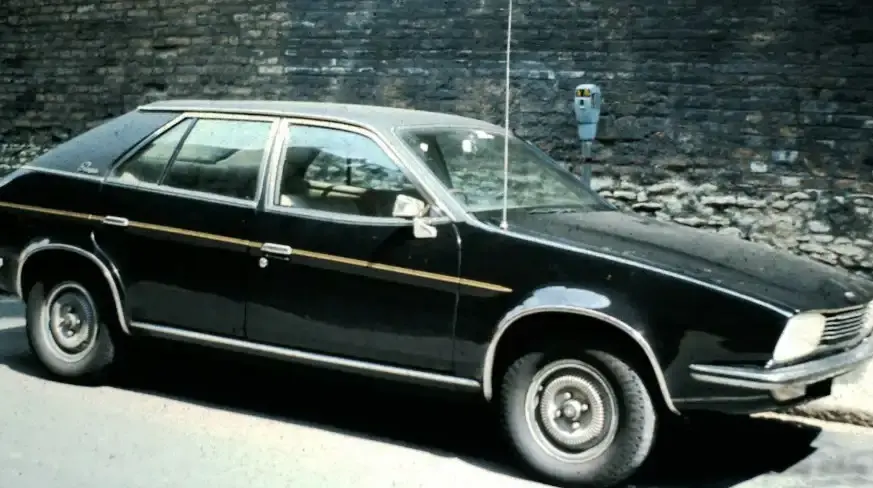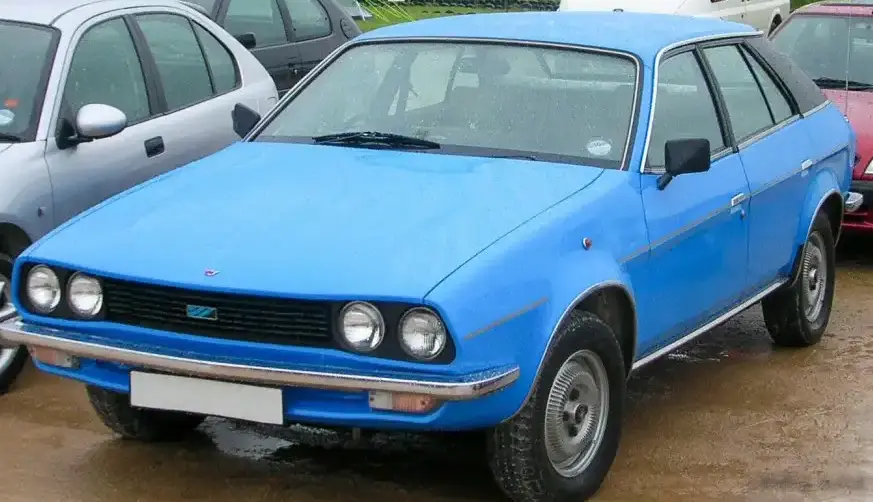
The Austin Princess 2 2200, produced between 1978 and 1982, represented a significant, though ultimately commercially unsuccessful, attempt by British Leyland to modernize its large family car offerings. Positioned as a premium hatchback within the Princess range (itself a successor to the Austin 1800/2200 “wedge” series), the 2200 variant aimed to provide a more refined and powerful alternative to the standard models. It was a product of a challenging period for British Leyland, marked by industrial unrest and quality control issues, and its innovative features were often overshadowed by these problems. The Princess 2, and specifically the 2200 trim, occupied a unique space in the market, attempting to blend practicality with a degree of luxury not typically found in British family cars of the era. It was built on the existing Princess platform, but with notable revisions to styling and interior appointments.
Technical Specifications
| Brand | Austin |
| Model | Princess 2 |
| Generation | Princess 2 |
| Type (Engine) | 2200 (112 Hp) |
| Start of Production | 1978 |
| End of Production | 1982 |
| Powertrain Architecture | Internal Combustion Engine |
| Body Type | Hatchback |
| Fuel Type | Petrol (Gasoline) |
| Power | 112 Hp |
| Engine Aspiration | Naturally Aspirated |
Powertrain & Engine Architecture
The Austin Princess 2 2200 was powered by the British Leyland ‘E’ series 2.2-liter inline-four engine. This engine, designated as the 2200, was a significant upgrade from the smaller engines offered in other Princess models. It featured a cast iron block and cylinder head, with a single overhead camshaft operating two valves per cylinder. Fuel delivery was managed by a Zenith-Stromberg 175CD carburetor, a common setup for British engines of the period. While not particularly advanced by contemporary standards, the ‘E’ series engine was known for its relative durability and willingness to be modified. The 112 horsepower output was achieved at 5,200 rpm, with peak torque of 138 lb-ft arriving at 3,000 rpm. The engine was mated to either a four-speed manual gearbox or, more commonly in the 2200 trim, a Borg-Warner three-speed automatic transmission. The automatic transmission, while offering convenience, was often criticized for its sluggish shifts and tendency to hunt for gears, particularly when under load. The engine bay layout was relatively straightforward, facilitating maintenance, although access could be somewhat restricted due to the transverse engine mounting.
Driving Characteristics
The driving experience in the Princess 2 2200 was a mixed bag. The 2.2-liter engine provided adequate performance for cruising, but acceleration was not particularly brisk, especially with the automatic transmission. The automatic’s gear ratios were spaced to prioritize fuel economy and smooth operation over outright performance. 0-60 mph times were typically in the 11-12 second range, making it competitive with other family cars of the era, but not a performance leader. The suspension, featuring independent front suspension with MacPherson struts and a live axle rear suspension, provided a reasonably comfortable ride, although it could feel somewhat wallowy in corners. Steering was power-assisted, making it light and easy to maneuver at low speeds, but lacking in feel at higher speeds. Compared to the manual transmission versions, the automatic 2200 felt noticeably slower and less engaging to drive. The manual gearbox allowed for better control of the engine’s power and provided a more connected driving experience. The Princess 2 2200 was best suited for relaxed, long-distance cruising rather than spirited driving.
Equipment & Trim Levels
The 2200 trim level represented the top-of-the-line offering for the Princess 2. Standard equipment included plush velour upholstery, a wood-trimmed dashboard, and a comprehensive instrument panel. Power steering, central locking, and electric windows were also typically included. The interior was designed to offer a comfortable and refined environment, although the quality of materials and construction was often criticized. Optional extras included a sunroof, a stereo system, and upgraded seat fabrics. The exterior of the 2200 was distinguished by chrome trim, a more elaborate grille, and often, upgraded wheel covers. The hatchback configuration provided a practical and versatile cargo area, although the rear suspension design did intrude somewhat into the luggage space. The Princess 2 2200 aimed to provide a level of luxury and convenience comparable to more expensive European rivals, but often fell short in terms of build quality and reliability.
Chassis & Braking
The Austin Princess 2 2200 utilized a monocoque chassis construction, providing a relatively lightweight and rigid platform. The front suspension employed MacPherson struts with anti-roll bar, while the rear suspension featured a live axle with trailing arms. Braking was initially provided by Dunlop disc brakes on the front wheels and drum brakes on the rear wheels. Later models often featured disc brakes all around, offering improved stopping power. The braking system was hydraulically operated, with power assistance. The steering system was a rack and pinion setup with power assistance, providing light and easy steering. The suspension was tuned for comfort rather than handling, resulting in a relatively soft ride. Stabilizer bar thickness was moderate, contributing to the car’s tendency to roll in corners. The chassis and braking systems were generally adequate for the car’s intended purpose, but lacked the sophistication of some contemporary rivals.
Market Reception & Comparison
The Austin Princess 2 2200 received a mixed reception from automotive critics. While praised for its spacious interior, comfortable ride, and relatively powerful engine, it was often criticized for its build quality, reliability, and the sluggish performance of the automatic transmission. Compared to other trims in the Princess lineup, the 2200 offered a significant performance upgrade, but at a higher price point. The smaller-engined models, such as the 1.8 HL, were more popular due to their lower cost and better fuel economy. The 2200 was positioned as a competitor to cars like the Ford Cortina and Vauxhall Victor, but often struggled to match their sales figures. Fuel economy was typically in the range of 20-25 mpg, which was reasonable for the time, but not exceptional. Reliability was a major concern, with many owners reporting issues with the electrical system, carburetor, and automatic transmission.
Legacy
The Austin Princess 2 2200, while not a commercial success, remains a fondly remembered car among enthusiasts of British Leyland vehicles. The 2.2-liter ‘E’ series engine, in its various iterations, proved to be a durable and reliable powerplant, and many examples are still on the road today. However, finding well-maintained examples of the 2200 trim is becoming increasingly difficult, as many were neglected or scrapped due to rust and mechanical issues. The automatic transmission remains a potential weak point, and finding replacement parts can be challenging. In the used car market, the Princess 2 2200 commands a modest premium over the lower-spec models, particularly those in good condition. It represents a unique and interesting chapter in British automotive history, a testament to the ambition and challenges faced by British Leyland during a turbulent period.