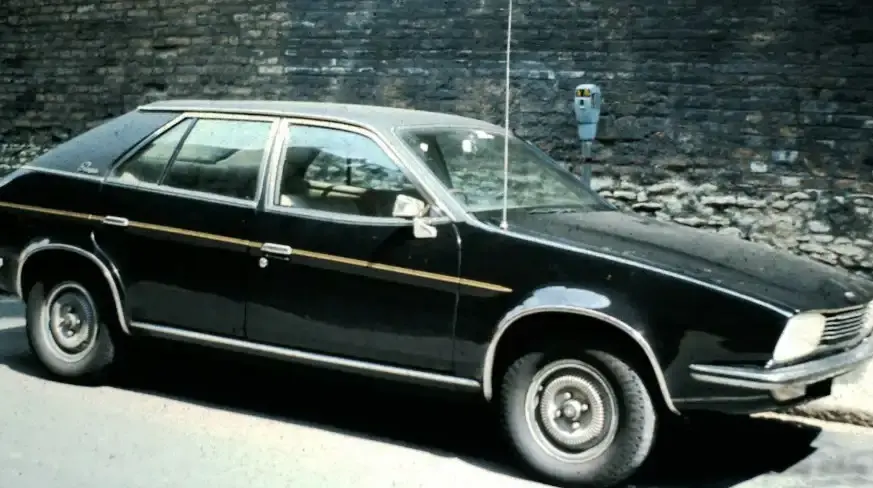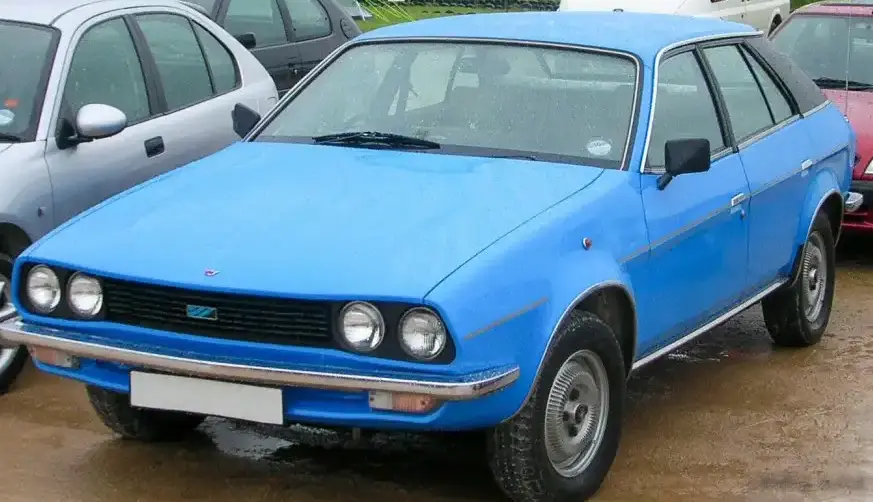
The Austin Princess 2 2000, produced between 1978 and 1982, represents a somewhat unusual chapter in British Leyland’s history. Positioned as a larger, more comfortable hatchback alternative to the Austin Allegro and Morris Marina, the Princess 2 aimed for a more upmarket, family-oriented buyer. The “2000” designation refers to its 2.0-liter engine, producing 94 horsepower. This variant occupied a mid-range position within the Princess 2 lineup, offering a balance between performance and affordability, sitting below the more powerful 2200 models. It was built on a unique platform, distinct from other BL vehicles of the era, and was notable for its spacious interior and distinctive wedge-shaped styling – a design that proved controversial at the time but has gained a cult following in recent years. The Princess 2, despite its ambitions, suffered from the typical British Leyland issues of reliability and build quality, impacting its market success.
Technical Specifications
| Brand | Austin |
| Model | Princess 2 |
| Generation | Princess 2 |
| Type (Engine) | 2000 (94 Hp) |
| Start of Production | 1978 |
| End of Production | 1982 |
| Powertrain Architecture | Internal Combustion Engine |
| Body Type | Hatchback |
| Fuel Type | Petrol (Gasoline) |
| Power | 94 Hp |
| Engine Aspiration | Naturally Aspirated |
Powertrain & Engine Architecture
The Austin Princess 2 2000 was powered by the M-Series 2.0-liter inline-four engine. This engine, designated as the 20VC, was a development of the earlier M-Series units, featuring a cast iron block and an aluminum cylinder head. It utilized a single overhead camshaft (SOHC) design, operating two valves per cylinder. Fuel delivery was managed by a Zenith-Stromberg 175CD carburetor, a common setup for British Leyland vehicles of the period. While not particularly sophisticated by contemporary standards, the carburetor provided adequate fuel atomization for the engine’s modest power output. The engine produced 94 horsepower at 5,200 rpm and 124 lb-ft of torque at 3,000 rpm. The transmission paired with the 2000 was typically a Borg Warner DG automatic transmission, a three-speed unit known for its smoothness but not its responsiveness. This automatic gearbox was a key feature of this particular variant, aimed at buyers prioritizing comfort over sporty driving dynamics. The engine’s design, while robust, was prone to overheating if not properly maintained, and the carburetor required regular adjustment to ensure optimal performance.
Driving Characteristics
The driving experience in the Austin Princess 2 2000 Automatic was decidedly geared towards comfort. The three-speed automatic transmission provided smooth, if somewhat leisurely, gear changes. Acceleration was adequate for everyday driving, with a 0-60 mph time of around 13 seconds, but it lacked the punch of the 2200 models or the more nimble feel of the manual transmission versions. The gear ratios were optimized for cruising, making it a comfortable long-distance companion. However, attempting brisk overtaking maneuvers required careful planning. The steering was power-assisted, contributing to the ease of driving, but it lacked feedback. The suspension, while providing a reasonably comfortable ride, could feel somewhat wallowy in corners. Compared to the manual transmission 2000, the automatic version felt noticeably slower and less engaging. The automatic transmission also impacted fuel economy, reducing it compared to the manual gearbox options. The overall driving experience was best described as relaxed and unhurried, suiting drivers who prioritized comfort and convenience over performance.
Equipment & Trim Levels
The Austin Princess 2 2000 Automatic typically came equipped with a reasonable level of standard features for its time. Interior upholstery was generally cloth, available in a range of colors, often featuring patterned designs. The dashboard layout was functional, with a woodgrain finish on some trim levels. Standard equipment included a radio (often a basic AM/FM unit), heated rear window, and reclining front seats. Optional extras included a more sophisticated stereo system, electric windows, and a sunroof. The Princess 2 2000 Automatic was often positioned as a step up from the base models, offering a slightly more refined interior and additional comfort features. Trim levels varied, with some models featuring upgraded upholstery and additional chrome trim. The overall interior ambiance was spacious and airy, thanks to the hatchback design and relatively large windows.
Chassis & Braking
The Austin Princess 2 utilized a monocoque chassis construction, providing a reasonable level of structural rigidity. The front suspension consisted of independent wishbones and coil springs, while the rear suspension employed a live axle with trailing arms and coil springs. Braking was initially provided by Dunlop disc brakes on the front wheels and drum brakes on the rear wheels. Later models saw the introduction of rear disc brakes on some trim levels. The braking system was hydraulically operated, with power assistance. Stabilizer bars were fitted to both the front and rear axles to reduce body roll during cornering. The suspension setup prioritized ride comfort over handling precision. The chassis and braking system were generally adequate for the car’s weight and performance, but they lacked the sophistication of some contemporary European rivals. The drum brakes on the rear wheels of earlier models were a common point of criticism, offering less stopping power and being more prone to fade under heavy use.
Market Reception & Comparison
The Austin Princess 2 2000 Automatic received a mixed reception from automotive critics. While praised for its spacious interior and comfortable ride, it was often criticized for its lackluster performance, questionable build quality, and somewhat dated styling. Compared to other cars in its class, such as the Ford Cortina and Vauxhall Cavalier, the Princess 2 offered a different proposition – a more spacious and comfortable hatchback, but at the expense of driving dynamics and reliability. The 2000 Automatic variant was often seen as a compromise, offering a balance between performance and affordability, but not excelling in either area. Fuel economy was reasonable for the time, but not class-leading. Reliability was a persistent issue, with reports of electrical problems, carburetor issues, and overheating. The Princess 2 struggled to gain significant market share, and its production run was relatively short-lived.
Legacy
The Austin Princess 2, and particularly the 2000 Automatic variant, has developed a cult following among enthusiasts of classic British cars. While not known for its performance or reliability, it is appreciated for its unique styling, spacious interior, and comfortable ride. The M-Series engine, while prone to issues, is relatively simple to maintain and rebuild, and spare parts are still available. The Borg Warner automatic transmission is generally considered durable, although rebuilds can be costly. Today, well-maintained examples of the Princess 2 2000 Automatic are becoming increasingly rare and sought after by collectors. Its legacy lies not in its commercial success, but in its distinctive design and its representation of a particular era in British automotive history – a time of ambitious designs and often-disappointing execution.