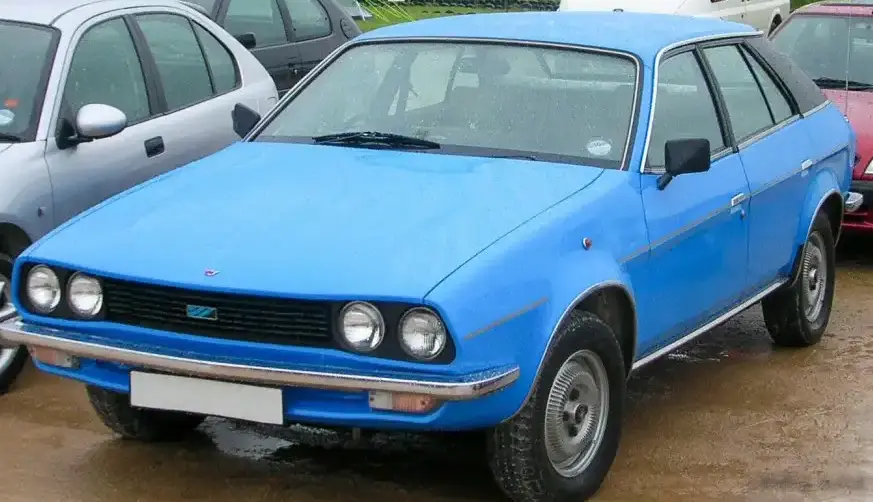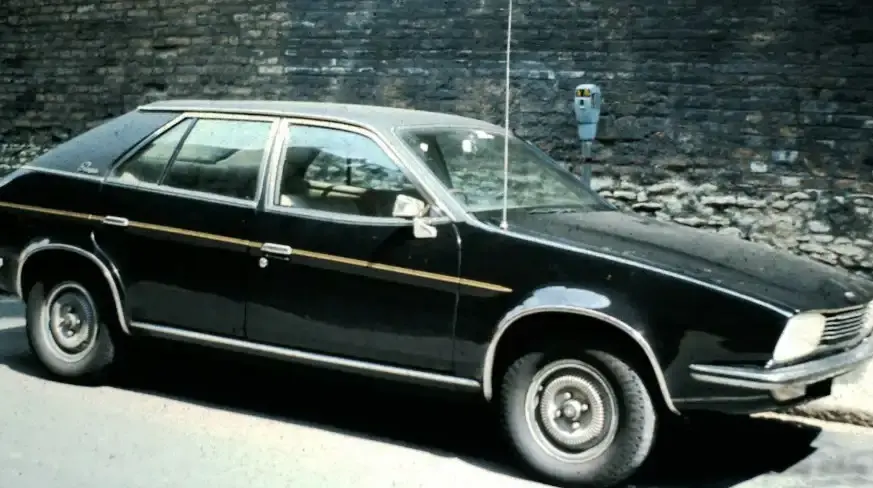
The Austin Princess 2200 HLS, produced between 1976 and 1978, represents a unique and often overlooked chapter in British Leyland’s history. Positioned as the top-of-the-line variant of the Princess range, the 2200 HLS aimed to offer a blend of comfort, performance, and practicality within the large family car segment. It was a product of a period of significant upheaval for British Leyland, and its design and engineering reflect both ambition and compromise. The Princess, and specifically the 2200 HLS, was intended to modernize the company’s offerings and compete with European rivals like the Renault 20 and Ford Taunus. It utilized a front-wheel-drive layout, a relatively modern feature for British cars of the era, and a distinctive hatchback body style, though its polarizing aesthetics often drew criticism.
Technical Specifications
| Brand | Austin |
| Model | Princess |
| Generation | Princess |
| Type (Engine) | 2200 HLS (110 Hp) |
| Start of production | 1976 |
| End of production | 1978 |
| Powertrain Architecture | Internal Combustion engine |
| Body type | Hatchback |
| Fuel Type | Petrol (Gasoline) |
| Power | 110 Hp |
| Engine aspiration | Naturally aspirated engine |
Powertrain & Engine Architecture
The heart of the Austin Princess 2200 HLS was the 2227cc ‘E’ series inline-four cylinder engine. This engine, while originating from earlier BMC designs, had undergone significant development by British Leyland. It featured a cast iron block and cylinder head, with a single overhead camshaft operating via a timing chain. Fuel delivery was managed by a Zenith-Stromberg 175CD carburetor, a common setup for British cars of the time. The engine produced 110 horsepower at 5000 rpm and 142 lb-ft of torque at 3000 rpm. The ‘HLS’ designation indicated the fitment of a Borg Warner DG automatic transmission, a three-speed unit known for its smoothness but not its outright performance. This transmission was a key differentiator for the HLS, targeting buyers who prioritized comfort and ease of driving over sporty handling. The engine bay layout was relatively spacious, aiding in maintenance, but access could be somewhat restricted due to the front-wheel-drive configuration.
Driving Characteristics
The driving experience in the Princess 2200 HLS was largely defined by its focus on comfort. The automatic transmission provided smooth, if somewhat leisurely, acceleration. The 110 hp engine, while adequate for cruising, didn’t offer particularly brisk performance. Acceleration from 0 to 60 mph took around 12-13 seconds, and top speed was approximately 95 mph. The suspension, featuring independent front suspension with MacPherson struts and a torsion beam rear axle, prioritized ride quality over sharp handling. The steering, while power-assisted, lacked feedback and could feel vague. Compared to the manual transmission versions of the 2200, the automatic HLS felt noticeably slower and less engaging. The manual offered a more direct connection to the engine and a more responsive driving experience, appealing to drivers who enjoyed a more involved driving style. The automatic, however, was favored by those seeking a relaxed and effortless grand touring experience.
Equipment & Trim Levels
The ‘HLS’ trim level represented the highest specification available on the Princess. Standard features included reclining front seats with adjustable headrests, a wood-veneer dashboard, and plush carpeting. The interior was generally well-appointed for its time, though the materials used weren’t always of the highest quality. The HLS also featured electric front windows, a radio with a stereo amplifier, and a comprehensive instrument panel. Optional extras included a sunroof, air conditioning, and upgraded upholstery. The exterior of the HLS was distinguished by chrome trim around the windows and bumpers, and often featured a two-tone paint scheme. The hatchback design offered excellent practicality, with a large cargo area that could be expanded by folding down the rear seats. The interior space was generous, making it a comfortable car for long journeys.
Chassis & Braking
The Austin Princess 2200 HLS utilized a monocoque chassis construction, providing a good balance of strength and weight. The front suspension employed MacPherson struts with an anti-roll bar, while the rear suspension featured a torsion beam axle. Braking was provided by Dunlop disc brakes on the front wheels and drum brakes on the rear. The braking system, while adequate for normal driving, lacked the stopping power of more modern cars. Power steering was standard, making maneuvering at low speeds easier. The tires were typically 175/70 SR14 radials, providing a reasonable level of grip. The chassis design, while innovative for its time, was prone to corrosion, particularly in areas exposed to road salt.
Market Reception & Comparison
The Austin Princess 2200 HLS received a mixed reception from critics. While praised for its spacious interior, comfortable ride, and practical hatchback design, it was often criticized for its polarizing styling and lackluster performance. The automatic transmission, while smooth, was seen as detracting from the car’s overall driving experience. Compared to its rivals, such as the Ford Taunus and Renault 20, the Princess offered a more luxurious interior but lacked the same level of refinement and performance. Fuel economy was also a concern, averaging around 18-22 mpg. The manual transmission versions of the 2200 were generally better received, offering a more engaging driving experience and slightly improved fuel economy. The 2000 models, with their smaller engines, were more affordable but lacked the power of the 2200.
Legacy
The Austin Princess 2200 HLS, despite its relatively short production run, remains a significant car in British automotive history. It represents a bold attempt by British Leyland to modernize its offerings and compete with European rivals. However, its polarizing styling and reliability issues hampered its success. Today, the Princess 2200 HLS is a relatively rare car, and well-maintained examples are sought after by collectors. The ‘E’ series engine, while prone to overheating if neglected, is generally reliable and parts are still available. The automatic transmission, while not particularly efficient, is known for its durability. The Princess 2200 HLS serves as a reminder of a turbulent period in British automotive history, and a testament to the ambition and innovation of British Leyland’s engineers.