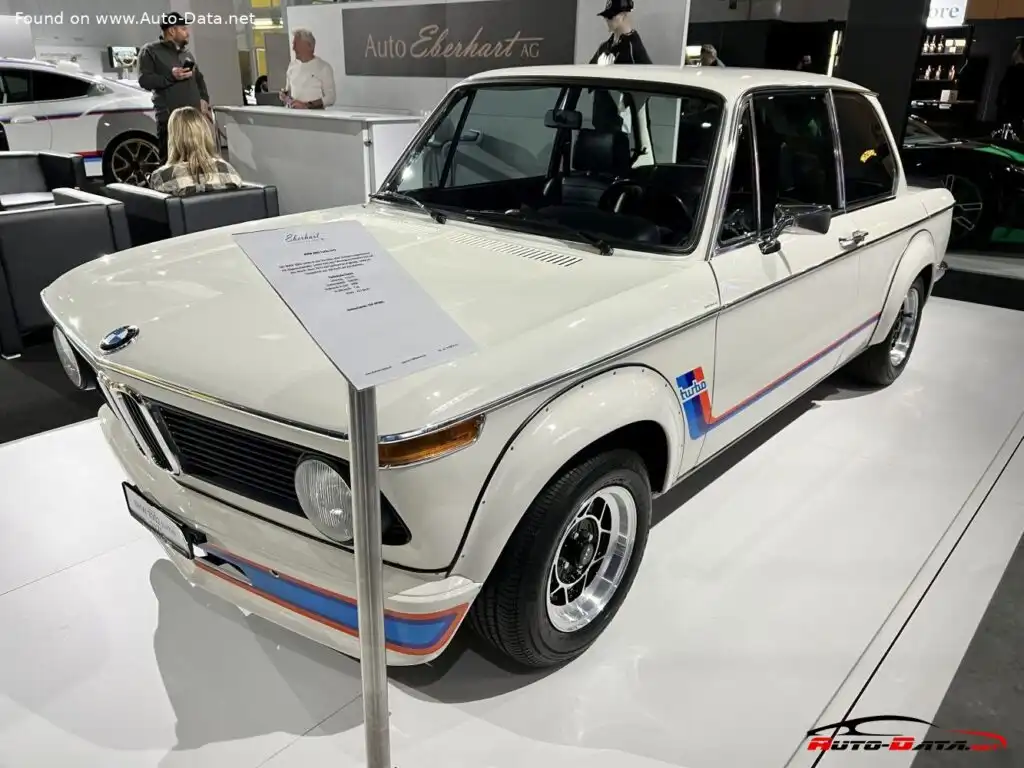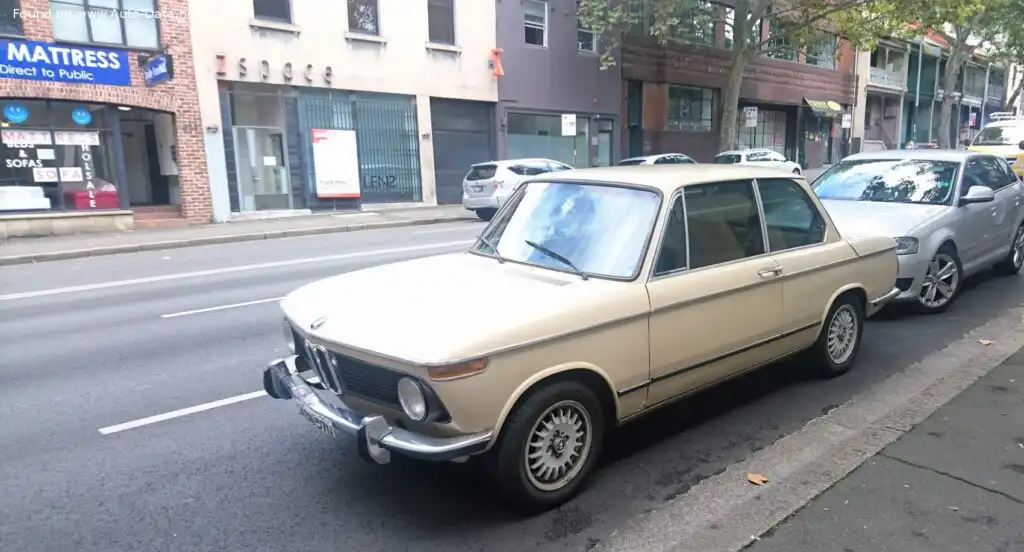
BMW 2002 Tii (E10)
The BMW 2002 Tii is a high-performance variant of the BMW 02 Series, a range of compact executive cars produced by the German manufacturer BMW from 1966 to 1977. Produced between 1971 and 1975 under the E10 factory designation, the 2002 Tii stands as a landmark vehicle in automotive history, largely credited with establishing the sports sedan category and cementing BMW’s reputation for building driver-focused automobiles. Its combination of a lightweight chassis, a powerful and technologically advanced engine, and practical packaging made it a critical and commercial success, shaping the brand’s Ultimate Driving Machine ethos for decades to come.
History and Development
The genesis of the BMW 2002 Tii lies in the success of BMW’s Neue Klasse (New Class) sedans introduced in 1962. These vehicles saved the company from financial ruin and established its modern identity. The 02 Series was developed as a shorter, two-door sedan derivative of the Neue Klasse, aimed at a sportier market segment. The project was famously initiated by two senior BMW figures—Helmut Werner Bönsch, BMW’s director of product planning, and Alex von Falkenhausen, the designer of the M10 engine—who had independently installed 2.0-liter engines into their personal 1600-2 models. Upon discovering they had made the same modification, they jointly proposed the concept to BMW’s board, and the 2002 was born in 1968.
While the standard carbureted 2002 was already a spirited performer, BMW saw potential for a more potent version. This led to the development of the 2002 Ti (Touring International), featuring twin Solex carburetors, which boosted power to 120 hp. However, the true breakthrough came in 1971 with the introduction of the BMW 2002 Tii (Touring International, injected). The additional i signified the move from carburetors to a sophisticated Kugelfischer mechanical fuel injection system, a technology typically reserved for more exotic racing cars at the time. This innovation not only increased power and torque but also improved reliability, fuel efficiency, and throttle response, creating a car that was both faster and more refined than its carbureted sibling.
The M10 Engine and Technical Innovations of the BMW 2002 Tii
At the core of the BMW 2002 Tii is the legendary M10 engine. This 2.0-liter (1990 cc) inline-four engine, designed by Baron Alex von Falkenhausen, was a marvel of its time. Featuring a cast-iron block, an aluminum head with a chain-driven single overhead camshaft (SOHC), and hemispherical combustion chambers, the M10 was known for its durability, free-revving nature, and immense tuning potential. It would go on to power numerous BMW models for over two decades and even formed the basis for a 1,500-hp Formula One World Championship-winning engine.
In the Tii, the M10 was equipped with the Kugelfischer PL04 injection pump. Unlike electronic fuel injection systems that would become common decades later, the Kugelfischer system was entirely mechanical. It used a series of pumps, cams, and cones to precisely meter fuel delivery based on engine speed and throttle position. This system allowed for a higher compression ratio of 9.5:1 compared to the standard 2002’s 8.5:1.
The results were significant. The Tii’s engine produced 130 hp at 5,800 rpm and 133 lb-ft (181 Nm) of torque at 4,500 rpm. This represented a 30 hp increase over the standard single-carburetor 2002 and a 10 hp advantage over the twin-carburetor 2002 Ti. This power was delivered through a standard 4-speed manual gearbox (a 5-speed was a later option) to the rear wheels, adhering to BMW’s classic front-engine, rear-wheel-drive layout.
Performance and Driving Dynamics
While its power figures may seem modest by modern standards, the BMW 2002 Tii‘s performance was exceptional for the early 1970s, thanks to its low curb weight of just 1,010 kg (2,227 lbs). The car could accelerate from 0 to 100 km/h (62 mph) in approximately 9.4 seconds and reach a top speed of 186 km/h (116 mph).
However, the Tii’s legacy is defined by more than just straight-line speed. It was celebrated for its superb handling and driver engagement. The chassis featured a MacPherson strut front suspension and an independent semi-trailing arm rear suspension, a setup that provided an excellent balance of comfort and sharp handling. Combined with its responsive, unassisted worm-and-roller steering, the Tii offered an analog and communicative driving experience that connected the driver directly to the road. Its lightweight and compact dimensions made it feel agile and nimble, particularly on twisty back roads. Upgraded brakes, featuring larger front discs, and a stiffer suspension compared to the standard model ensured that the chassis could capably handle the engine’s increased output.
Design and Styling
The design of the 02 Series, penned under the direction of BMW design chief Wilhelm Hofmeister, is a masterclass in elegant simplicity. The car features a distinctive three-box design with clean, uncluttered lines. Its most notable feature is the large glass greenhouse, which provides excellent all-around visibility and gives the cabin an airy, open feel. The slim pillars and upright stance are characteristic of the era and contribute to the car’s timeless appeal.
Early models (pre-1974) are easily identified by their round tail lights, delicate chrome bumpers, and full-face front grilles. In 1974, a facelift was introduced to comply with new safety regulations, primarily in the United States. This resulted in the addition of larger, less elegant square tail lights and heavier, protruding bumpers. Despite these changes, the fundamental purity of the original design remained. Another iconic design element is the Hofmeister kink, the signature counter-curve at the base of the C-pillar, which remains a staple of BMW design to this day.
The interior was simple and functional, with a clear focus on the driver. The dashboard was logically laid out, featuring large, legible VDO instruments, including a prominent tachometer. The seating position was upright, and the thin-rimmed steering wheel provided excellent feedback. While not luxurious, the materials were of high quality, and the overall build quality was a testament to German engineering.
Legacy and Enduring Impact
The BMW 2002 Tii was more than just a successful model; it was a transformative vehicle for the BMW brand, especially in the crucial North American market. It introduced a generation of enthusiasts to the concept of a practical, everyday car that could also deliver genuine sports car performance and handling. It proved that a sedan could be exciting to drive, effectively creating the template for the modern sports sedan.
The success of the 2002 series, and the Tii in particular, provided the financial stability and brand identity that allowed BMW to expand its lineup. The spirit of the 2002 Tii was directly carried over to its successor, the first-generation BMW 3 Series (E21), which went on to become the benchmark for its class. Today, the 2002 Tii is a highly sought-after classic car, revered by collectors and enthusiasts for its historical significance, mechanical purity, and unparalleled driving enjoyment. It remains a rolling icon of an era when simplicity and driver feedback were paramount, and a symbol of the engineering prowess that defines the BMW marque.
Full Technical Specifications
| Category | Specification |
| —————————— | —————————————————————————— |
| General Information | |
| Brand | BMW |
| Model | 2002 Tii |
| Generation | 02 Series (E10) |
| Body Type | 2-Door Sedan |
| Production Years | 1971 – 1975 |
| Powertrain Architecture | Internal Combustion Engine (ICE) |
| Engine | |
| Engine Code | M10B20 |
| Layout | Front, Longitudinal |
| Engine Type | Naturally Aspirated |
| Displacement | 1990 cm³ (121.4 cu. in.) |
| Number of Cylinders | 4 |
| Configuration | Inline |
| Valvetrain | Single Overhead Camshaft (SOHC), 2 valves per cylinder |
| Bore x Stroke | 89 mm x 80 mm (3.50 in. x 3.15 in.) |
| Compression Ratio | 9.5:1 |
| Fuel System | Kugelfischer PL04 Mechanical Fuel Injection |
| Max Power | 130 Hp @ 5800 rpm |
| Max Torque | 181 Nm (133.5 lb-ft) @ 4500 rpm |
| Power