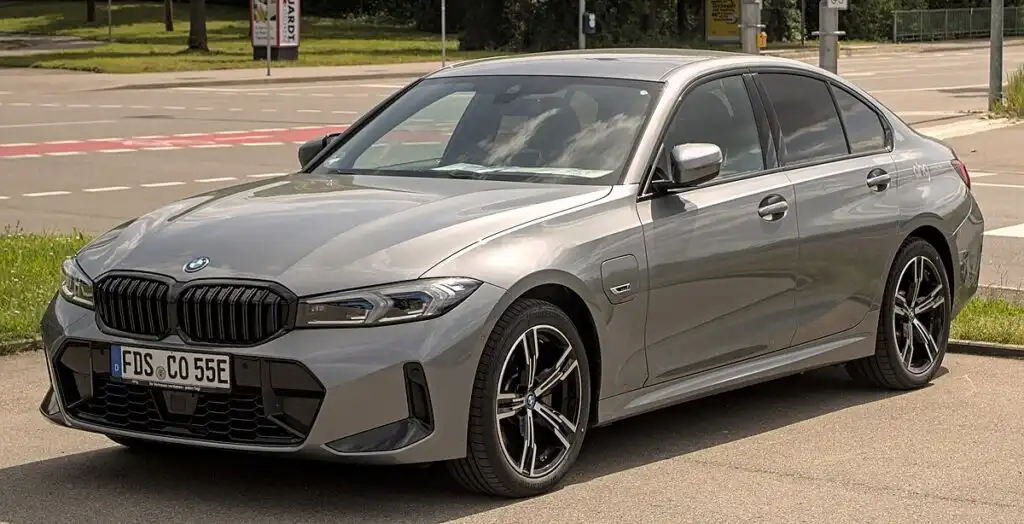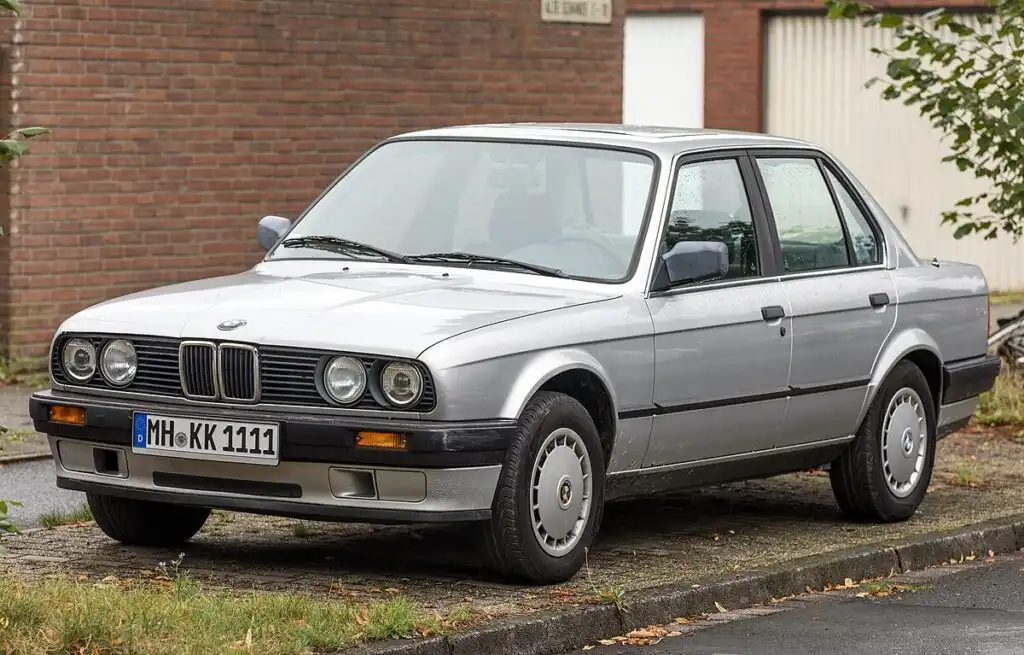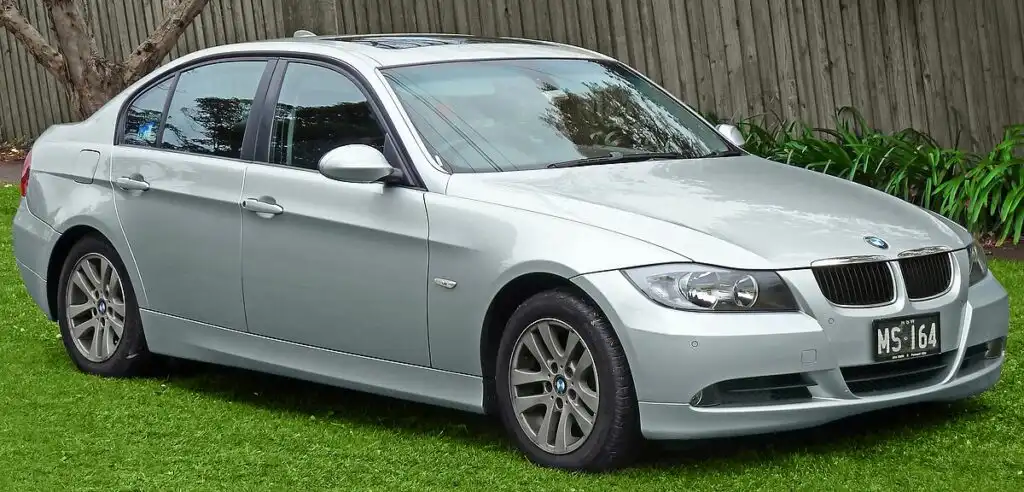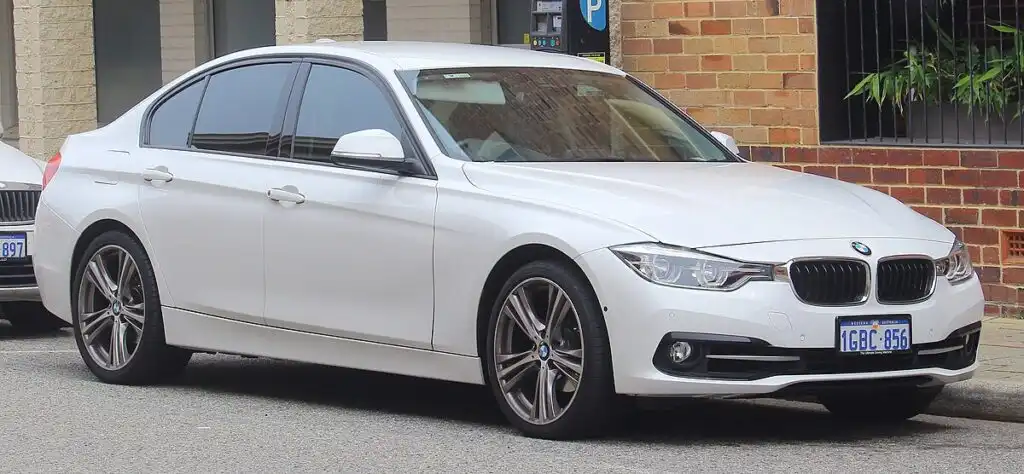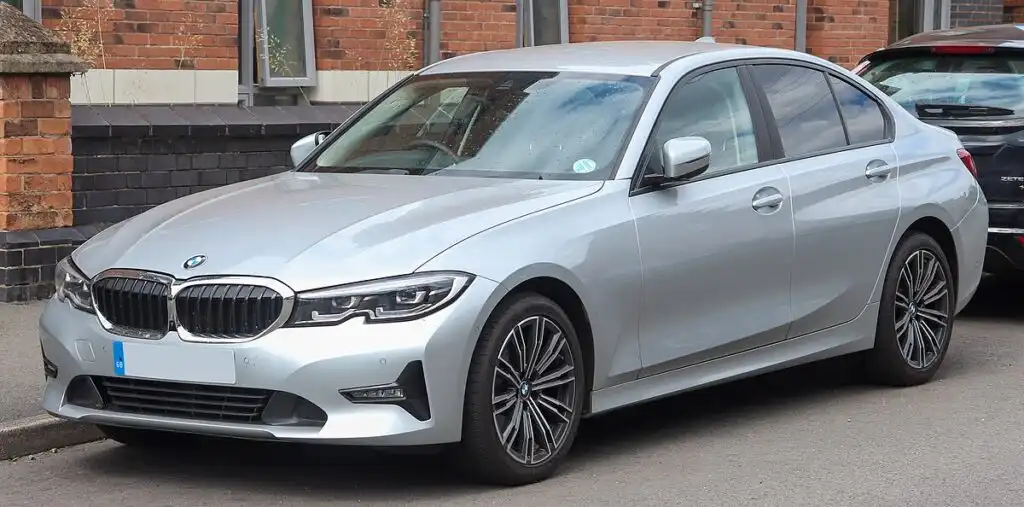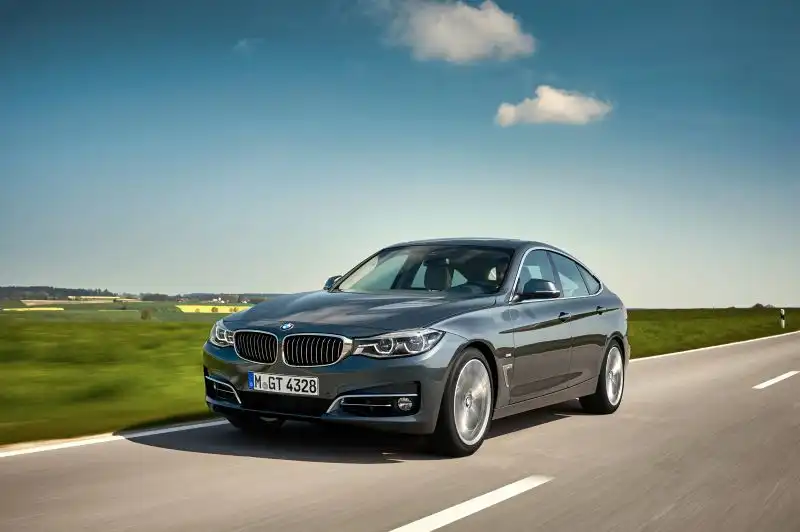
The BMW 3 Series Gran Turismo (F34) LCI, specifically the 340i Steptronic model produced from 2016 to 2020, represents a unique offering within the 3 Series lineup. Positioned as a more spacious and practical alternative to the standard 3 Series sedan and wagon, the Gran Turismo aimed to blend the driving dynamics expected of a BMW with the increased versatility of a hatchback-like design. The LCI (Life Cycle Impulse) facelift introduced in 2016 brought styling updates, revised engine options, and enhanced technology to the F34 platform, which was based on the BMW Group’s flexible architecture also underpinning models like the F30 3 Series and F32 4 Series. The 340i Steptronic, with its potent inline-six engine and eight-speed automatic transmission, served as the performance flagship of the Gran Turismo range.
Technical Specifications
| Brand | BMW |
| Model | 3 Series |
| Generation | 3 Series Gran Turismo (F34 LCI, Facelift 2016) |
| Type (Engine) | 340i (326 Hp) Steptronic |
| Start of production | 2016 |
| End of production | 2020 |
| Powertrain Architecture | Internal Combustion engine |
| Body type | Grand Tourer |
| Seats | 5 |
| Doors | 5 |
| Fuel consumption (urban) | 9.8-9.5 l/100 km (24 – 24.8 US mpg) |
| Fuel consumption (extra urban) | 5.8-5.5 l/100 km (40.6 – 42.8 US mpg) |
| Fuel consumption (combined) | 7.3-7.0 l/100 km (32.2 – 33.6 US mpg) |
| CO2 emissions | 166-159 g/km |
| Fuel Type | Petrol (Gasoline) |
| Acceleration 0 – 100 km/h | 5.1 sec |
| Acceleration 0 – 62 mph | 5.1 sec |
| Acceleration 0 – 60 mph | 4.8 sec |
| Maximum speed | 250 km/h (155.34 mph) |
| Emission standard | Euro 6 |
| Weight-to-power ratio | 5.1 kg/Hp |
| Weight-to-torque ratio | 3.7 kg/Nm |
| Power | 326 Hp @ 5500 rpm |
| Torque | 450 Nm @ 1380-5000 rpm (331.9 lb.-ft. @ 1380-5000 rpm) |
| Engine layout | Front, Longitudinal |
| Engine Model/Code | N55B30A |
| Engine displacement | 2998 cm3 (182.95 cu. in.) |
| Number of cylinders | 6 |
| Engine configuration | Inline |
| Cylinder Bore | 82 mm (3.23 in.) |
| Piston Stroke | 94.6 mm (3.72 in.) |
| Compression ratio | 11:1 |
| Number of valves per cylinder | 4 |
| Fuel injection system | Direct injection |
| Engine aspiration | Twin-power turbo, Intercooler |
| Engine oil capacity | 6.5 l (6.87 US qt | 5.72 UK qt) |
| Coolant | 7.8 l (8.24 US qt | 6.86 UK qt) |
| Kerb Weight | 1660 kg (3659.67 lbs.) |
| Max. weight | 2230 kg (4916.31 lbs.) |
| Max load | 570 kg (1256.63 lbs.) |
| Trunk (boot) space – minimum | 520 l (18.36 cu. ft.) |
| Trunk (boot) space – maximum | 1600 l (56.5 cu. ft.) |
| Fuel tank capacity | 60 l (15.85 US gal | 13.2 UK gal) |
| Max. roof load | 75 kg (165.35 lbs.) |
| Permitted trailer load with brakes (12%) | 1700 kg (3747.86 lbs.) |
| Permitted trailer load without brakes | 750 kg (1653.47 lbs.) |
| Permitted towbar download | 75 kg (165.35 lbs.) |
| Length | 4824 mm (189.92 in.) |
| Width | 1828 mm (71.97 in.) |
| Height | 1508 mm (59.37 in.) |
| Wheelbase | 2920 mm (114.96 in.) |
| Front track | 1541 mm (60.67 in.) |
| Rear (Back) track | 1586 mm (62.44 in.) |
| Ride height (ground clearance) | 165 mm (6.5 in.) |
| Drag coefficient (Cd) | 0.29 |
| Minimum turning circle (turning diameter) | 11.8 m (38.71 ft.) |
| Drivetrain Architecture | Rear wheel drive |
| Number of gears and type of gearbox | 8 gears, automatic transmission Steptronic |
| Front suspension | Double wishbone |
| Rear suspension | Independent multi-link suspension |
| Front brakes | Ventilated discs |
| Rear brakes | Ventilated discs |
| Assisting systems | ABS (Anti-lock braking system) |
| Steering type | Steering rack and pinion |
| Power steering | Electric Steering |
| Tires size | 225/55 R17 97W |
| Wheel rims size | 8.0J x 17 |
INTRODUCTION
The BMW 3 Series Gran Turismo (F34) LCI 340i Steptronic, launched in 2016, was a mid-cycle refresh of the original F34 model introduced in 2013. Built on the F30 3 Series platform, the Gran Turismo aimed to offer a more practical and spacious alternative to the traditional 3 Series sedan. The “LCI” (Life Cycle Impulse) brought updated styling, including revised headlights and taillights, a redesigned front fascia, and interior enhancements. The 340i variant, replacing the previous 335i, was positioned as the performance leader within the Gran Turismo range, offering a significant step up in power and driving engagement compared to the 320i and 328i models. It catered to buyers seeking a blend of luxury, practicality, and spirited performance.
Powertrain & Engine Architecture
At the heart of the 340i Gran Turismo lies the N55B30A, a 3.0-liter inline-six cylinder engine. This engine, a mainstay of BMW’s lineup for several years, is renowned for its smooth power delivery and responsiveness. The N55 utilizes direct fuel injection, a twin-scroll turbocharger, and variable valve timing (VANOS) and valve lift (Valvetronic) systems to optimize performance and efficiency. The engine produces 326 horsepower at 5500 rpm and 450 Nm (331.9 lb-ft) of torque between 1380 and 5000 rpm. This broad torque curve contributes to strong acceleration in real-world driving conditions. The engine is longitudinally mounted, driving the rear wheels. Paired with the N55 is BMW’s ZF 8HP80 eight-speed automatic transmission, marketed as “Steptronic.” This transmission is known for its quick and smooth shifts, and it offers both automatic and manual shift modes. The Steptronic transmission features adaptive learning, adjusting shift points based on the driver’s style.
Driving Characteristics
The 340i Steptronic Gran Turismo delivers a refined and capable driving experience. While not as overtly sporty as the standard 3 Series sedan, the Gran Turismo offers a comfortable ride and confident handling. The eight-speed automatic transmission is well-matched to the engine’s characteristics, providing seamless gear changes and contributing to brisk acceleration. The 0-60 mph sprint takes approximately 4.8 seconds, making it a genuinely quick vehicle. The longer wheelbase of the Gran Turismo, compared to the 3 Series sedan, results in a more stable and composed ride, particularly on highway journeys. The steering is precise and well-weighted, providing good feedback to the driver. Compared to the 320i or 328i Gran Turismo models, the 340i offers a substantial performance advantage, with noticeably quicker acceleration and more readily available power for overtaking. While a manual transmission was available on some 340i models, the Steptronic automatic was the more common choice, offering convenience and efficiency.
Equipment & Trim Levels
The 340i Gran Turismo came well-equipped as standard, reflecting its position as the range-topping model. Standard features typically included leather upholstery, power-adjustable front seats with memory function, a premium sound system, a navigation system, and a suite of driver-assistance technologies such as lane departure warning and automatic emergency braking. Optional extras included a panoramic sunroof, adaptive cruise control, a head-up display, and upgraded interior trim options. The Gran Turismo’s interior design prioritized comfort and practicality, with a spacious cabin and a large cargo area that could be expanded by folding down the rear seats. The rear seats offered ample legroom and headroom, making the Gran Turismo a comfortable choice for long journeys.
Chassis & Braking
The F34 Gran Turismo utilizes a sophisticated chassis design, featuring a double-wishbone front suspension and an independent multi-link rear suspension. This setup provides a good balance between ride comfort and handling precision. The 340i model typically featured stiffer springs and dampers compared to the lower-trim models, enhancing its handling capabilities. Braking duties are handled by ventilated disc brakes on all four wheels, providing ample stopping power. Anti-lock braking system (ABS) and electronic stability control (ESC) are standard features, enhancing safety and control. The Gran Turismo’s steering system is an electric power steering system, offering precise and responsive steering feel.
Market Reception & Comparison
The BMW 3 Series Gran Turismo, and particularly the 340i variant, received generally positive reviews from automotive critics. It was praised for its spacious interior, comfortable ride, and strong performance. However, some critics noted that the Gran Turismo’s styling was not as universally appealing as the standard 3 Series sedan. Compared to the 328i Gran Turismo, the 340i offered a significant performance upgrade, but at a higher price point. Fuel economy was respectable for a vehicle of its size and performance, with combined fuel consumption figures ranging from 7.3 to 7.0 l/100 km (32.2 – 33.6 US mpg). Reliability was generally good, although some owners reported minor issues with the electronic systems.
Legacy
The BMW 3 Series Gran Turismo (F34) represented a bold attempt to create a unique niche within the premium compact executive segment. While it didn’t achieve the same sales success as the standard 3 Series sedan, it gained a loyal following among buyers who appreciated its blend of practicality, comfort, and performance. The N55 engine, used in the 340i, is known for its durability and tunability, making it a popular choice among enthusiasts. Today, well-maintained F34 340i models are sought after on the used car market, offering a compelling combination of luxury, performance, and value. The Steptronic transmission, while generally reliable, may require servicing as the vehicle ages, and preventative maintenance is key to ensuring long-term reliability.