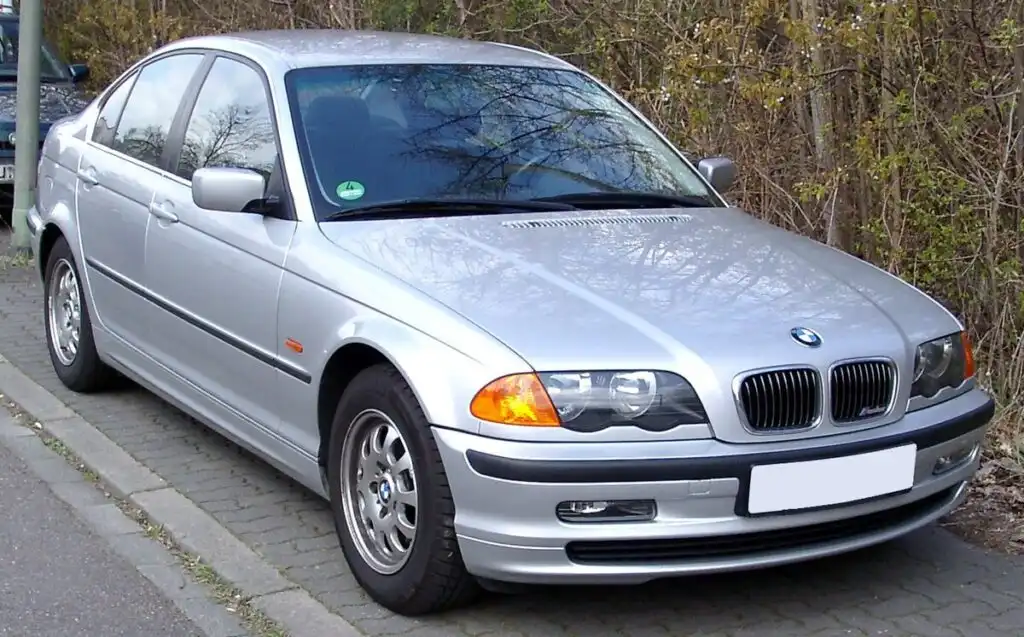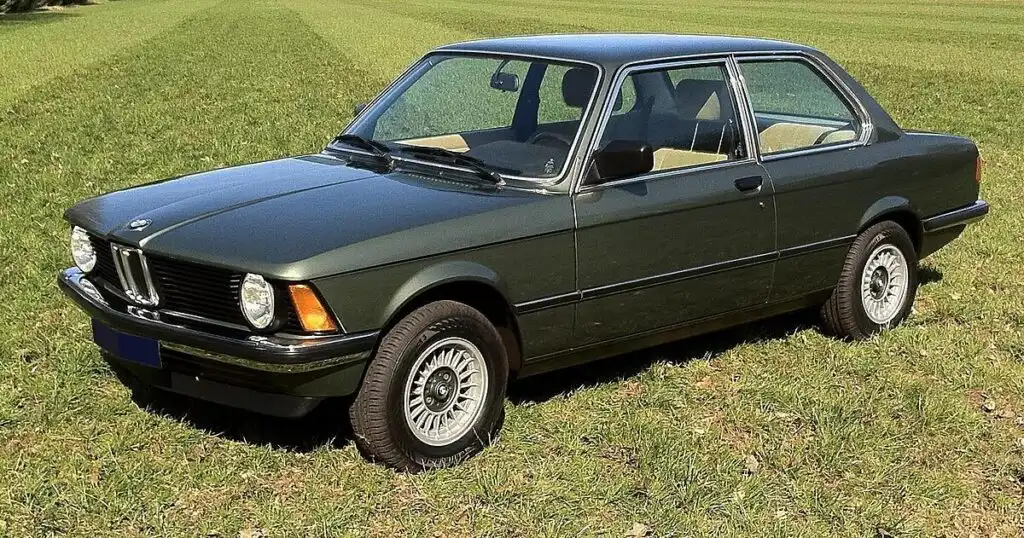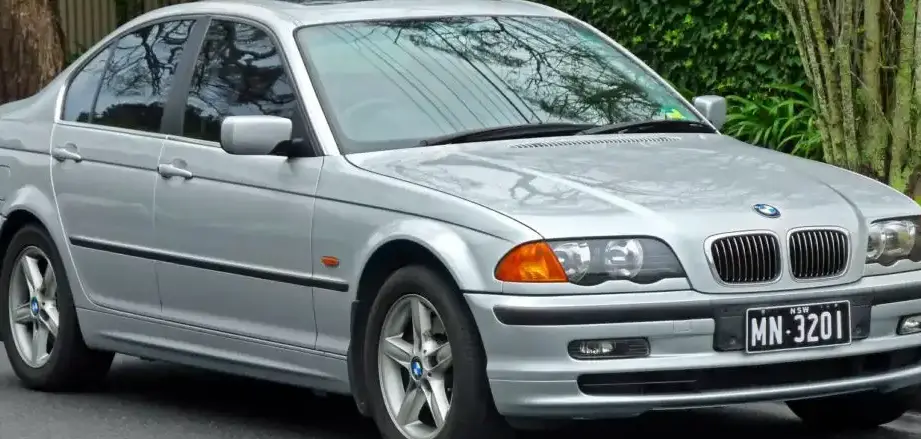
The BMW 3 Series Sedan (E46) 330i, produced from 2000 to 2001, represented a significant evolution in BMW’s long-running and highly successful 3 Series lineage. Falling within the E46 generation (1998-2006), the 330i served as a performance-oriented variant, positioned above the 323i and 328i models in the North American market. It was designed to appeal to drivers seeking a blend of luxury, handling prowess, and a more potent engine, while remaining a practical daily driver. The E46 platform itself was a pivotal design for BMW, introducing advancements in chassis technology, interior refinement, and overall driving dynamics that set a new benchmark for compact executive cars.
| Brand | BMW |
| Model | 3 Series |
| Generation | 3 Series Sedan (E46) |
| Type (Engine) | 330i (231 Hp) |
| Start of production | 2000 |
| End of production | 2001 |
| Powertrain Architecture | Internal Combustion engine |
| Body type | Sedan |
| Seats | 5 |
| Doors | 4 |
| Fuel consumption (urban) | 12.8 l/100 km (18.4 US mpg) |
| Fuel consumption (extra urban) | 6.9 l/100 km (34.1 US mpg) |
| Fuel consumption (combined) | 9.1 l/100 km (25.8 US mpg) |
| Fuel Type | Petrol (Gasoline) |
| Acceleration 0 – 100 km/h | 6.5 sec |
| Acceleration 0 – 62 mph | 6.5 sec |
| Acceleration 0 – 60 mph | 6.2 sec |
| Maximum speed | 250 km/h (155.34 mph) |
| Weight-to-power ratio | 6.1 kg/Hp |
| Weight-to-torque ratio | 4.7 kg/Nm |
| Power | 231 Hp @ 5900 rpm |
| Torque | 300 Nm @ 3500 rpm (221.27 lb.-ft. @ 3500 rpm) |
| Engine layout | Front, Longitudinal |
| Engine Model/Code | M54B30 |
| Engine displacement | 2979 cm3 (181.79 cu. in.) |
| Number of cylinders | 6 |
| Engine configuration | Inline |
| Cylinder Bore | 84 mm (3.31 in.) |
| Piston Stroke | 89.6 mm (3.53 in.) |
| Compression ratio | 10.2:1 |
| Number of valves per cylinder | 4 |
| Fuel injection system | Multi-port manifold injection |
| Engine aspiration | Naturally aspirated engine |
| Valvetrain | DOHC |
| Engine oil capacity | 6.5 l (6.87 US qt | 5.72 UK qt) |
| Coolant capacity | 8.4 l (8.88 US qt | 7.39 UK qt) |
| Kerb Weight | 1400 kg (3086.47 lbs.) |
| Max. weight | 1900 kg (4188.78 lbs.) |
| Max load | 500 kg (1102.31 lbs.) |
| Trunk (boot) space – minimum | 440 l (15.54 cu. ft.) |
| Fuel tank capacity | 63 l (16.64 US gal | 13.86 UK gal) |
| Length | 4471 mm (176.02 in.) |
| Width | 1739 mm (68.46 in.) |
| Height | 1415 mm (55.71 in.) |
| Wheelbase | 2725 mm (107.28 in.) |
| Front track | 1471 mm (57.91 in.) |
| Rear (Back) track | 1483 mm (58.39 in.) |
| Drivetrain Architecture | Rear wheel drive |
| Drive wheel | Rear wheel drive |
| Number of gears | 6 |
| Type of gearbox | Manual transmission |
| Front suspension | Spring Strut |
| Rear suspension | Coil spring |
| Front brakes | Ventilated discs |
| Rear brakes | Disc |
| Assisting systems | ABS (Anti-lock braking system) |
| Steering type | Steering rack and pinion |
| Power steering | Hydraulic Steering |
| Tires size | 225/45 R17 |
| Wheel rims size | 8J x 17 |
Powertrain & Engine Architecture
The heart of the 330i was the M54B30, a 3.0-liter inline-six engine. This engine represented a refinement of BMW’s long-standing straight-six tradition, known for its smooth power delivery and inherent balance. The M54 featured double overhead camshafts (DOHC), four valves per cylinder, and a multi-port fuel injection system. The engine produced 231 horsepower at 5900 rpm and 221 lb-ft of torque at 3500 rpm. The 10.2:1 compression ratio contributed to its responsive nature. The engine’s longitudinal mounting and rear-wheel-drive configuration were hallmarks of the classic BMW driving experience. The standard transmission for the 330i was a smooth-shifting 6-speed manual gearbox, although a 5-speed automatic transmission was also available. The automatic, while offering convenience, did slightly diminish acceleration times compared to the manual.
Driving Characteristics
The 330i with the manual transmission delivered a genuinely engaging driving experience. The engine’s powerband was broad and usable, providing strong acceleration throughout the rev range. The 6-speed manual allowed drivers to keep the engine in its sweet spot, maximizing performance. The automatic transmission, while competent, felt less connected and resulted in a slightly slower 0-60 mph time of around 6.5 seconds, compared to the manual’s 6.2 seconds. Steering was precise and well-weighted, providing excellent feedback. The E46 chassis was renowned for its balance and composure, making the 330i a capable and enjoyable car on both winding roads and long highway journeys. Compared to the 323i, the 330i offered a noticeable increase in power and torque, resulting in a more spirited driving experience. The 330i also felt more refined than the base model.
Equipment & Trim Levels
The 330i came standard with a respectable array of features, including power windows, power locks, a sunroof, and air conditioning. Interior upholstery was typically cloth, although leather was available as an option. The dashboard layout was functional and driver-focused, with clear instrumentation. Optional extras included a premium sound system, heated front seats, and a navigation system. Sport packages added features like sport seats, a sport suspension, and unique exterior styling cues. The 330i was generally positioned as a mid-range to upper-mid-range trim within the E46 lineup, offering a balance of performance and luxury.
Chassis & Braking
The E46 330i utilized a MacPherson strut front suspension and a multi-link rear suspension, providing a comfortable yet controlled ride. The chassis was designed to minimize body roll and maximize grip. Brakes consisted of ventilated discs at the front and solid discs at the rear. Anti-lock braking system (ABS) was standard. The suspension tuning was geared towards a balance between comfort and handling, making it suitable for a wide range of driving conditions. The 330i’s weight distribution was nearly 50/50, contributing to its balanced handling characteristics.
Market Reception & Comparison
The E46 330i was widely praised by automotive critics for its performance, handling, and overall refinement. It was often cited as a benchmark in the compact executive car segment. Compared to the 323i and 328i, the 330i offered a significant performance advantage, but at a higher price point. Fuel economy was reasonable for a performance-oriented car, averaging around 25.8 US mpg in combined driving. Reliability was generally good, although some owners reported issues with cooling system components and oil leaks as the cars aged. The 330i’s combination of performance and practicality made it a popular choice among enthusiasts and everyday drivers alike.
Legacy
The E46 330i remains a sought-after vehicle in the used car market today, particularly among BMW enthusiasts. The M54B30 engine is considered a robust and reliable powerplant, although regular maintenance is essential to prevent issues. Well-maintained examples command a premium price. The E46 generation as a whole is remembered as a high point for BMW, representing a sweet spot between classic BMW driving dynamics and modern technology. The 330i, with its potent engine and engaging driving experience, continues to be appreciated as a true driver’s car.