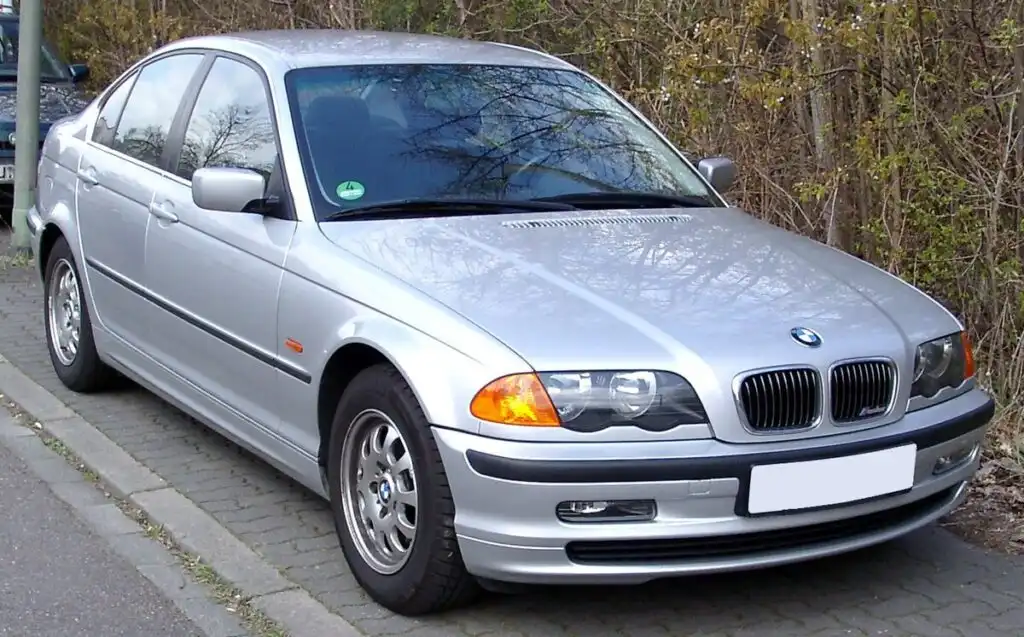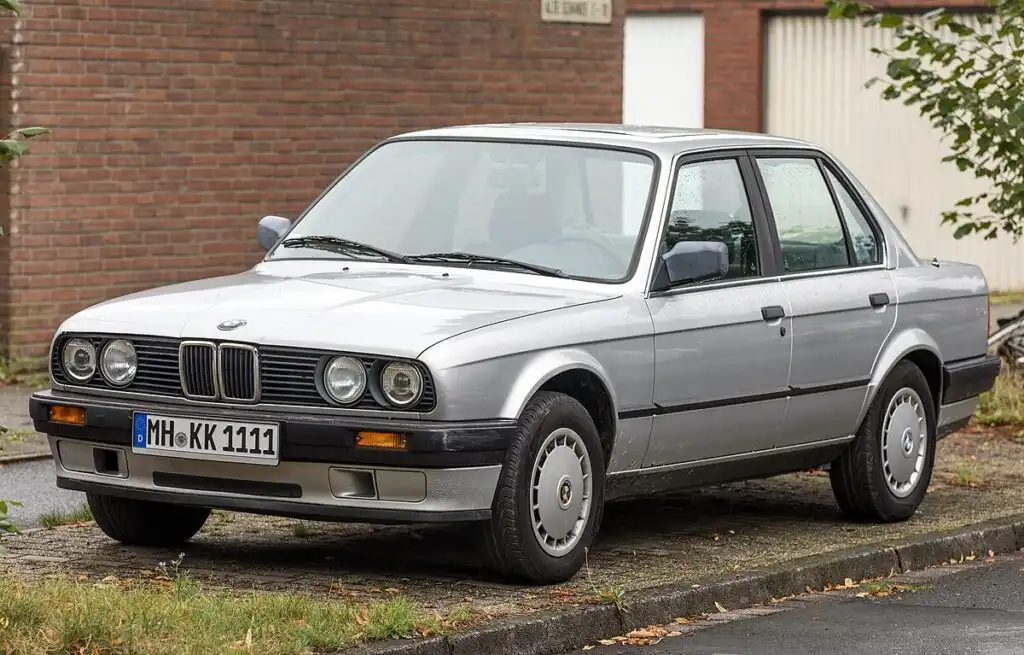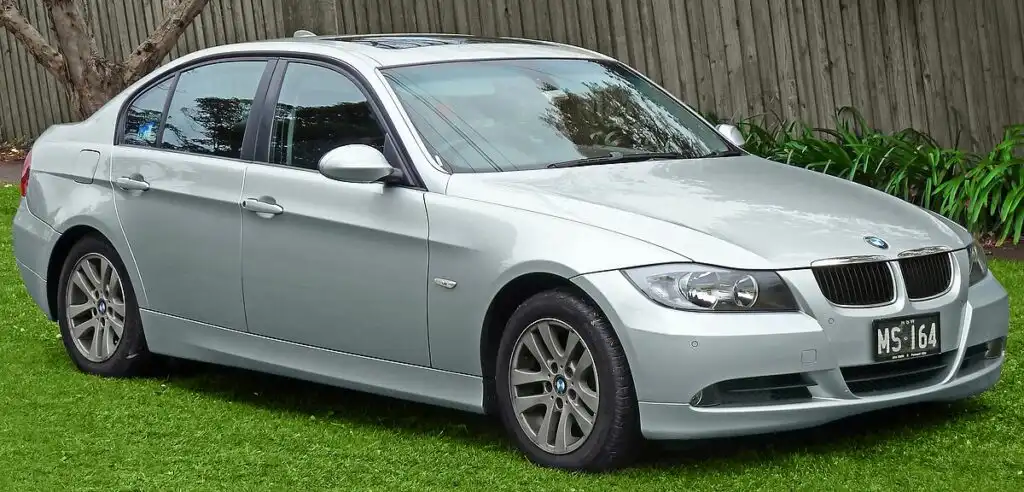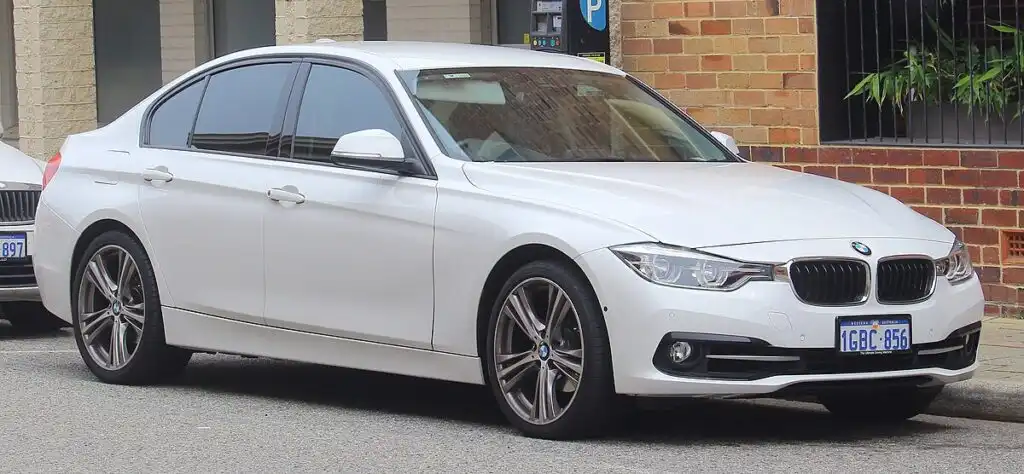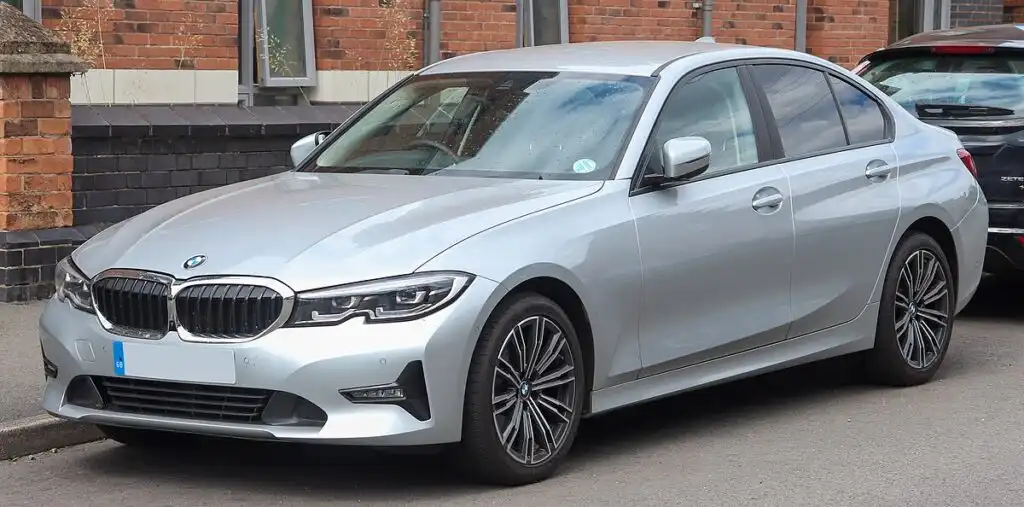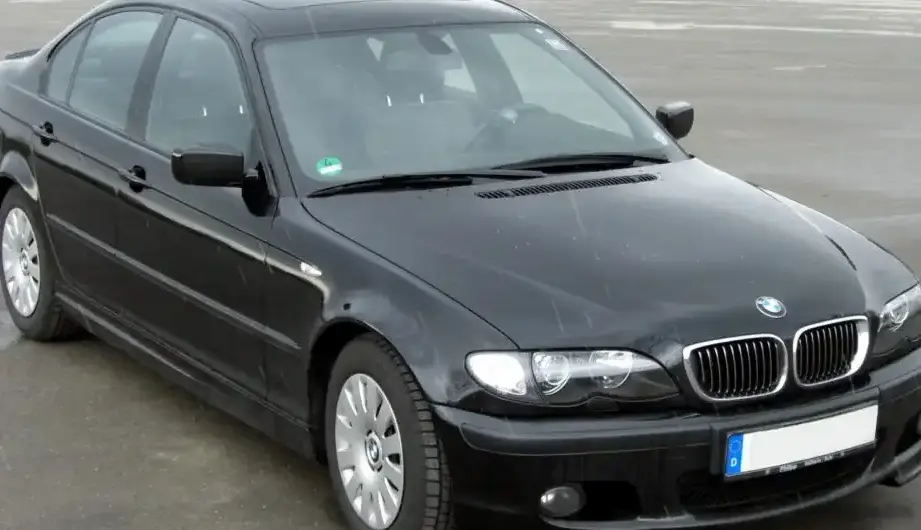
The BMW 320d, specifically the variant produced from 2001 to 2005 as part of the E46 facelift, represented a significant entry point into the premium compact executive car segment for European buyers. This model, powered by a 2.0-liter turbocharged diesel engine producing 150 horsepower, offered a blend of fuel efficiency, respectable performance, and BMW’s renowned driving dynamics. It occupied a crucial position in the E46 lineup, appealing to drivers seeking a more economical alternative to the gasoline-powered 320i and 325i, while still providing the core BMW experience. While not officially sold in the US market during this generation, the E46 remains a popular import and enthusiast vehicle.
Technical Specifications
| Brand | BMW |
| Model | 3 Series |
| Generation | 3 Series Sedan (E46, facelift 2001) |
| Type (Engine) | 320d (150 Hp) |
| Start of production | 2001 |
| End of production | 2005 |
| Powertrain Architecture | Internal Combustion engine |
| Body type | Sedan |
| Seats | 5 |
| Doors | 4 |
| Fuel consumption (urban) | 7.9 l/100 km (29.8 US mpg) |
| Fuel consumption (extra urban) | 4.6 l/100 km (51.1 US mpg) |
| Fuel consumption (combined) | 5.5 l/100 km (42.8 US mpg) |
| Fuel Type | Diesel |
| Acceleration 0 – 100 km/h | 8.9 sec |
| Acceleration 0 – 62 mph | 8.9 sec |
| Acceleration 0 – 60 mph | 8.5 sec |
| Maximum speed | 221 km/h (137.32 mph) |
| Weight-to-power ratio | 9.4 kg/Hp |
| Weight-to-torque ratio | 4.3 kg/Nm |
| Power | 150 Hp @ 4000 rpm |
| Torque | 330 Nm @ 2000 rpm (243.4 lb.-ft. @ 2000 rpm) |
| Engine layout | Front, Longitudinal |
| Engine Model/Code | M47D20 |
| Engine displacement | 1995 cm3 (121.74 cu. in.) |
| Number of cylinders | 4 |
| Engine configuration | Inline |
| Cylinder Bore | 84 mm (3.31 in.) |
| Piston Stroke | 90 mm (3.54 in.) |
| Compression ratio | 17:1 |
| Number of valves per cylinder | 4 |
| Fuel injection system | Diesel Commonrail |
| Engine aspiration | Turbocharger, Intercooler |
| Valvetrain | OHC |
| Engine oil capacity | 5.5 l (5.81 US qt | 4.84 UK qt) |
| Coolant capacity | 9.3 l (9.83 US qt | 8.18 UK qt) |
| Kerb Weight | 1415 kg (3119.54 lbs.) |
| Max. weight | 1915 kg (4221.85 lbs.) |
| Max load | 500 kg (1102.31 lbs.) |
| Trunk (boot) space – minimum | 440 l (15.54 cu. ft.) |
| Fuel tank capacity | 63 l (16.64 US gal | 13.86 UK gal) |
| Length | 4471 mm (176.02 in.) |
| Width | 1739 mm (68.46 in.) |
| Height | 1415 mm (55.71 in.) |
| Wheelbase | 2725 mm (107.28 in.) |
| Front track | 1481 mm (58.31 in.) |
| Rear track | 1488 mm (58.58 in.) |
| Drivetrain Architecture | Rear wheel drive |
| Number of gears | 6 |
| Gearbox type | Manual transmission |
| Front suspension | Spring Strut |
| Rear suspension | Coil spring |
| Front brakes | Ventilated discs |
| Rear brakes | Disc |
| Assisting systems | ABS (Anti-lock braking system) |
| Steering type | Steering rack and pinion |
| Power steering | Hydraulic Steering |
| Tires size | 205/55 R16 |
| Wheel rims size | 16 |
Powertrain & Engine Architecture
The heart of the 320d was the M47D20, a 2.0-liter inline-four diesel engine. This engine was a key component of BMW’s move towards more fuel-efficient diesel offerings. It featured a cast iron block and aluminum cylinder head, a configuration common for durability and weight reduction. The M47D20 utilized a second-generation common rail direct injection system, delivering fuel at extremely high pressures for optimized combustion and reduced emissions. A turbocharger with an intercooler was employed to boost power output, providing 150 horsepower and a substantial 330 Nm (243 lb-ft) of torque. The engine’s valvetrain consisted of a single overhead camshaft (OHC) operating four valves per cylinder. The six-speed manual transmission was the standard offering, providing precise gear changes and contributing to the car’s engaging driving experience. While an automatic transmission was available, it was less common and often criticized for slightly diminishing the car’s responsiveness.
Driving Characteristics
The 320d, with its 150 hp and ample torque, offered a surprisingly capable driving experience. While not as overtly sporty as the gasoline-powered 325i, the 320d excelled in providing strong mid-range acceleration, making it well-suited for everyday driving and overtaking maneuvers. The six-speed manual transmission allowed drivers to keep the engine in its optimal power band, while the rear-wheel-drive configuration contributed to balanced handling. Compared to the higher-output 330d, the 320d felt less urgent in its acceleration, but its lighter weight and more economical engine made it more nimble and fuel-efficient. The gear ratios were tuned for a balance between fuel economy and performance, with a relatively long final drive contributing to lower engine speeds at highway cruising.
Equipment & Trim Levels
The 320d typically came equipped with a respectable level of standard features, including air conditioning, power windows, central locking, and an audio system. Interior upholstery was generally cloth, although leather options were available. The dashboard layout was typical of the E46, with a driver-focused design and intuitive controls. Optional extras included sunroof, navigation system, sport seats, and upgraded audio systems. Trim levels varied slightly depending on the market, but generally followed a progression from base models to more luxurious “SE” or “Sport” variants, offering enhanced aesthetics and additional features.
Chassis & Braking
The E46 320d utilized a MacPherson strut front suspension and a multi-link rear suspension, providing a comfortable yet controlled ride. The suspension was tuned to balance handling and comfort, offering a good compromise for everyday driving. Braking systems consisted of ventilated discs at the front and solid discs at the rear. Anti-lock Braking System (ABS) was standard, enhancing safety and stability during hard braking. The chassis was relatively lightweight, contributing to the car’s agility and responsiveness. Stabilizer bars were fitted front and rear to reduce body roll during cornering.
Market Reception & Comparison
The 320d was well-received in Europe as a practical and efficient alternative to its gasoline-powered siblings. Critics praised its fuel economy, strong torque, and comfortable ride. However, some noted that the engine could be somewhat noisy compared to gasoline engines, and the performance, while adequate, wasn’t as exhilarating as the 330i. Compared to other diesel-powered competitors, the 320d was often lauded for its refined driving experience and BMW’s reputation for build quality. Its fuel economy consistently outperformed the 320i, making it a popular choice for drivers covering long distances.
Legacy
The E46 320d, particularly the M47D20-powered version, has proven to be a relatively reliable and durable vehicle. The engine, while capable of high mileage, requires regular maintenance, including oil changes and fuel filter replacements. Common issues include injector failures and turbocharger wear, but these are generally manageable with preventative maintenance. Today, the E46 320d remains a popular choice in the used car market, particularly for those seeking an affordable and fuel-efficient entry into the BMW brand. Its combination of practicality, driving dynamics, and relative reliability has ensured its continued appeal among enthusiasts and everyday drivers alike.